
At the Royal Kennel Club, we believe dogs should be part of everyday life. Whether it is a trip to the countryside, a family holiday, or taking them to a vet, travelling by car is something many owners are often required to do with their dogs. Ensuring that dogs travel safely is an important part of responsible dog ownership. It protects the dog's welfare, the safety of everyone in the vehicle and other road users.
Recent research from the University of Stirling suggests that there is widespread misunderstanding of UK dog laws, and travelling with dogs in vehicles is one area where confusion is common. The Highway Code advises that dogs and other animals should be suitably restrained within the vehicle, so they cannot distract the driver or injure themselves, passengers, or the driver at any point during the journey.
You can suitably restrain your dog before every journey by using a suitable travel crate (either secured on the back seat or fitted in the boot). Alternatives to this are a dog guard between the boot and the last row of passenger seats or a seat belt harness that attaches to a seat belt. Drivers must ensure that a dog cannot exit the vehicle on its own when a door or the boot is opened. Following this advice helps keep everyone in the vehicle safe, including your dog, while reducing the risk of accidents.
The driver is always responsible for maintaining proper control of their vehicle. If a dog distracts the driver or interferes with the driver's ability to drive safely, it could put everyone in the vehicle and other road users at risk. This is considered a road traffic offence.
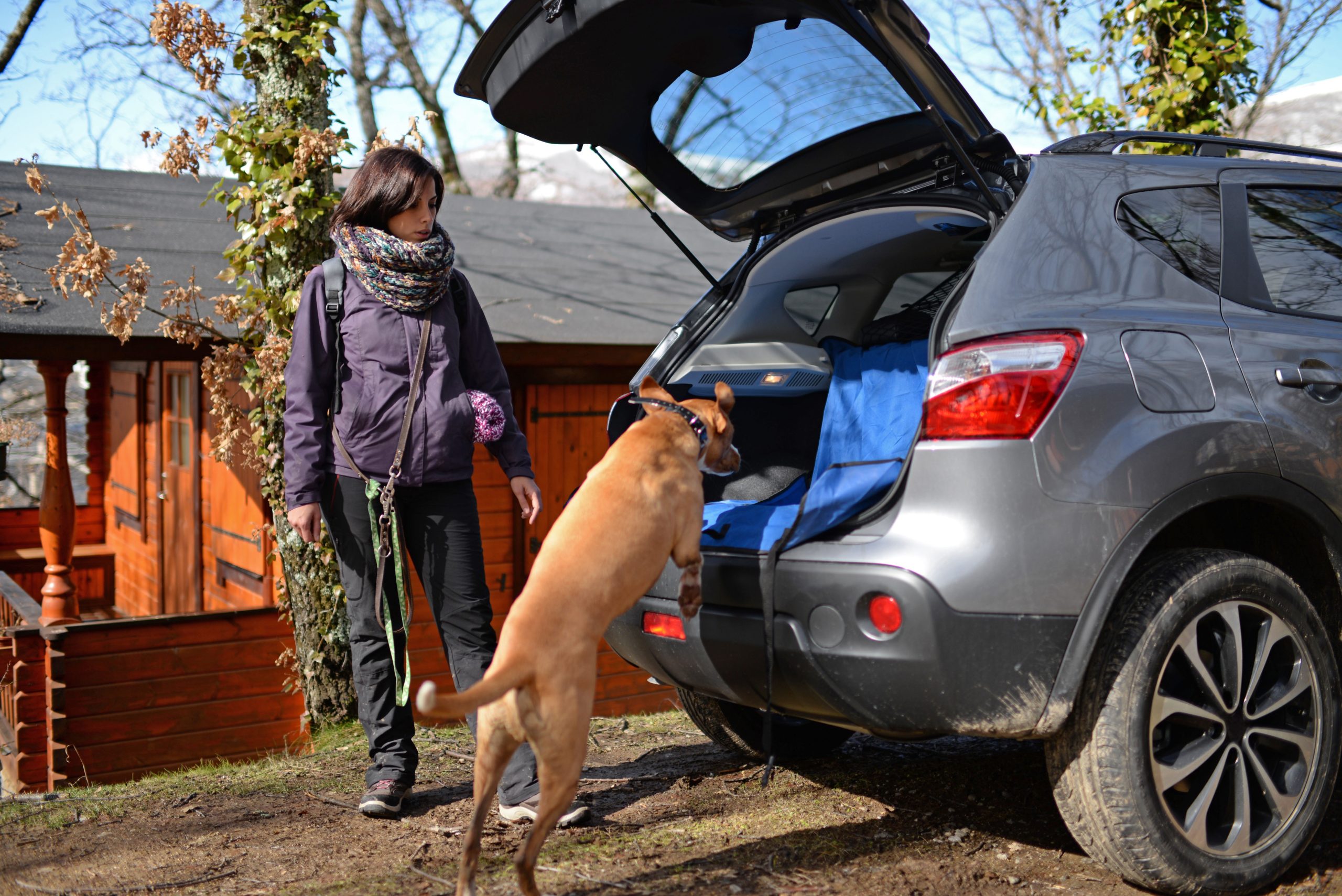
Putting safety first
If a dog isn't safely restrained in a vehicle, in the event of sudden braking or a collision, it could be thrown around, potentially causing serious injury to itself and others. A relatively minor collision may cause a dog to escape from the vehicle, leaving it vulnerable to becoming lost, running into traffic, or causing another accident.
Preparing for the journey
Travelling safely is more than simply restraining your dog. Before setting off, owners should ensure their dog has enough space to stand, turn around and lie down comfortably. Bringing bedding from home or a favourite blanket can also help dogs feel calm and settled, particularly on longer journeys or if they are less confident about travelling.
Regular breaks are also important. On longer journeys, dogs should be given opportunities to drink water, stretch their legs, and go to the toilet. Keeping the vehicle well-ventilated will also help keep dogs comfortable, particularly during warmer weather. Remember to keep ventilation points free. On hot days, avoid travelling with your dog unless it is absolutely necessary.
Dogs should never be left unattended in a vehicle if there is any risk of overheating, as temperatures inside a car can rise quickly, even on days that do not feel especially hot. Dogs can overheat very rapidly in these conditions.
Some dogs can also experience travel sickness, especially if they are not accustomed to long journeys. If a dog regularly becomes unwell when travelling, it’s worth speaking to a vet before setting off, who can advise on the best way to make the journey more comfortable.
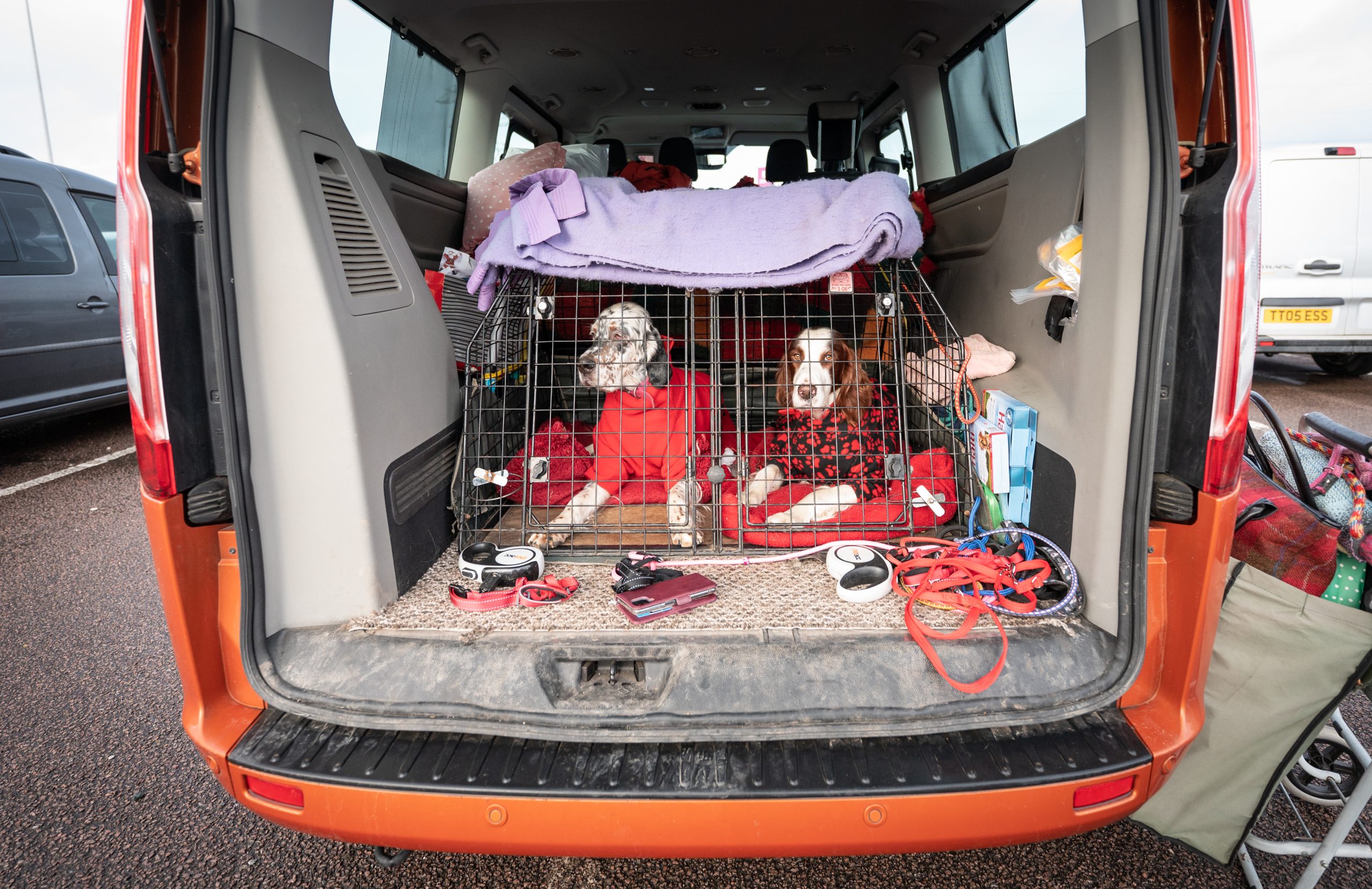
Making every journey a safe one
Travelling with dogs should be an enjoyable experience for both owners and their pets. By planning ahead, using appropriate restraints and considering a dog’s comfort throughout the journey, owners can help reduce stress and minimise risks. These simple precautions can make every journey safer, helping dogs and their owners arrive at their destination safely and comfortably.
Before setting off:
- Ensure your dog is suitably restrained using a dog crate, pet carrier, dog guard or seat belt harness
- Make sure your dog is secure so that it cannot get out of the vehicle when the door is opened
- Make sure your dog can travel comfortably, with enough room to stand, turn around and lie down
- Plan regular breaks on longer journeys so your dog can drink water, stretch their legs and go to the toilet
- Keep the vehicle cool and well ventilated, and never leave your dog unattended if there is any risk of overheating
- Remember to keep ventilation points free
- Don’t travel on hot days unless absolutely necessary
- Make sure your dog is secure on a collar and lead before you allow it to exit the vehicle
- If you're involved in an accident, take extra care when opening doors, as a frightened dog may try to escape into traffic
What is the Royal Kennel Club Good Citizen Dog Training Scheme?
Responsible dog ownership is about continually developing your knowledge as well as your dog's skills. The Royal Kennel Club's Good Citizen Dog Training Scheme supports owners in building confidence, strengthening their bond with their dog, and developing their understanding of best practice in areas such as safe handling, control, vehicle safety, and everyday care. Ongoing training equips owners with the knowledge to make informed decisions and helps dogs become happy, confident companions at home and on the road.
