

Having a dog turn their nose up at expensive food you've bought them can be puzzling, but there are several reasons why it might happen – from temporary health issues to simple boredom with what's in their bowl.
Below you’ll learn why your dog might not be eating, alongside some tips that may just solve the problem.
Appetite changes aren't always stubbornness
When a loss of appetite could mean something else
While some dogs simply lose interest in what's in their bowl, changes in eating habits can sometimes point to an underlying issue. If your dog suddenly stops eating, it's worth considering whether a health or behavioural concern could be playing a role.
Health issues
A few common reasons why your dog may have stopped eating include:
- Stomach upset, such as diarrhoea or vomiting.
- Dental problems, including ulcers, gum disease or cavities that make eating uncomfortable.
- Recent vaccinations, which can leave some dogs feeling a little under the weather and less interested in food for a short time.
- View full list here
When should you worry?
If your dog misses the occasional meal but otherwise seems happy and healthy, it's not always a cause for concern. However, if they're refusing food for more than a day, losing weight, becoming lethargic, or showing signs of illness such as vomiting or diarrhoea, it's best to contact your vet for advice.
Why some dogs become selective
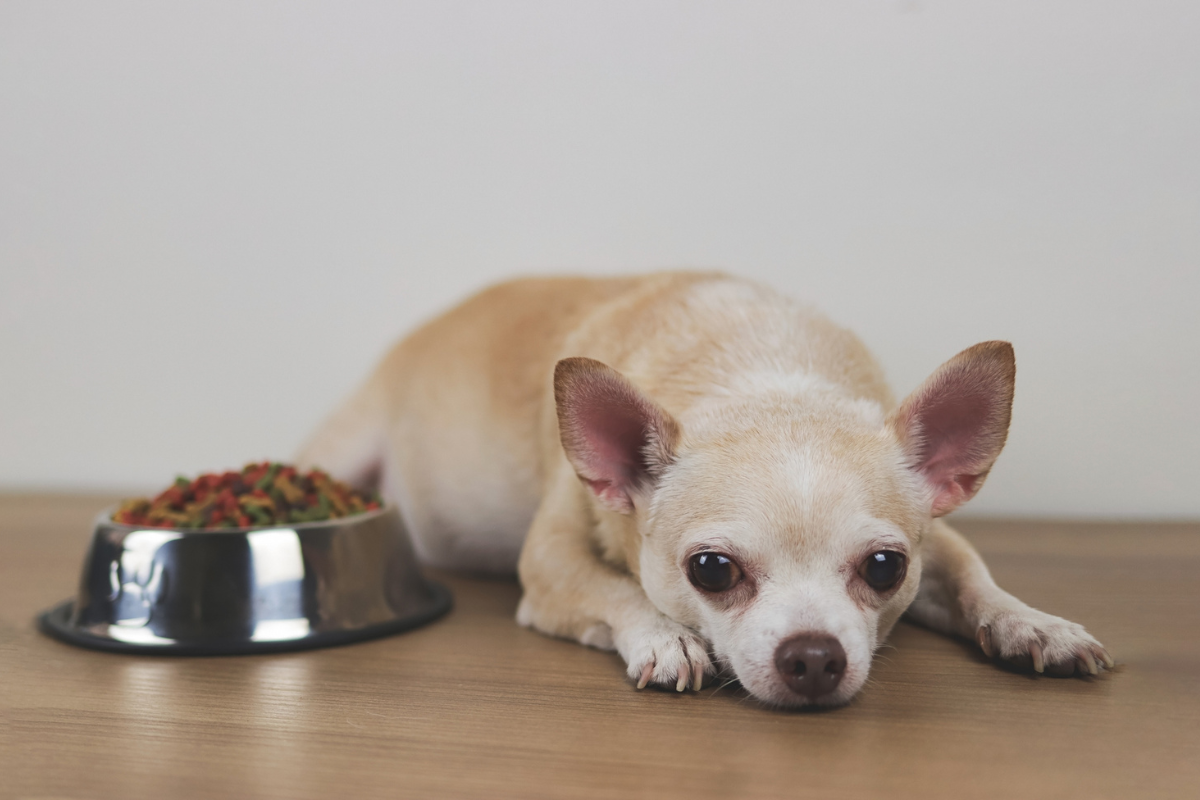
Behavioural reasons your dog may be eating less
Not every appetite change is linked to illness. There are several behavioural reasons why a dog may become less interested in food. See them all here.
- Routine changes – Moving house, travelling or adjusting to a new environment can leave some dogs feeling unsettled for a few days.
- Owner separation – Dogs who experience separation anxiety may avoid eating until their favourite human returns home.
- Learning history – Some dogs learn that refusing their usual food leads to tastier alternatives being offered.
- Ageing – As dogs get older, they may naturally eat less due to reduced activity levels or age-related changes.
Once health concerns have been ruled out, another possibility is that your dog has simply become less enthusiastic about eating the same food every day.
Why boredom may be behind your dog's pickiness
Often your dog isn’t being ‘stubborn’ or ‘fussy’ for the sake of it. For some dogs, repeatedly eating the same food every day may contribute to a lack of enthusiasm at mealtimes. The solution may be to feed them natural food, as scents and textures of real food can stimulate their appetite in ways that processed food can’t.
Tips to encourage your dog to eat
While your dog may simply not be in the mood or state to eat, there's plenty you can do to encourage them.
- Add tasty toppers like bone broth, sprinkles or natural treats and mix it into your dog's food.
- Try to feed your dog at the same time each day, so they start to anticipate mealtimes.
- Offer small amounts instead of a full meal, so when a dog isn't feeling up to it, they can eat a little and come back for more if they want it.
Could a change of diet help?
If you've tried these approaches and your dog still isn't showing much interest in their food, it may be worth considering whether a different type of diet could help.
Some owners choose raw dog food because it offers a wide variety of ingredients, textures and natural aromas that can make mealtimes more appetising.
Many owners look for recipes with fewer unnecessary additives and ingredients when trying to encourage a picky eater.
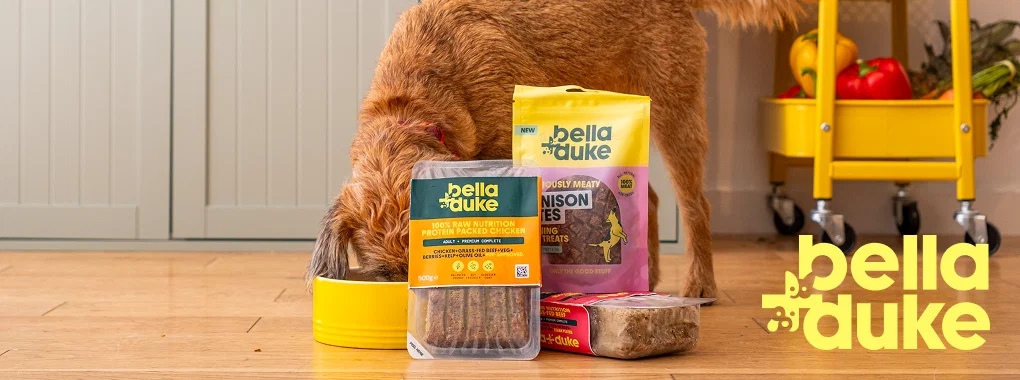
Bella and Duke’s raw dog food is rated the best in the UK and tailored for your dog. You tell it things like their breed, age and weight, it recommends the best food for them and recipes will be delivered straight to your door at a frequency that suits. All recipes are certified by Rawsafe and UK Pet Food, and there is a range of protein options to satisfy even the pickiest tastes.
Get 50% off box one, 50% off box 2 and 20% off box 3*
*Offer may be subject to change, please see full terms and conditions.

