
Anxiety in dogs isn't always as obvious as shaking, whining or hiding. Sometimes symptoms are subtler and can be mistaken for bad habits, stubbornness or even normal behaviour.
Below we'll explain why your dog might be feeling anxious, the signs most owners might miss and how you can make them feel a little more comfortable.
Anxiety doesn't always look like anxiety
When seemingly normal behaviour could be something else
Much like humans, dogs don't always express their anxiety in ways that are immediately obvious. Some may express their discomfort through restlessness, others through clinginess, many may act only a little strange.
Here are some subtle behaviours that anxious dogs may display, according to the Dog's Trust:
- Turning head or body away
- Lip-licking
- Yawning
- Pupils dilating
- Ears pulled back
- Eyes narrowing or whites of eyes showing
- Sudden freezing
- Looking for reassurance
- Tension in body and face
- Acting strange, appearing 'quiet' or 'sad'
See practical ways to help your dog feel more comfortable
Surprising triggers you may not have considered
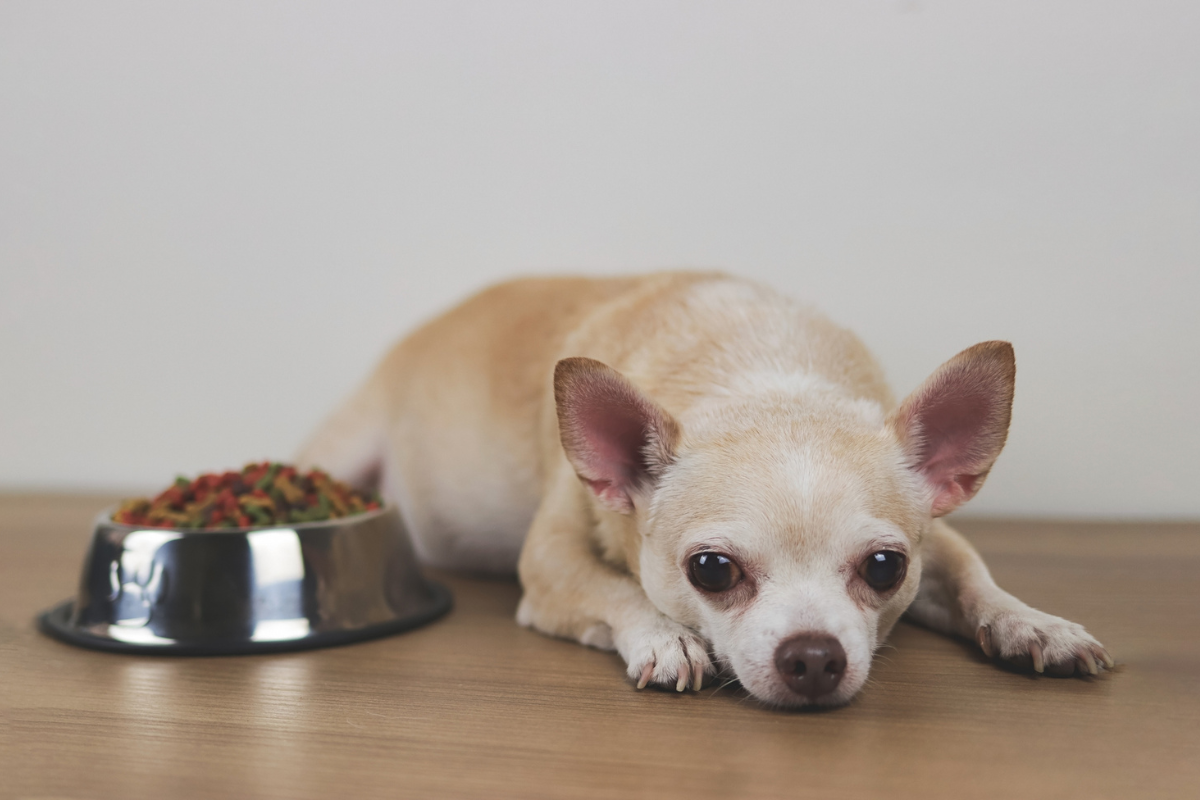
Many owners only associate anxiety with fireworks or being left home alone, but other triggers can be just as distressing and even harder to spot:
- Routine changes – Moving house, travelling or adjusting to a new environment can leave some dogs feeling unsettled for a few days.
- Owner separation – Dogs can experience stress when their owners take a trip away from home.
- Unfamiliar environments or people – Some dogs may become unsettled in a new space or when unfamiliar faces are present.
- Pain and discomfort – Anxious behaviours may be linked to underlying health issues.
- Discover support for everyday stressful moments.
When should you be concerned?
Occasional yawning or lip licking is perfectly normal. However, if these behaviours occur consistently, across multiple situations, or appear alongside changes in appetite, sleep, activity levels or confidence, it may be worth visiting your vet.
Tips for calming a stressed dog
While some stressors can't be avoided, there are some simple ways you can make them feel more secure.
- Kickstarting your dog's day with 30 minutes of exercise is a winning strategy to combat separation anxiety. This way they'll be more ready for a nap and mealtime once you've returned home.
- Mix up your departure, so your dog doesn't get quite as used to your usual routine.
- When you leave, keep the tone upbeat and cheerful. This can reshape their relationship with separation and make it a more positive moment.
Could routine support help?
While identifying triggers is important, stressful situations can't always be avoided. Car journeys, unfamiliar faces and environments, all can lead to temporary moments of stress for dogs.
Zesty Paw’s Easy Calm Rapid Care Paste is a situational support designed to promote relaxation.
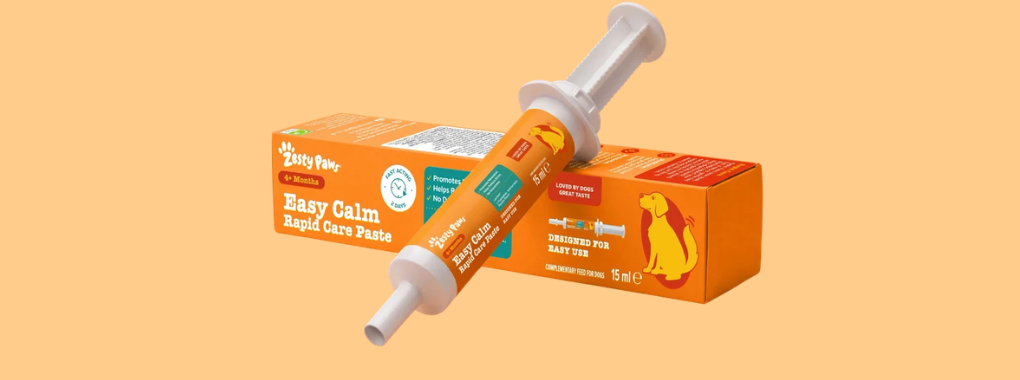
It's an easy-to-administer paste that you can mix into food or treats, which is suitable for dogs from 4 months old.
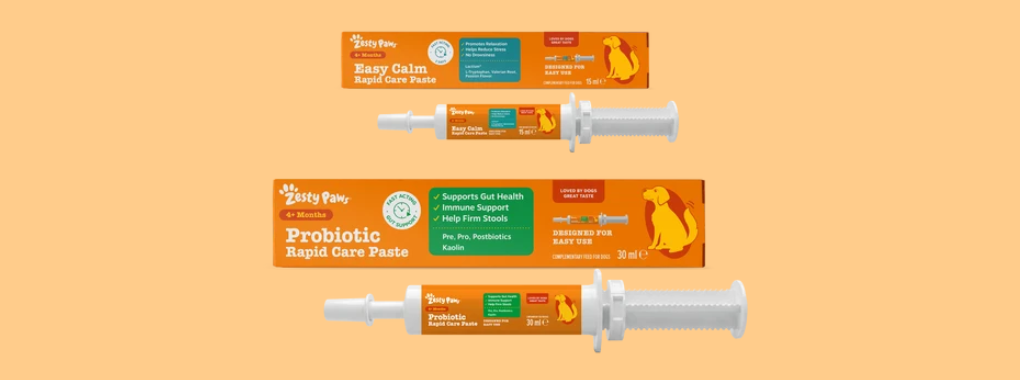
If you're also looking to keep your dog's digestive health in mind, the Rapid Care Duo pack combines both the Calm paste and Probiotic Rapid Care paste into a discounted bundle. Again, they are both suitable for dogs from 4 months old.

