

Many owners assume anxiety in dogs is triggered by obvious events such as leaving the house, fireworks or thunderstorms.
But some causes of anxiety in dogs are often hidden in everyday life. Many overlooked details can actually make your dog feel a little unsettled, like routine tweaks or new daily activities you might have introduced, thinking that it was doing more good than harm.
- The surprising reasons why dogs eat grass
- Why do some dogs need a little encouragement at mealtimes?
Below we'll explore some of the surprising reasons why your dog might be feeling anxious and a few practical ways to help make them feel a little more comfortable.
Anxiety isn't always caused by obvious triggers
When your dog's stress could stem from everyday life
"Sometimes dogs aren't being difficult. They're communicating uncertainty, discomfort or stress in the only way they know how," says ICAN certified Animal Behaviourist Caroline Wilkinson.
It's commonly known that dogs may become anxious by loud noises or separation from their owners, but there are other subtle factors many don't consider:
- Changes to routine or environment
- Poor early socialisation
- Travelling or unfamiliar surroundings
- Age-related changes
- See more causes of anxiety in dogs
When should you worry?
Occasional nervousness is normal, but if anxiety starts affecting your dog's appetite, behaviour or ability to relax, it's worth speaking to your vet. Similarly, any sudden or dramatic behavioural changes should be investigated.
Why boredom could be playing a bigger role than you realise
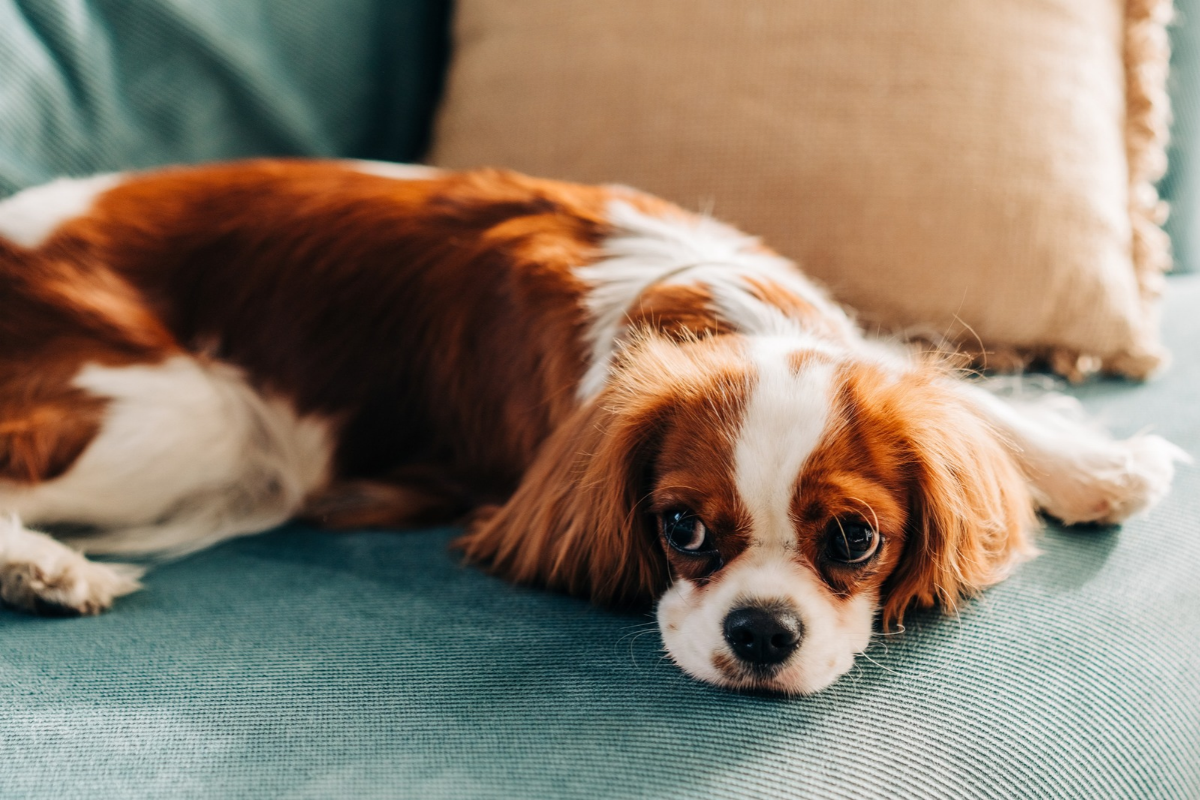
It's extremely important that dogs enrich their minds outside of routine walks. Exploring new places, sniffing interesting scents and solving simple challenges are all examples of mental enrichment.
If dogs don't get enough mental enrichment, they may look for other ways to stay occupied. This can manifest in stress behaviours like digging, eating grass or other unusual habits.
Dogs can't always communicate their anxiety clearly
Much like us, dogs don't always communicate their anxiety through obvious behaviours.
Some may become clingier, reluctant to eat or seem uncomfortable in situations they previously enjoyed.
However, it is worth noting that some dogs behaviours are obvious signs of anxiety, like shaking, pacing or hiding.
Consider their physical wellbeing
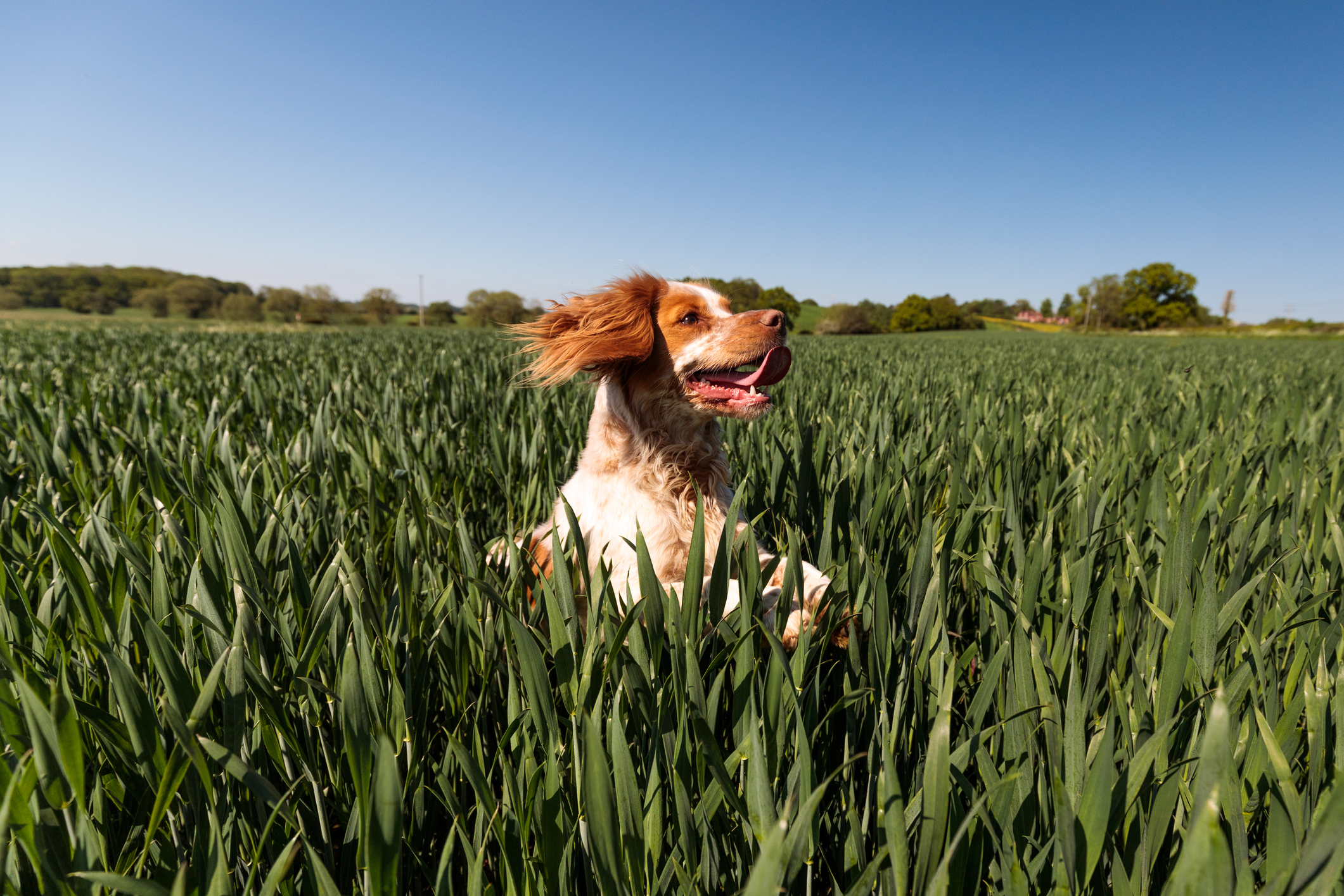
It's also important to remember that anxiety may stem from underlying health issues, as opposed to changes in their environment.
Some causes include:
- Dental issues or tooth pain
- Stomach upsets
- Illness or infection
- Age-related health changes
If you're concerned about an unexplained change in your dog's behaviour, it's worth seeking medical advice.
Quick tips to help your anxious dog feel more settled
Taking everything on board, here are some things you can try to help your dog feel more comfortable:
- Maintain a consistent daily routine
- Create a safe, relaxing environment for them
- Provide them with regular exercise and mental stimulation
- Use positive reinforcement to build confidence
- Introduce routine adjustments gradually
- See all tips
Could improving your dog's diet help?
We've discussed factors such as exercise and environment as part of your dog's overall wellbeing, but diet should be worth considering, too.
A dog's nutrition plays a part in this overall wellbeing, which is why many owners choose to swap their dogs to a more natural, wholesome diet to support them.
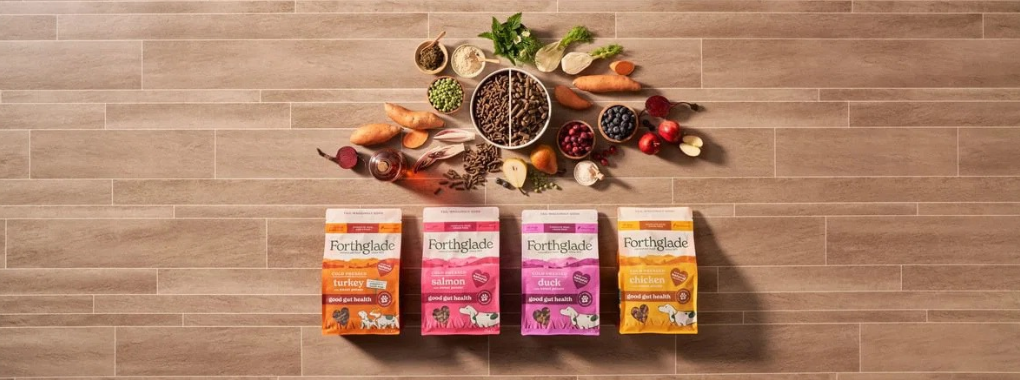
Forthglade has been making natural dog food in Devon since 1971. It's range includes an award-winning wet food selection (including grain-free options), recipes for specific dietary requirements like sensitive skin and hypoallergenic dogs, as well as a questionnaire service that helps tailor to a wide range of dog breeds and other feeding preferences.
Forthglade's Calming Dog Treats, made with botanicals including chamomile and lemon balm, are also designed to gently support relaxation.
Explore Forthglade's natural dog food range*
*All recipes developed by pet or veterinary nutritionists and meet FEDIAF guidelines.

