
Ravens are fascinating creatures. In different cultures, they have significant meanings and beliefs. Some see them as all-knowing, some as representations of gods, and some see them as tricksters.
Interestingly, the latter holds some truth. Despite their intimidating reputation, ravens are surprisingly mischievous. They are smart and like to play games, both with each other and with humans.
Research has built over the years that connects ravens to the act of play. Young ravens are amongst the most playful of bird species, having been caught sliding down snowbanks for the pure sake of fun.
They’ve been known to engage in games of catch-me-if-you-can with dogs and wolves. They’re also fans of aerobatic displays, soaring into the sky and performing loops and tricks.
Most interestingly, they are one of just a few animals who have been known to make toys, breaking off twigs to play with other ravens. When not using toys, ravens will play wrestle, tug at objects and play in surprisingly human ways.
In a 2025 study, scientists analysed 3,257 observations of 163 individually marked birds. They found that young ravens played more than older birds, with this interest declining over years. However, adult ravens did also play, just a lot less.
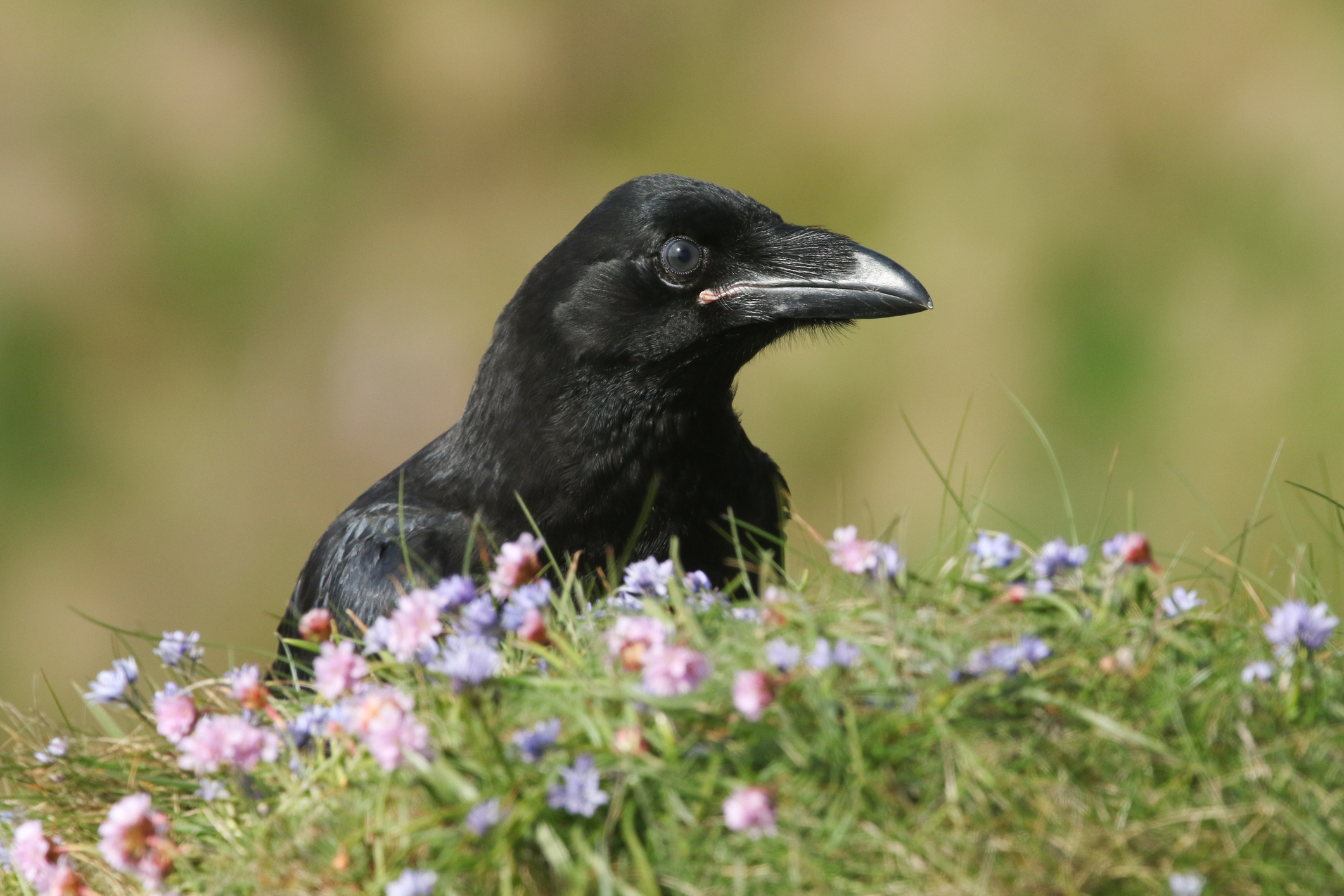
Novel objects were found to hold their interest for longer. This supports the idea that play helps ravens explore and learn about their surroundings.
It isn’t exactly clear why ravens love to play games so much, but it could well be to do with their intelligence.
In some challenges, ravens perform as well as great apes, particularly in tasks of memory or planning. Compared to other animals, they are surprisingly good at interpreting social situations.
They can remember individuals and even past interactions years after they have occurred.
One study even found that they can change their behaviour according to whether another bird has witnessed them hiding food.
While these traits are normally used to bond with each other, ravens have also been known to play tricks or manipulate.
In a 2004 study, a raven repeatedly led a dominant competitor towards places where there was no food, giving itself a head start for actual food. In another study, ravens hid inedible objects and learned which human observers tended to steal them. They used this experience to decide where exactly to hide food.
Essentially, ravens are surprisingly human in the ways they socialise, play and learn.
