

Camping in the UK often relies on adaptability. We plan around the forecast, pack for four seasons in a day, with full awareness that the best views and trails are often accessed via uneven ground and accessorised with muddy boots, topped off with a long walk back to the car.
But a growing number of us have been changing how we camp – by taking our tents to new heights.
Roof top tents, once a luxury travel addition for long-distance expeditions, are now appearing across UK campsites, farm stays and coastal car parks. And British brands like RoofBunk are helping make them simpler, more affordable and better suited to how people actually explore the UK countryside.
Discover the full RoofBunk range at the RoofBunk website.
What is a roof tent – and how does it work?
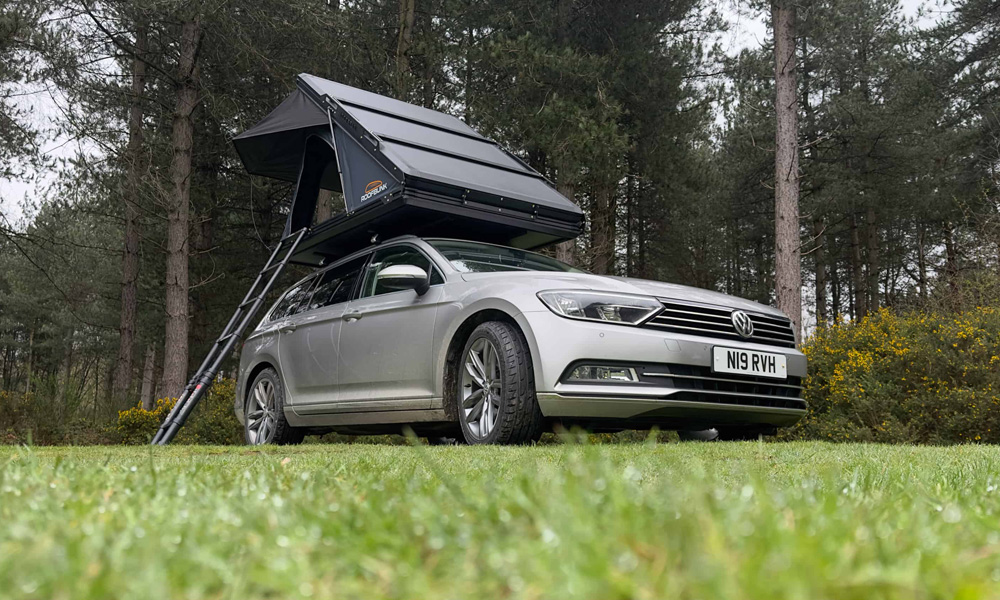
A roof tent mounts directly onto your vehicle’s roof bars, creating a raised sleeping area on top of your car. Instead of pegging into the ground, the tent folds or pops open once you’re parked, using your vehicle as its base.
There are two main types of roof tent:
• Soft shell roof tents: Fold out using a hinged platform and take around five minutes to set up
• Hard shell roof tents: Open with gas struts in as little as 30 seconds (but take a bit longer to put away)
Cosy by nature
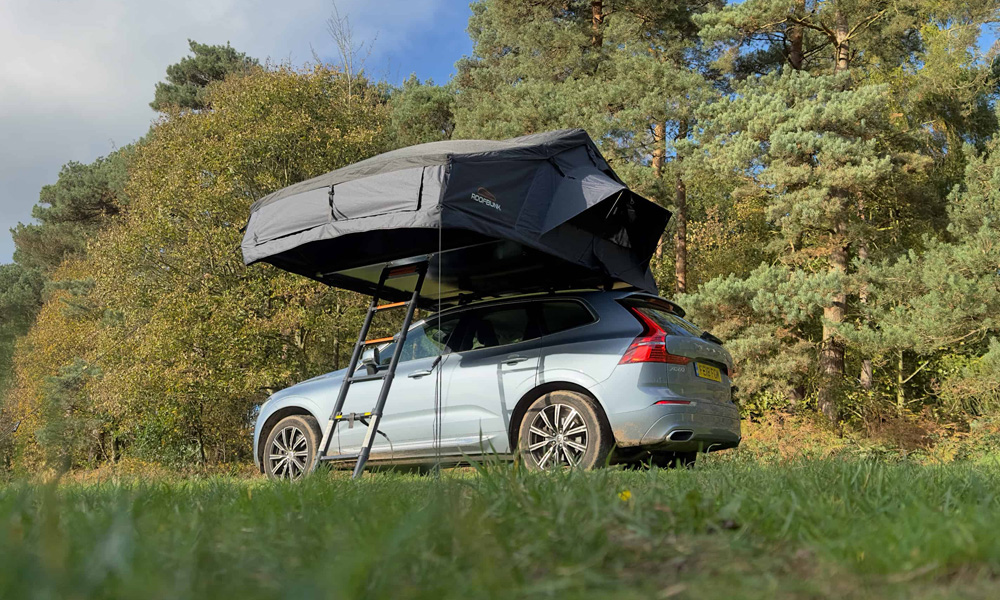
The main advantage of roof tents is comfort. Due to the integrated memory foam mattress, there’s no need for inflatable beds or roll mats, plus the solid, level platform means you don’t have to worry about what’s happening on the ground below – so no more waking up to a soggy surprise after a night of heavy rain.
Being elevated also makes a noticeable difference to temperature. The thicker canvas used on roof tents, combined with insulated hard shells on some models, helps retain heat far better than standard tents. In a country where summer evenings can still bring a wintery chill, that extra warmth can make all the difference to a good night’s sleep.
Pitch late, pack fast
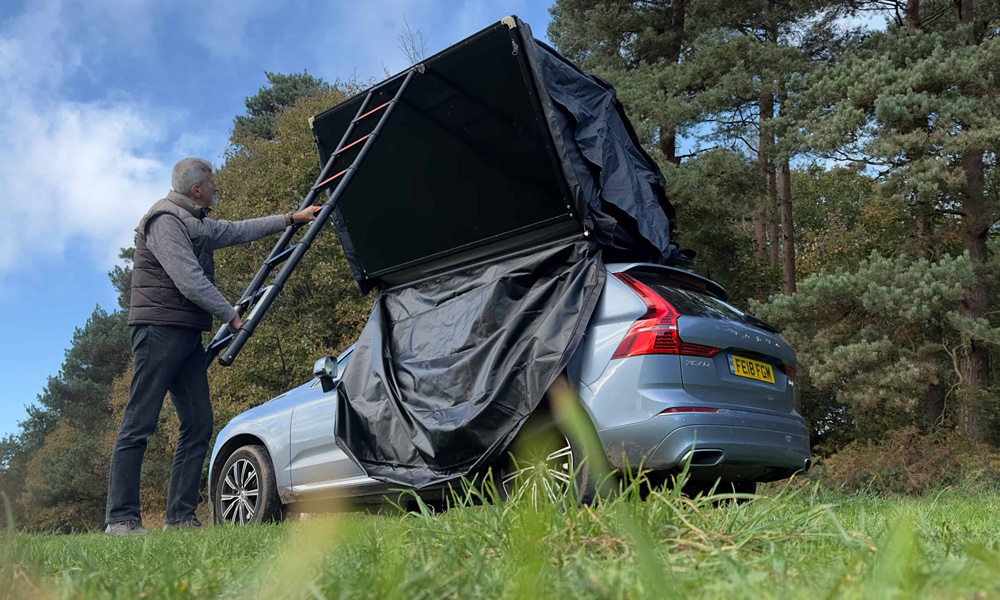
For those who like to arrive late or leave early – to fit in a long walk on the coast or beat an incoming storm – setup times matter. And while traditional tents can take 15-30 minutes to pitch and pack away, roof tents reduce that significantly.
Many models allow bedding to stay inside when folded down, meaning you can pack up quickly without stuffing damp sleeping bags back into the boot. That ease and simplicity is one of the reasons roof tents have become popular with short-break staycationers and those who like to move locations frequently.
What vehicles are roof tents compatible with?
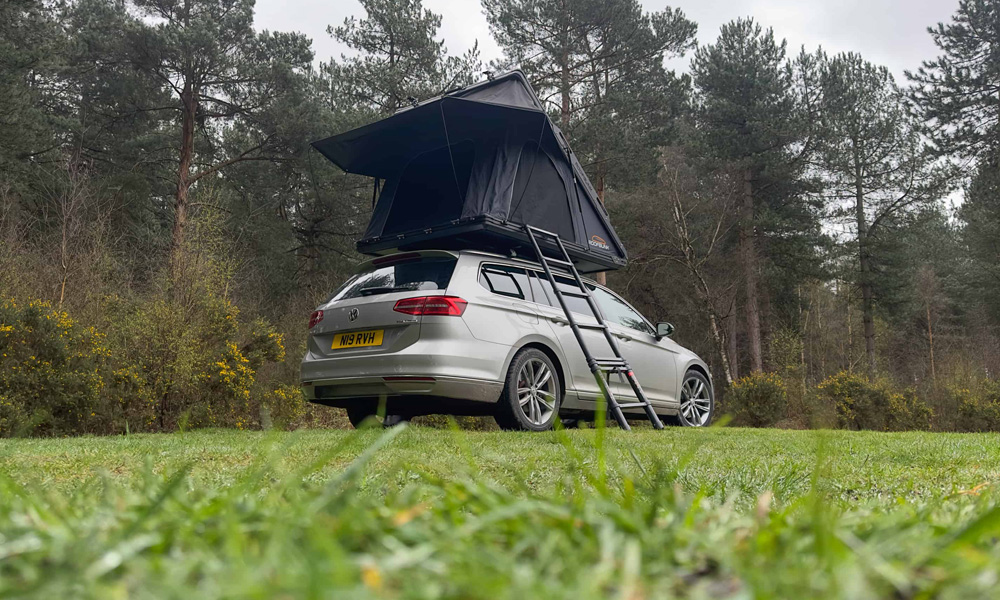
A common misconception is that roof tents are only for large 4x4s; in reality compatibility depends more on roof load limits than vehicle size. Lightweight two-person soft shell models can be fitted to many hatchbacks, while larger family-size tents are better suited to estates, SUVs and vans – often acting as a practical alternative to a pop-up camper roof.
RoofBunk designs a range of sizes to suit different vehicles and travel styles, making it easier for people to work with the car they already own rather than upgrading to a campervan.
Stop where the landscape leads
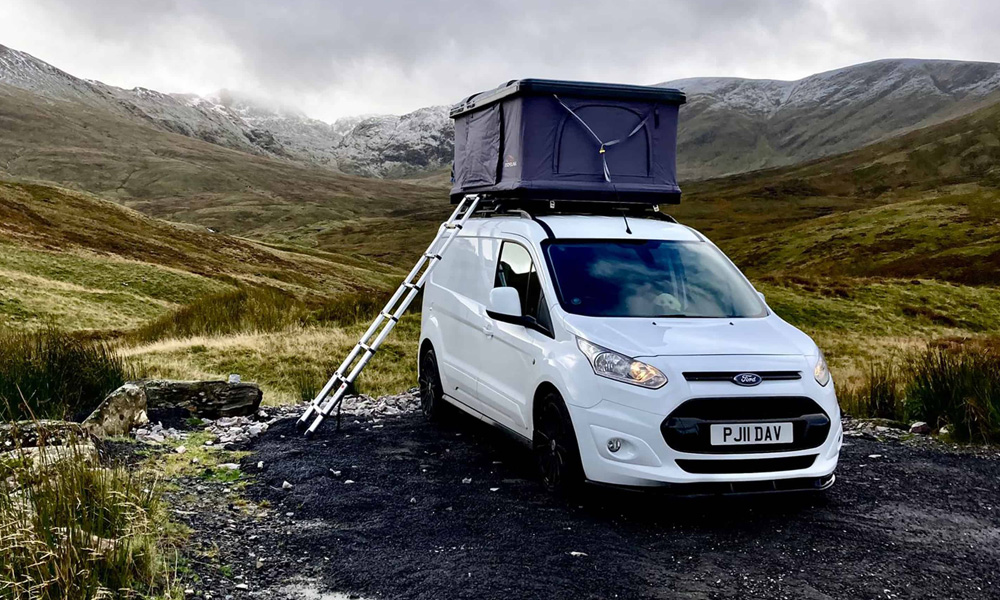
Perhaps the biggest appeal of roof tents is the freedom they offer. You don’t need perfectly flat, dry ground, and you can still pitch up on rocky terrain. While you’ll always need the landowner’s permission to park up and set up camp, you’re far less restricted by the ground conditions once you do.
Roof tents sit neatly between traditional camping and full campervans – offering extra comfort and convenience without losing the closeness to the outdoors or the flexibility that comes with travelling with muddy boots and four‑legged companions.
Made for exploring
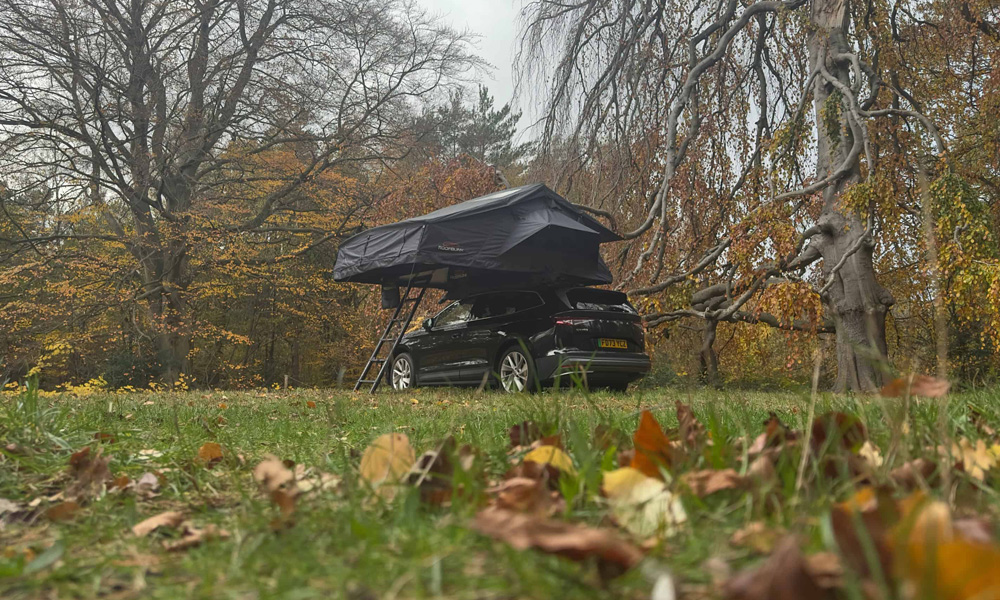
RoofBunk is a British roof tent brand with six years’ experience designing practical, well‑built tents for UK travel. Focused on durability, comfort and value, RoofBunk aims to make roof tent camping more accessible – helping more people turn the car they already own into a capable camping companion.
Discover the full RoofBunk range at the RoofBunk website.
