
A host of long-cherished customs survive across our islands – some widespread, others distinctly local. Alexandra Chidley-Uttley explores the most curious and persistent British traditions.
Weird British superstitions and rituals
Saluting magpies

This centuries-old practice is still common across the British isles in rural and urban communities alike. The magpie is commonly associated with death – perhaps because, legend says, it was the only bird that did not weep at Christ’s crucifixion.
A solitary bird is said to bring bad luck when approaching from the left, but good fortune when coming from the right. As the old nursery rhyme about the number of magpies seen tells us: “One for sorrow, two for joy.” To ward off potential misfortune, salute a single bird with the words: “Good morning, Mr Magpie, how’s your wife today?”
Mari Lwyd

In a seemingly rather macabre Welsh custom of midwinter, dating back to at least the 17th century, possibly much earlier, a horse’s skull adorned with ribbons is carried around a town or village by a troupe of candlelit singers.
Usually heading out between Christmas and Twelfth Night, Mari visits houses to engage in a bout of Pwnco – a poetic exchange or rhyming duel. If she wins (and she usually does), she enters the home to claim a drink. The event represents a unique style of wassailing and a wonderfully eerie ritual that has experienced a joyful revival in recent years.
- Why is it unlucky to leave Christmas decorations up until 6 January? The Twelfth Night superstition explained
- Horse skulls and onion-induced dreams: the quirky British Christmas traditions you should try this year
Lychgates as thresholds

The roofed gateway at a churchyard entrance, the lychgate – from the Old English lic, meaning corpse – marks the threshold to sacred ground. Here coffins were set down before burial, and English folklore has it that the spirit of the last soul buried in a graveyard stands sentinel in the lychgate until the next body arrives.
Many were restored during the Victorian Gothic revival period and they remain a symbol of transition between life and death. Many communities still honour their spiritual significance by decorating lychgates for festivals and weddings.
Green Man

In recent years, the Green Man – an ancient symbol of the spirit of nature, depicted as a face emerging from foliage – has gained a near cult following. In Shropshire, for example, Clun’s annual May festival has come to be devoted to the Green Man. Considered by some to be a symbol of rebirth, the Green Man’s origins are unclear, but the face has been used as a decorative motif since Roman times.
Irish banshees

For centuries, the banshee – a long-haired female spirit with red eyes, a green dress and grey cloak – has been a haunting figure in Irish folklore, her piercing wail foretelling the imminent death of a family member or, in rural farming communities, hardship to come. Sparking fear with her cries, she symbolised a powerful connection to ancestry and mortality. Today, the banshee is a cultural icon.
Scottish farming superstitions
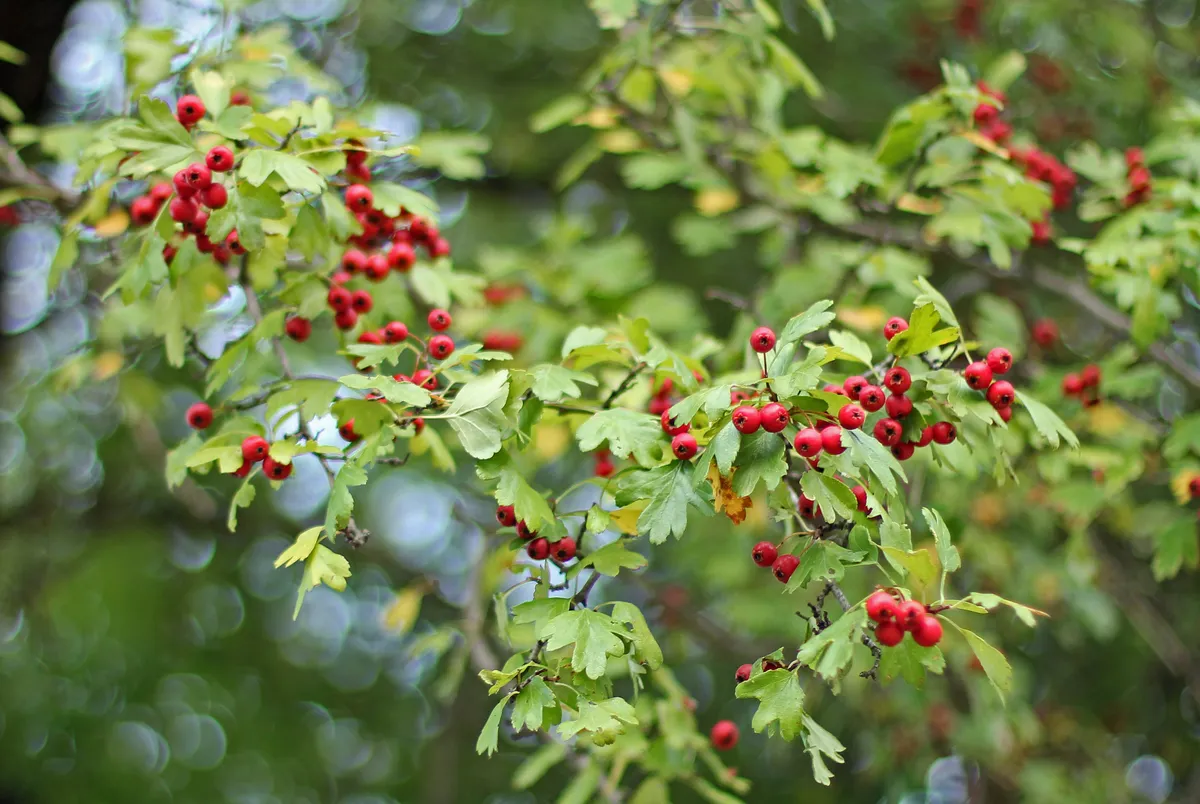
In Scotland, ancient farming customs combined with ritual superstition to create a range of traditions. Cattle were ‘sained’ for protection: driven through smoke from fires to ward off misfortune. Farmers feared the ‘faery’ hawthorn tree, believing it hosted ill-willed spirits, and would never cut down or uproot one. Sickles might be left out on Midsummer’s Eve as an offering to the faeries.
Discover more folklore from around the UK
- This monstrous hellhound is thought to have inspired Dracula – discover the legend of Barghest
- “My daughter looked up and caught a hot coin in the eye.” Discover the bizarre rural tradition that hides a sadist and sinister history
- This Irish town captures a mountain goat every summer and crowns it king. Here’s why
- Hunting drunken earls, sending vinegar Valentines and beating boys with nettles: Britain’s weirdest laws and bizarrest traditions revealed


