

Britain's living history: where to walk among ancient trees
Step into Ashenbank Wood in Kent and you walk into layers of history. At its heart stands a Bronze Age barrow dating back between 2400 and 1500 BC, while a medieval, and potentially even older, wood bank still traces its way through the woodland. Over centuries, this ancient woodland has evolved from a landscape of fields, rough grazing, heath and wood pasture into a thriving woodland habitat.
From Balmacaan Wood in the Scottish Highlands to restoration sites across England and Wales, the UK boasts a remarkable heritage of ancient woodland. According to the Woodland Trust's Ancient Woodland Inventory, there are more than 52,000 ancient woodland sites in England alone.
These irreplaceable habitats support an extraordinary range of wildlife and are where many of our most memorable woodland moments happen, from spotting a red squirrel for the first time to discovering a woodland carpeted in bluebells or unexpectedly encountering a rare bird along a trail.
The older, the better: why ancient trees matter
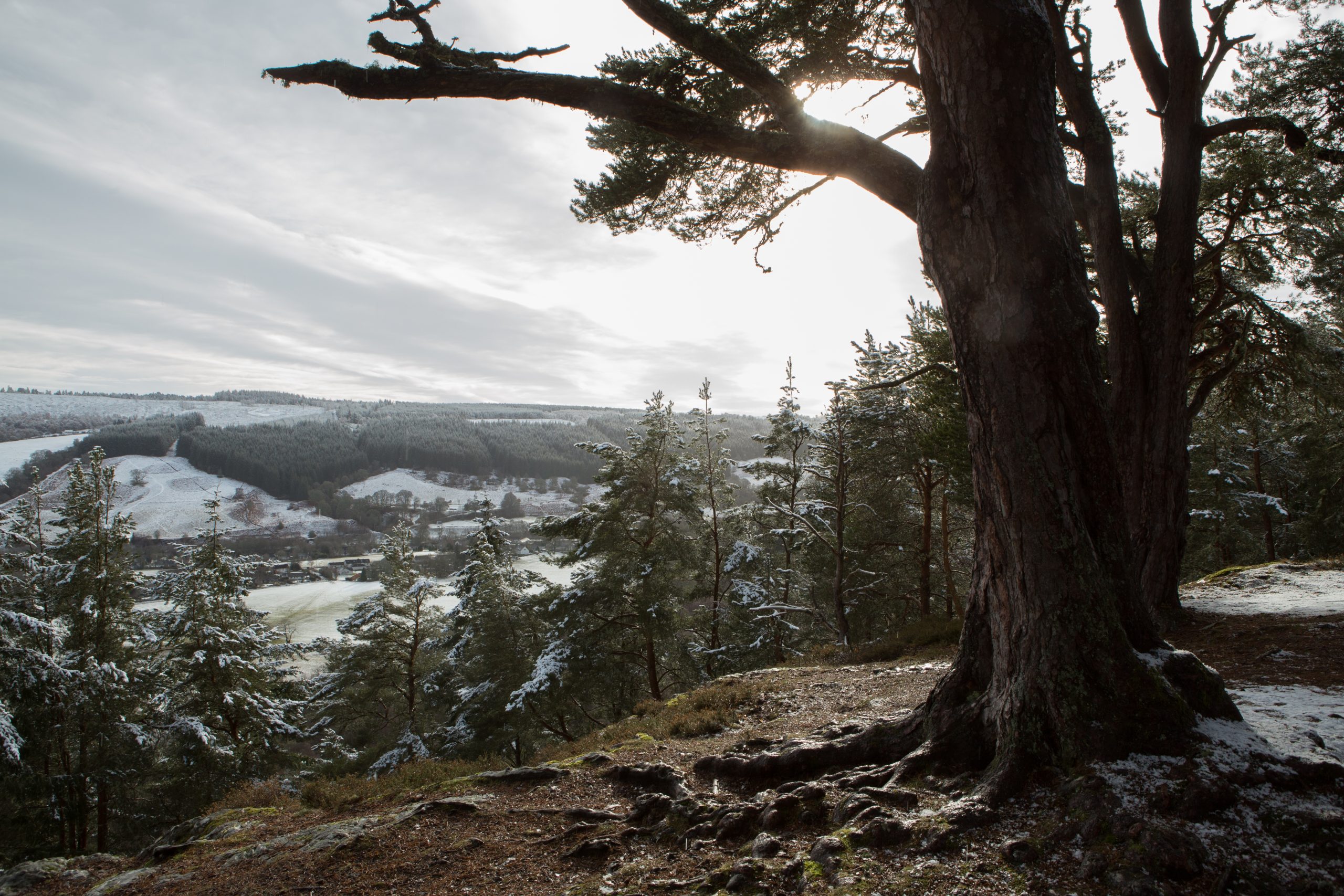
The vandalisation of the Sycamore Gap and the felling of Whitewebbs Oak in Enfield in recent years caused an outcry. Both were beloved and irreplaceable, but they weren’t just living pieces of history. The Whitewebbs Oak was estimated to be around 500 years old when it was felled, but it was alive – green shoots were found among the discarded branches – and it had been home to a rich diversity of wildlife.
Ancient trees are entire ecosystems in their own right, with countless species dependent on their decaying heartwood and bark. As well as helping to offset climate change by storing huge amounts of carbon, older trees often provide richer environments for wildlife to thrive, supporting everything from birds and bats to beetles and fungi, and the memorable moments that come with witnessing them.
The Woodland Trust is the largest woodland conservation charity in the UK. It looks after more than 1,000 woods across the UK, with around 350 of them containing genuine ancient woodland. It works to protect ancient woods and trees, conserving irreplaceable habitat, nature and carbon stores, while creating healthy, vibrant new woodland, too.
Discover how you can help support the Woodland Trust and become a member today.
Where to find Britain’s ancient trees
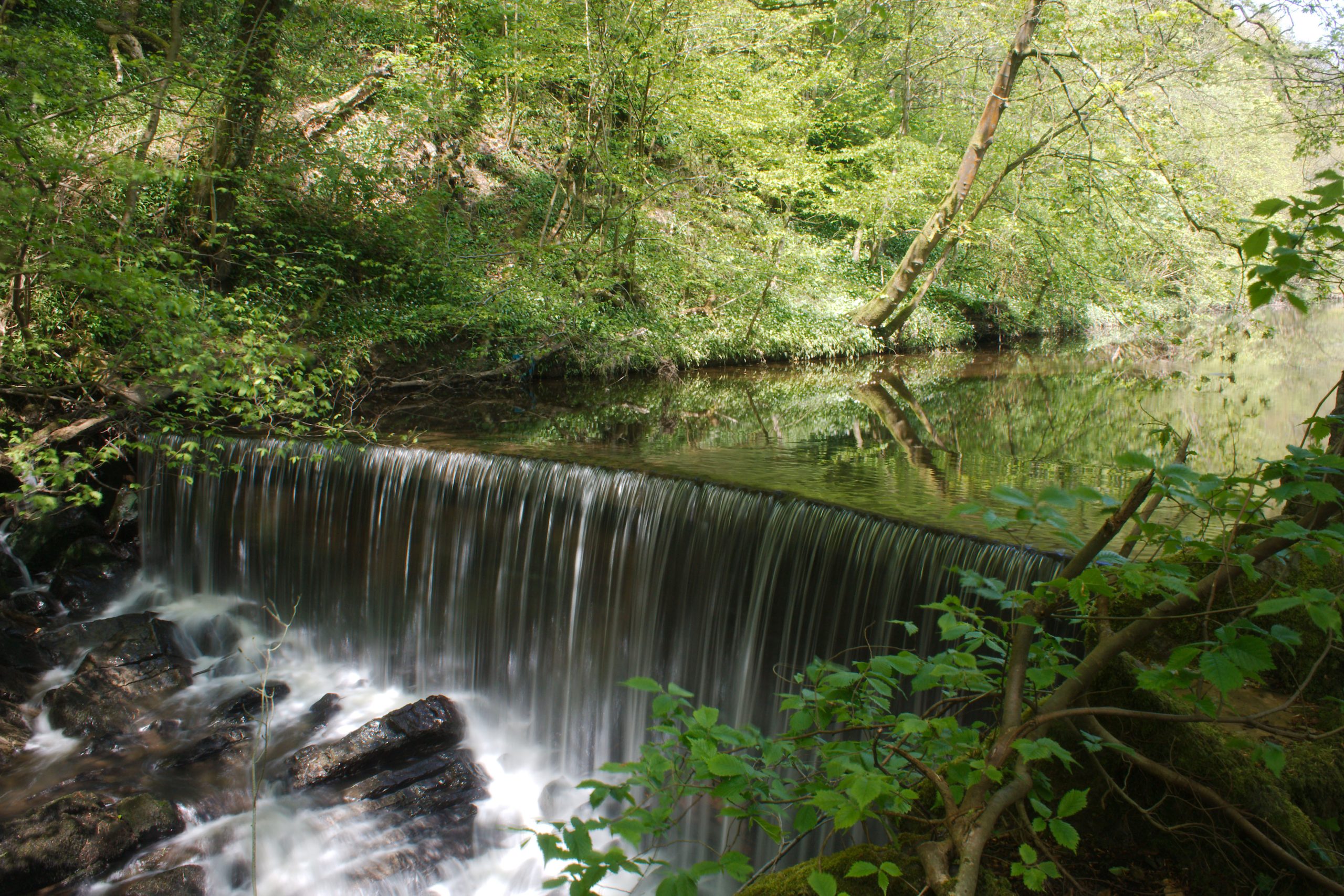
Ancient trees are not always part of huge forests. They might stand alone in urban areas or gather in a small spinney. Some woodlands are modest in size, like Skipton Castle Woods near the medieval castle of Skipton, which measures 15 acres and sits just 15m from the high street.
Bigger ancient woodland sites offer more to explore. Hainault Forest, also managed by the Woodland Trust and thought to be part of the ancient forest of Essex, spans 167 acres of ancient wood pasture. Walk among the stately oaks and hornbeams, and watch for the flash of orange as a firecrest darts between branches. Lucky birdwatchers may catch the call of a nightingale or turtle dove in early summer, or experience the magic of walking through a carpet of bluebells in spring.
Walkers and explorers looking for ancient woodland in the north should head to Coed Felenrhyd & Llennyrch – a rare, magical Atlantic oak woodland, and one of the largest managed by the Woodland Trust in North Wales. Eryri’s grandeur can be seen to the north, with the rugged uplands of the Rhinog mountains to the south. The oakwoods of Meirionnydd are important for the rare lesser horseshoe bat, and a Sunday stroll through the wood might grace you with a glimpse of ravens nesting on the gorge cliffs, while otters hunt along the river.
The Woodland Trust predicts there are over 2,000,000 ancient, veteran and notable trees in England, and with the help of volunteers, it’s growing its Ancient Tree Inventory, which currently holds 233,200 records. Visit the inventory and search by postcode to discover your nearest site.
Protecting our ancient woodland
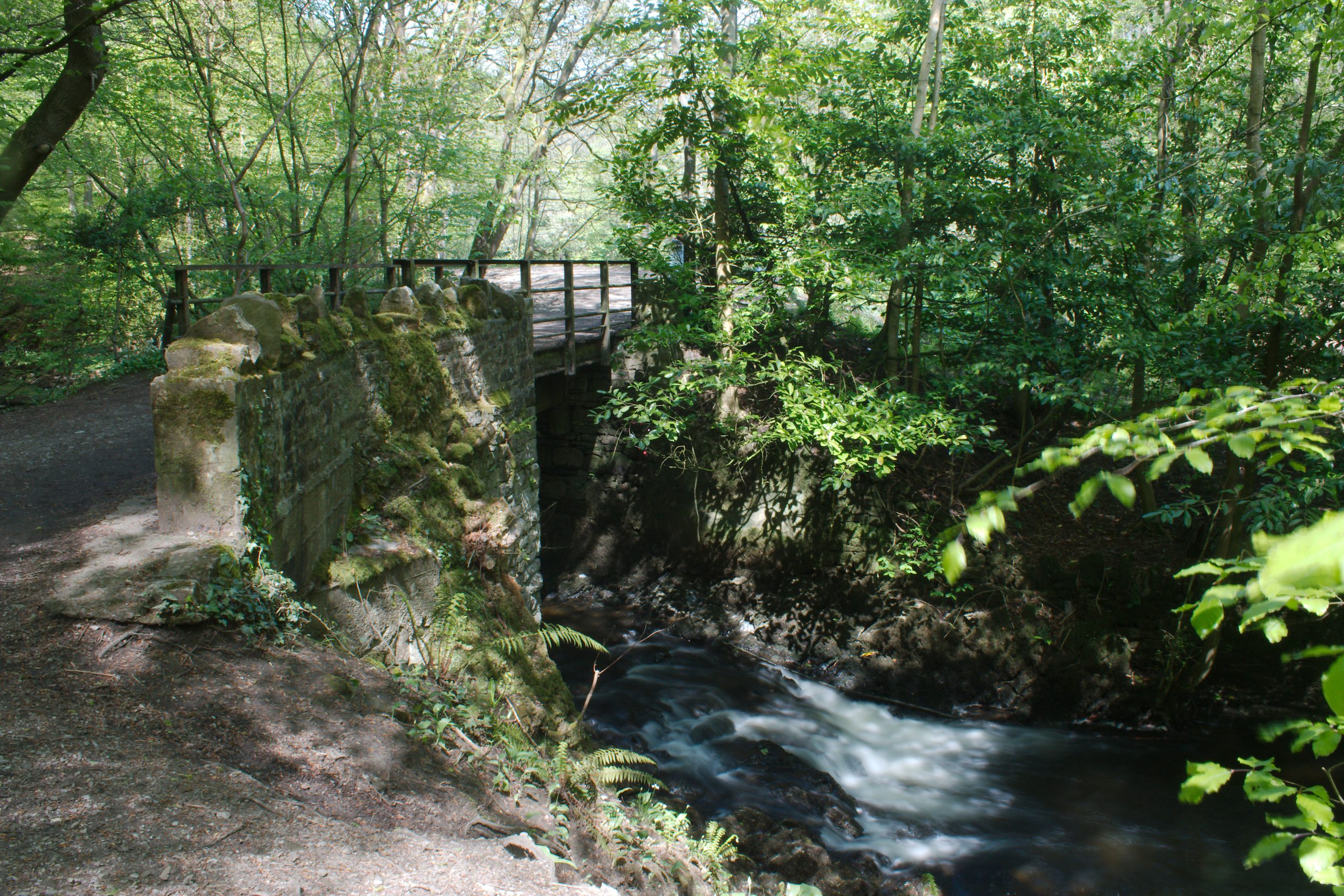
The distress caused by the destruction of the Sycamore Gap and the Whitewebbs Oak reflects the depth of public support for protecting our ancient trees. A recent YouGov poll revealed that 88% of the population support legally protected heritage status for ancient trees.
Ancient trees are rich in carbon stores and wildlife, which is why protecting them for the future matters – and why now matters too. Our ancient woodlands are places where we make special memories: muddy walks with kids and dogs, weekend strolls spent spotting Britain’s unique birdlife, wintry hikes that make the season so special.
The Woodland Trust protects these magical moments by ensuring the woods are there for everyone who needs them. It protects, restores and creates woodlands across the UK, and fights for a greener, healthier planet for people and wildlife.
It can only continue this vitally important work with the help of its community of more than 250,000 members. From just £4 a month, you can join the mission and help save the woods where moments like these begin.
Discover how you can help support the Woodland Trust and become a member today.
