

Whether you're heading off on a countryside walk, relaxing on the coast, or navigating scree on a trail run, staying hydrated is important when you're spending time outdoors. The problem? Not all hydration advice is as straightforward as it seems.
For most healthy adults, the usual advice is to drink around six to eight glasses of fluid a day, but how much you need can vary depending on factors such as the weather and how physically active you are. And these general guidelines don't apply to everyone – children, older people and those with certain medical conditions may have different hydration needs.
Here are three hydration myths worth leaving behind this summer.
1. You can never drink too much water
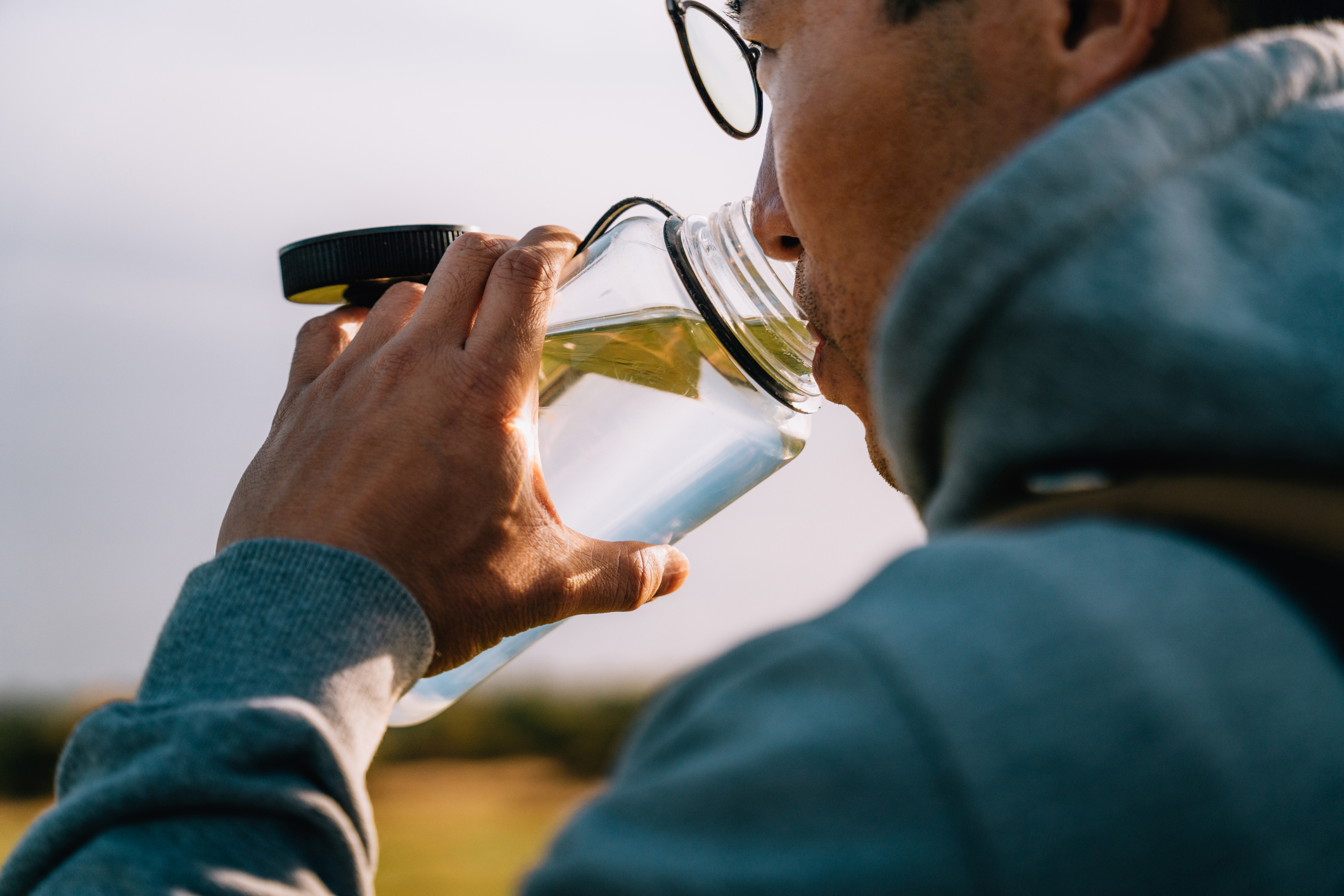
While dehydration attracts most of the attention, it's possible to drink too much water in a short space of time.
While overhydration requires drinking amounts of water, it can affect the sodium levels in your blood. Symptoms include feeling sick, vomiting and headaches. In severe cases, dangerous low blood sodium (or hyponatraemia) can be life-threatening.
For most people, it's not something to worry about, but it's a useful reminder that hydration has nothing to do with drinking water as much as possible.
2. Everyone needs electrolyte drinks
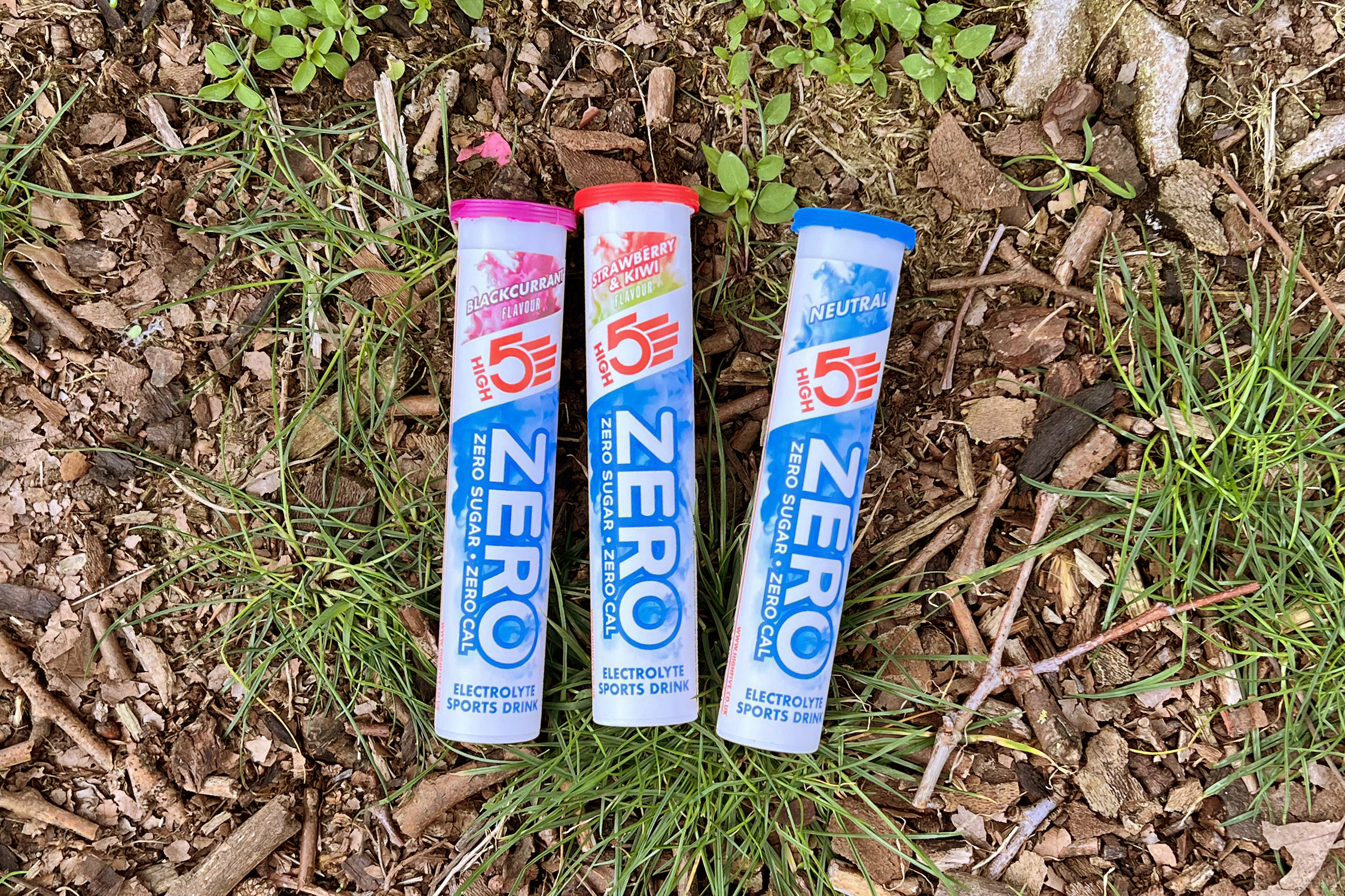
For the vast majority of us, "drinking electrolyte-enhanced products is totally unnecessary" says dietitian Nichola Ludlam-Raim in this BBC piece. For most people, electrolyte drinks aren't necessary for everyday hydration.
If you have lost excessive amounts of fluid to strenuous exercise or illness then an electrolyte drink's sodium content can help the body better absorb and retain fluid than water.
All in all, a balanced diet is more than enough to get the electrolytes an average person needs.
3. Tea and coffee dehydrate you
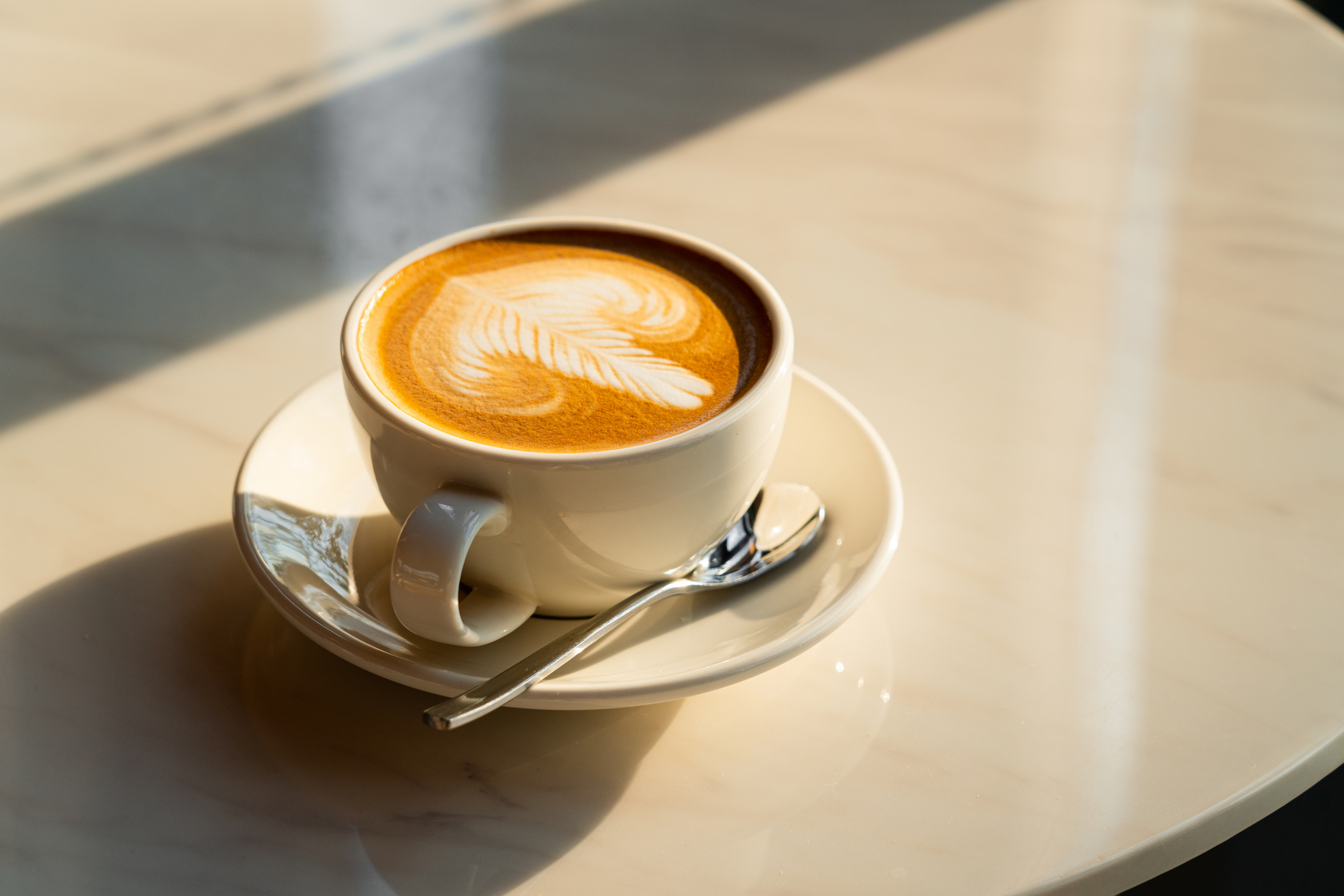
While caffeine can have a mild diuretic effect (causes kidneys to create more urine), the fluid in tea and coffee still counts towards your daily intake.
For regular tea and coffee drinkers, the fluid they contain still contributes to daily fluid intake.
What does this mean in practice?
If these myths prove anything, it's that hydration is less about following rigid rules and more about developing good habits.
Drinking water regularly, carrying enough for the day ahead and making hydration convenient are more important than chasing sometimes unfounded trends.
For outdoor enthusiasts, walkers or otherwise, having water close to hand can make building the habit easier. YETI has featured in our best travel mugs and hiking bottles roundups over the years, with the Rambler® 18oz Bottle standing out to us as an incredibly versatile pick.
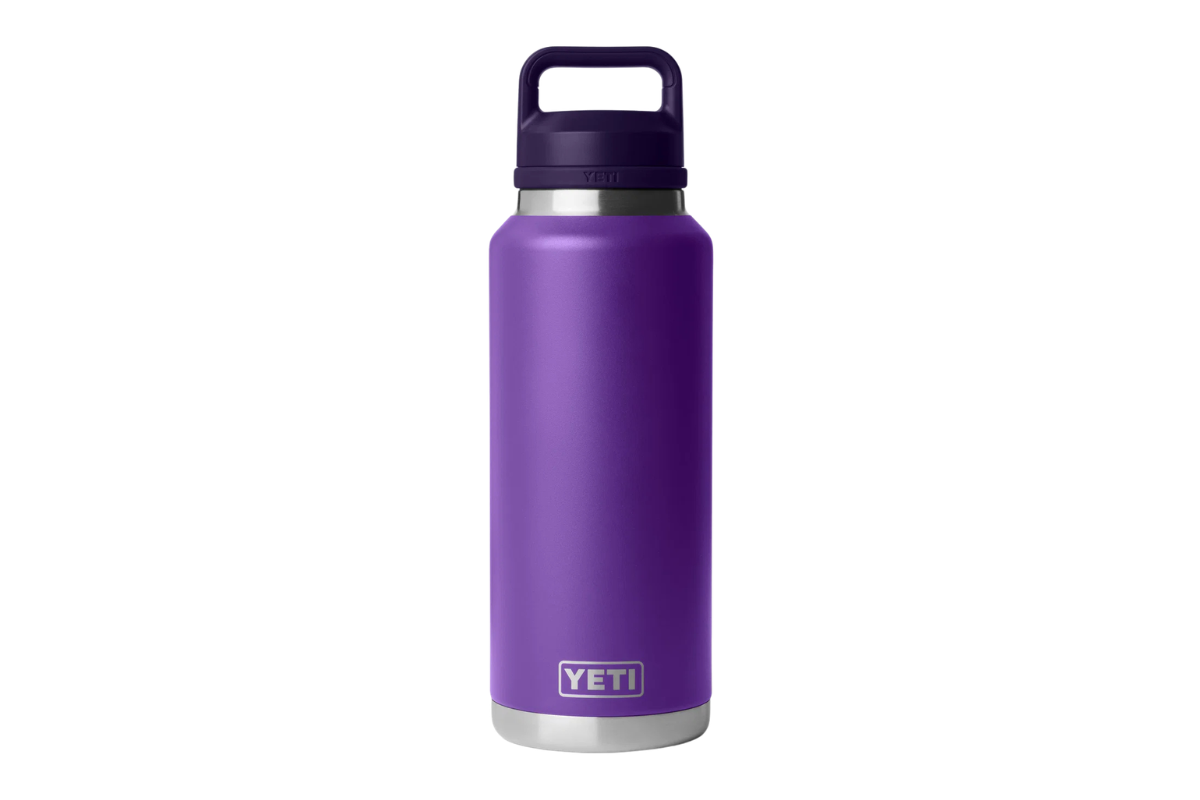
The larger YETI Rambler® 36oz Bottle offers more capacity for longer days given its increased capacity. Both feature double-wall vacuum insulation designed to help keep drinks cold during warmer weather and a stainless steel construction for added durability.

