
A team of researchers have just made a major discovery, unearthing a completely new species of dinosaur. Based on the fossil found, this new dinosaur was a long-clawed predator the size of a large tiger.
Publishing their findings in the journal Royal Society Open Science, the team of University College London researchers say it belongs to a group of agile, two-legged carnivores known as megaraptorans.
These groups of dinosaurs were closely related to the Tyrannosaurus Rex but had slender heads. Instead, they attacked their prey with their large arms and giant curved claws. This is the first megaraptoran to be found in Europe.
Some of these species grew to be huge, but this new species is one of the smallest and earliest of the group to be found. The team believe it would have been living in the UK in the Early Cretaceous period, about 120 million years ago.
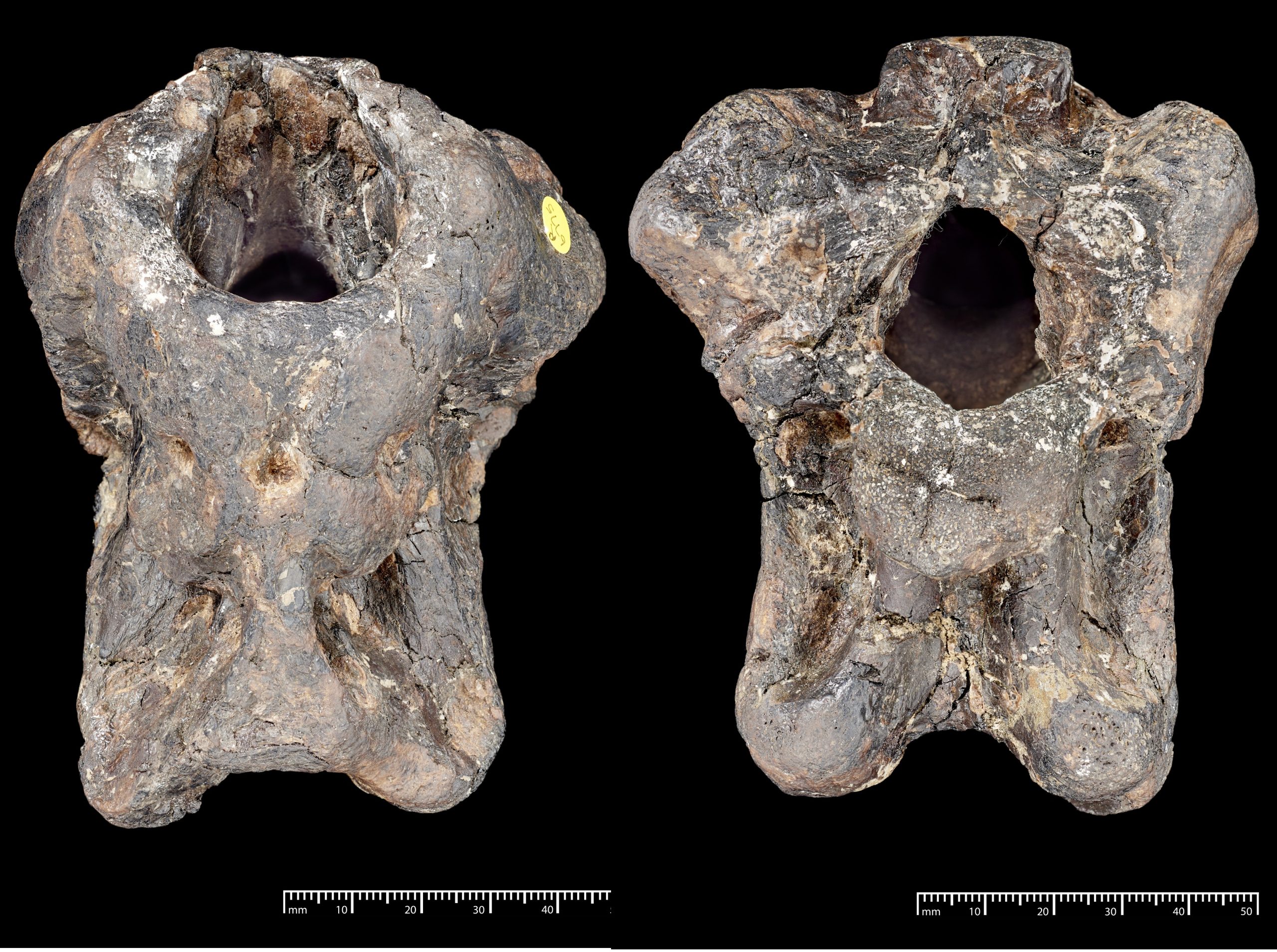
The team has given this dinosaur the name Invictibellatrix amberina.
“Based on what we know about its closest relatives, Invictibellatrix would have been three to four metres long and just over a metre and a half in height - about as tall as a human,” said lead author Dr Cassius Morrison (UCL Earth sciences).
“It would likely have had feathers and its claws might have been about 10cm to 20cm long. It would have eaten small dinosaurs, lizards and mammals – occupying a similar role in the food chain to the hyena today,” said lead author Dr Cassius Morrison (UCL Earth sciences).”
Few megaraptor fossils have actually been discovered. They are believed to have originated in Asia, before moving over to Europe, where they became apex predators throughout Africa.
“It was not the apex predator of its time, but for humans this dinosaur would have been more dangerous than a T. rex. We would have been perfectly sized prey, about a third of their body weight. They definitely would have chased us. A T. rex would not have bothered, as we would have been too small,” said Morrison.
“It is a real mystery that this fossil was overlooked for so long, sitting in a drawer for nearly 100 years. Lots of bones are found on the Isle of Wight – who knows what else is waiting to be discovered.”
This research project was funded by Palaeontographical Society, the Royal Society and UKRI. Future research in the area could help unveil even more important findings around dionsaurs.
