
If you’re a fan of governmental report updates (who isn’t?!), you’ll likely have seen that this year’s wild bird populations report has just been published. If you somehow missed it, here’s the important part – wild bird populations are falling in the UK.
The report looks at the state of wild bird populations, all the way from 1970 to 2025. Sadly the headline here is that, since 1970, breeding bird indicators have declined by 19% in the UK.
That suggests a long-term reduction in the abundance of common wild birds. It is important to note that the vast majority of this decline occurred between the late 1970s and early 1990s, driven largely by declines in woodland and farmland bird populations.
Despite this, we’ve been seeing a return to a downward trend since the mid-2010s, mostly evident in seabirds and farmland birds.
The steady decline of farmland birds
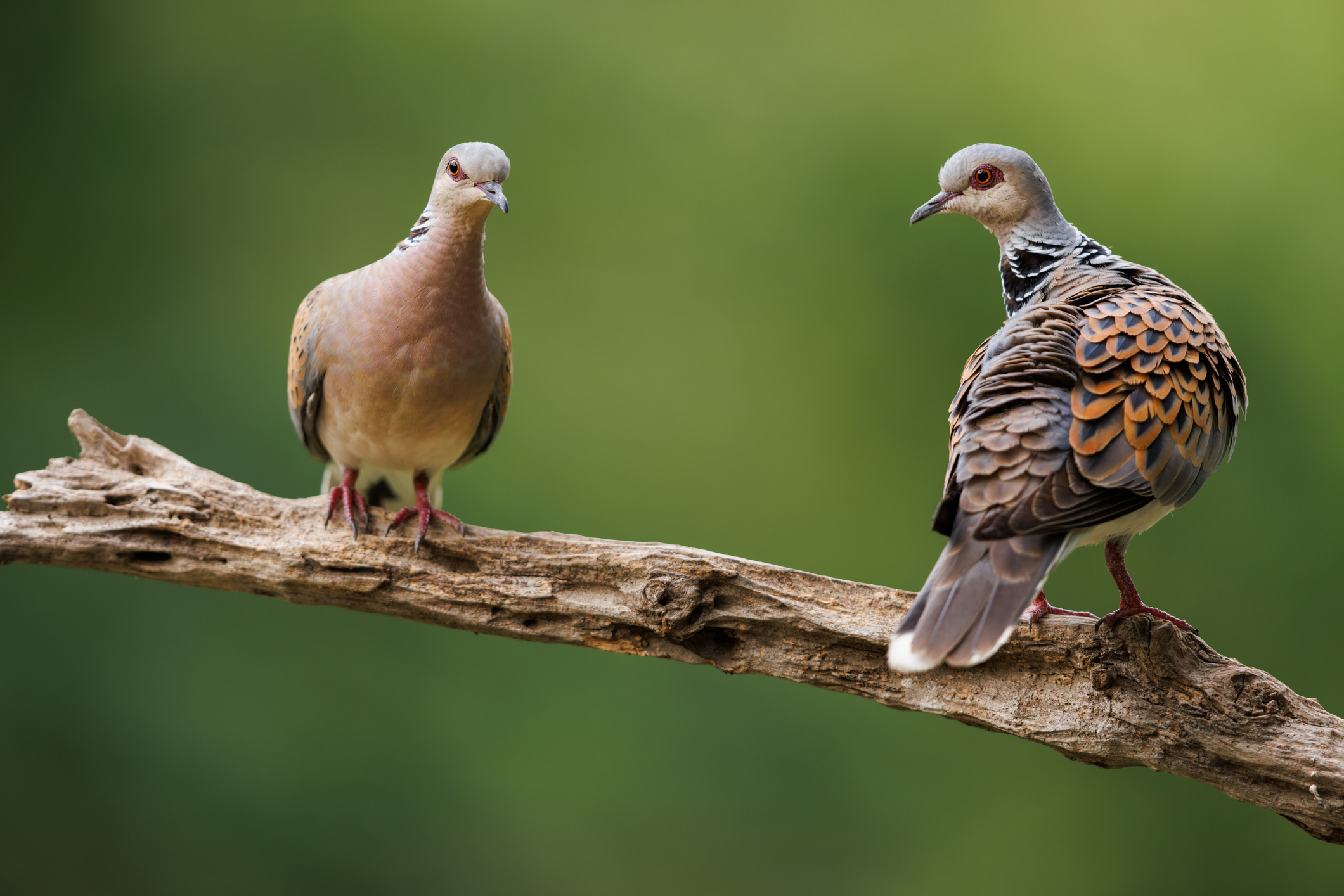
Since 1970, farmland bird populations have fallen by 63% in the UK. Of the birds included in this list, turtle doves and tree sparrows saw the sharpest decline. While most of this occurred a long time ago, populations have decreased by 12% in the five years since 2020.
"Declines have been caused by the changes in farming practices that have taken place since the 1950s and 1960s, such as the loss of mixed farming, a move from spring to autumn sowing of arable crops, change in grassland management (for example, a switch from hay to silage production), increased pesticide and fertiliser use, and the removal of non-cropped features such as hedgerows,” the report outlines.
This hasn’t affected all farmland birds in the same way. Woodpigeons have benefited from increased availability of their food throughout the winter due to autumn sowing of crops.
"Some farming practices continue to have negative impacts on bird populations, but most farmers can and do take positive steps to conserve birds on their land,” the report goes on to say.
“In particular, a number of incentive schemes encourage improved environmental stewardship in farming, with some measures specifically designed to help stabilise and recover farmland bird populations.”
Woodland birds have been hit hard
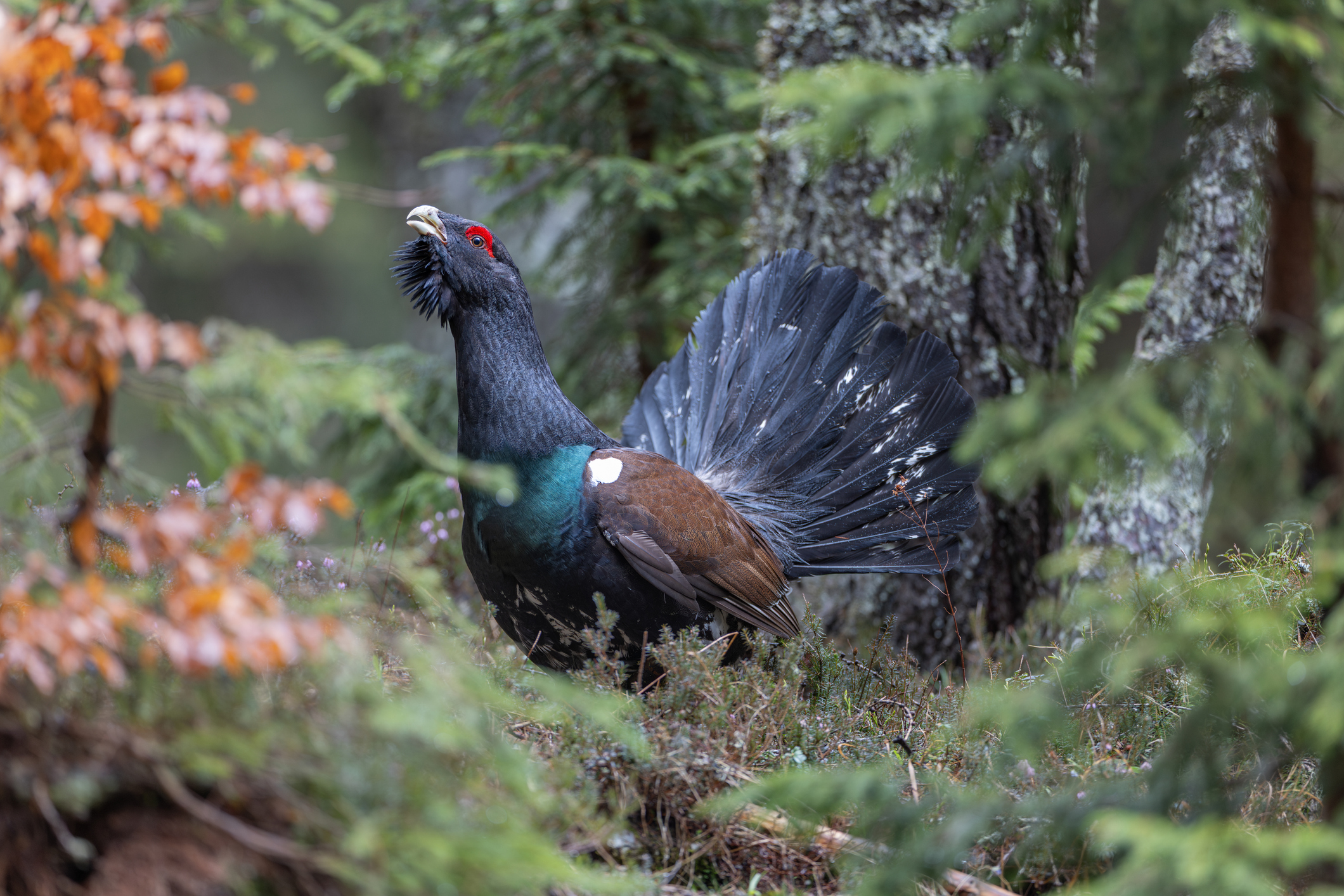
While farmland birds have been hit especially hard, woodland birds have seen a sharp drop too. Since 1970, woodland birds have declined by 32% in the UK. The good news here is that this reduction has dropped drastically recently with little change in the UK in the past five years. Most of the recent decline has occurred specifically in England.
However, woodland birds is a wide category and some birds have been more affected than others. For example, the willow tit has seen a 97% reduction since 1970 being driven close to extinction. A large amount of this has occurred in the past five years.
The capercaillie, spotted flycatcher and Redpoll are other woodland birds which have been hit especially hard. The capercaillie has also seen a major reduction in recent years but some other woodland birds have seen declines slow in recent years.
Woodland spaces cover roughly 14% of the UK’s land area. This provides safe habitats for these types of birds but it is at risk.
“The declines in woodland birds have several known and potential causes, such as a lack of woodland management (including the reduction of traditional practices such as coppicing) and increased deer browsing pressure, both of which result in a reduced diversity of woodland structure and reduced availability of suitable nesting and foraging habitats,” the report outlines.
“Changes in farmland management, such as the removal of hedgerows, have adversely affected many of the species in the indicator which have substantial populations outside of woodland, for example, in farmland and gardens.”
Noticeably, drier and hotter summers are likely to further cause problems for the poulations of woodland birds in the UK.
Small changes in wetland birds

It’s not all bad news. Indicators for birds in wetlands have seen little no change across the whole of the UK, only falling slightly.
Wetlands include rivers, lakes, ponds, reedbeds and… well, wet bits of land. These make up roughly 3% of the UK’s total area for birds.
As a wider group, wetland birds have levelled out to mostly show a near neutral result in decline. However, the wider picture is more complicated. Yellow wagtail, reed bunting, redshank, lapwing and snipe are all wetland birds that have seen an overall large decline (slowing to a near stop in decline in recent years).
On the other end of the spectrum, numbers are increasing for mallards, reed warblers, goosander, cetti’s warbler and other species. It is an area that shows both sharp decline and drastic improvements in the numbers at the same time.
Hard times for sea birds
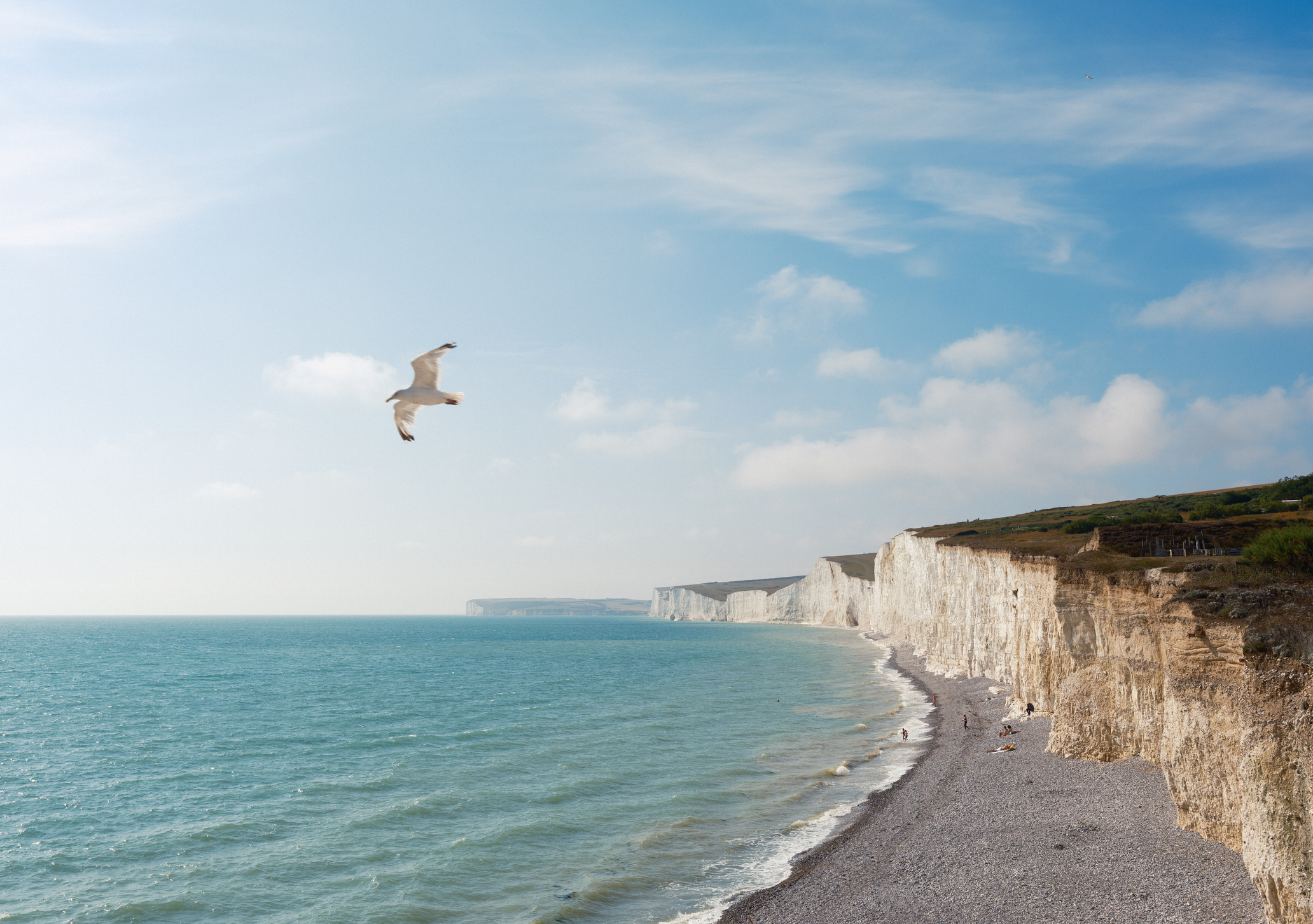
In this year’s report, analysis of seabirds has been tightened to provide more confident estimates. The UK seabird indicator has fallen by 52% since 1986. What is more alarming is that there has been a sharp decline of 22% in the last five years.
Bird flu has contributed to severe losses in several species since 2020, adding to existing pressures on seabirds. Equally warming seas are changing the food supply of seabirds. It is also believed that these species are struggling more with worsening winter weathers.
It's not all bad news
Feeling a sense of dread now? Well, there is some good news. For most of these species, the decline is drastically slowing. In fact, for a number of these species, decline has completely levelled out a while ago.
Even more importantly, many species are on the rise. Dartford Warblers reached a record on RSPB reservers, with 264 pairs in 2025. That is a roughly 44% increase in five years.
Despite the damage of bird flu on coastal species, terns saw signs of recovery for the first time in years. More than 1,100 pairs of sandwich terns returned to Blakeney Point after a two-year absence.
In wetland areas, bitterns are making a comeback from near extinction. In 1997, there was just 11 males. In 2019, there was 227.
These are just a small number of the many birds bucking the trend and seeing a tremendous return to their former numbers.
