
Sun’s out, guns out – this time of year naturally means more skin on show. But the danger is not necessarily just the sun. Nature has many other ways of making its presence felt. Here are six potentially dangerous irritants to avoid this season and beyond...
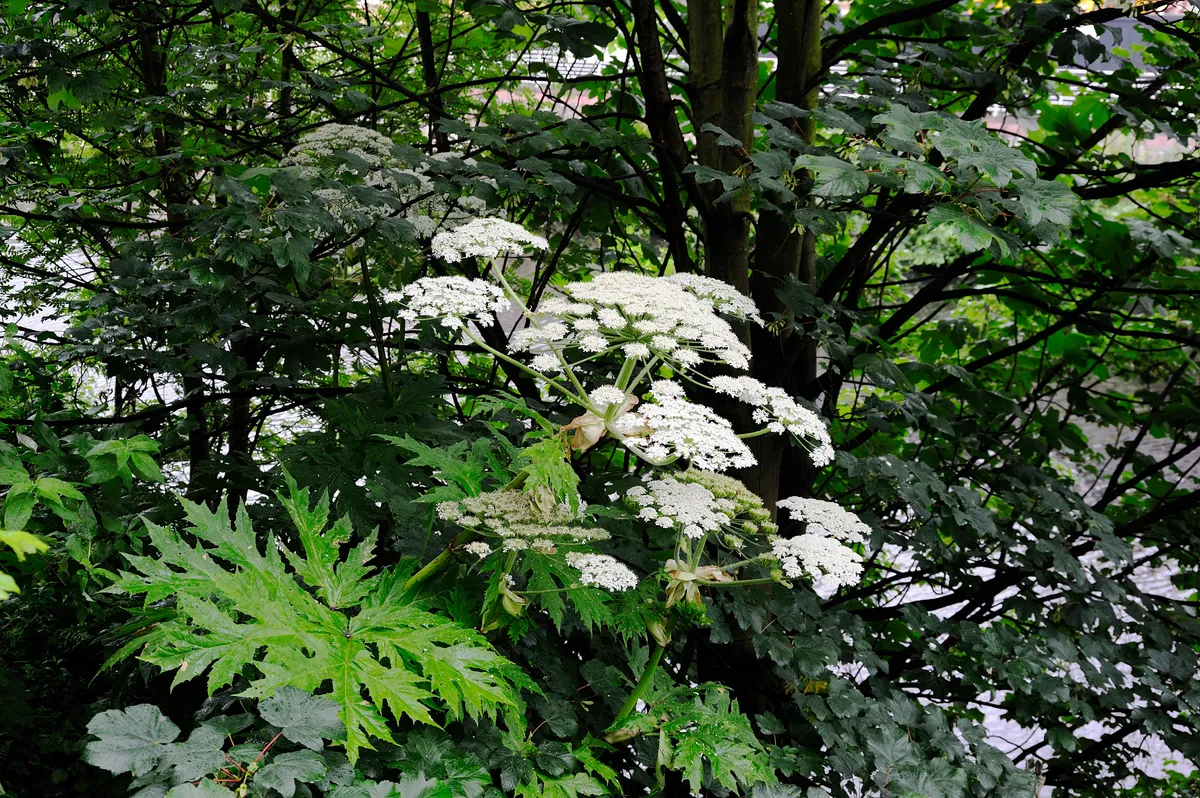
Giant Hogweed
This towering edifice is easily recognisable. Giant hogweed comes from the carrot and parsley family, and tends to be found near riverbanks or woodland margins – though it can appear in gardens too. Its phototoxic sap makes the skin incredibly sensitive to sunlight, generating a variety of painful reactions, including redness and blistering. It can reach over five metres tall, and practically all parts of the plant are toxic.
This foul-smelling plant is so deadly it was used to execute condemned prisoners in ancient Greece
My best advice? Don’t touch it giant hogweed – in fact, don't go nowhere near it. And seek medical advice quickly if you do touch it by accident – hogweed is one to take very seriously.

Nettles
Sweeping past a hedgerow of nettles is instantly memorable. The many hairs called spicules trigger inflammatory reactions in the skin, namely through the compound histamine – generating variable amounts of sting and itch, and sometimes swelling called hives, or urticaria. Dock leaves are very much a placebo option here – they offer no chemical counteraction at all. If harvesting nettles for soup or pesto, handle with gloves and avoid touching both the underside of the leaves and stems. Once cooked, they no longer sting.
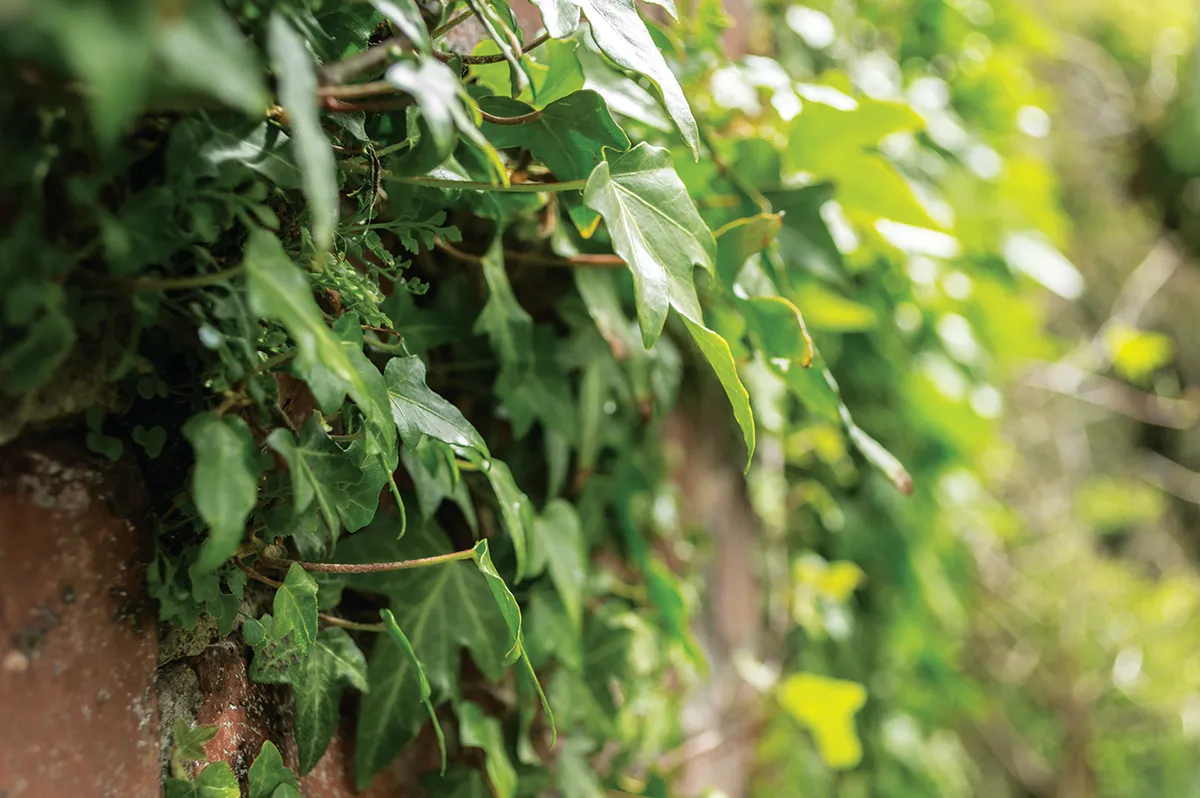
Ivy and Bindweed
The bane of the green-fingered – and potentially your skin too. Both ivy and bindweed can irritate bare skin during the considerable efforts that gardeners take to remove it. Reactions are typically milder, usually itching or redness. Again gloves, long sleeves and a thorough wash afterwards are wise if you’re tackling a huge clump of it.

Irritant trees
It seems odd that some trees can be considered poisonous – but there are several woodland species can irritate the skin, and which are toxic when either the leaves or berries are eaten. The common culprits that many will have heard of are yew, laburnum and cypress. More surprising are fruiting trees with irritant sap – these include fig, mulberry and sea buckthorn. Fig trees in particular produce a milky sap with similar effects to hogweed, though usually less severe.
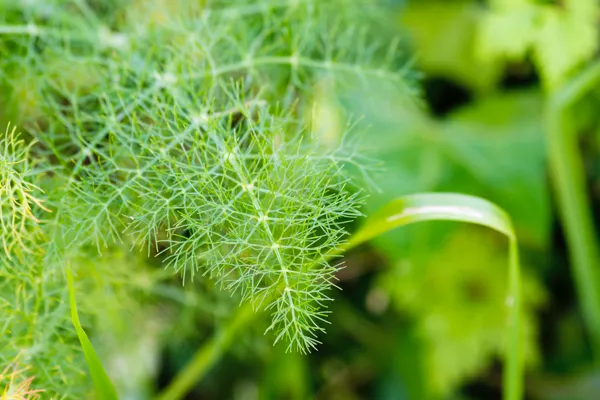
Garden vegetables and herbs
We return now to the carrot and parsley family – and their photosensitive effect on skin. These also include parsnip, celery, dill and fennel. Luckily the effects are mild and uncommon, but care should be taken in harvesting and preparing fresh vegetables from the garden, as irritation and even blistering can occur in susceptible individuals with enough exposure.
So, nature’s itch ranges from the common to the rare, and the well-established to the lesser known. Keep some shade on those guns, but more importantly protect that skin if you’re gardening, rambling or foraging – especially if you’re sensitive or likely to make contact with wild plants. Speak to a pharmacist about suitable treatment that can help with redness or itch. But if a rash is worsening, blistering or painful – or you feel unwell with swelling, fever, nausea or any difficulty breathing, see a doctor urgently.
Parsley vs hemlock
At first glance hemlock and cow parsley may appear similar, but while cow parsley is edible, hemlock is poisonous and, when ingested, can be fatal to humans. All parts of the plant contain coniine, as little as 150mg of which, when ingested, can be fatal to humans. Such an amount might be found in as few as six leaves of hemlock, or an even smaller quantity of seeds or root, and although the poison is quick to act, it will prompt a slow and painful death.
Dr Daniel Baumgardt is a Gloucestershire-based rural GP and senior lecturer in pharmacology and toxicology at the University of Bristol.
