Bees

The Royal Mint unveils new coins featuring British wildlife

Podcast: Join a wild bee rescue mission near the New Forest

John Craven: Why lifting the Cruiser SB pesticide ban was dangerous for the UK's bee population
null
undefined

Rural honeybees fly further for food, finds study

British bee identification guide: best plants to attract bees to your garden
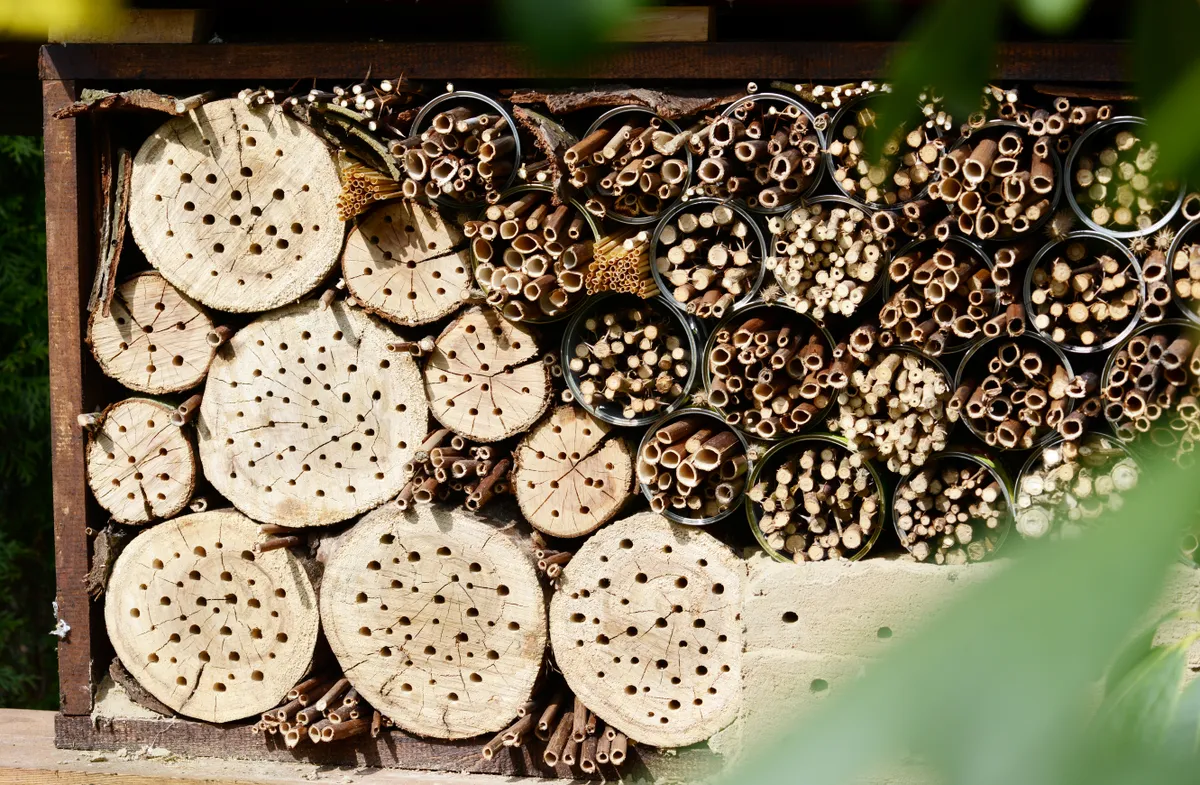
How to make a bee house

UK's most threatened insect species

Weeds are good for bees, say wildlife experts

Michael Gove backs total ban on bee-killing pesticides

Common pesticides putting bumblebees at risk of extinction, finds research
Bumblebees are less able to start colonies when exposed to a common neonicotinoid pesticide – which is putting them at risk of extinction, according to new research.

Pesticides affect bees' spatial memories, finds study
Pesticides can affect bees’ spatial memories, causing them to forget where they’ve already foraged as they revisit flowers containing less nectar.

Neonicotinoids cause honeybee infertility, finds report

OPINION: The secret poisoning of Britain's hedgerows
Peter Melchett of the Soil Association argues that regulation of pesticides, especially neonicotinoids, needs to be more stringent in light of new research that suggests the chemicals are contaminating hedgerows

Behind the headlines: Banning pesticides
In December 2013, a two-year ban on pesticides – linked to a decline in honeybees and other pollinating insects – was introduced across Europe. The ban applies to a group of pesticides known as neonicotinoids and has been criticised by farmers and some environmentalists. A year into the ban, BBC Countryfile Magazine looked at the latest research and opinions…

Diesel exhaust affects bees’ ability to forage for flowers
A recent study published in Scientific Reports has revealed that the ability of honeybees toforage for flowers could be hampered by chemicals from diesel exhaust.

Wild bees boost fruit
Our wild bees could help give a boost to the blackcurrant harvest
