

Spring has long been a season of symbolism, renewal and celebration. Few traditions capture this better than giving flowers at Easter.
Rooted in themes of rebirth and hope, Easter bouquets brim with seasonal blooms that carry centuries of meaning. As gardens, woodlands and hedgerows burst back into life after a long winter, these delicate flowers tell stories of love, gratitude, resilience and new beginnings – alongside adding a touch of beauty to a mantlepiece or side table.
Whether gifted in a hand-tied bunch or discovered on a countryside walk, spring flowers invite us to pause, breathe and reconnect with nature’s most joyful display. Here, we explore a bevy of blooms and what they mean to those who choose to give or receive them.
1. Daffodils

Meaning: new beginnings
Blooming from March to April, daffodils are the quintessential spring flower. The name is thought to derive from the Greek myth of Narcissus. Symbolising renewal and fresh starts, daffodils are closely tied to the themes of Easter. Native to Europe and North Africa, they’ve been cultivated for centuries – and loved by many for just as long.
Where to find them: These common spring flowers can be seen everywhere – from woodland edges to urban parks.
2. Tulips
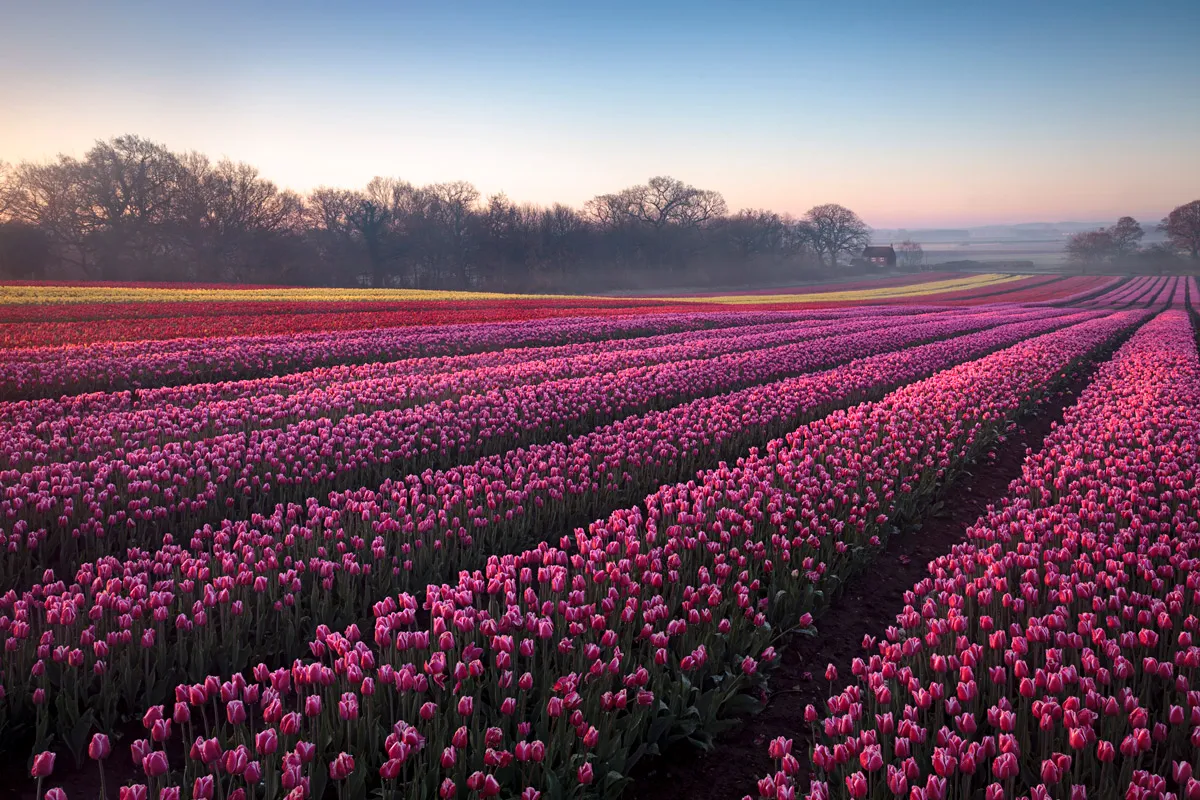
Meaning: perfect love
Tulips bloom between March and May and are synonymous with elegant simplicity. Originally from Central Asia, they became wildly popular during the Dutch ‘Tulip Mania’ of the 17th century. The meaning varies by colour – as explained by Interflora in its Ultimate Tulip Guide – but generally represents perfect or deep love. So save this one for your most affectionate moments.
Where to find them: Formal gardens and estates, with spectacular displays in Norfolk and botanical gardens nationwide.
3. Bluebells

Meaning: gratitude
Though you won’t find these in a flower shop, you’ll certainly find bluebells blooming in April and May as they carpet ancient woodlands in vivid blue. Their name reflects their bell-like shape and in British folklore, they symbolise humility and gratitude. The UK hosts nearly half the world’s bluebells, making them a true native treasure – reinforced by their protected species moniker.
Where to find them: Ancient woodlands like those in Sussex, the Forest of Dean and the Cotswolds.
4. Primroses
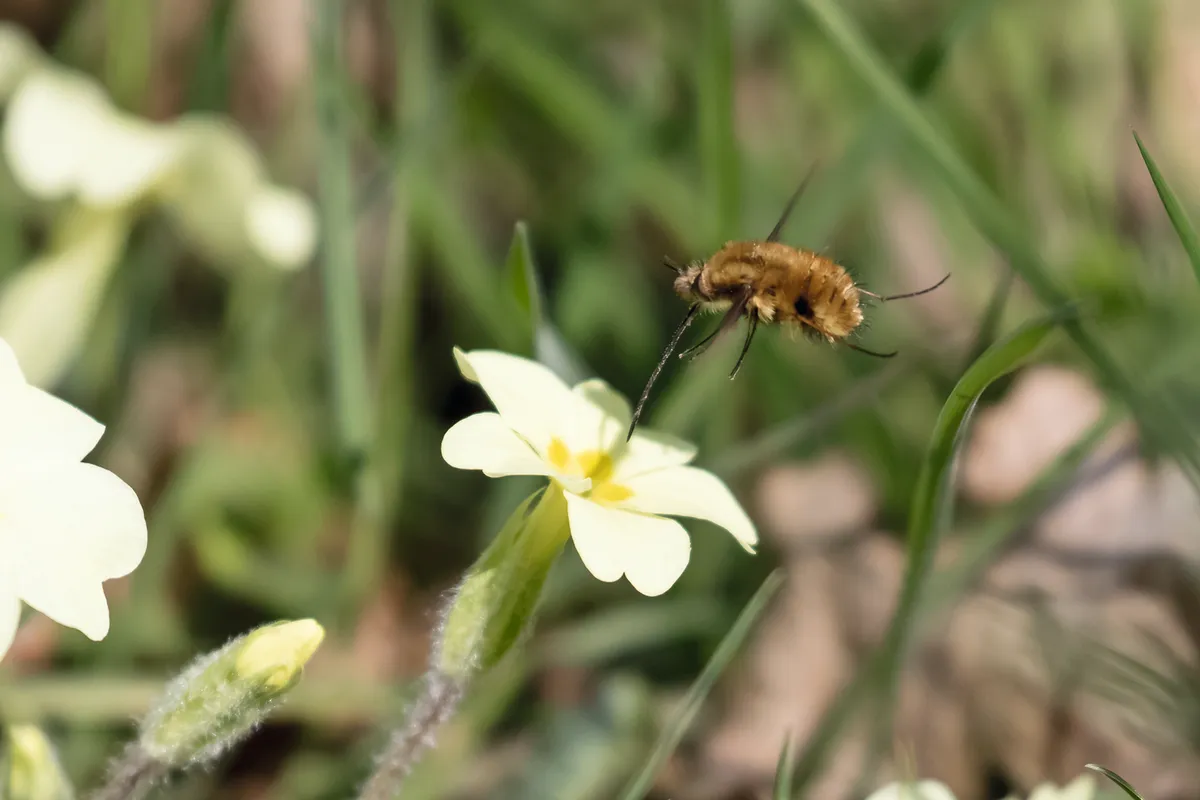
Meaning: young love
Among the earliest to resurface after winter, primroses symbolise youth and new romance. Also known as primula vulgaris, the name comes from the Latin prima rosa, meaning first rose. This Irish wildflower thrives in hedgerows and shady banks, with Celtic lore depicting them as ‘the keys to heaven’.
Where to find them: Countryside paths, woodland clearings and nature reserves across the UK.
5. Hyacinths
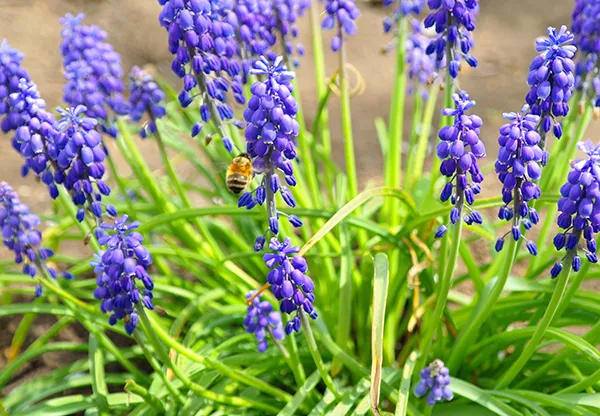
Meaning: sincerity and playful joy
Hyacinths flower in March and April and are known for their rich fragrance. Named after a figure in Greek mythology, they can represent sincerity, deep emotion or playful joy depending on colour, as explored in the Interflora hyacinth guide, and were popular in Victorian gardens for their scent.
Where to find them: Garden centres, formal displays and spring planting schemes in city parks.
6. Cherry blossoms

Meaning: renewal
Blooming briefly between March and April, cherry blossoms are a global symbol of renewal and the fleeting nature of life: a reminder to pause and appreciate beauty in the moment. While mostly associated with Japan, ornamental varieties thrive in the UK, brightening parks, gardens and streets with their soft colour and delicate elegance.
Where to find them: Urban parks, particularly in London and Edinburgh during blossom season.
7. Crocuses

Meaning: cheerfulness
Appearing as early as February, crocuses are among the first signs of spring, sometimes even pushing through frost or a dusting of snow. They’ve long symbolised cheerfulness, youth and new beginnings. Displaying vivid purples, yellows and whites, crocuses bring a welcome burst of colour to still-wintery landscapes. Some varieties also produce saffron, one of the world’s most precious and prized spices.
Where to find them: Look for naturalised groups in historic estates.
8. Lilacs
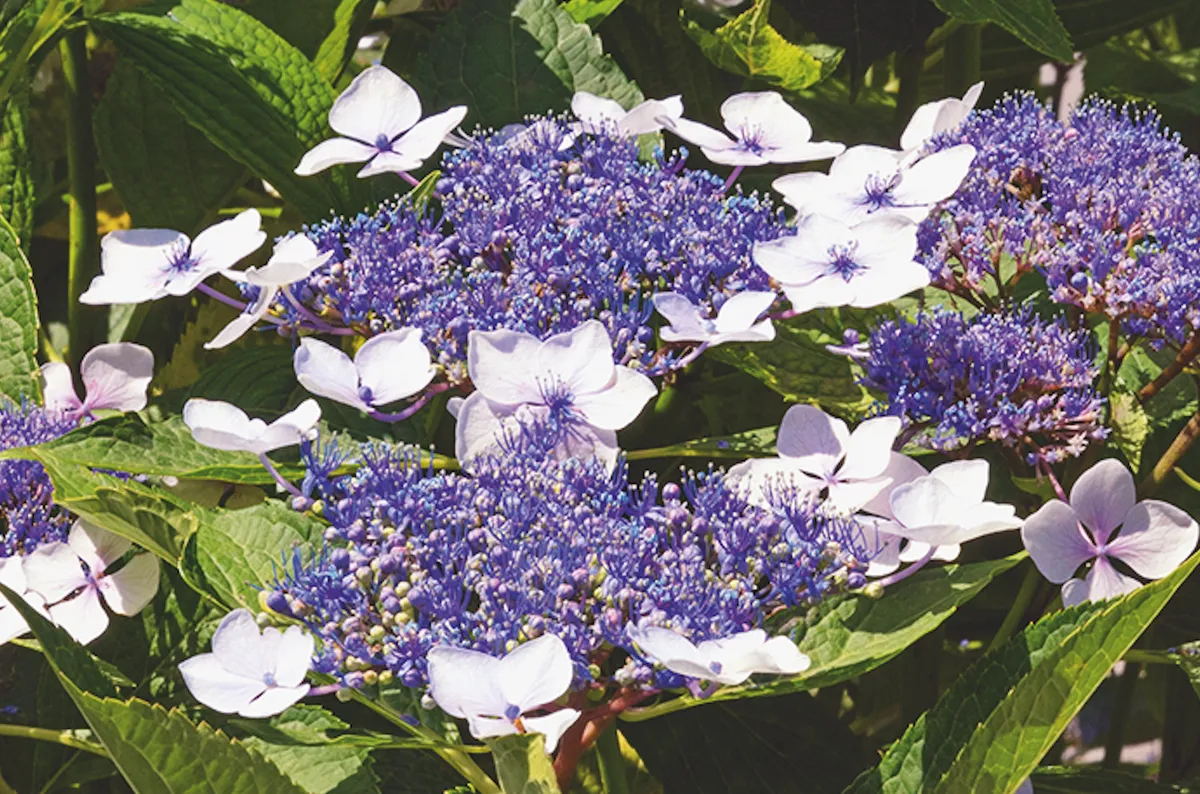
Meaning: first love
Prized for their soft, romantic clusters of flowers and intoxicating scent, you’ll find lilacs popping up between April and June. Long associated with first love and youthful innocence, lilacs carry a sense of nostalgia and gentle romance. Native to Eastern Europe, lilacs have been cultivated in British gardens since the 16th century, where they remain a much-loved favourite. Discover more in Interflora’s ultimate guide to lilacs.
Where to find them: Botanical gardens, cottage gardens and historic estates.
9. Chrysanthemums

Meaning: optimism and joy
Often associated with joy, optimism and longevity, chrysanthemums mean different things across cultures – symbolising friendship and happiness in some, while representing honour and remembrance in others. Native to Asia, these bright beauties have become a staple of gardens and floral arrangements alike, prized for their versatility, resilience and ability to bring warmth and vibrancy to the cooler months.
Where to find them: Garden centres, flower markets and Easter displays.
Spring blooms, beautifully delivered

Celebrate the new season with a hand-crafted spring bouquet from Interflora. Bursting with fresh, fragrant blooms like tulips, hyacinths and seasonal greenery, it’s the perfect way to mark Easter or to simply brighten someone’s day. Choose from classic arrangements or modern designs, all delivered with care across the UK.
