
The Major Oak, one of the UK’s most iconic trees due to its age, vast size and links to the legend of Robin Hood, is believed to have died.
Recent scientific evidence has led experts to believe the ancient oak is no longer living after failing to produce any leaves this spring.
The vast tree, the most famous of 1,000 ancient trees in Sherwood Forest in Nottinghamshire, is estimated to be up to 1,200 years old. It has reportedly been in decline for some time despite efforts by the RSPB, which manages the forest, and leading tree and soil health experts, to improve its health and prolong its life.
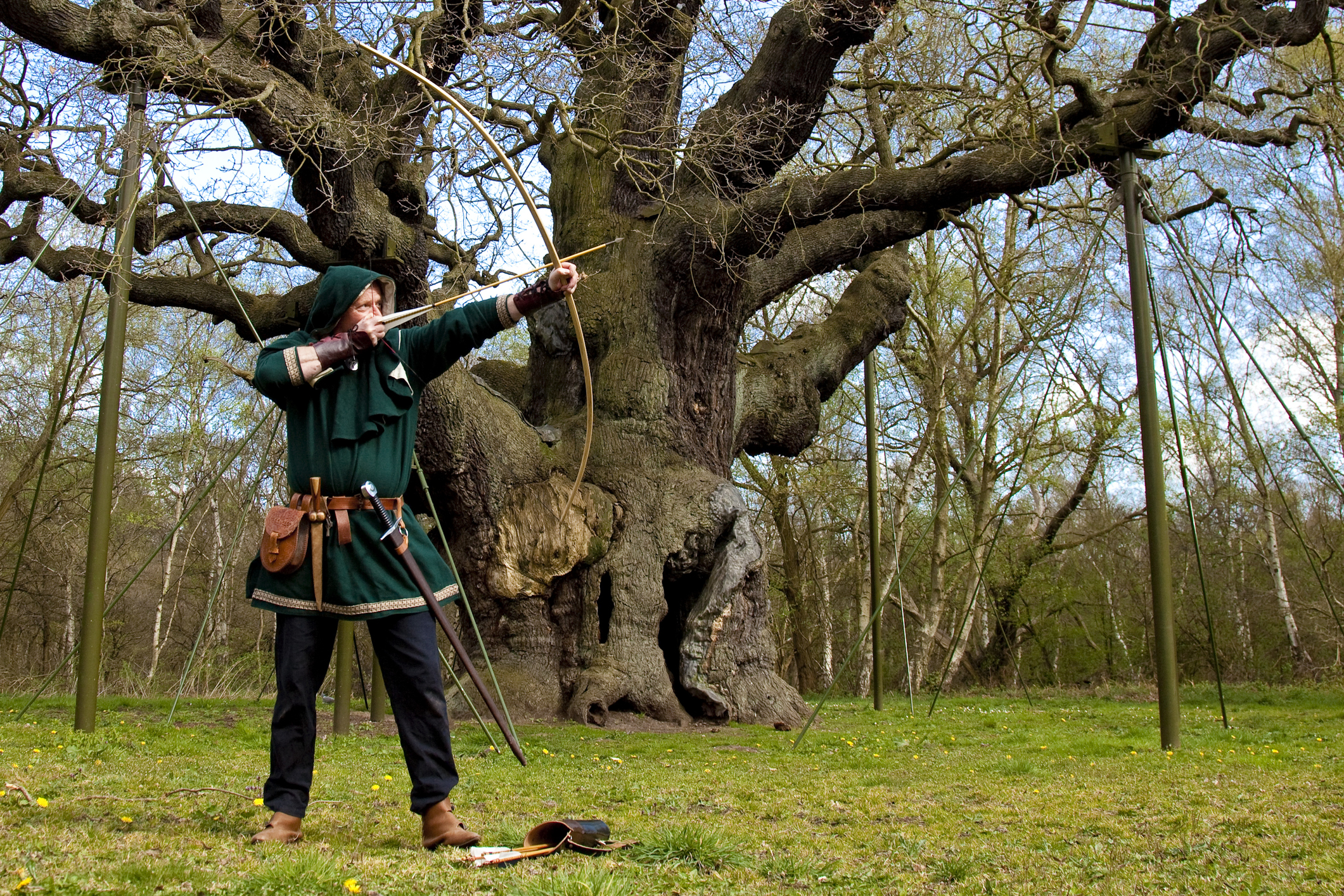
Why is the Major Oak linked to Robin Hood?
The Major Oak’s trunk has an 10–11 metre circumference, with a 28-metre canopy spread, with the branches requiring a system of poles to support it. The tree, however, will remain at Sherwood Forest as a ‘natural monument’ for years to come.
- Guide to Robin Hood: history of the legend and best places to visit
- Masked bandits, resistance fighters, highwaymen, and downright criminals: Discover the thrilling stories behind history's greatest outlaws
Visitors to Sherwood Forest have long filled the picnic tables around the popular spot, many drawn here by the enduring popularity of Robin Hood. Legend has it that the outlaw and his band of Merry Men used to shelter and hide out around the Major Oak, whose name stuck after the tree was mentioned in a book by Major Hayman Rooke in 1790.
Why did the Major Oak die?
There are a number of possible explanations for the exact cause of the oak’s demise. These include more than a hundred years of well-intentioned structural intervention and huge amounts of human activity around the tree for more than 200 years. Scientists say other factors such as climate change, including recent heatwaves and droughts, have compounded the challenges the tree would naturally be facing at its age of 1,000+ years.
Reg Harris, director of Urban Forestry (Bury St Edmunds) Ltd, said he has been monitoring the tree’s health through its leaf canopy for the last nine years for the RSPB, and has seen a noticeable decline in leaf production.
“Given the longevity of a tree such as this, it's impossible to pinpoint a single cause for its decline. The range of factors affecting it over such a long period of time is very wide and varied, including 200 years of tourist footfall and vehicular compaction, changes to the water table from coal mining beneath it and significant changes to the climate, particularly in the last ten percent of its life. Sadly, it seems probable the lack of summer rainfall over the last five years, coupled with the unprecedented high temperatures, have had a significant hand in it.”
Conservation work has centred on the soil beneath the tree’s canopy, which has been compacted from the footfall of millions of visitors over many years, making it harder for rainwater to penetrate the soil. Recent testing has reportedly shown the soil around the Major Oak to be as solid as concrete and at a depth of over one metre in some places.
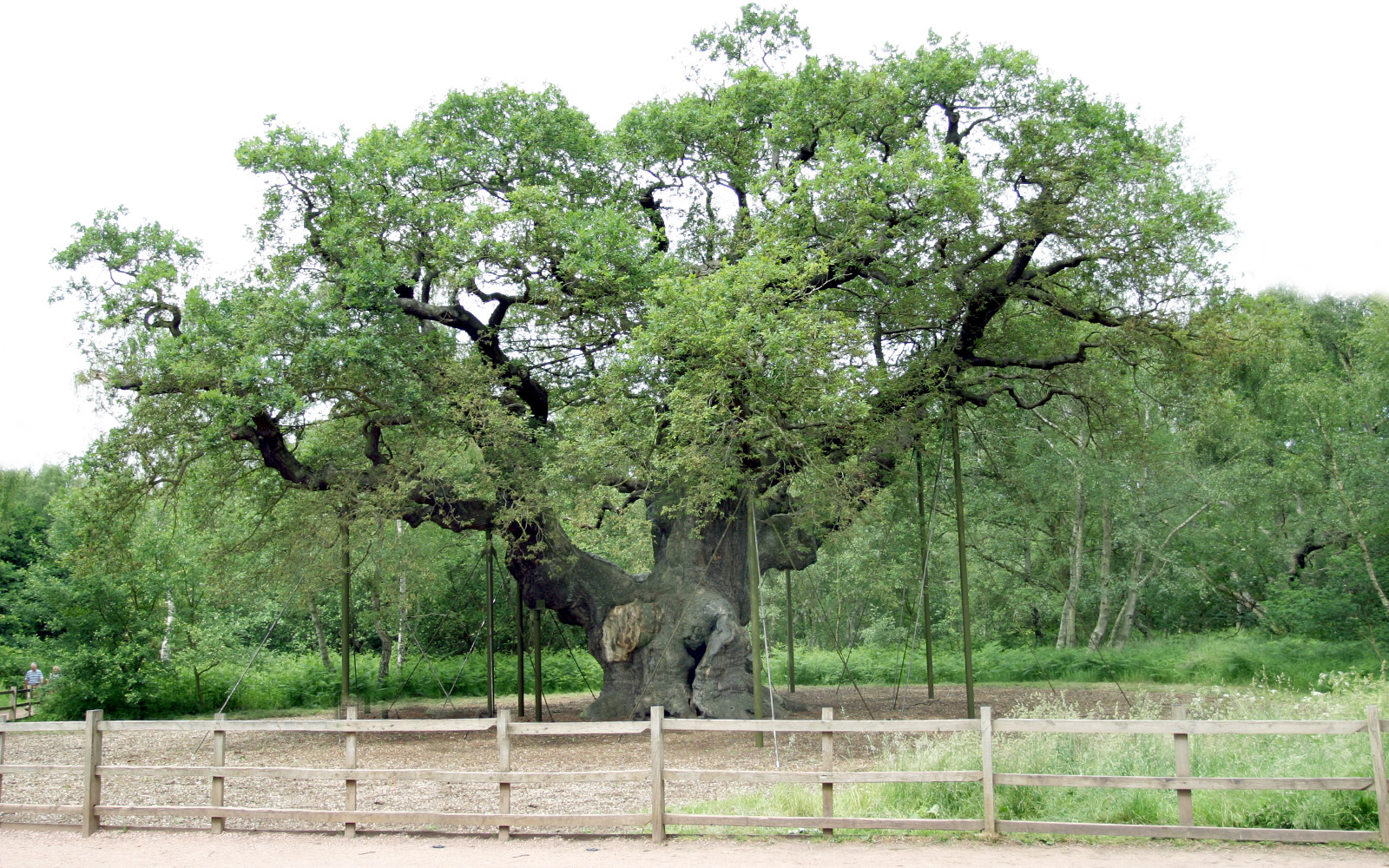
Simon Parfey, managing director of soil microbiology specialists SoilBioLab, has been part of the team caring for the Major Oak since 2021.
“The soil around the Major Oak was under far greater stress than anyone initially realised. Our early surveys revealed a root system that had been quietly struggling for a long time due to naturally poor soil and heavy ground compaction. While the Major Oak team worked tirelessly to revive the environment around this iconic tree – and saw encouraging signs of life in some areas – the damage, it now seems, was already too deeply entrenched to fully reverse.”
“This has been a deeply humbling experience for all of us. However, the vital lessons we have learned here will directly help protect and care for other ancient trees across the nation. The Major Oak's true legacy is no longer just in folklore, but in the future of conservation."
Will the Major Oak live on?
Although this apparently marks the end of the Major Oak’s life as a living tree, acorns and cuttings from the tree have been grown into saplings, and plans for the future are being explored.
Chloe Ryder, the RSPB’s Estate Operations Manager at Sherwood Forest, said: “There are Major Oak saplings planted in locations right around the world, so we are planning work to ensure that its offspring will grow and generate their own acorns – and legends – for centuries to come.”


