
Mammals generally avoid eating other carnivores – particularly those within their own species, because it is seen as being biologically inefficient and highly dangerous. Predators are rarer than herbivores, making them a scarcer food source, and hunting them requires more energy and risks injury. What’s more, the meat from carnivores carries a much higher concentration of parasites and toxins accumulated from their prey.
That said, cannibalism – or filial cannibalism (parents eating their own young) – is sometimes necessary as a means of survival. This is most often due to food scarcity in areas of dense populations. Although we might not expect it, this happens right on our doorstep, with several UK native animals eating members of their own species.
UK cannibal animals
European otters
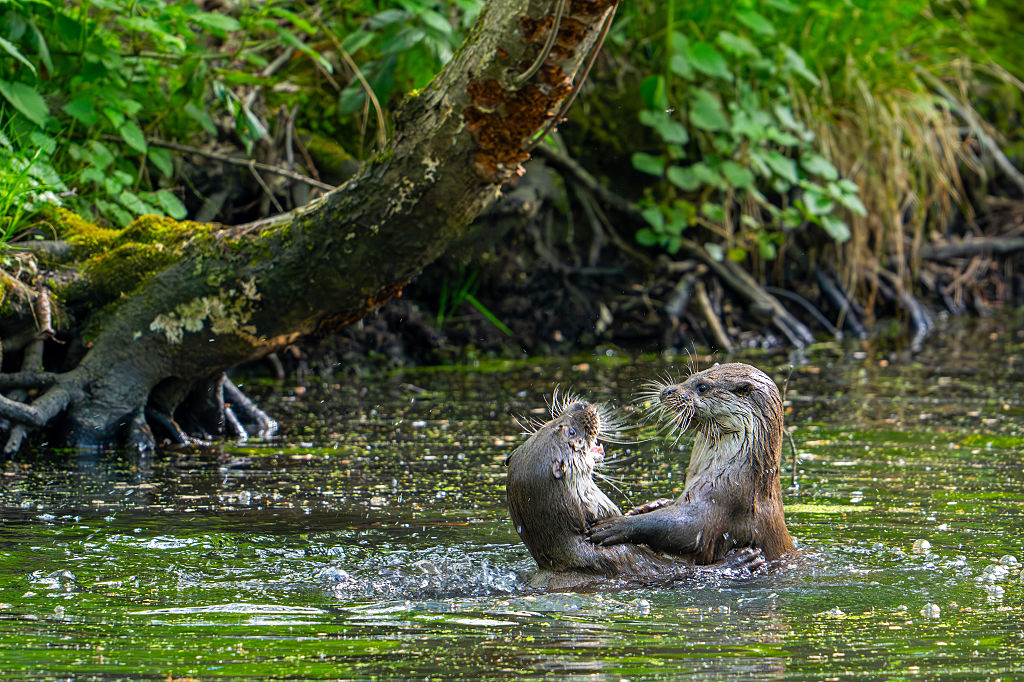
Recent research has found European otters to be cannibalistic, despite their playful behaviour. They can be highly territorial, which can result in aggressive behaviour. This is particularly notable when paired with other human-led factors, such as overfishing, habitat loss and climate change, all of which increase competition for food among the otter population. Cannibalism between otters not only wipes out competition: it also provides a food source in times of need.
Grey seals
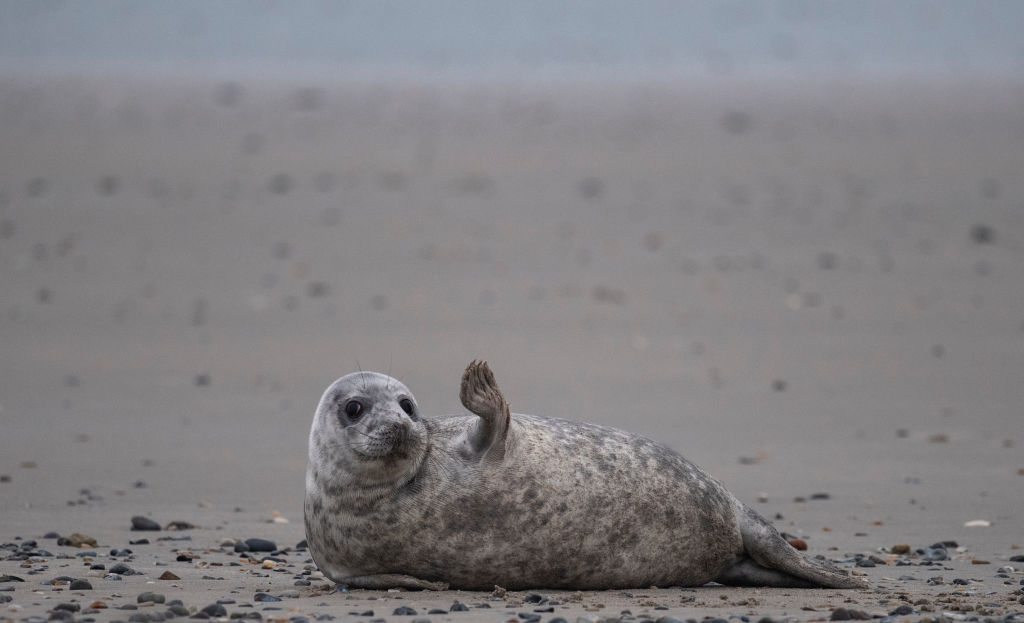
There are many grey seal colonies found around the UK coastlines, with the largest found in Blakeney Point in Norfolk, with around 9,000 pups born there each winter. While the vast majority of a grey seal’s diet is fish, a 2019 research paper found that they sometimes eat other mammals – including members of their own species. The research reported the details of an adult male seal capturing, killing and eating a younger seal off the coast of Helgoland, a German archipelago in the North Sea. This followed two other published papers reporting on cannibalism, but was the first to see the scientist witness the act up close and perform a necropsy after the incident.
Red foxes
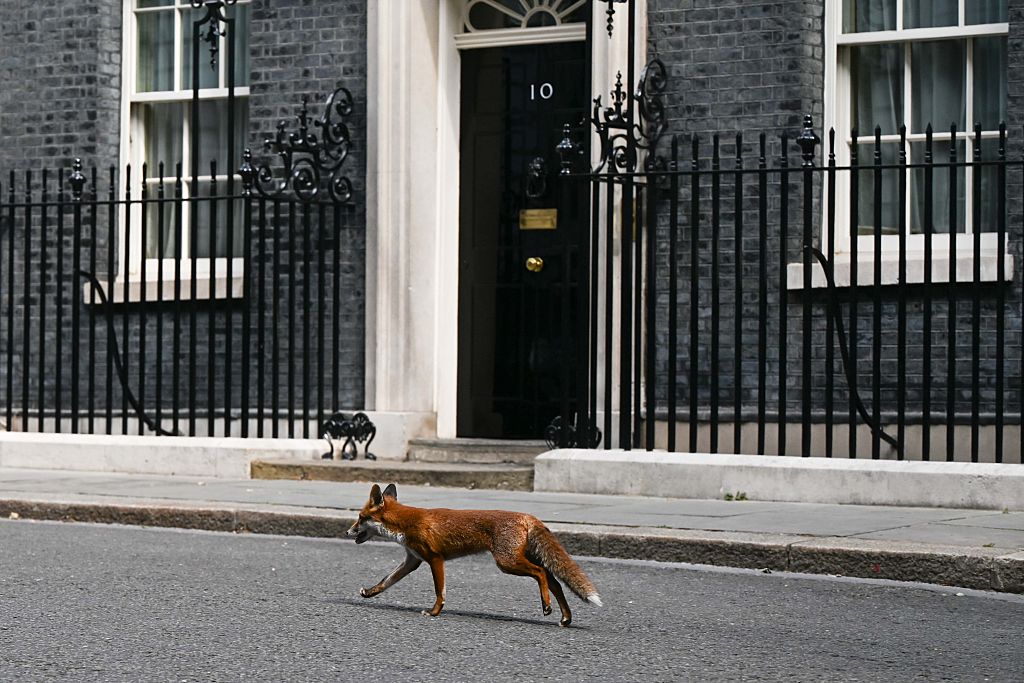
While incidents are rare, cannibalism in red foxes has been reported in contexts of scavenging and infanticide. Conservationist Sean McCormack witnessed cannibalism in an urban fox den, reporting his findings on BBC Earth. He speculated that cannibalism of a fox cub might offer nutritional resources within an urban environment, where competition for food is high. The cub may have been killed by another animal, and perhaps the vixens thought that by cleaning the remains and removing them, they may reduce the risk of their other cubs facing harm. Foxes don’t tend to do this, and there’s a high risk of disease transmission through parasites.
Rats
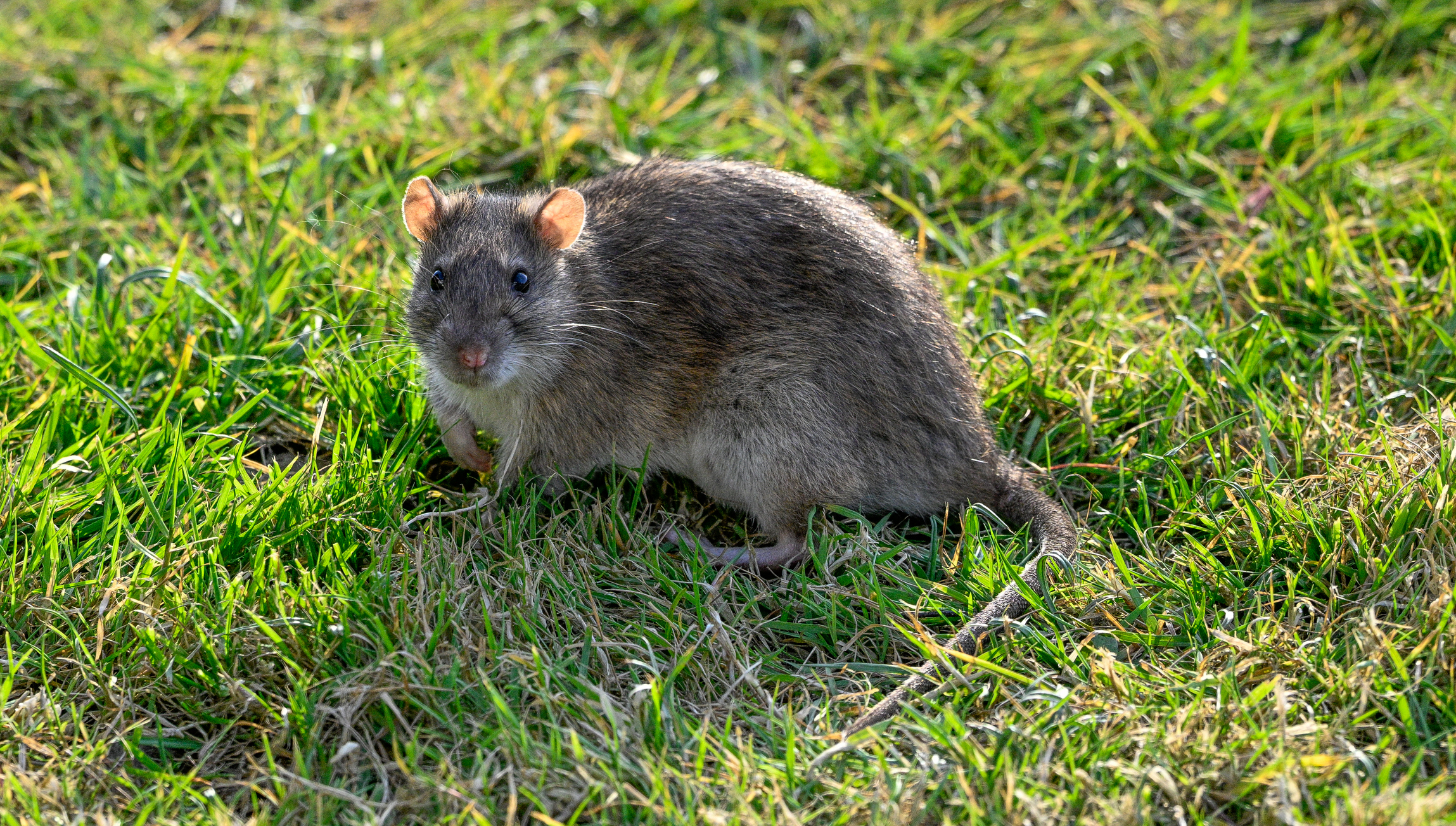
Two species of wild rat are found in the UK – the brown rat and the black rat – and both are known to exhibit acts of cannibalism, when desperation strikes. The black rat is predominantly vegetarian, preferring fruits, cereals and crops, while the brown rat has more of an omnivore diet, eating meat, insects and human food waste. If their food supply dries up, both species have been known to kill and eat their own. Interspecies cannibalism has also been documented, with brown rats occasionally killing and eating the smaller black rat.
European rabbits
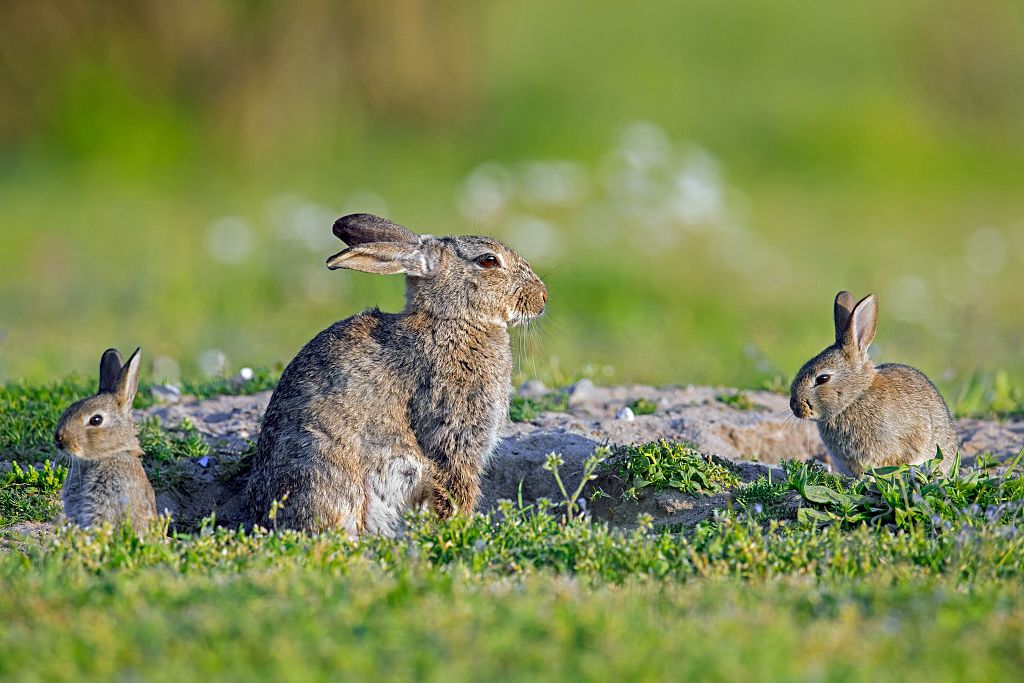
The European rabbit occasionally exhibits cannibalistic infanticide (or, more accurately, ‘maternal scavenging’), usually when the offspring is stillborn or sick. This is believed to be done in an effort to hide the scent of the nest from predators – and to reabsorb vital nutrients which will be lost in a dying or dead kit.
Spiders
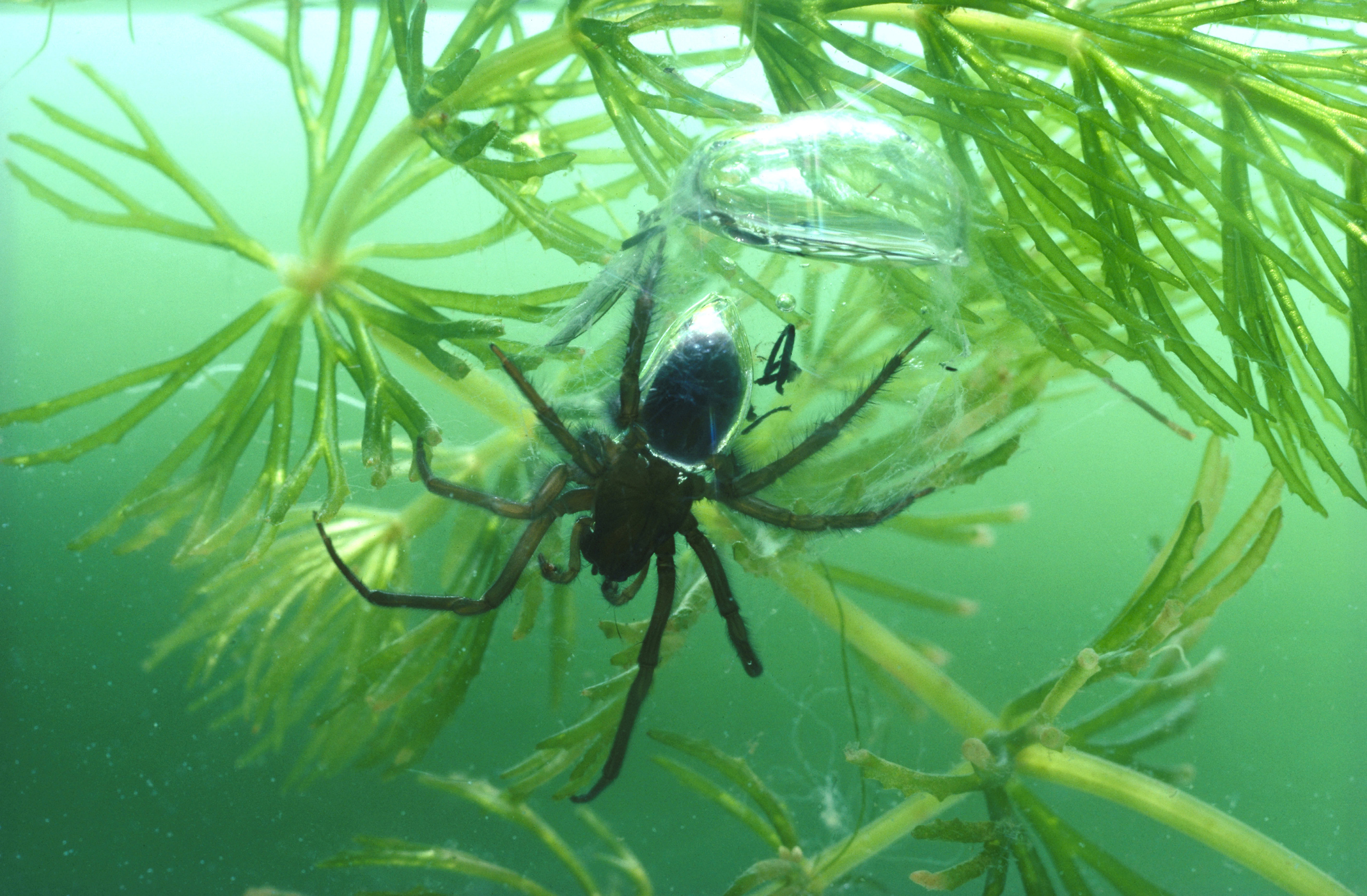
Several UK spiders are cannibalistic, turning on smaller rivals, mates or siblings when food is scarce – or if territory is under threat.
The cellar spider (one of the species better known as the daddy longlegs) frequently hunts other spiders – including their own, while male diving bell spiders will sometimes kill and eat their female mates in an act of ‘reversed sexual cannibalism’.

