
One in four pet owners say discarded rubbish has left their animal injured or unwell, with many facing costly vet treatment.
Britain's growing litter problem is putting pets at increasing risk, according to new research, with thousands of owners reporting that discarded materials have caused injuries or illness to their animals. The South East was identified as one of the regions where concerns are greatest, with seven in 10 respondents saying litter has made outdoor spaces less safe for animals.
A survey of more than 1,000 UK pet owners, commissioned by pet retailer Pets Corner, found that 26% of pets have been harmed by discarded litter, which campaigners say is fast becoming an overlooked animal welfare issue.
Of the animals affected, dogs were by far the most common, making up 9 in 10 incidents. Daily dog walks can lead to your pup coming across dangerous litter on multiple occasions. The main culprits tend to be food waste, broken glass, and discarded food packaging. While a small yet concerning number of owners also reported their pets becoming ill after encountering abandoned drugs.
A wider issue
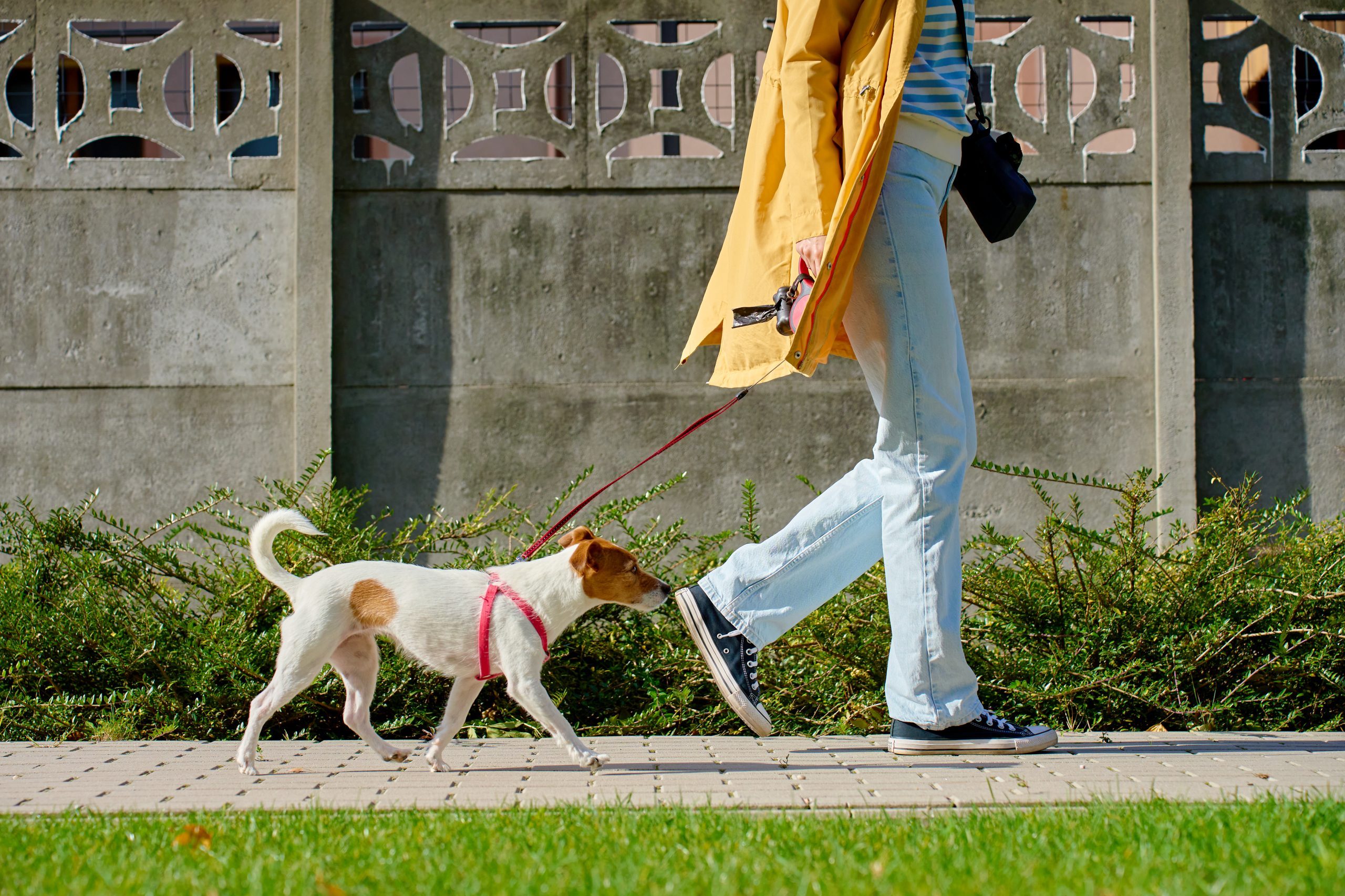
The survey findings suggest the problem extends beyond the immediate health risks to our beloved pets. With many owners adding that they had been left with unexpected vet bills after their pets required treatment, with the majority paying between £100 and £750 and over 10% paying more. Typically, most said standard pet insurance failed to reimburse the full amount.
What the research also indicates is that litter is changing the way people use public spaces. Nearly a third of survey respondents said that they feel anxious while walking their dog locally, while almost two-thirds deliberately avoid parks or streets where litter is a recurrent issue. More than half said they now keep their dogs on a lead more frequently to reduce the injury risk, and some admitted they had even considered relocating because of concerns over their local environment.
Significant animal welfare problem
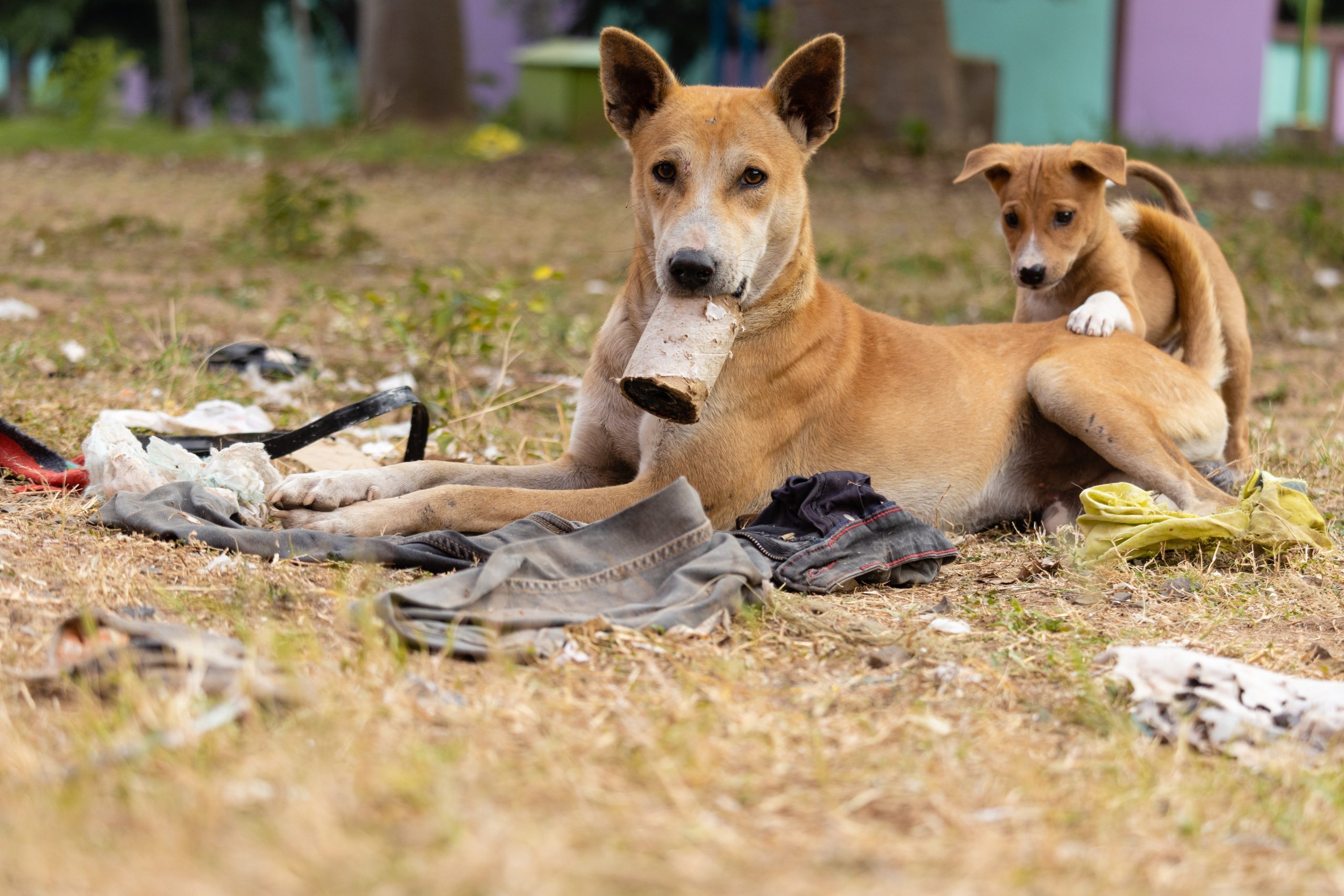
Public concern appears to be growing alongside the issue. Three-quarters of those surveyed believe public spaces have become less safe for pets because of litter, while 86% now regard littering as a significant animal welfare problem rather than simply bad for the environment.
Dean Richmond, Chief Executive of Pets Corner, said the findings demonstrate that litter has become more than an issue of cleanliness: "Pets are treasured members of the family, and it's deeply worrying that so many are being injured by rubbish that could easily have been disposed of responsibly," he said.
"Many of these incidents happen during routine walks, leaving owners not only distressed but also facing significant and unexpected veterinary costs. Greater awareness and collective action are needed if we are to prevent more animals from being harmed."
Tips for keeping your pet safe
With more families expected to spend time outdoors during the summer months, keep our streets safe for your pets and those around you by following a few logical steps:
- Take litter home – dispose of your rubbish responsibly and join a local litter picking event to contribute to cleaning up your area.
- Pack a basic pet first aid kit – a few basic items like tweezers and saline solution can be quickly applied to cuts ahead of going to the vet.
- Report litter hotspots – let your local council know about any persistent litter spots.
- Be cautious on walks – remain vigilant when exercising your pet by keeping your dog on a shorter lead and practicing recall training to keep them close when needed.
- Support the community – alert others to hazardous locations through local community groups and social media.
