They are often depicted as arch enemies, but can cats and dogs become friends? The short answer is yes. Cats and dogs can become happy companions – but they can also detest the sight of each other. The best results usually come from slow, careful introductions and plenty of patience.
“The biggest misconception is that dogs and cats are destined to clash," says Leah Callaghan, a veterinary nurse at fresh dog food company Butternut Box. "In reality, many dogs can learn to be calm and respectful around cats when they are introduced gradually and rewarded for the right behaviours.”
What friendship between cats and dogs looks like
First, let's be realistic. Friendship between cats and dogs does not always mean playing together or snuggling side by side, although that may look great on Instagram. In many homes, success simply means the dog can stay calm when the cat walks past, or both animals can share space without stress.
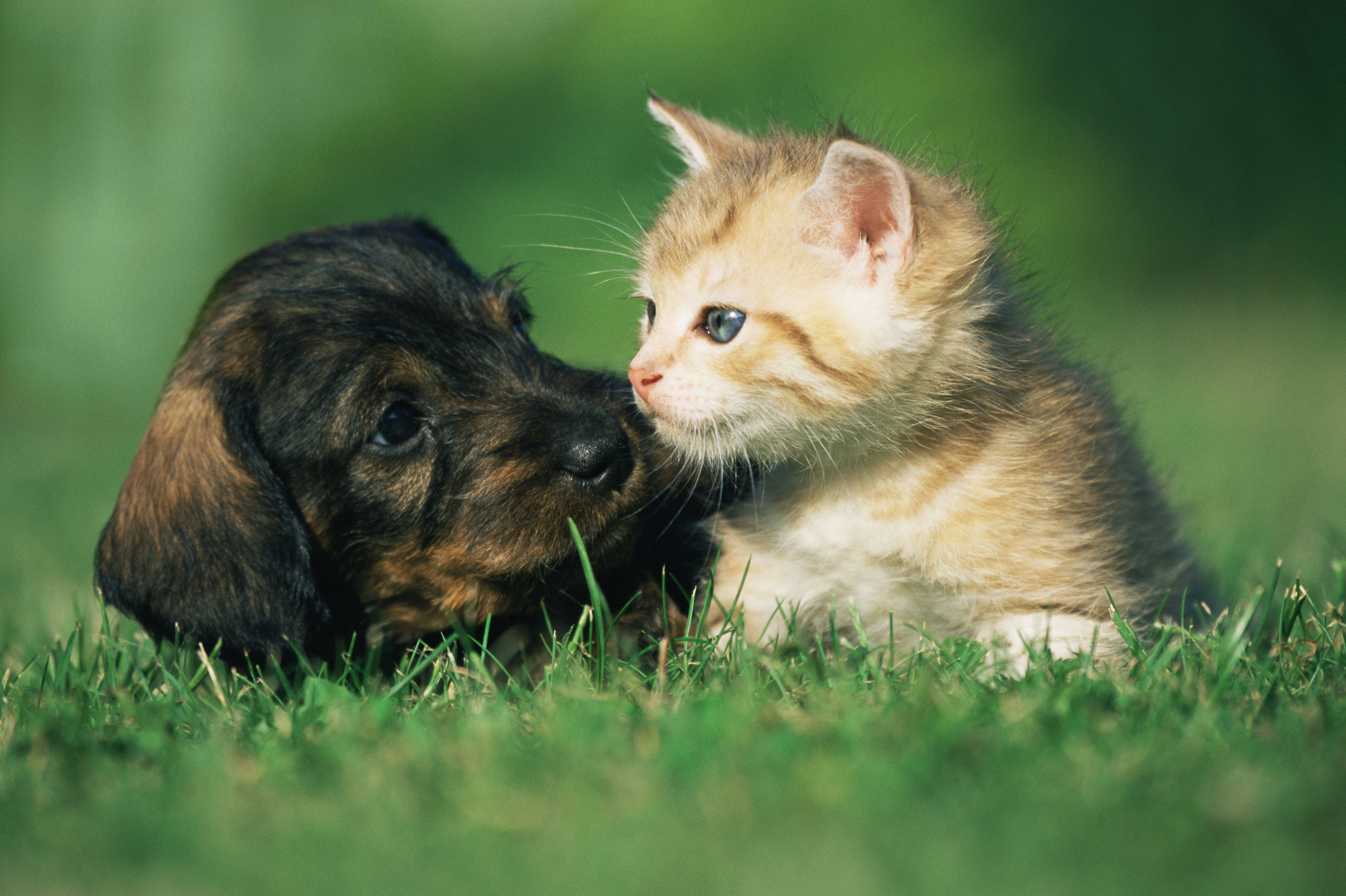
It's easier to create harmony if cats and dogs meet while young, because the animals have more time to get used to each other, but older pets can also develop positive relationships if introductions are gradual and both animals are given space.
"The ideal scenario is often when they are introduced while they are young, as this gives them more time to grow familiar with each other’s presence and learn what is normal within the home," says Callaghan. "That said, older pets can still build positive relationships too, as long as introductions are handled gradually and both animals are given space."
What helps cats and dogs bond
Owners can make a big difference by rewarding calm behaviour instead of waiting for problems. If the dog notices the cat and then looks away, settles or responds to a cue, that is exactly the kind of behaviour to reinforce.
Helpful tactics include scent swapping, using a stair gate or other safe barrier for early observation, offering self-soothing items like a blanket for the cat or a lick mat for the dog, and making sure both pets still have their own space.
"Self-soothing objects can also be really helpful during the bonding process, as they give both pets something familiar and comforting to focus on while they adjust to change," says Callaghan. "For a cat, this might be a soft toy or blanket carrying a favourite scent, while for a dog, it could be a lick mat spread with a favourite treat."
“Scent swapping can also be really useful before they properly meet," she adds. "Letting your dog smell a blanket or toy that belongs to the cat can help them become familiar with the cat’s scent in a calm, low-pressure way."
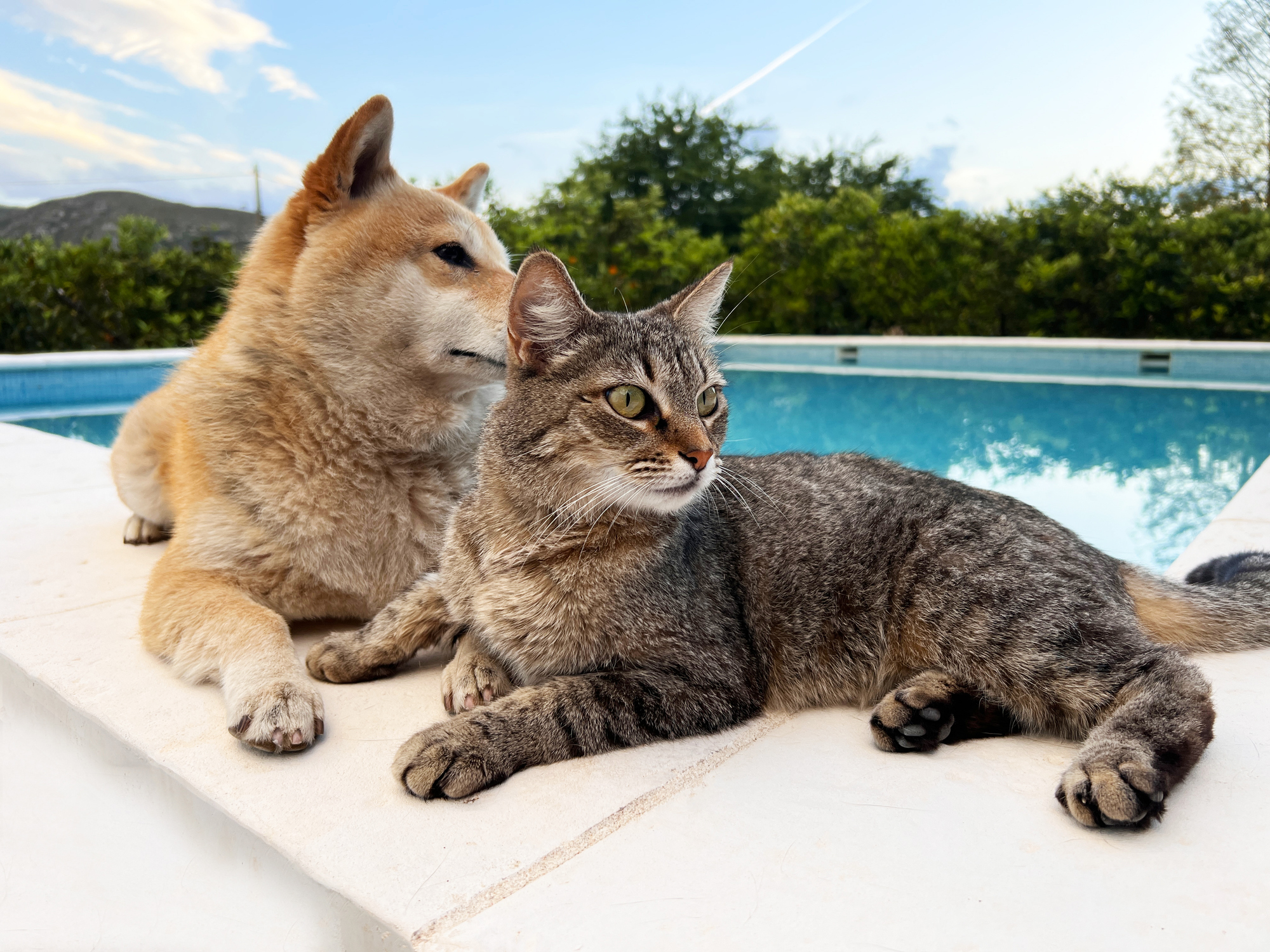
The ease or otherwise with which dogs and cats bond can be affected by a number of factors. Even the breed can have an impact on the way they interact with the other.
From the dog’s side, a lot comes down to personality, previous experiences, training and impulse control. Some breeds, such as Cavalier King Charles Spaniels and Labradors, are naturally calmer around cats, while others may become excited, curious or frustrated very quickly. That does not mean they cannot live happily with a cat, but it does mean introductions need to be managed carefully.
- Cats vs dogs: Science finally reveals which pet is smarter
- What do cats and dogs see? We reveal the surprising truths about their vision and how they see the world
- Expert pet behaviourist explains how to introduce cats and dogs to each other – without fur flying – so they become firm friends
How to introduce them
Introductions should be gradual, because even a friendly dog can overwhelm a cat if it rushes over, stares, barks or tries to chase. Keeping the dog on a lead at first can help owners guide the meeting and reward calm choices.
Callaghan stresses that allowing chasing, even once, is one of the biggest mistakes. Chasing is exciting for dogs and frightening for cats, so preventing that pattern early gives both animals a much better chance to build trust.
“A good approach is allowing your dog to observe the cat from a safe distance, such as through a stair gate or from another room, while being rewarded for staying relaxed," she says. "This helps your dog learn that your cat is part of the home, not something to chase, bark at or become overly excited by."
“It is also important that the cat has places to retreat to, such as high spaces or a separate room.”

Signs it is going well
Good signs include the dog relaxing around the cat, eating and resting normally and not fixating on the cat every time it moves.
A dog that can notice the cat and then calmly look away is showing real progress – revealing a level of relaxed disengagement that indicates comfort. The goal is not always a dramatic bond; often, the best outcome is a tranquil home where the cat feels safe and the dog feels settled.
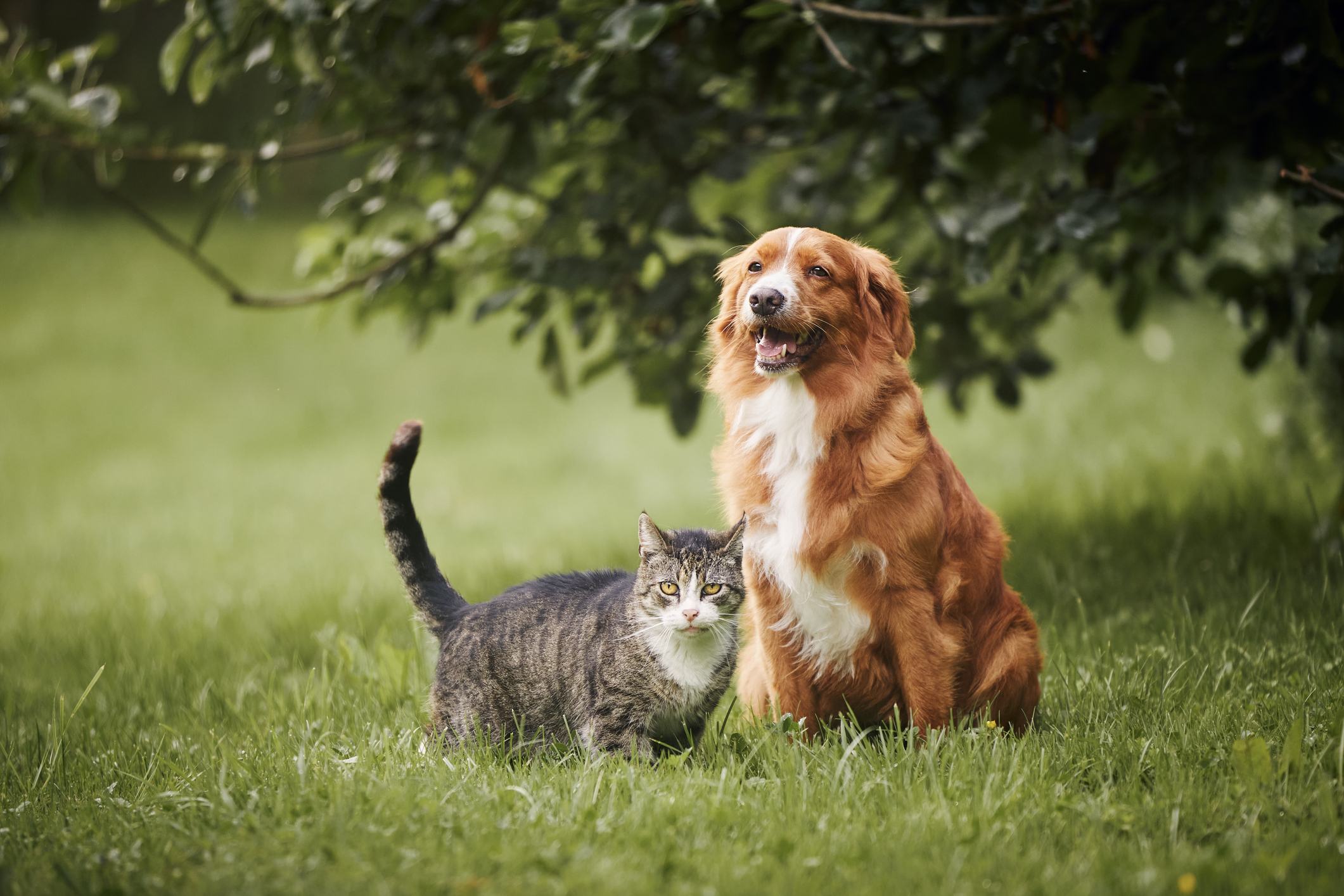
“The aim is not necessarily to have a dog and a cat who are inseparable," Callaghan emphasises. "The real goal is for the dog to feel settled, the cat to feel safe and both animals to share the home without stress. Every bond looks different, and a peaceful relationship is just as valuable as a playful one.”
Leah Callaghan is a veterinary nurse at fresh dog food company Butternut Box.