
Some dogs seem to hang on their owner’s every word, while others appear to have perfected the art of selective hearing. But if your dog ignores your calls in favour of chasing a squirrel or suddenly decides they have no idea what “sit” means, are they really being stubborn?
According to Lissy Chughtai, Behaviour Policy Officer at Dogs Trust, probably not.
While different breeds have historically been selected for particular purposes, from herding livestock to retrieving game, breed alone is a poor predictor of how an individual dog will behave. One major 2022 study involving more than 18,000 dogs found that breed accounted for just 9% of behavioural variation.
“Every dog is an individual,” says Lissy. “Their behaviour is influenced by their learning history, their experiences and their personality.”
So, while a Greyhound might have a reputation for enjoying a chase or a Border Collie for herding, that doesn’t mean every dog will conform to type. A Beagle might love scent work, for example, but so might a Collie. Equally, a Labrador or Spaniel may have been bred from generations of dogs selected to retrieve, but that doesn’t necessarily mean your particular pet will find retrieving rewarding.
Why does my dog ignore me?
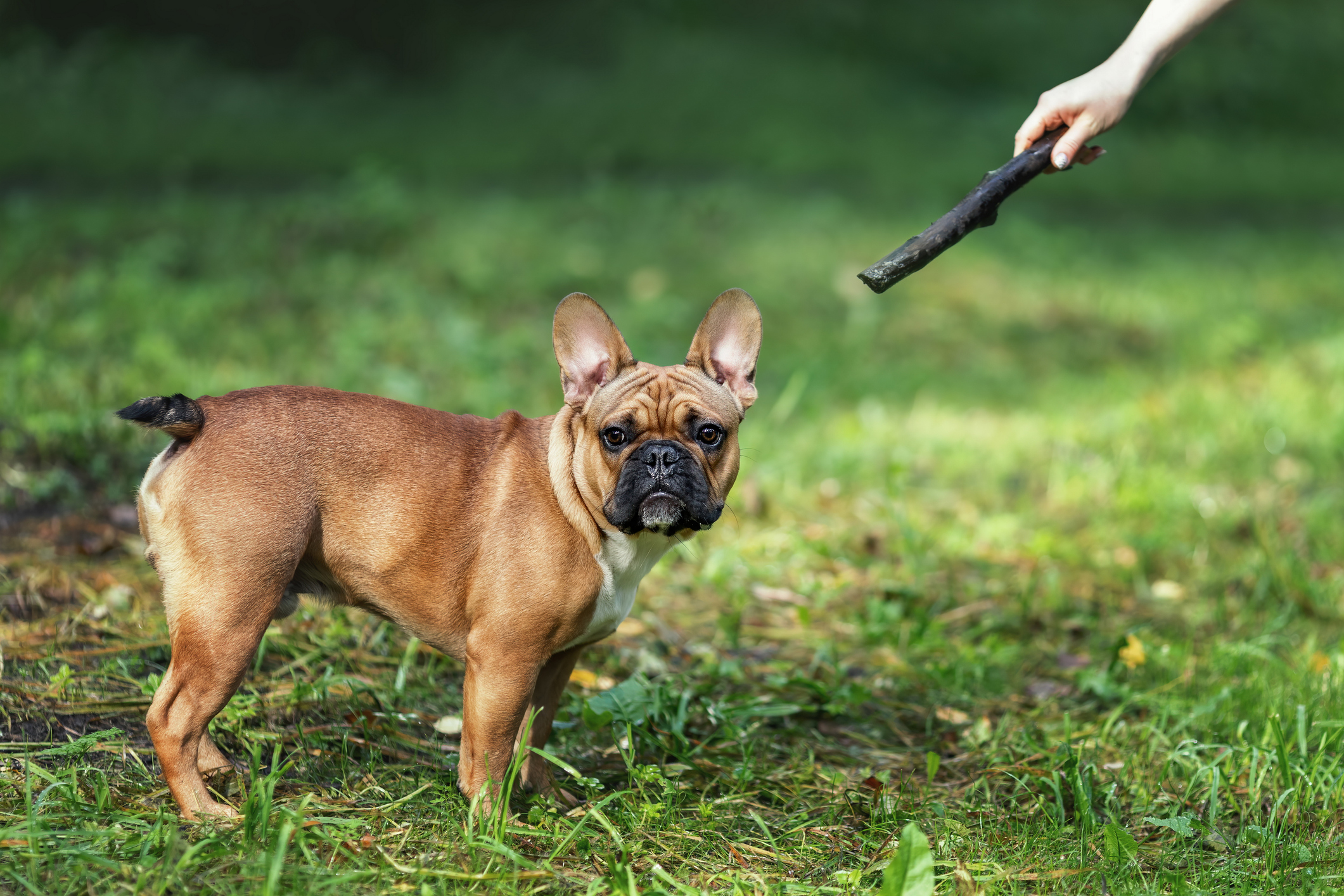
Take recall. Your dog may return beautifully when called at home but seemingly forget everything they have learned the moment they reach the park. The difference is the environment.
Dogs naturally enjoy behaviours such as searching, stalking, chasing and catching. These form part of what behaviourists call the predatory sequence, and opportunities to perform them can be incredibly rewarding.
So, if your dog spots a squirrel, following their natural urge to chase may simply be more exciting than coming back to you.
“They’re not thinking, ‘I know what you want me to do, but I’m not going to do it,’” explains Lissy. “Dogs learn through the consequences of their behaviour.”
Find what motivates your dog
The trick is working out what your dog finds rewarding and using it to your advantage.
Food might be enough for some dogs, while others prefer a favourite toy, praise or attention. For a dog who loves to chase, you could call them away from something tempting before throwing a ball for them instead. You could even run in the opposite direction and encourage them to chase you, turning recall into a game before rewarding them when they reach you.
"Knowing your dog," says Lissy, "is half the battle. Training should also build gradually. A dog who has mastered a behaviour in your quiet kitchen won’t necessarily be able to repeat it immediately in a busy park filled with fascinating sights, sounds and smells."
"Rather than assuming your dog is being difficult, consider whether they really understand what you’re asking, whether the behaviour has been rewarded enough in the past and what else might be competing for their attention," adds Lissy.
And if a dog who has previously performed a behaviour happily suddenly becomes reluctant to do it, don’t dismiss that as stubbornness either. A change in behaviour can sometimes indicate fear, discomfort or pain, so speak to your vet if you’re concerned.
