"All animals are equal, but some animals are more equal than others," wrote Orwell. He might have been writing satirically about the Soviet Union, but it could equally apply to Britain's pets. The UK is renowned as a nation of animal lovers, but that affection is not equally distributed. We only choose to share our lives with a favoured few. So which animals truly steal our hearts and homes?
The UK's pet population has grown by half a million new pets since 2024. There are now 36.5 million pets living in around 18 million homes across the UK. These are the country's top 12 pets, from tortoises to guinea pigs. Who takes the number 1 spot?
12. Pigeons (500,000)
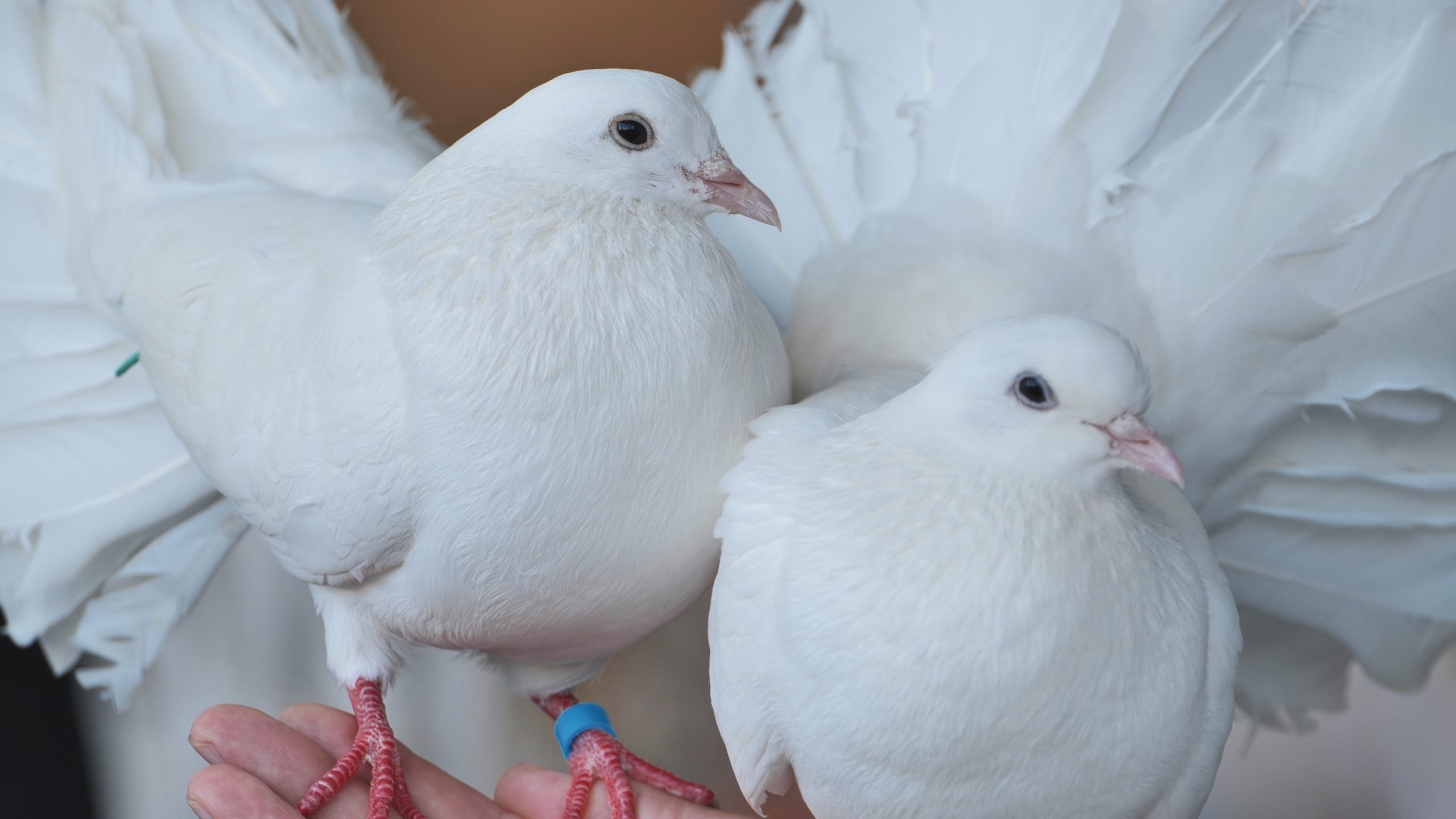
Yes, apparently pigeons - scourge of the city, hapless hobo of the streets - are a popular household pet. Why, you ask? Well, fans say that pigeons are remarkably calm, highly intelligent and incredibly affectionate companions with a laid-back temperament similar to lazy cats. They don’t screech or make loud, shrill calls but rather coo gently at a low volume, and whether you keep them indoors or in an outdoor aviary, they are content with a simple, safe space.
Owners also don’t need a licence to keep one. One issue, however, is incontinence, because birds generally cannot be house-trained. No fear. Many owners use “pigeon pants” (nappies with liners) to keep their homes clean while the bird wanders freely. OK...
11. Horses (600,000)
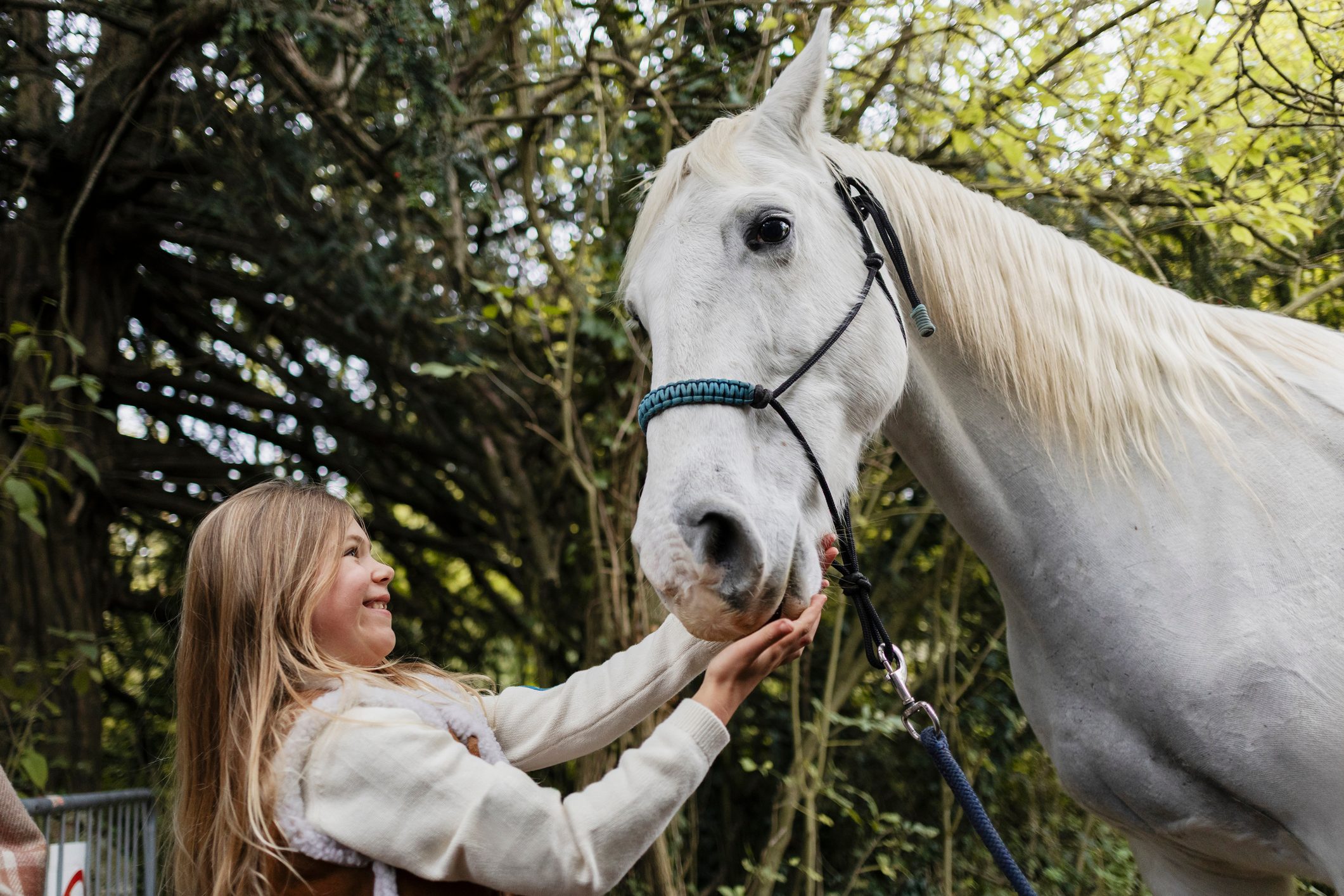
These noble creatures are longstanding companions and helpers - transporting us, hauling goods and even charging into wars (no doubt reluctantly). Horses and ponies are beloved in the UK, making it in at number 11 on our list, with 600,000 kept as pets in the country, found in about 1% of households. More people would probably have a horse as a pet if these large animals weren't such an undertaking - equine care comes with significant long-term commitments and costs. Hay-ho.
10. Snakes (650,000)
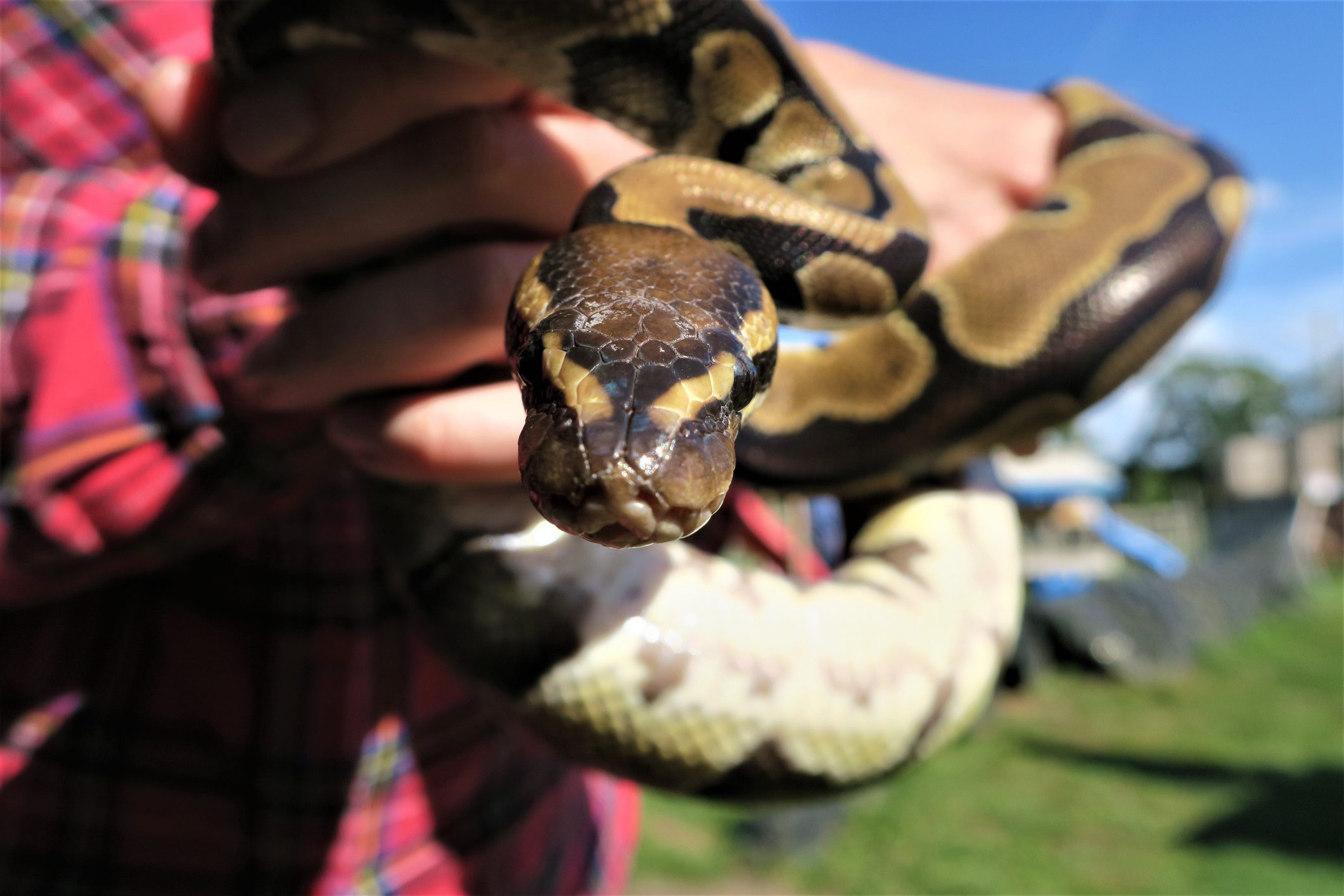
Slithering in at 10 is the slinky snake – around 650,000 are kept as pets. The vast majority are non-venomous, docile species such as corn snakes and royal pythons, which don’t require a licence to keep. Yes, there are a few venomous snakes wriggling around in some homes, but they do require a licence.
The steady rise in reptile ownership in the UK has been attributed to changing British lifestyles. Snakes don’t require a garden or outdoor walking space; they are silent and produce virtually no odour if cleaned correctly; and they are have no fur or dander, making them safe for owners with severe allergies. However, many welfare advocates argue that traditional glass vivariums are too small, preventing snakes from exercising and extending to their full body length. We all like to sssstretch out, after all.
9. Guinea pigs (650,000)
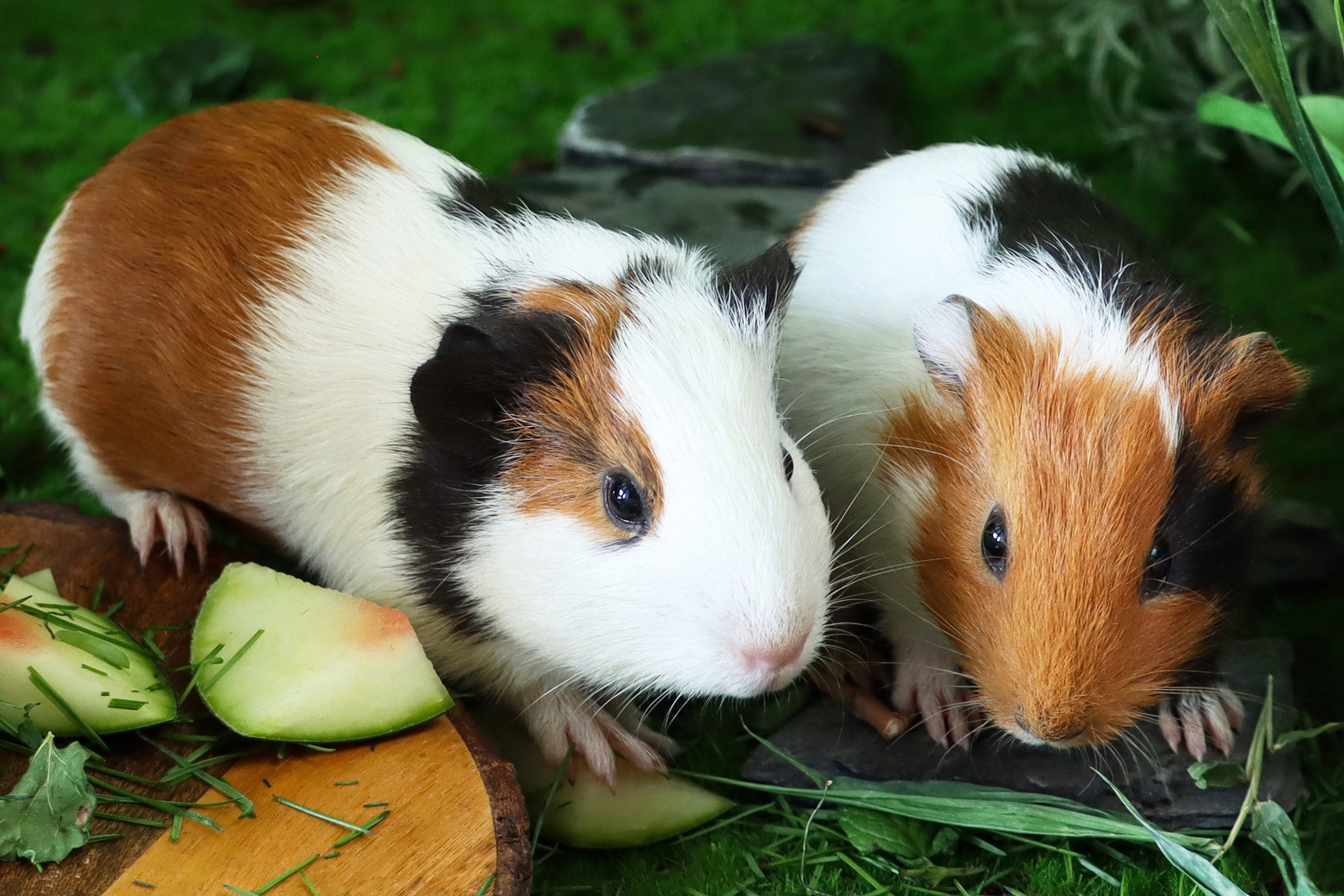
Small in size but big in personality, guinea pigs are chatty, fun and less likely to bite than smaller rodents (take note, hamster fans). They are also active in the daytime, making it easier for owners to interact with them, and they are magnificently squeaky at the sight of extra carrots. These highly social animals are best in pairs or small groups, but they also breed rapidly and can quickly overwhelm owners. Last year, the RSPCA saw a 40% increase in the numbers of guinea pigs going into care in their national centres.
- A terrier thrown from a speeding van and other amazing animal rescues
- More than 450 animals suffered horrific abuse: Farmer sent to jail following one of the UK’s most horrendous animal cruelty cases
8. Hamsters (750,0000)
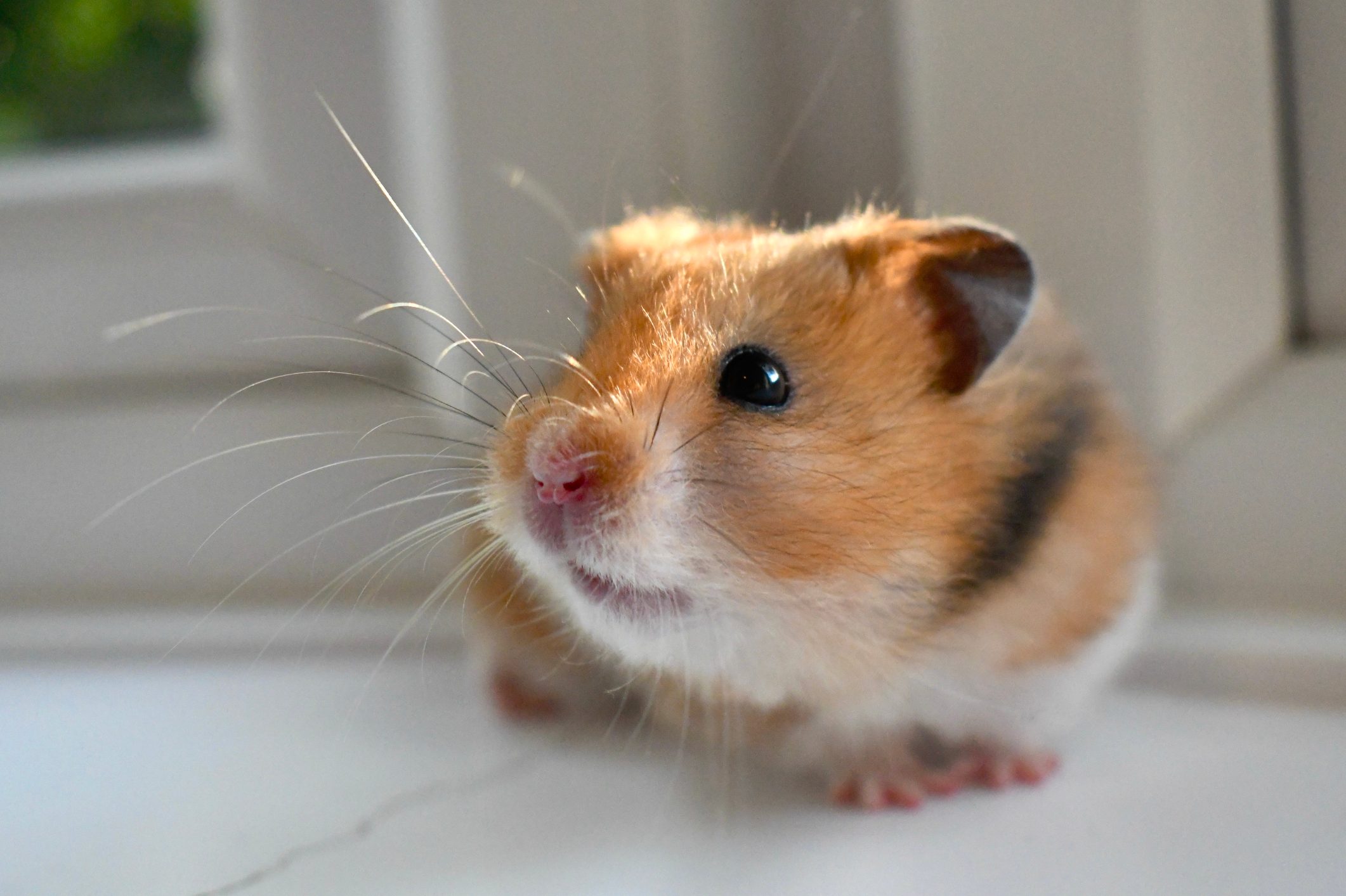
Of course hamsters are on the list. They are the classic first pet for children, who watch entranced as the manic hamster races around a wheel and shuffles under sawdust. Hamsters are compact, relatively low-maintenance and require no extensive training or daily outdoor walks. They sleep during the day and are active at night, making good pets for people who work or study during the day. Plus, as generally solitary animals, they shouldn't get too lonely if you are out of the house.
Meticulous self-groomers, hamsters usually choose one designated corner of their habitat as a bathroom, making cage spot-cleaning easy. Owners should make sure that hamsters have adequate space and a wheel that is large enough to avoid back injuries.
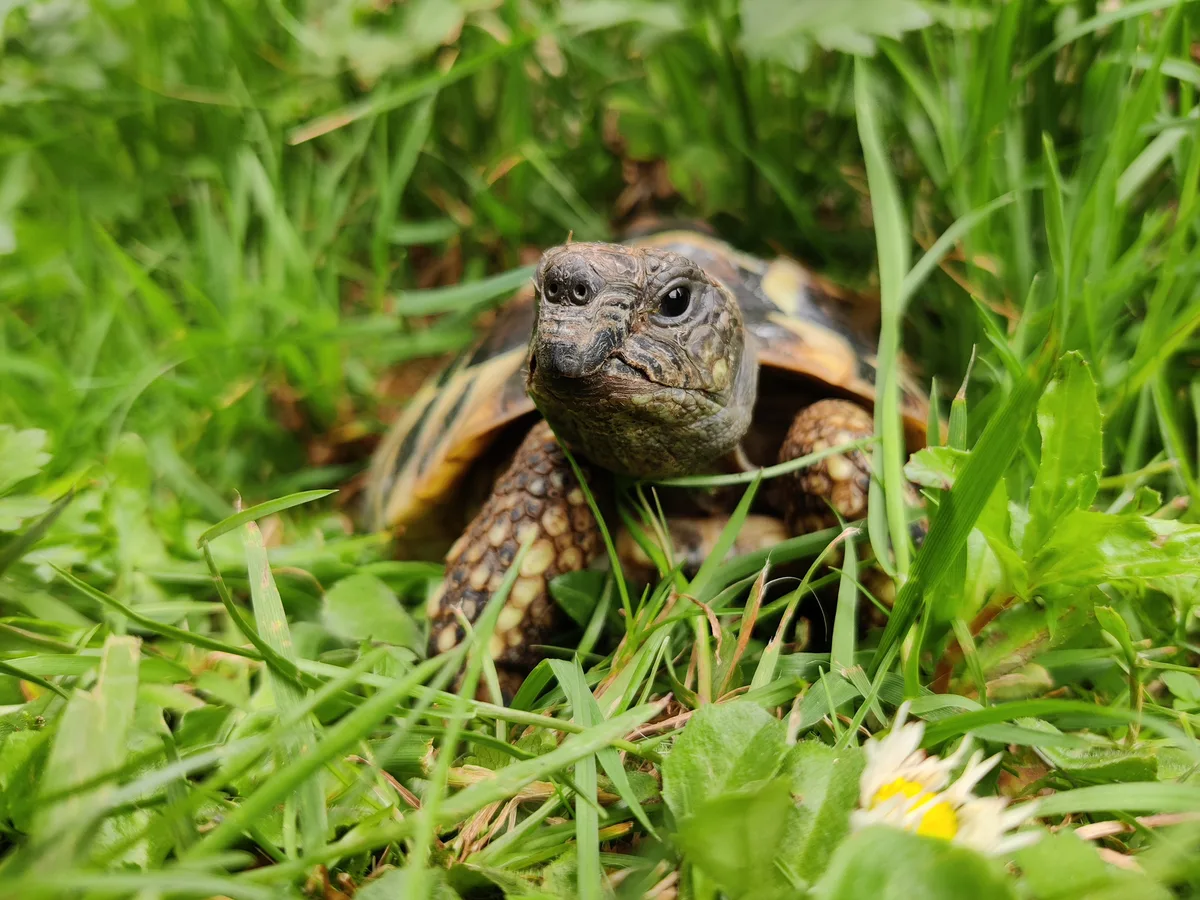
7. Tortoises and turtles (800,000)
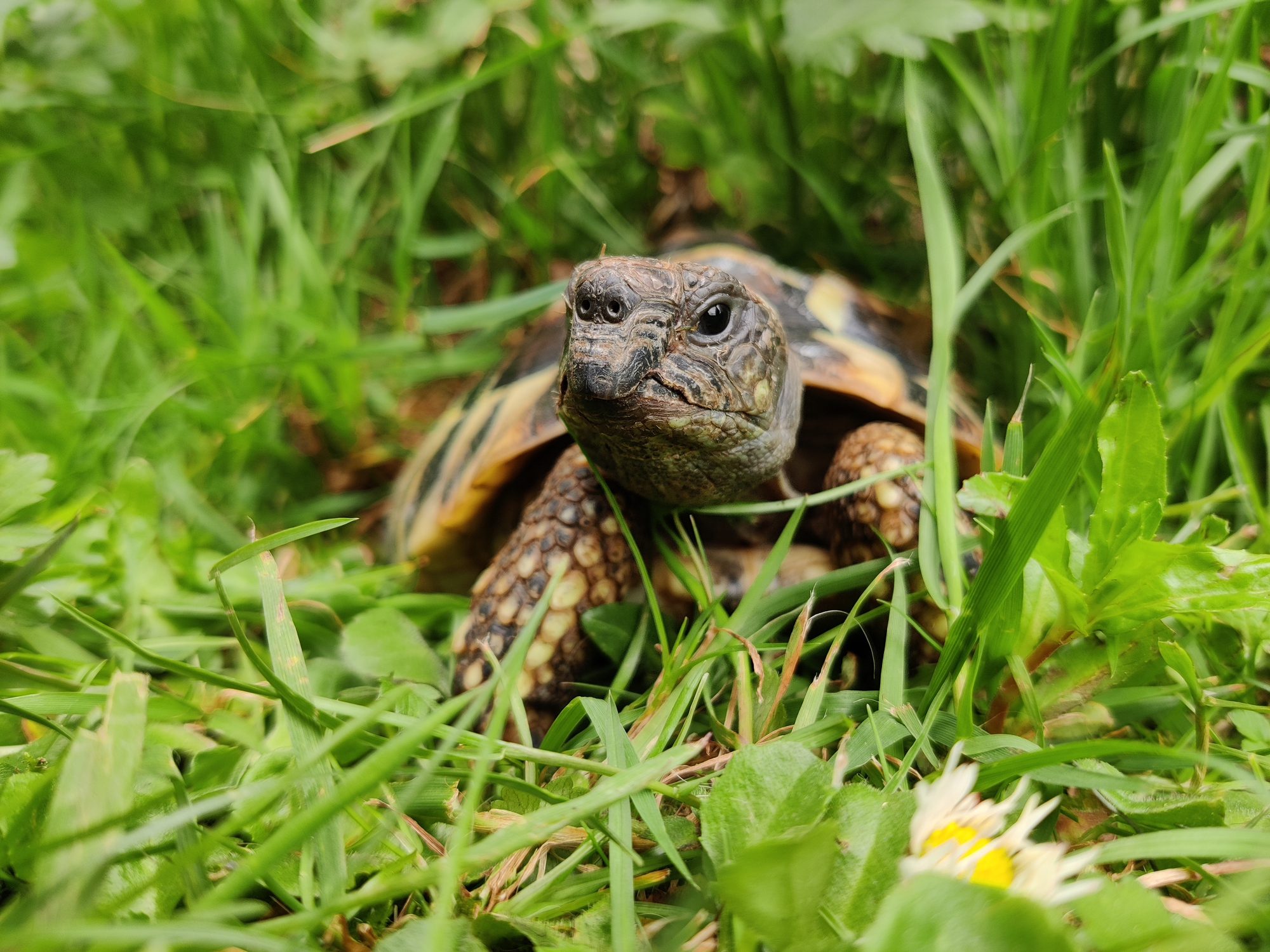
Approximately 800,000 tortoises and turtles are kept as pets in UK homes. Demand is often driven by media trends - the Teenage Mutant Ninja Turtles movies caused terrapin purchases to spike significantly in the 1980s and 1990s. Advocates say tortoises and turtles make excellent pets because they are quiet, odourless and hypoallergenic and don't require daily walks. Owners often form deep, rewarding bonds with their slow and steady reptile friends, noting their pets' unique personalities.
Tortoises and turtles can live anywhere from 30 to over 50 years, and they need UV lighting, specialised heating and exotic veterinary care. So make sure you're ready for a long-term commitment.
6. Lizards (800,000)
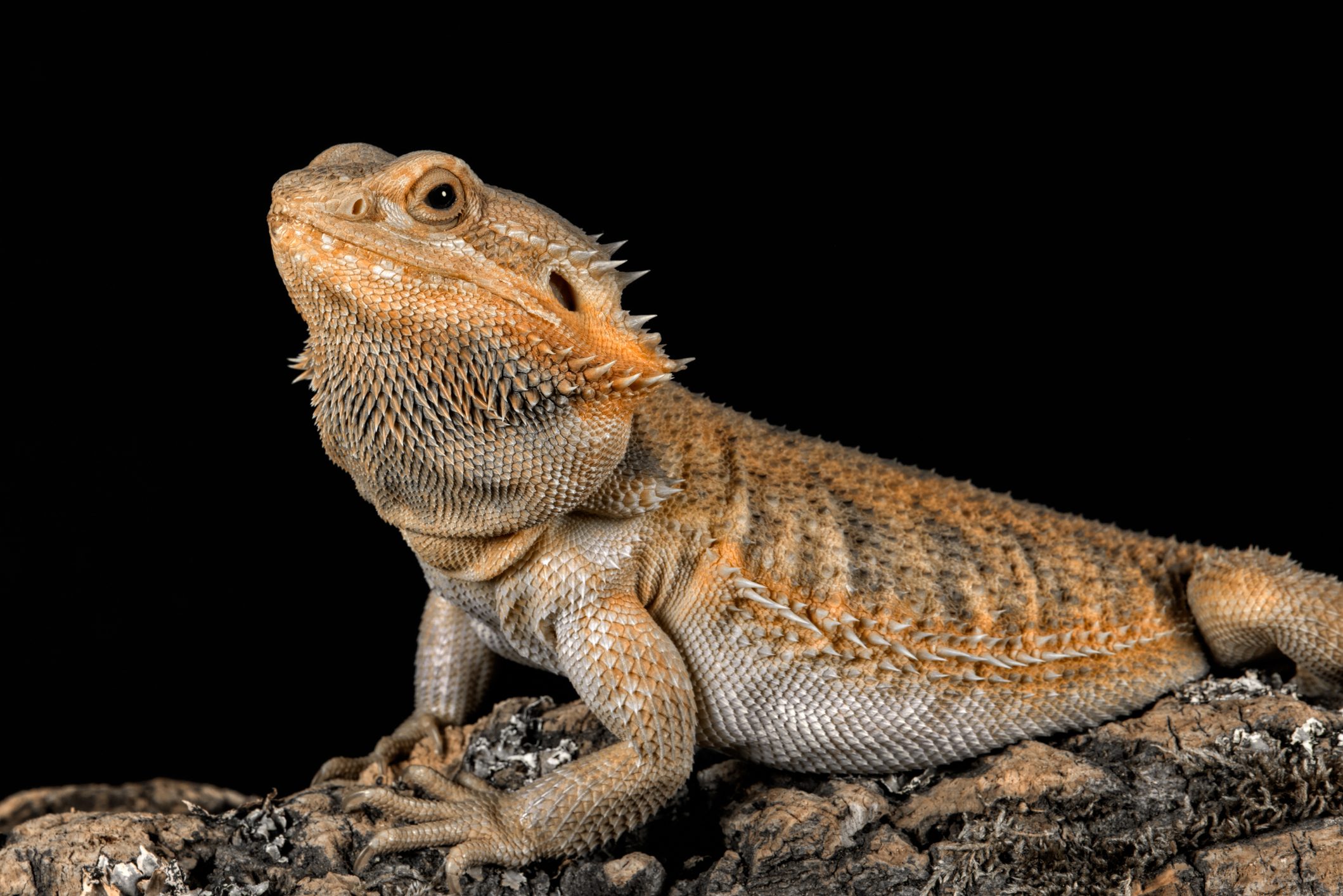
It might seem unlikely, but apparently 800,000 lizards are kept as pets in the UK, living in about 1.8% of households. The rise in lizard ownership, particularly for species like bearded dragons and leopard or crested geckos, is partly because people view them as a stylish, low-maintenance choice.
However, lizards require specialist care and require well-designed vivariums. Reptile rescues are a major part of the RSPCA workload, with inspectors routinely dealing with neglect and abandonment of exotic pets. In a typical year, over a thousand reptiles, including bearded dragons, end up in RSPCA care.
5. Rabbits (800,000)
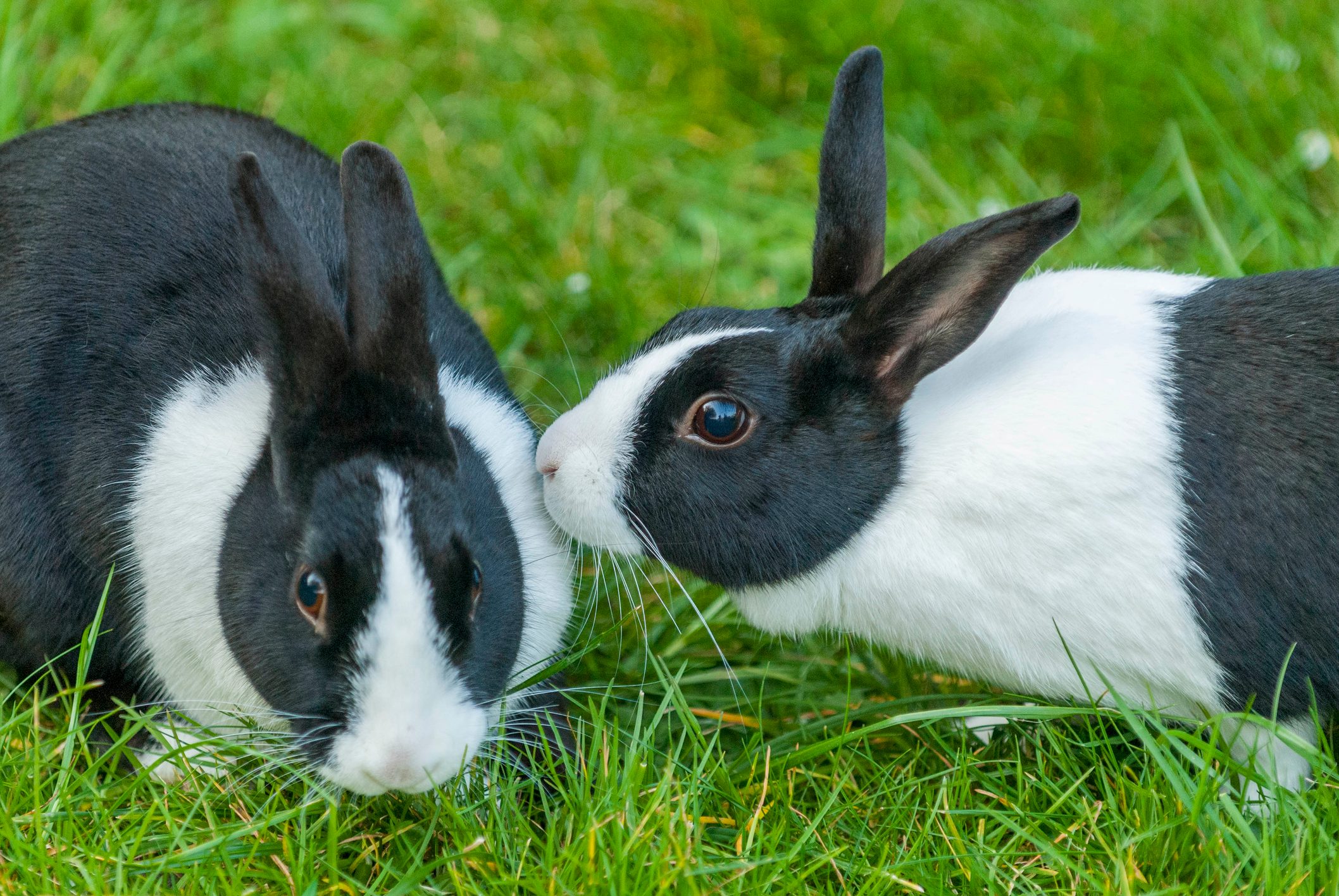
One of the fastest-growing pet populations, rabbits are kept by roughly 1.2% of households. Their popularity is in part because they can be kept in smaller gardens or converted indoor spaces, making them appealing to those who lack the room for larger animals.
However, according to a study by the University of Liverpool, about three in 10 pet rabbits are kept in enclosures or hutches that are too small, often preventing them from hopping, running, or stretching properly. Intelligent, inquisitive and highly expressive, these animals are also incredibly sociable and need the companionship of their own kind, yet roughly half of all pet rabbits are kept alone.
4. Domestic fowl (1,200,000)
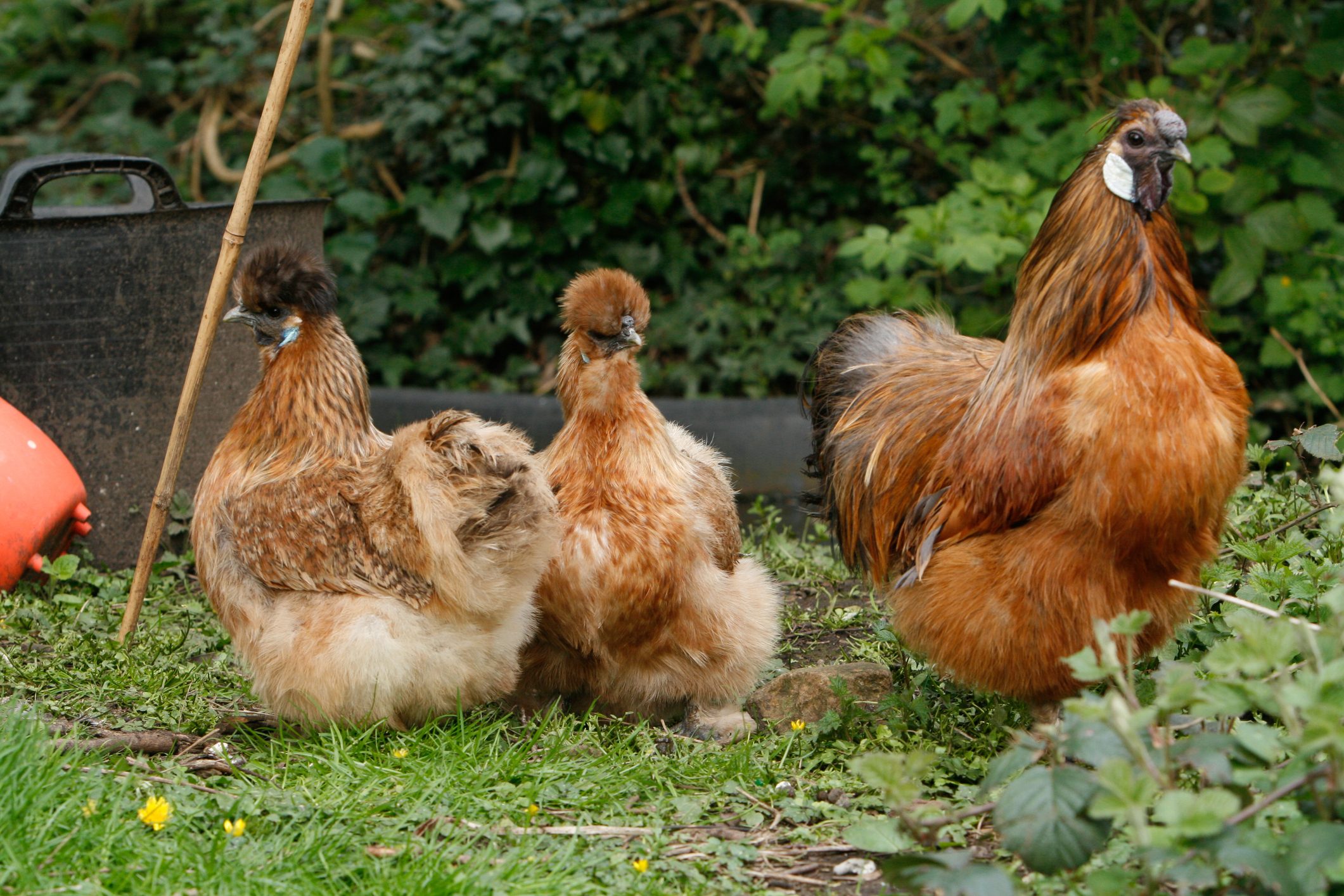
Keeping backyard chickens has surged in popularity, with over a million domestic fowl kept as pets in about 1.1% of UK households. Chatty, curious and charming, these alternative pets are prized for providing a sustainable and traceable supply of fresh eggs, turning gardens into tiny, clucking farms.
Chickens also offer natural pest control, scratching and foraging for insects, while their droppings make excellent compost enrichment for home gardens. Another selling point is their role as dawn alarms. It's a LOUD wake-up call.
Charities like the British Hen Welfare Trust have popularised rescuing commercial laying hens, offering people the opportunity to save animals and give them a happy retirement. The RSPCA advises keeping a minimum of three birds to ensure they have adequate social company.
3. Indoor birds (1,400,000)
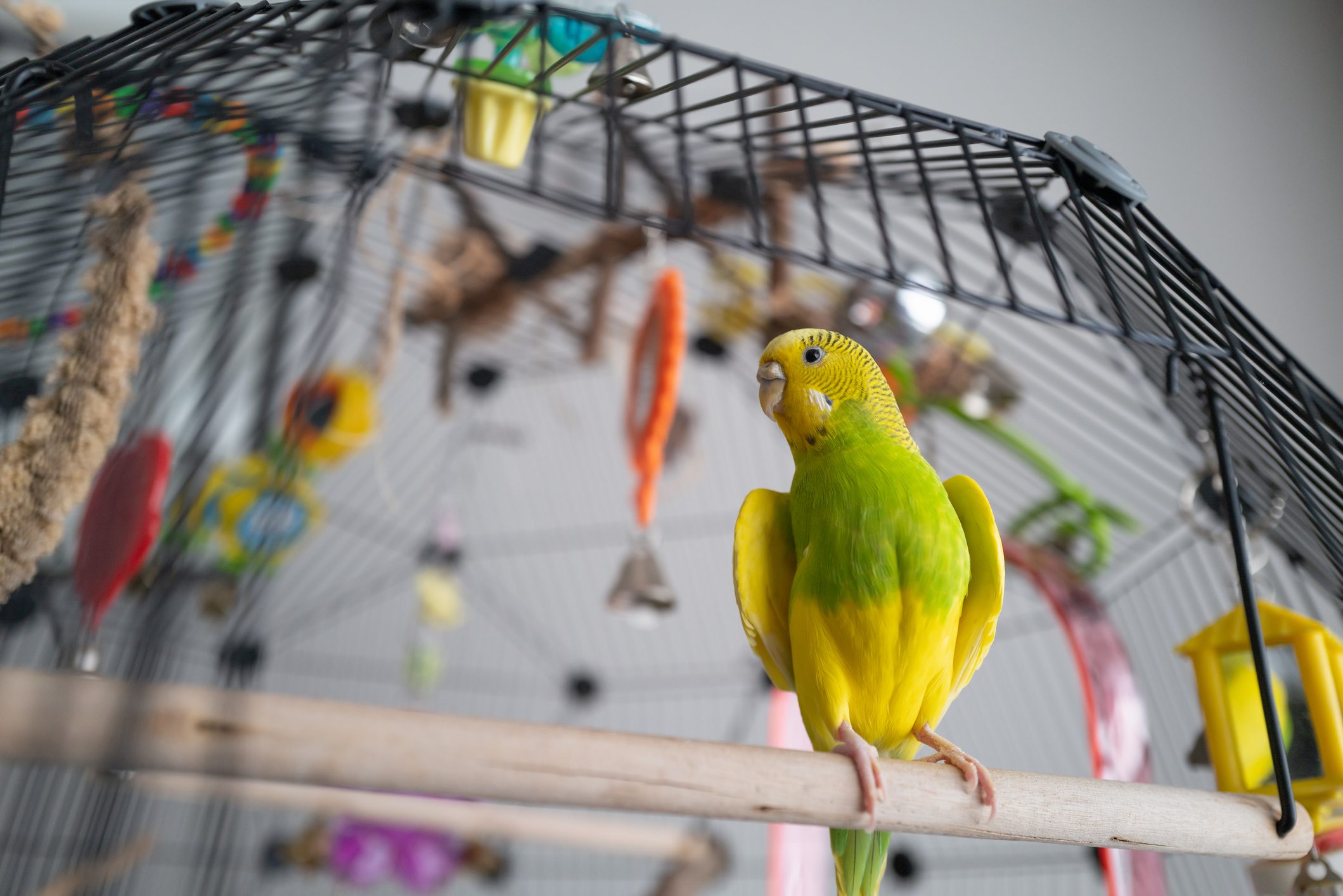
There are about 1.4 million indoor pet birds living in around 2.7% of UK homes nationwide, with budgerigars reigning as the single most popular companion bird. Owners say that indoor birds such as budgies and parrots bring colour, noise and personality to homes. The birds are clever, enjoy games and can become feathered members of the family with some training and daily interaction.
Caring for a pet bird can be very rewarding, but critics such as PETA say a bird needs flight and should never be caged. They’re also a big commitment - some parrots can live for over 50 years.
2. Cats (13,000,000)
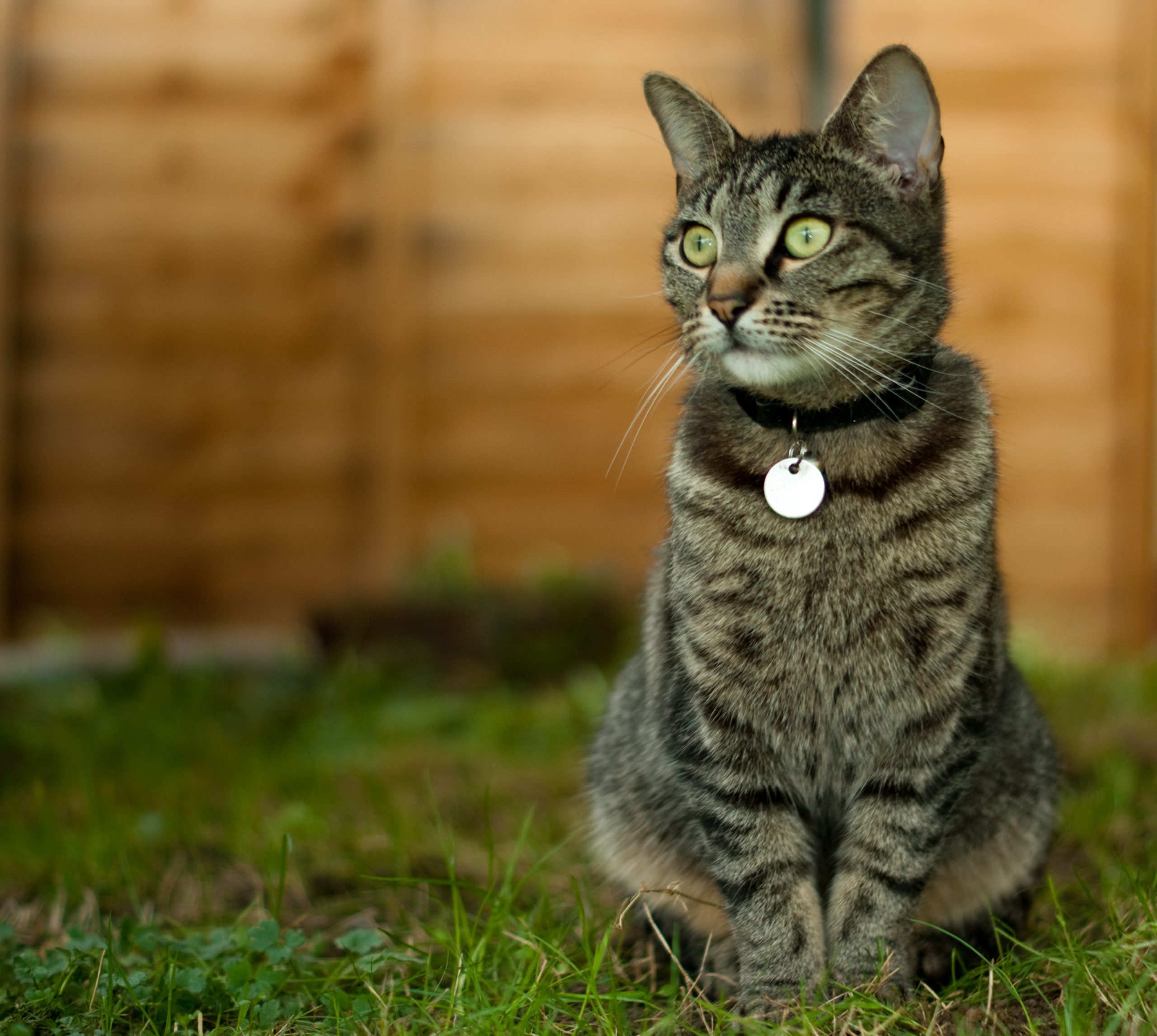
Here comes the leap in numbers. Jumping in to second place on our list, with 13 MILLION individuals, it's that feline favourite, the domestic cat. Roughly 30% of households in the UK own at least cat, almost one in three homes.
What makes them so lovable? Admirers cite the independence, occasional cuddliness and calming presence of cats. Plus their handsome looks and stylish coats. Critics say that between 27 and 55 million birds are killed in the UK every year by domestic or feral cats.
Cat ownership has surged amongst younger age groups (18-34 year olds) in recent years. About 23% of cats are adopted from rehoming charities, while 38% are purchased and 16% are taken on from family, friends or neighbours.

1. Dogs (15,500,000)
Stealing the number one spot, occupying 41% of UK households, is Britain's best friend, the dog. Dogs top the chart as the country’s most beloved companions, ready to tag along for walks, sofa snuggles and the occasional heroic rescue of your missing sock. Few people can resist the appeal of a waggy tail, an earnest gaze and the unbridled enthusiasm that dogs bring to daily life.
Dog ownership requires routine outdoor walks, which also benefits owners, who get fresh air, exercise and adventures, as well as social interactions. Owners often speak of their dogs as more of a family member than a pet, crediting them with emotional support, reduced loneliness and lower stress. Done responsibly, dog ownership is a winner.
