
As we age, it becomes more and more important to look after our health. But while healthy eating and daily exercise are crucial, a new study says you could be missing a simple step.
For older adults in urban areas, bright light therapy could be a simple way to improve sleep, activity levels and circadian rhythms.
As part of the first real world study of its kind, a team of researchers from the University of Surrey investigated whether the benefits of bright light therapy could be translated into everyday life.
“Exposure to daytime light is crucial to regulate our circadian rhythms and our sleeping patterns,” said Dr Daan Van Der Veen, Senior Lecturer in Sleep and Chronobiology at the University of Surrey.
“However often older adults in urban areas, due to the decline in their eyesight or perhaps mobility issues preventing them from going outside, do not get this exposure to good light.”
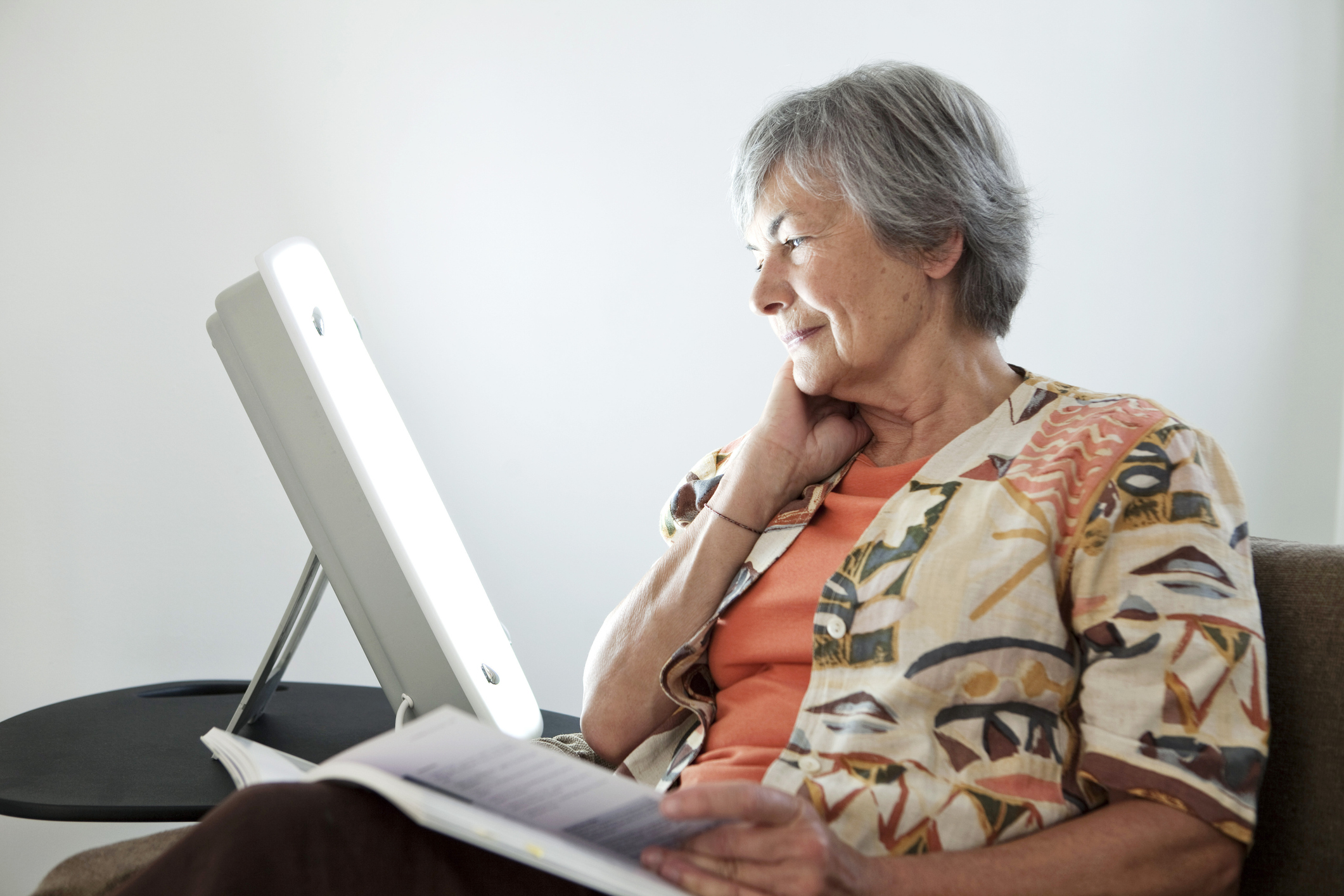
The team of scientists recruited over 200 participants between 63-92. These people were found across three very different European cities including Tartu, Bologna and Amsterdam.
After two weeks of baseline assessments, the participants were put into two groups. One received light therapy at home and a control group who didn’t receive any therapy.
The group receiving therapy had a lamp which they were asked to place at head height in the room they spent the most time in. The lamp was to be turned on in the morning and turned off four hours before they went to bed.
After the study had completed, the team found that participants with higher levels of natural light exposure showed drastically higher daytime levels of activity, were more awake throughout the day and reported better overall sleep.
Interestingly, those who reported themselves as morning people and started their light supplementation earlier in the day were much more active during the day. They also had less disrupted rest than those who started later in the day.
“What we have found is that early administration of light supplementation significantly enhances activity levels and reduces rest-activity fragmentation in older adults,” Débora Constantino, a Postgraduate Research Student at the University of Surrey, said.
“This is an exciting discovery and provides real-world evidence that light is a simple, non-pharmacological, and potentially cost-effective intervention, which, from a public health policy perspective, could help support healthy ageing. These findings highlight a clear opportunity for policymakers to integrate structured indoor light supplementation into community care frameworks and care home guidelines.”
