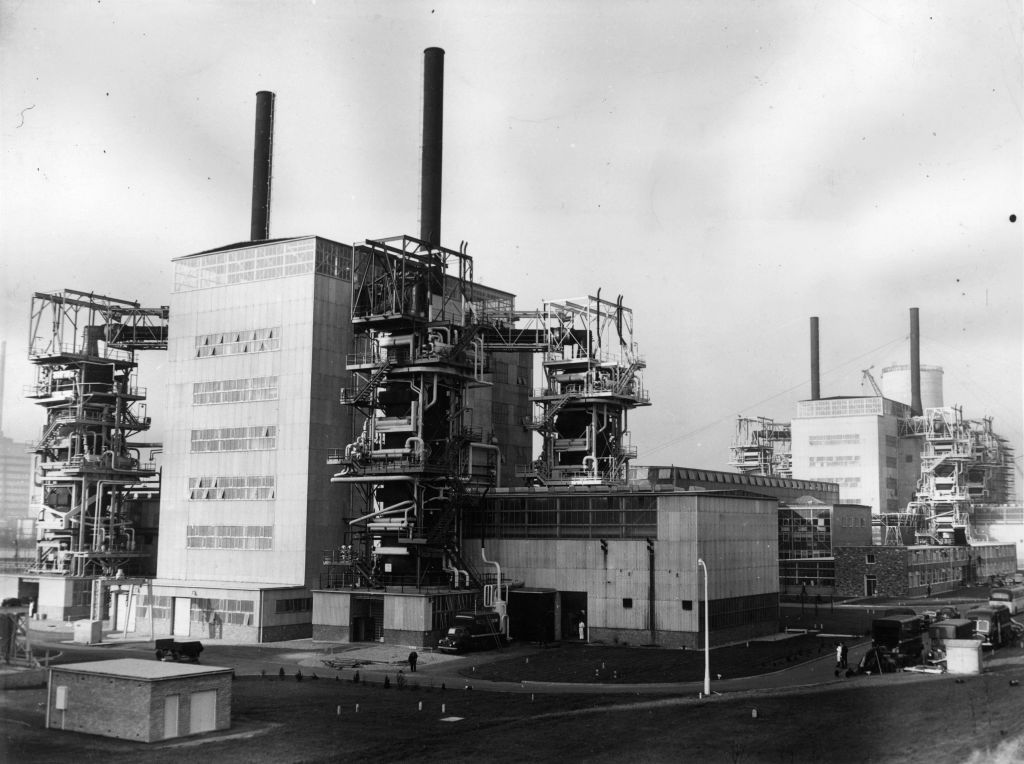
On 10 October 1957, a fire broke out at the nuclear facility at Windscale on the Cumbrian coast in northern England. It burnt for around three days and sent radioactive material into the atmosphere across Britain and mainland Europe.
News of the incident was suppressed at the time, and there was no mass evacuation of the surrounding countryside, including the Lake District National Park just a mile east of Windscale. It was only later that the severity of the fire became known.
What are the worst nuclear accidents in history?
It is now regarded as the worst nuclear accident in British history and one of the most serious nuclear accidents in the world, rated level 5 on the International Nuclear Event Scale (the same rating as the partial meltdown of Three Mile Island, USA, in 1979 – Chernobyl, USSR, in 1986 and Fukushima, Japan, in 2011 are both rated 7).
- Poisoned then abandoned: Discover the story behind Scotland's Anthrax isle of death
- “A fantasy of post-apocalyptic space… now grown over by nature”: The remarkable reinvention of Orford Ness
The long-term health impact of the disaster has been widely debated. Early official estimates suggested that around 100 premature deaths may have resulted from radiation exposure, although some later studies have proposed higher figures of 240.
Could the Windscale fire have devastated the Lake District?
And yet, without the initially derided filters installed on the chimneys of Windscale by scientist Sir John Cockcroft, the human cost could have been even more devastating. The landscape of the Cumbrian coastline and significant swathes of the Lake District could have been left out of bounds for both people and agriculture, meanwhile, forever changing one of Britain's most cherished landscapes.
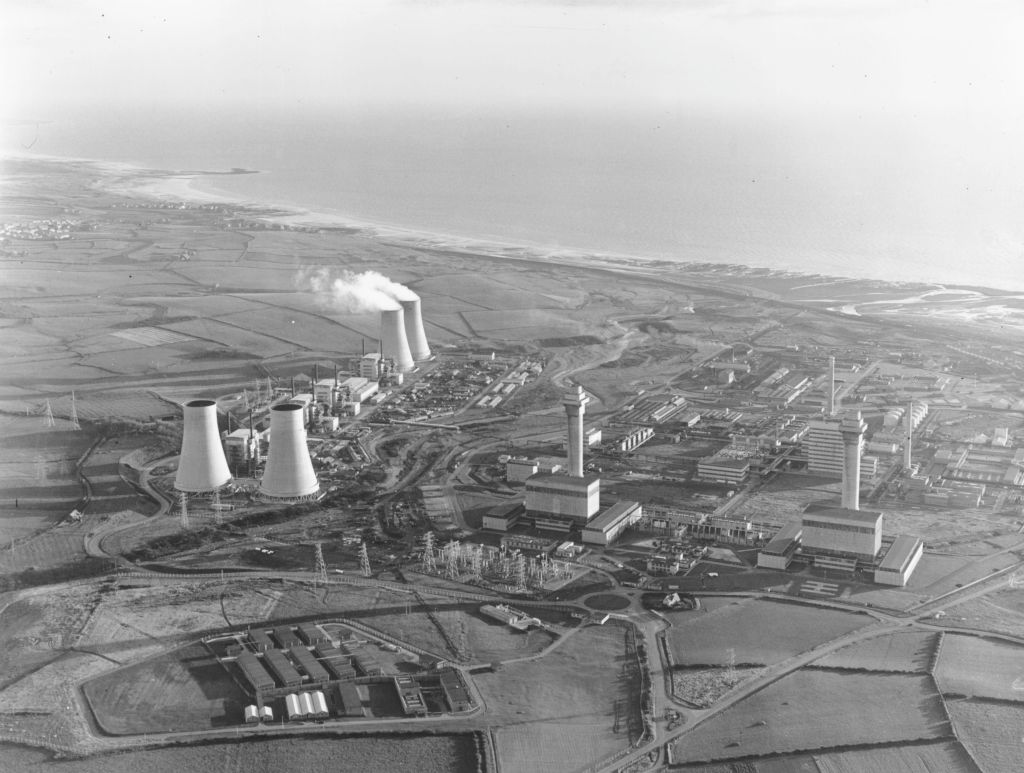
Windscale, now part of the Sellafield complex, had been a wartime munitions site before being converted after the war to produce plutonium for Britain’s nuclear weapons programme. This urgency, driven by Cold War pressures, meant that safety considerations were sometimes secondary to production targets. The reactors were innovative but flawed, and some design risks were not fully resolved before operation.
- Spiralling costs, fish discos and vast radioactive waste. Is nuclear really the solution to Britain’s energy problem?
- You’d probably have to grow your own food after the apocalypse – and scientists say this protein-rich vegetable is the answer
The fire began during a routine procedure intended to release stored energy, known as Wigner energy, from the reactor’s graphite core. During the process, operators misjudged the heating of the reactor, which caused fuel elements to rupture and ignite. The fire took hold deep inside the reactor and proved extremely difficult to control because of the intense heat.
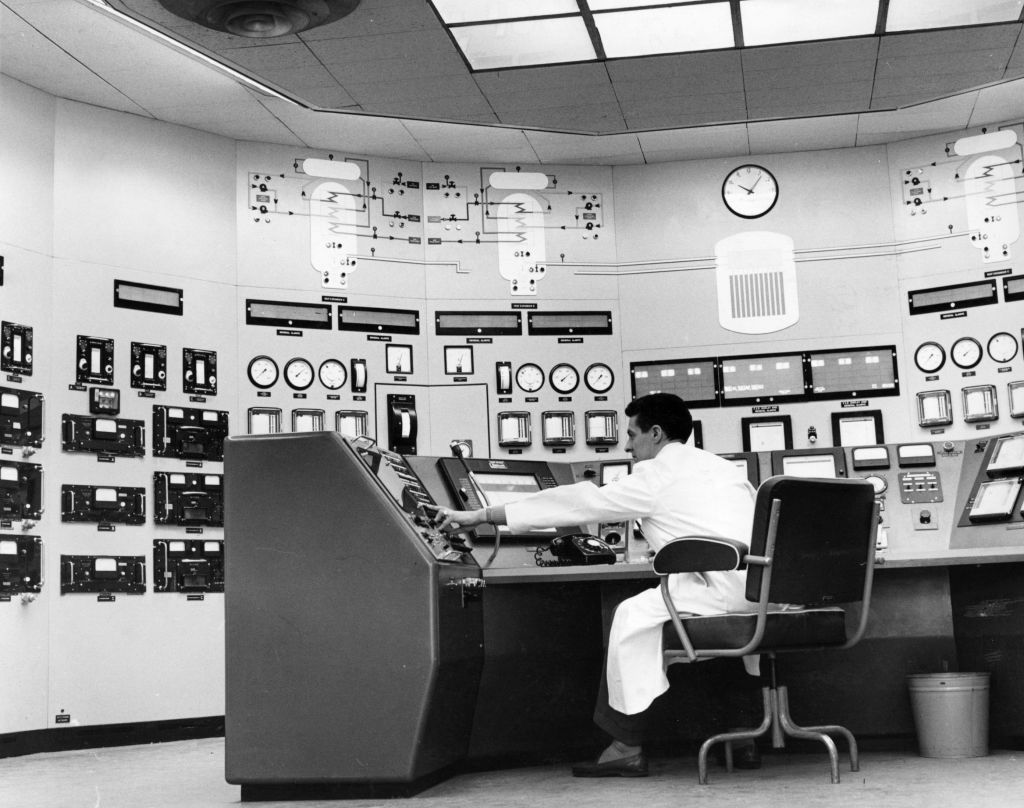
For three days, workers battled the blaze under hazardous conditions, with limited protective equipment and only a partial understanding of the risks. Early attempts to bring the fire under control did not succeed. Eventually, water was pumped into the reactor to cool it, a risky move that was feared could worsen the situation, but it ultimately helped extinguish the fire.
Before the fire was contained, significant amounts of radioactive material were released into the environment, including iodine-131, caesium-137, and other isotopes. Iodine-131 was of particular concern because it can accumulate in the thyroid gland and increase the risk of cancer.
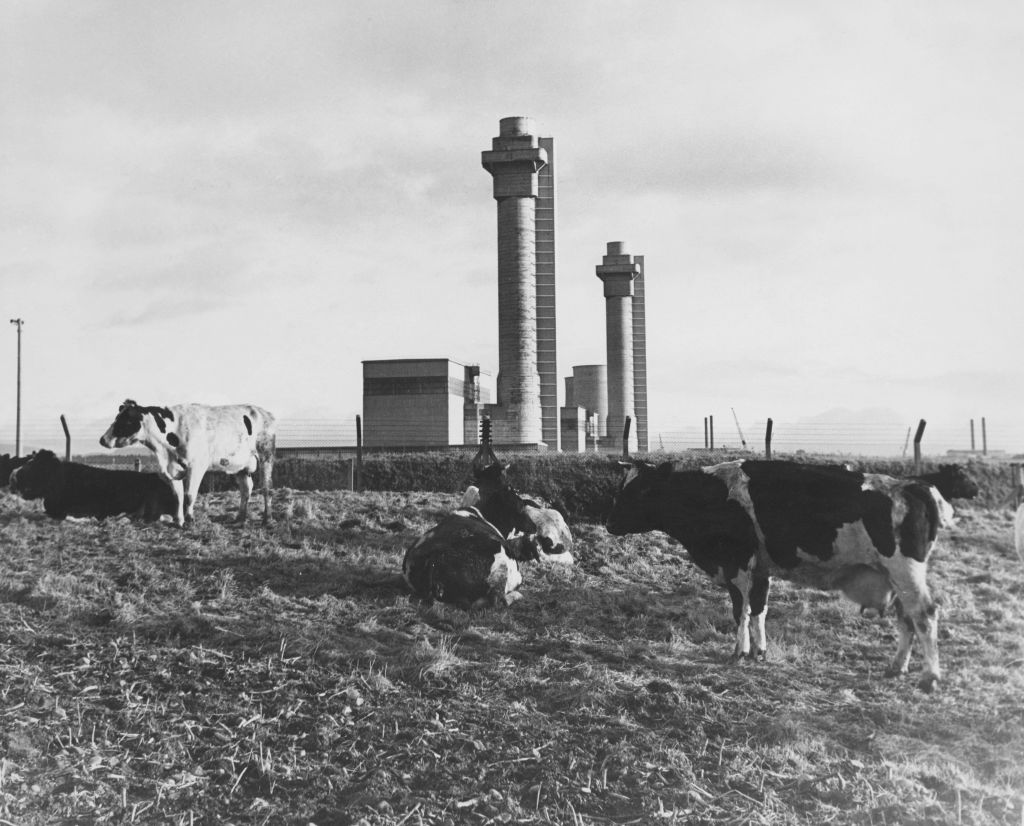
In response, authorities quietly arranged for the destruction of contaminated milk from nearby farms, one of the few immediate protective measures taken. No evacuations were ordered, however, with the cover-up ensuring that many local residents were left unaware of the fire and subsequent radioactive release.
What saved the Windscale fire from being a catastrophe?
During the subsequent cleanup, the public learned how a catastrophe was narrowly avoided because a pioneering scientist, Sir John Cockcroft, had insisted on installing filters at the top of the facility's chimneys. Initially mocked as an expensive delay and labelled 'Cockcroft's Follies', these filters trapped roughly 90% of the escaping radioactive material.
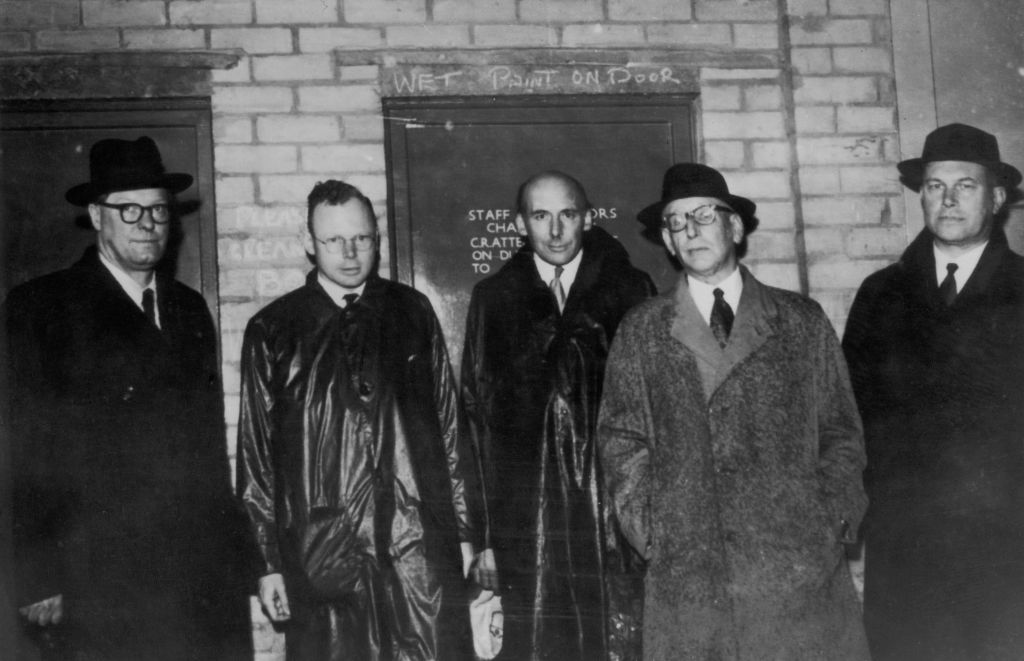
In an attempt to improve the plant's poor public image due to this and other accidents, the government eventually renamed the Windscale site to Sellafield in 1981.
The Windscale fire exposed weaknesses in reactor design, safety procedures and government transparency. It prompted changes in how nuclear facilities were managed and regulated in the UK, as well as greater awareness of the potential dangers of nuclear energy. Today, it stands as a reminder of the risks associated with technological ambition when safety is compromised.