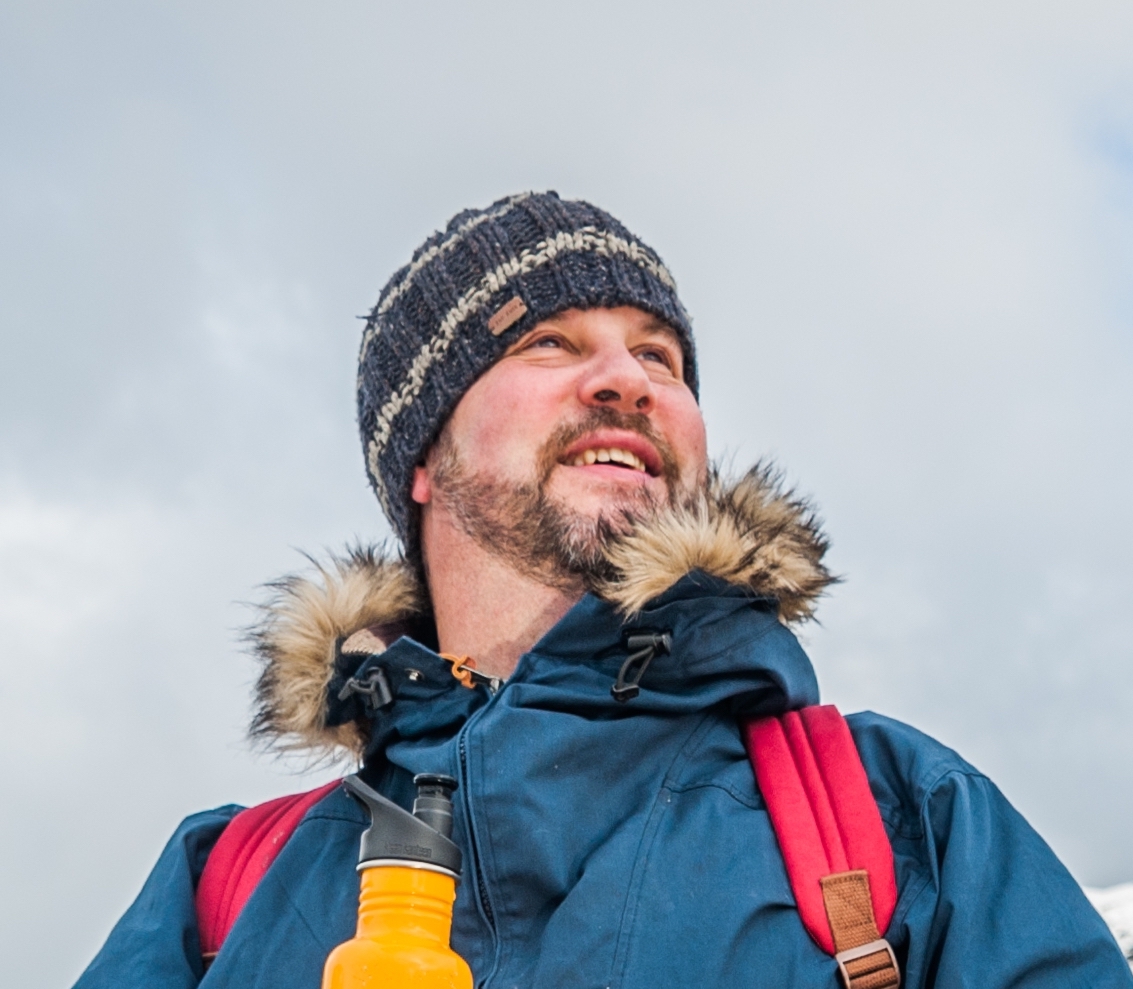
High above the glass-like surface of the last really warm days of summer, I’m straining to focus on a tiny dot drifting on a thermal around 300ft over the rugged ridgeline of Riggindale.
It’s almost certainly a buzzard – or possibly a hen harrier – but it’s too far away to be sure without a scope, which I had absent-mindedly left in the back of the car some 500ft below me. I’ve been here before – usually in Scotland – where a large raptor appears in the distance and my heart skips a beat: could it be an eagle?
A decade or so ago, I would have been more hopeful of spotting an eagle here, but it has been a long time since eagles were permanent residents of this lonely upland landscape. Today, a determined team of conservationists, working with a partnership of local landowners, is hoping that this is all going to change over the next few years, with the welcome return of the golden eagle to this remote corner of England.
Haweswater and Ennerdale Water are somewhat inaccessible bodies of water lying at the eastern and western boundaries of the Lake District National Park and have remained off the well-trodden tourist track.
In these wild and lonely places, it’s possible to glimpse of how the Lakeland landscape might have looked a century or so ago. These are not rewilding projects; the landscapes remain carefully managed and sustainable farming practices are central to their success. But both projects aim to create more space for nature to recover on her own terms and at her own pace. And it’s not just about the return of the eagles…
Haweswater: Valley of eagles

The craggy uplands surrounding the head of the reservoir are only half the story at Wild Haweswater. Running parallel to the valley of Mardale – which was dammed to extend the existing natural lake in 1935 – is the pastoral valley of Swindale and, sandwiched between them, the ancient woodland of Naddle Forest.
And it’s this patchwork of contrasting habitats that makes this nature recovery project so exciting. By reducing grazing pressure, keeping out deer and allowing the natural wildlife to re-establish itself in both valleys and uplands, conservationists anticipate an explosion of biodiversity, as scarce species such as the pine marten make a welcome return.
In Swindale, the beck running along the valley floor has been re-wiggled and re-connected to its natural floodplain, recreating a species-rich wetland along its banks and prompting migratory salmon to attempt spawning on the fresh gravel riverbed.
Visitors are welcomed, but owing to an almost-complete absence of tourism infrastructure, the local community is encouraging visitors to explore in more sustainable ways that are in tune with nature. Even car parking is limited in these quiet, isolated valleys and the best ways to explore are on foot, by bike or e-bike or even with the help of a pack pony.
Our tour begins just a hop and a skip from the M6 motorway. Lowther Castle at Askham is a popular tourist destination in its own right and thanks to a tie-in with the RSPB at Wild Haweswater, it’s possible to hire a bike or e-bike from Arragons Cycle-Hire and pedal the 11km (seven miles) on quiet lanes to Naddle Farm.
There’s a public car park at Mardale Head at the southern tip of Haweswater itself and from here, a number of walking trails head off around the reservoir or over the fells and into Swindale. But for the ultimate sustainable adventure, how about hiring a guide and a couple of native Lakeland pack ponies for a multi-day trek over the surrounding fells? Fell Pony Adventures run small group tours exploring Swindale, Mosedale and Haweswater, where everything is provided – including food and overnight accommodation at specially licensed wild camping sites.
Visit a fell farm

The RSPB’s Naddle Farm offers a number of ways to get closer to nature – from watching a family of badgers emerge in the evenings to having breakfast with red squirrels. Nature guides from Wild Intrigue also promise close encounters with Naddle Forest’s prolific birdlife and guide Ruth Kirk hosts forest bathing, wild swimming and family discovery expeditions in the area.
Accommodation is limited hereabouts, but in the nearby village of Bampton, the community has clubbed together to buy and run the Mardale Inn and wildlife tourism is beginning to drive increasing numbers of visitors to stay at this cosy village local.
Launched in 2011, the Wild Haweswater Project has since seen spawning salmon visited Haweswater, but it’s impossible to tell how long it will take to re-establish golden eagles here. The terrain is suitable, because eagles have nested here successfully in the past and by encouraging nature recovery, we are increasing the abundance of natural prey species such as red grouse.
“So it could happen next year, or it could take another 10 years, but nature recovery at this scale is unpredictable and that’s what makes projects like this so exciting.”
Ennerdale: Wild west Lakeland

As the eagle flies, Ennerdale lies some 30 miles to the west of Haweswater. It’s the best part of an hour away by car, but – as in Haweswater, there’s no through road and once you’ve arrived, to access the wildest bits, you will need to park the car and explore on two feet or two wheels.
In this often-overlooked Lakeland dale, a consortium including United Utilities, the National Trust and Forestry England has adopted management policies that let natural processes reassert themselves, while lending a helping hand to encourage certain species to flourish.
The commercial conifer plantation is slowly being replaced by return to the rewiggled Swindale Beck, the rare marsh fritillary butterfly spotted in the restored hay meadows and water voles reintroduced to the Naddle Beck. In the longer term, beavers could make a welcome return, along with pine martens, red kites and black grouse.
But perhaps one species – more than any other – is the touchstone of the project. At the western end of the reservoir lies the rugged valley of Riggindale, territory of the last resident golden eagle in England. After losing his mate in 2001, the male remained in the area, living a solitary existence for 15 years. It was his poignant struggle to attract a mate that partially inspired the Wild Haweswater project. The return of the golden eagle to the Lake District is perhaps the clearest indicator of ‘mission accomplished’ at Haweswater and there are already some positive signs.
Senior site manager for the RSPB Lee Schofield said: “There are healthy numbers of reintroduced birds just across the Solway Firth and a few youngsters from the Dumfriesshire reintroduction have already native deciduous species, with some areas felled and left to return to heathland.”
At first sight, the lower-lying western end of the valley feels a little mundane by Lakeland standards, but as you head east through the forest, the spectacular buttresses of the north-western fells draw you deeper into the wilder recesses of upper Ennerdale.
Park at the pay and display car park at Bowness Knott and head out on foot along the track heading along the northern shoreline of Ennerdale Water. Look out for peregrines soaring above the rugged crags of Bowness Knott, then continue east on the track along the wooded shoreline. You’ll find a string of secluded picnic spots among the trees with direct access to the water, kayaks (but not paddleboards) can be launched here, but groups of more than five need a permit from United Utilities.
The complete 11.5km (7-mile) circuit of the water takes around three hours on foot, but for a more varied walk, we’d recommend a more linear route up through the woodland beside the River Liza as far as Black Sail YHA, where the views open out to reveal some of the most stunning mountain vistas in England.

Panoramic views
The head of the valley is dominated by a spectacular cirque of some of the Lake District’s highest summits: Pillar, Steeple, Kirk Fell and Great Gable – and experienced hillwalkers and scramblers will relish the challenge of this lofty ridgeline. For a less challenging, but no less rewarding hillwalk, the more manageable ascent up onto Haystacks was one of Alfred Wainwright’s favourite walks. AW’s ashes were scattered on the shores of Innominate Tarn near the summit and the panoramic views from up here are among the best in the national park.
A mountain bike opens up still more possibilities, with a 20km (11.5 mile) tour of the whole valley achievable in under three hours – although you will probably want to allow plenty more time to explore the waterfalls and secluded forest. The ‘Big Valley Ride’ follows largely traffic-free way-marked forest trails and bridleways and a map and guide can be downloaded from the Wild Ennerdale website.
Rare beauties

Like Haweswater, Ennerdale is a stronghold of the native red squirrel and the rare marsh fritillary has also returned here. Since a herd of hardy Galloway cattle has been allowed to roam free among the forest, the bird population has doubled, with a 65% increase in the number of species.
At the head of the water, where a series of feeder streams cascade from the high fells into the River Liza, removing barriers to migration has allowed the rare arctic char to swim up these becks to spawn, increasing the population 10-fold.
In the future, the ‘riverwoods’ above the lake offer ideal habitat for the reintroduction of European beavers and the project team is also hoping the rebounding population of pine martens established north of the border in Scotland will find their way into Ennerdale to help protect the valley’s red squirrel population. New evidence suggests that the presence of pine martens reduces grey squirrel numbers, allowing the smaller reds to flourish.
Wild Ennerdale’s partnership officer Rachel Oakley said: “Ennerdale is somewhere you can leave the hustle and bustle of the central Lake District for a quieter, more connected experience with the landscape, where nature feels a little more in charge. Nature recovery is at the core of our work, allowing opportunities for natural processes to shape Ennerdale into a more resilient place.
"Diversifying native tree species and increasing woodland cover, providing greater freedom for the River Liza to connect with its floodplain and shifting from intensive grazing by sheep to extensive grazing by native Galloway cattle bring wildlife benefits for increasingly scarce species. This collaborative working at scale and across boundaries is delivering for nature and people. Ennerdale offers a glimpse of what can be done together, both elsewhere in the Lake District and further afield.”
Related content: