Few hobbies are as absorbing, satisfying and healthy for body and mind as birdwatching, or ‘birding’ – and you can enjoy it year-round. Here’s how to get started.
1. Start local
One of the rich joys of birding is that there are birds everywhere, including gardens and parks. Just get out and walk around, there’s no need to be quiet or furtive. Become familiar with your feathered neighbours first. As Amanda Tuke, a nature writer specialising in urban places, says: “The best place to start is where you are. If you begin at very bird-rich places, such as nature reserves, you might get overwhelmed.
2. Engage and learn
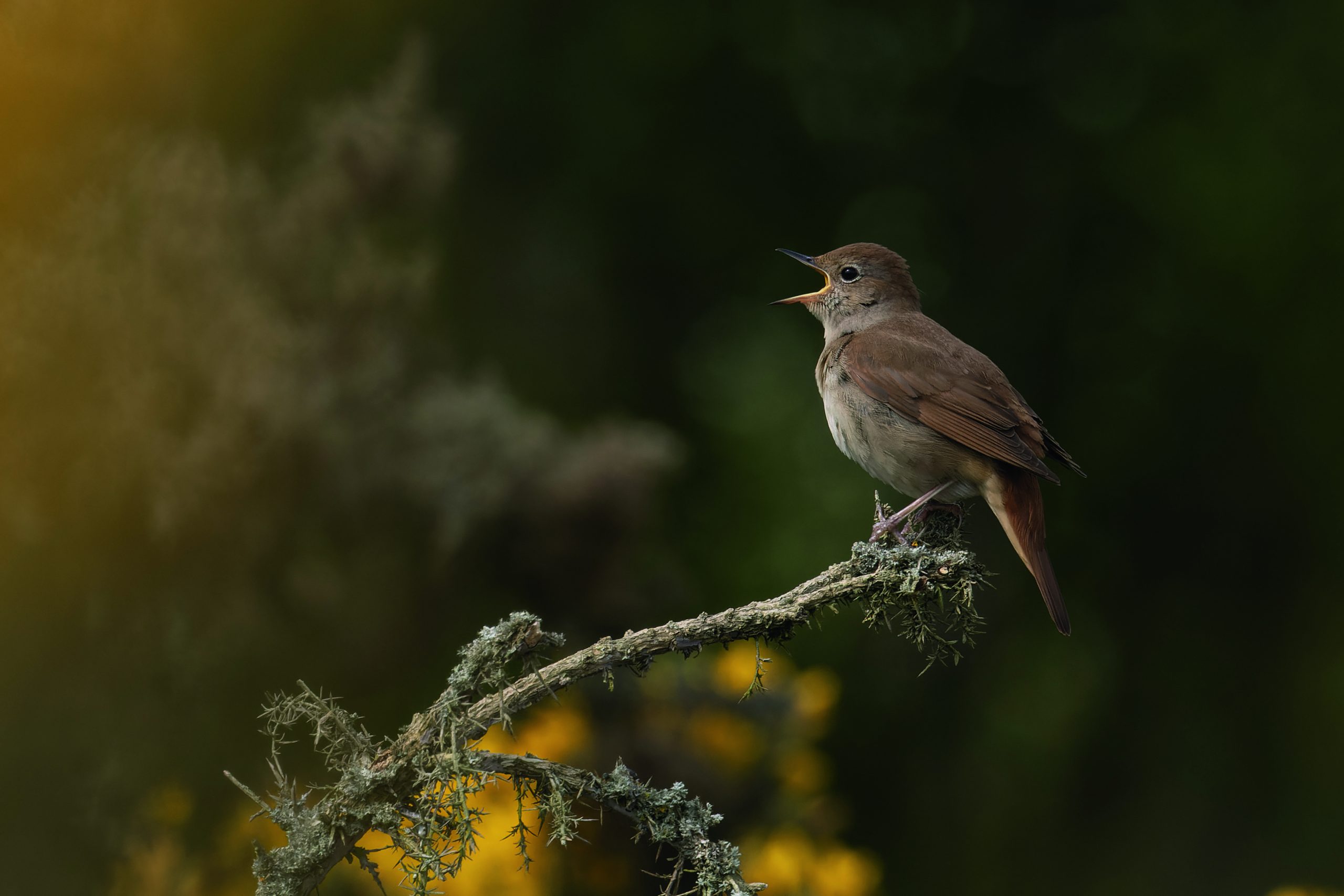
Amanda Tuke advises: “If you’re in a public area such as a park, just ask people what birds you are seeing. Somebody is bound to know. If not, you can take photos and put them on social media. Tap into people’s knowledge. Then, once you have learnt a species, make sure you teach somebody else what it is – children or grandchildren, with their natural curiosity, are ideal!” Learn as you go with an easy-to-follow bird identification book that you can take out and about, such as the RSPB Pocket Guide to British Birds (Bloomsbury Wildlife).
- The UK's best and most beautiful heathlands for wildlife - including some that are home to the world's rarest insects
- Here are the 7 best places to go birdwatching in London – according to a birding expert
3. Books and binos
Once you’re hooked, there are only two things you need. One is a reference such as a book or an app (see panel, page 87) displaying likely birds, and the other is binoculars. Binoculars need to be light and comfortable. Buy new ones; old-fashioned hand-me-downs are usually clunky and optically average. Always buy from a specialist, such as the RSPB. The best magnification is between 7x and 10x. A tip: to ‘get on a bird’, simply raise your binoculars up to your eyes, but without taking your gaze off the bird.
4. Look up
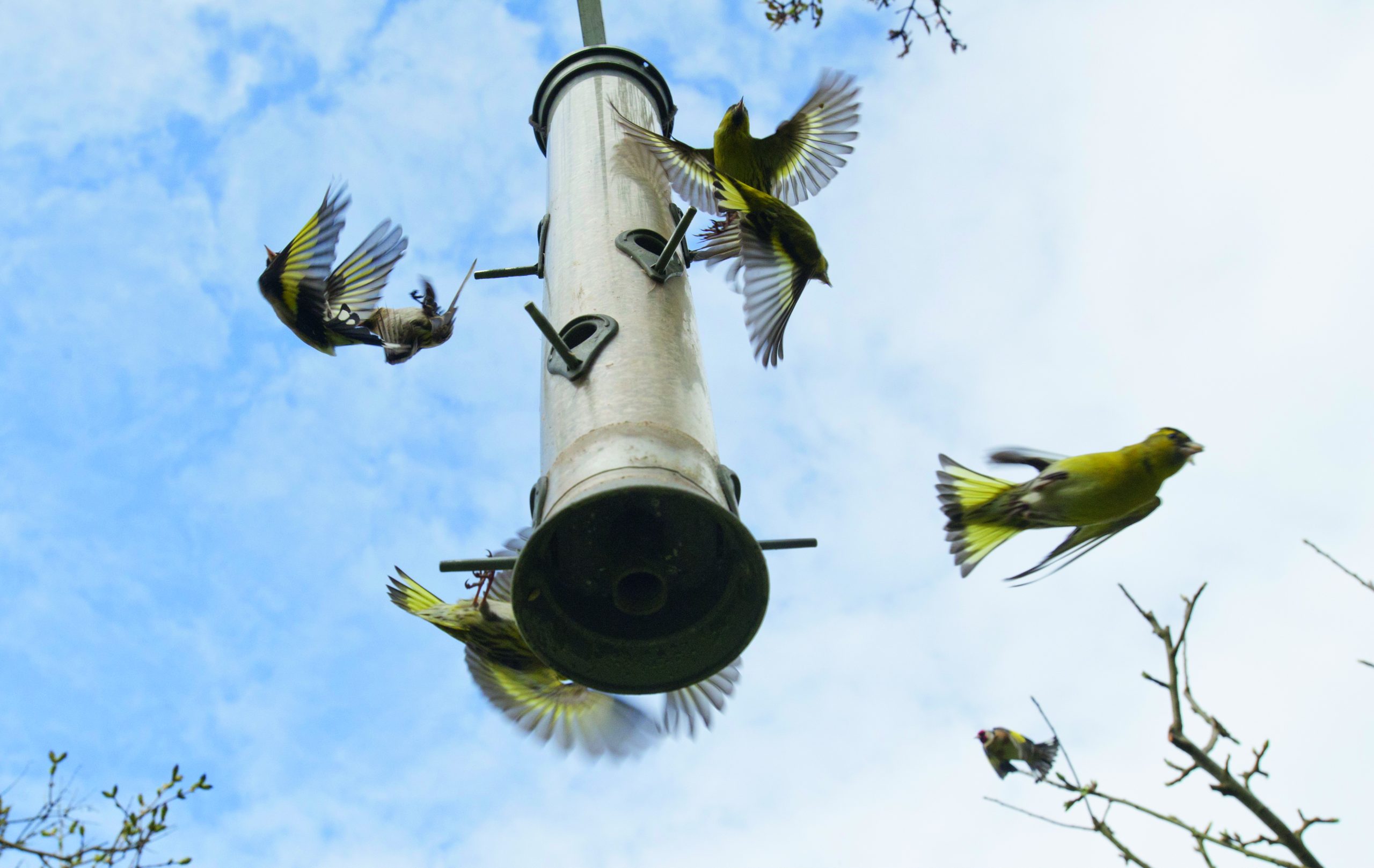
“Look up!” is the mantra of David Lindo, also known as ‘the Urban Birder’. In case you hadn’t noticed, birds fly, so will often be up in the sky. The key is to make sure that you look everywhere – above you, behind you, even sometimes below you on the ground. When you look, make sure you take in as many details of the bird’s plumage as possible before trying to match it to a book or app.
5. Find water
Birds are everywhere, but for the best variety, head for water. Water also tends to host rather large, tame birds such as ducks, gulls and geese, which often allow you prolonged views, helpful if you’re starting out. If you live far from the sea, a freshwater lake or a river is a must to visit. It will act as a magnet for birds all year round.
6. Use your ears
Birds are right chatterboxes, and they draw attention to themselves with sound. This is great for birders because they give away their locations. It also helps that different birds make different sounds, allowing them to be more easily identified. So listen out and don’t ignore aural clues. Nowadays, the amazing Merlin app (see panel) can identify many of them for you.
7. Start early
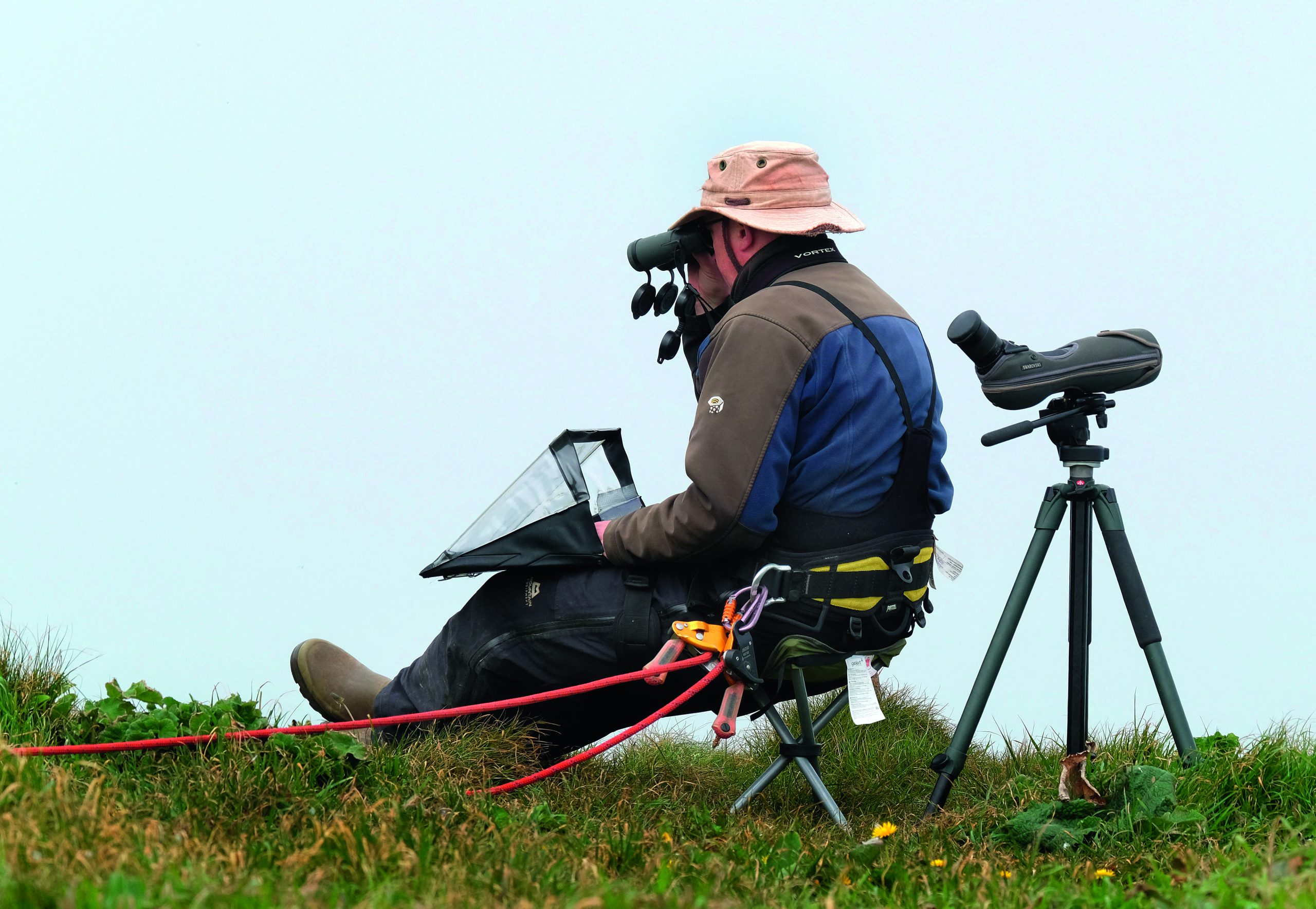
Getting up early will greatly enhance your birdwatching, and benefit your health, especially your mind. There is no better way to begin a day than a dash of fresh air, outdoor light and the birds buzzing around. Morning is their most active time and busiest song period. Try to experience the true spring dawn chorus at least once – April is best, 30 minutes before sunrise.
8. Get comfy
Birdwatching is an all-year outdoor activity and you’ll often stand or sit still. Warm, comfortable clothing is essential; wear one more layer than you think you need. Good footwear is also a must. Don’t rush; bring food and water; don’t go anywhere that feels ‘off’; and keep to paths.
9. Adjust to the rhythm
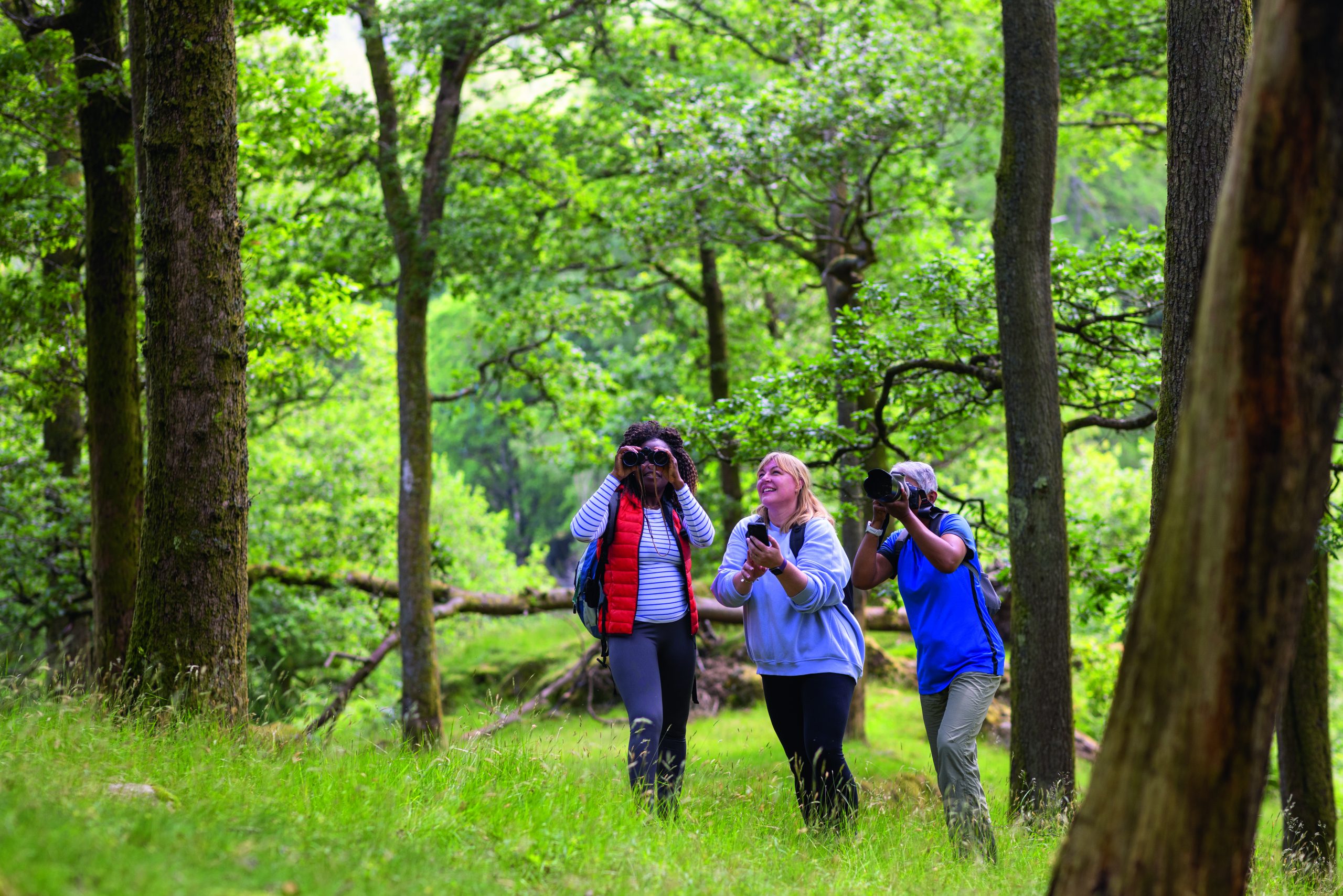
Birds don’t conform to human timetables. When you go birdwatching, the birds determine what you see, and that’s good. When outdoors, surrender. You’ll enjoy it the most when you let birds come to you. Relax, allow the natural world to flow, revel in the experience. If you see nothing, embrace it. When you see a bird, don’t rush to identify it; the Earth will keep spinning if it flies off. The next bird is always around the corner.
10. Find your tribe
Like all pastimes, the people you meet can enrich the experience. “Watching a bird spectacular in company with others is a similar experience to enjoying a concert or a football match – it facilitates social bonding,” says nature writer Stephen Moss. From women birders to Gen Z birders, there are many like-minded groups out there. And if you wish to go it alone, that’s fine too.
Top image: People watching a common starling, Sturnus vulgaris, murmuration at the Ripon City Wetlands in North Yorkshire with estimates of 150,000 starlings, England, UK. Credit: Rebecca Cole/Alamy Live News