Twenty-eight miles west of Cornwall lies an untamed archipelago of footprint-free sands, crystalline waters and rare wildlife that's just been named the friendliest place in England following a major study into social division (Barking and Dagenham were the least friendly).
And getting to Scilly is part of the adventure. Here’s your guide to Scilly’s inhabited islands...
St Mary's
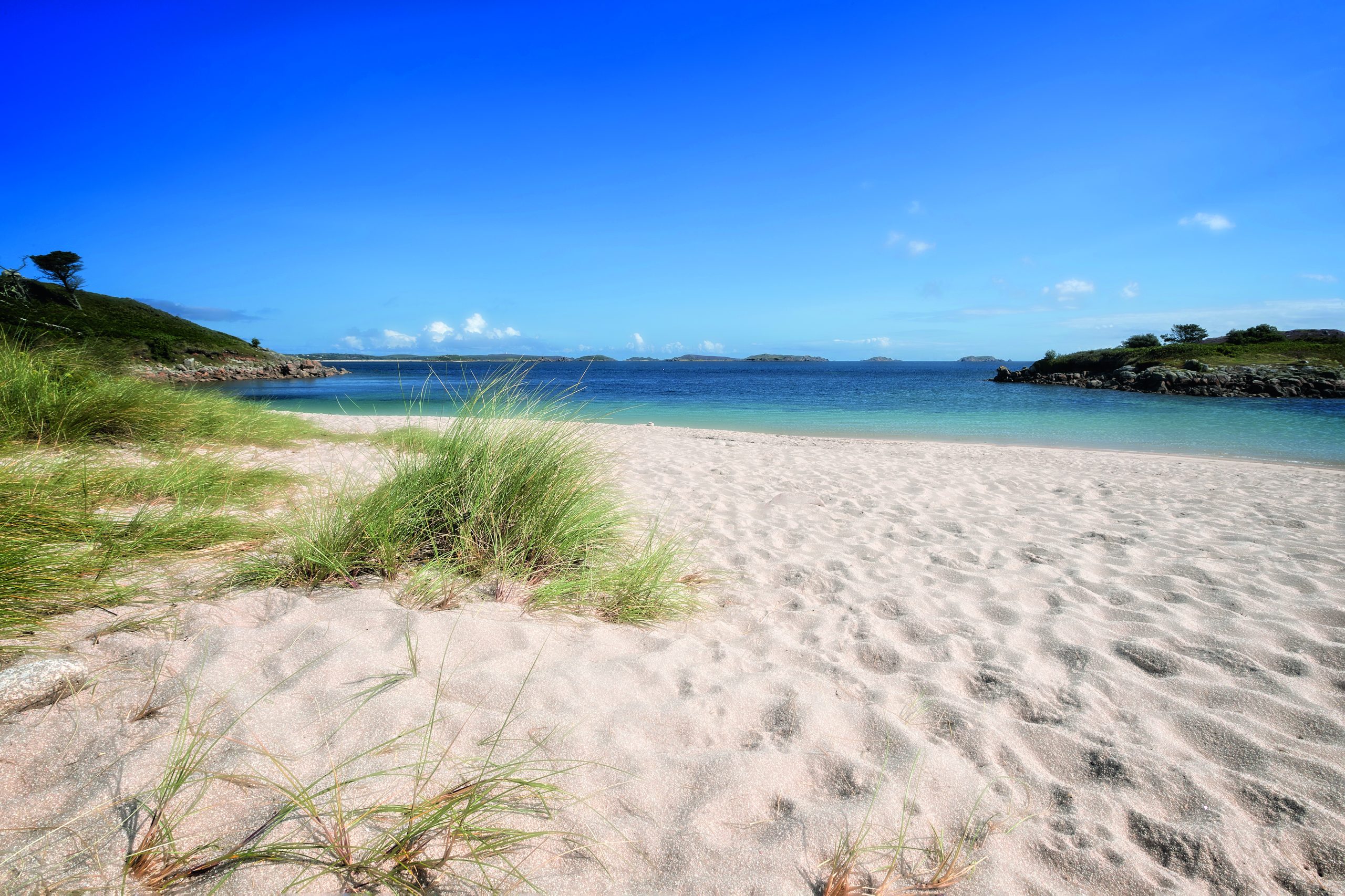
Eelgrass sways beneath my feet and beams of sunlight catch my goggles. I’m swimming in my running shoes, but soon emerge onto the fine white sand and start to run in my wetsuit. No, this isn’t some weird sporting dream but the annual St Mary’s Scilly Swimrun event: an amphibious 16km race around the perimeter of the archipelago’s biggest island, involving seven runs and seven swims – with stretches of scrambling, rock climbing, orienteering and snorkelling thrown in for good measure.
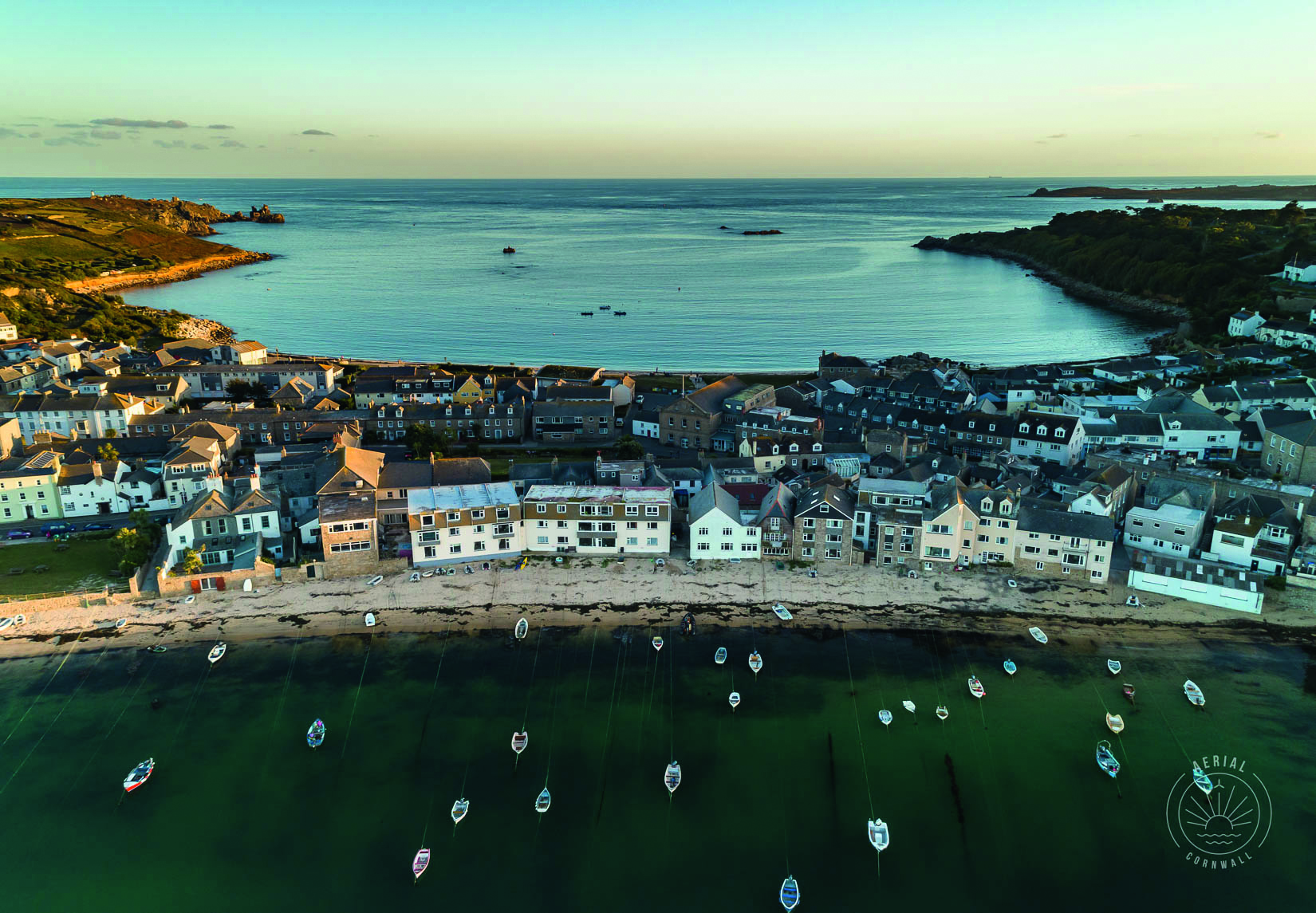
Home to most of the archipelago’s 2,366 inhabitants, pubs and ferry connections, the island of St Mary’s is an ideal base for a Scilly trip. The Swimrun route takes entrants through the islands’ largest settlement, bustling Hugh Town, and on to the 350-year-old walled fortification called the Garrison, where the 16th-century Star Castle (now a four-star hotel) lords over the headland and its cannons point west into the Atlantic Ocean.
The Isles of Scilly possess more archaeological sites per square mile than anywhere else in the UK – 238 of them, encompassing 900 individual protected and well-preserved features.
Prehistoric sites and Bronze Age burial chambers abound, especially on St Mary’s, along with relics from the civil, Napoleonic and world wars. The archipelago was also caught up in the Three Hundred and Thirty-Five Years’ War with the Netherlands from 1651. This was a conflict that really existed only as a technicality, with no casualties nor shots fired – a diplomatic oversight remedied in 1986 when a peace treaty was signed.
St Mary’s Swimrun continues around the headland and across the airfield, where I wait at traffic lights for a tiny plane to land. Further highlights include a sandy causeway at Pelistry Bay, the Innisidgen burial chambers and the mysterious Giant’s Castle, a fort on an improbably rocky headland.
“You’ve only got to look at these islands to know that they’re built for swimming and running,” says Scilly Swimrun organiser Wez Swain, who moved here from Plymouth in Devon a decade ago. “Swimrun is all about immersing yourself in amazing environments,” he adds.
I reach the finish line on Portmellon Beach after over three hours of (sub) athletic toil and scenic highs. I’ve blisters on top of blisters and chafing where I didn’t know chafing could exist. It matters little, however: I can think of few more rewarding ways to enjoy an eye-popping immersion into the landscapes of the largest of Scilly’s 200 islands, islets and rocks. Now, where can I find some baby oil?
Bryher
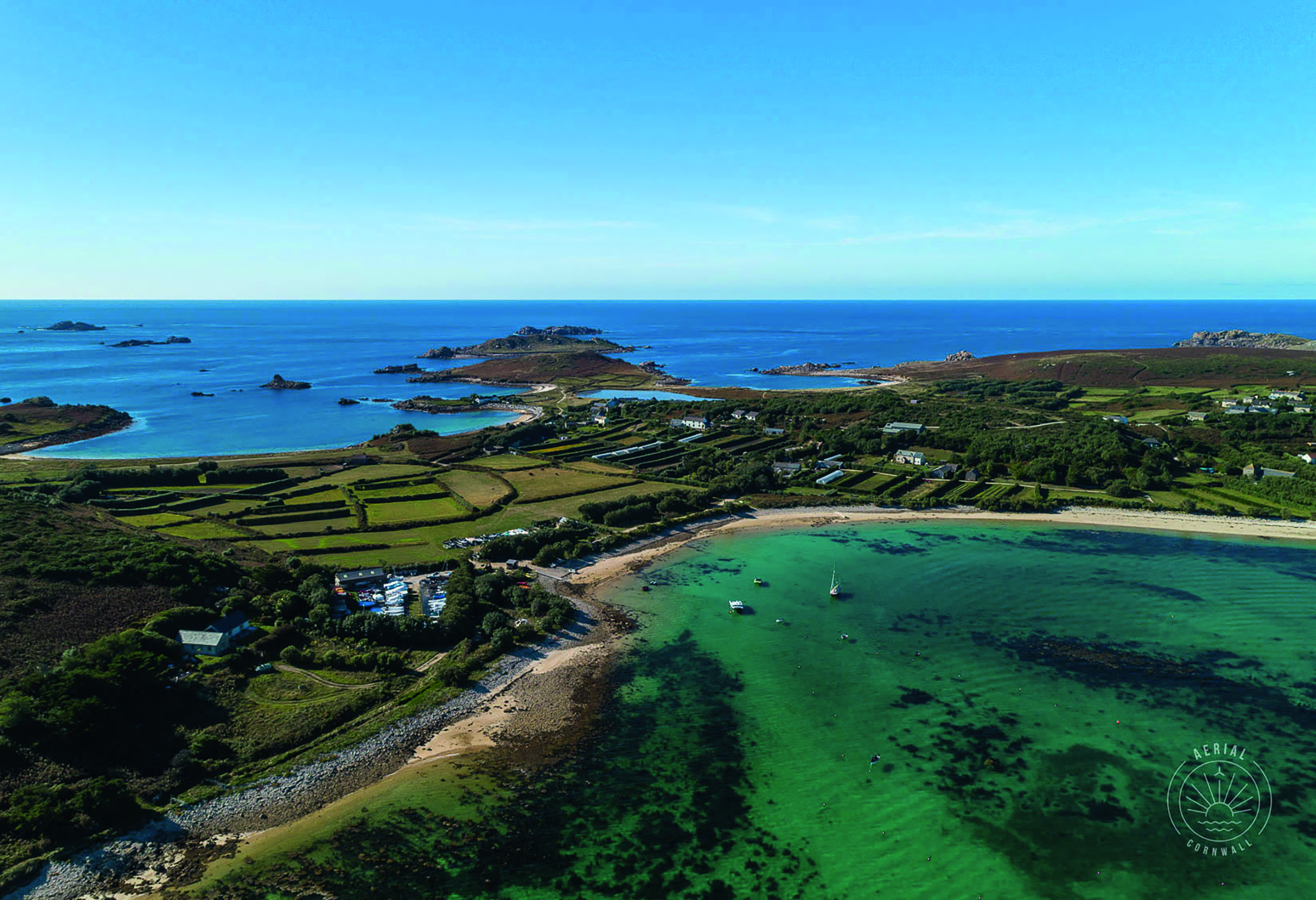
More exposed than its neighbouring islands, Bryher is the smallest of the archipelago’s five inhabited islands. In its north, steep granite cliffs are pummelled by the full force of the Atlantic. Head south and the landscape changes dramatically: sheltered bays fringed by golden sand and lapped by turquoise water feel more like the Mediterranean than Britain. It’s a place of contrasts with an elemental appeal.
Arriving here involves stepping into a different way of seeing time. Bryher has a way of slowing everything down, inviting you to fully embrace the gentle pace of life. With little traffic aside from a handful of working vehicles, the island feels safe and self-contained.
For our children, aged between eight and 12, it offers a first taste of real independence. They roam between campsite, beach and the island’s small bakery box, spending pocket money on freshly baked treats. By the end of the week, they’ve grown noticeably more confident and free-spirited, similar to the children of Swallows and Amazons but with fewer baddies to battle.
Getting to Bryher requires commitment, with all gear ferried by boat and tractor, but that sense of effort adds to the experience. Nights are quiet, the skies dark and strewn with stars, and mornings awash with the sounds and smells of the sea. Despite its remoteness, Bryher has a strong community feel, with a café, shop and small gallery at its centre. The island’s bar, Fraggle Rock, is an idyllic spot for a drink in the sunshine.
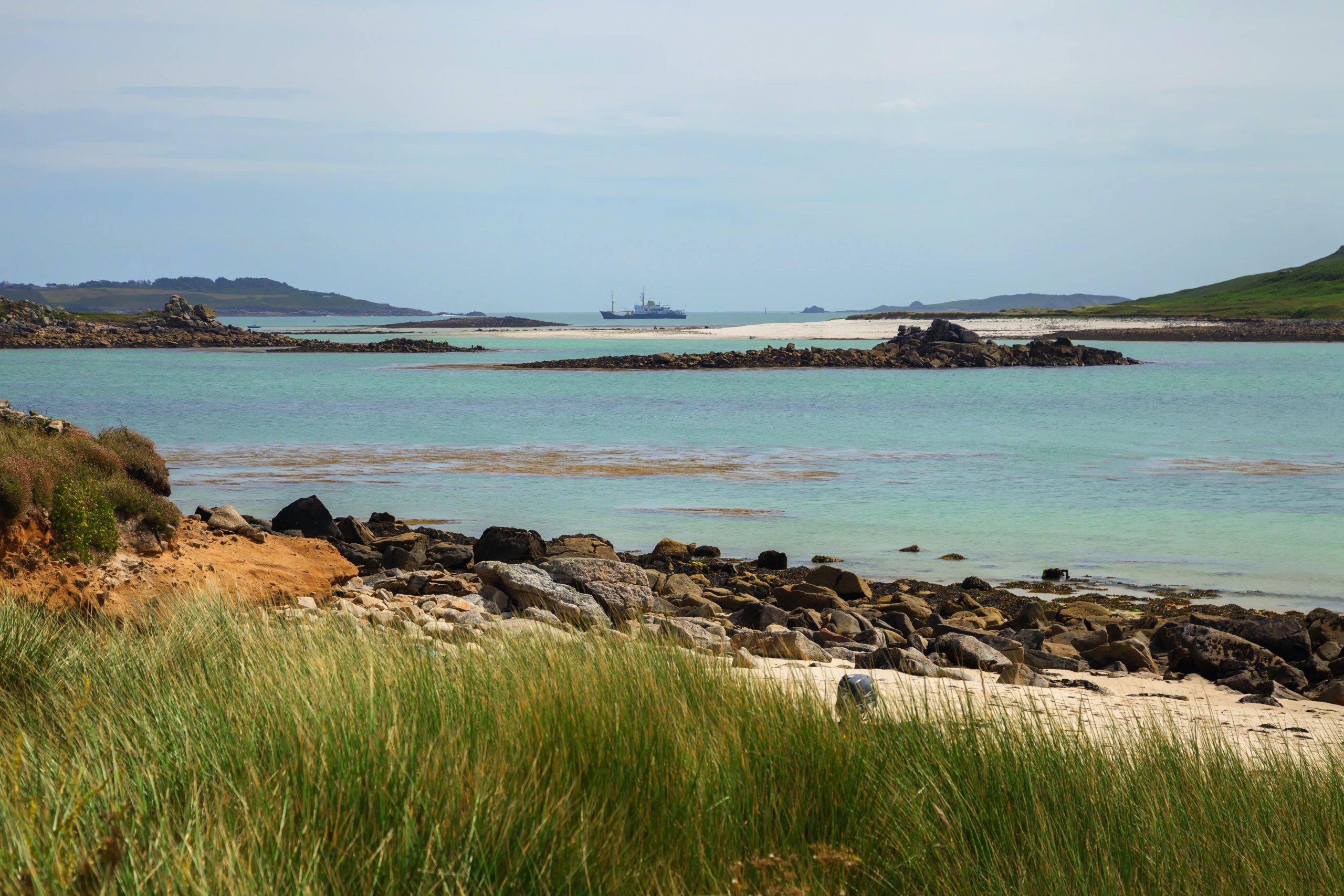
Though just over a mile long, Bryher offers plenty to do. Snorkelling in the sheltered bays between Bryher and Tresco brings close encounters with seals and more fish than I’ve ever seen before. Popplestones becomes our favourite beach: a long, quiet sweep of golden sand, scattered with colourful shells and sightings of gannets diving offshore. Shipman Head, meanwhile, is a rugged cliff-top promontory on the island’s northern tip, with Iron Age earthworks, prehistoric cairns, seabird colonies, wildflowers and raw Atlantic winds.
One evening on Rushy Bay, on the island’s southern shore, we cook fresh lobster from the local fish shop over a driftwood fire, watching the sun sink as the children play nearby. It’s a moment of simplicity, wildness and utter beauty – very much like Bryher itself.
St Agnes
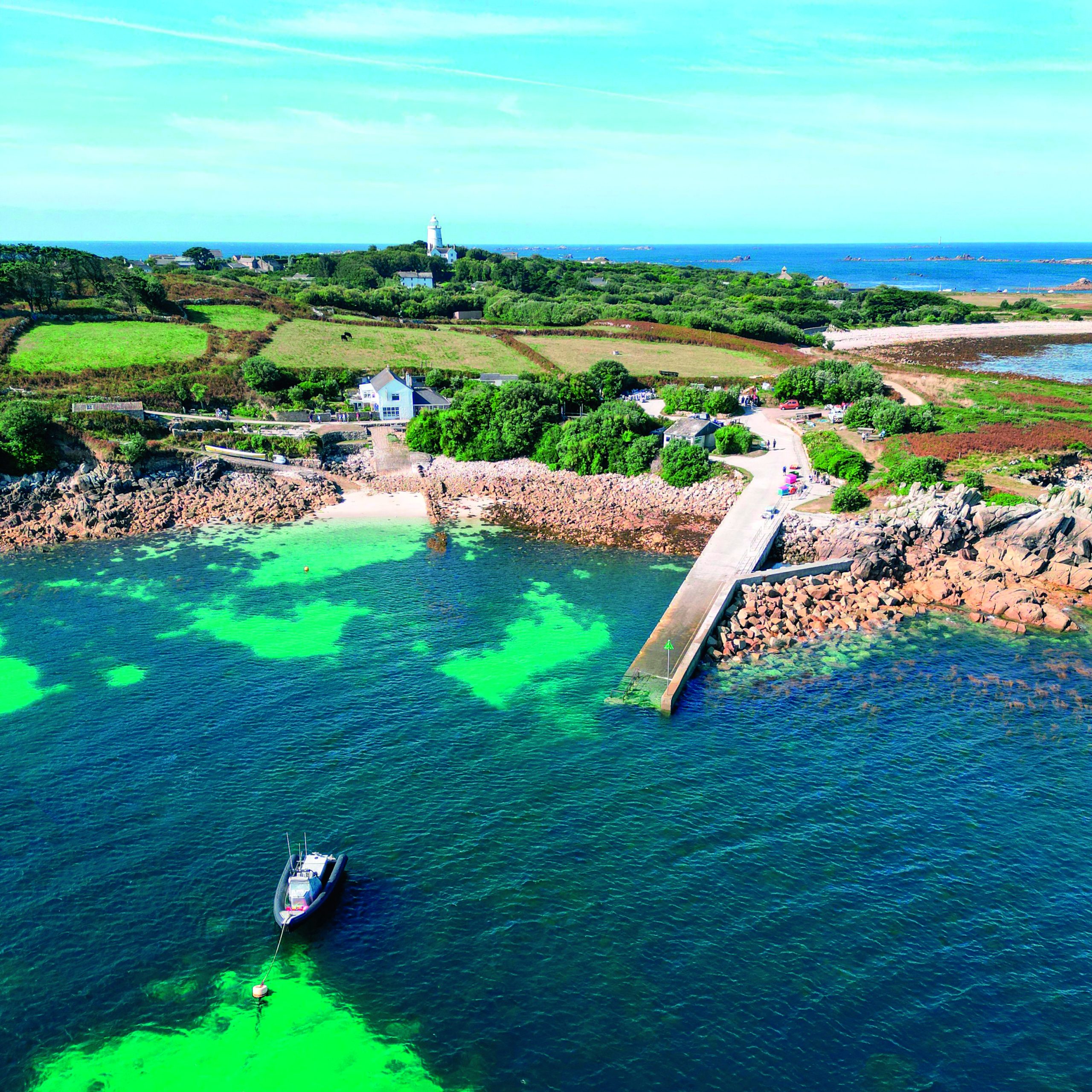
Measuring not much more than a mile across and with a population of around 80, St Agnes is Britain’s south-westernmost inhabited island. It’s a place of quiet farms, fields of flowers, heather moorland, piratical coves, sandy shell-strewn beaches, the odd holiday cottage and a sense that the 21st century is still a way off (mains electricity didn’t arrive until the 1980s).
At low tide, visitors can cross one of Britain’s few tombolos – naturally formed sandbars – to the smaller islet of Gugh, home to a colony of lesser black-backed gulls, a three-metre-tall Bronze Age standing stone called the Old Man, and a Neolithic burial chamber known as Obadiah’s Barrow. St Agnes’ pub is the atmospheric Turks Head, which once served as the coastguard and customs boatshed, and sits in an idyllic spot above Porth Conger Quay.
From St Agnes, you might make out to the west the Bishop Rock and its lighthouse. The Guinness Book of Records lists this as the world’s smallest island with a building on it – and the next landmass beyond is Newfoundland. With its own dedicated boat service, St Agnes is linked to the other main islands, making it easy to explore the rest of the archipelago.
Tresco
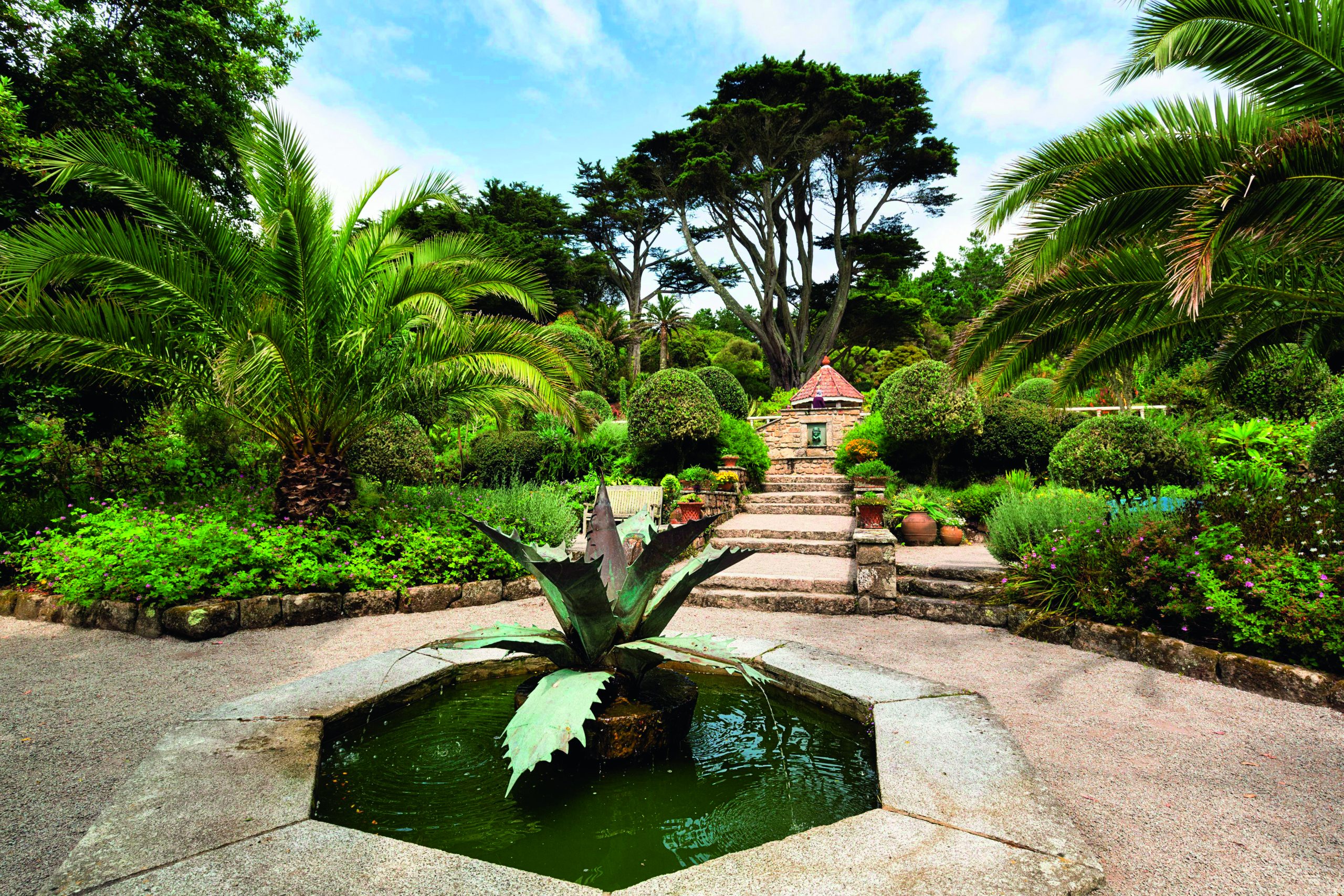
“A perennial Kew without the glass” is how the folk at Tresco Abbey Garden describe their little horticultural paradise. Encompassing seven hectares of Scilly’s second largest isle – administered by the Duchy of Cornwall and leased to the Dorrien-Smith family – it has achieved world renown for its collection of over 2,000 species of subtropical flora.
Tresco enjoys a very particular microclimate that has made it possible to grow plants from the Mediterranean and southern hemisphere countries, such as Brazil and New Zealand. The eponymous priory was founded in the Middle Ages but fell victim to Henry VIII’s Dissolution of the Monasteries in the 16th century.
In the 1830s, Augustus Smith, a controversial Lord Proprietor of Scilly, built a house and established the gardens by the priory ruins. Since then, exotic plants such as leucadendrons, kangaroo ferns and Robinson Crusoe Island cabbage trees have been introduced, cared for by head gardener Andrew Lawson, who has tended to Tresco’s flora for over 40 years.
There’s some interesting fauna, too: colourful golden pheasants roam the grounds, red squirrels dart about the trees and pochards, sand martins and great northern divers can be seen on the lakes. On a more sombre note, the garden is home to the unique Valhalla Museum displaying figureheads, name boards and other carvings from ships that have been wrecked on the rocks around Scilly over the years.
The garden’s café serves light lunches, cakes and cream teas. Come evening, visitors can dine at Tresco’s New Inn and then stay the night there. And if you want to take a little bit of Tresco home with you, plants and seeds from the garden are on sale in the shop.
St Martin’s
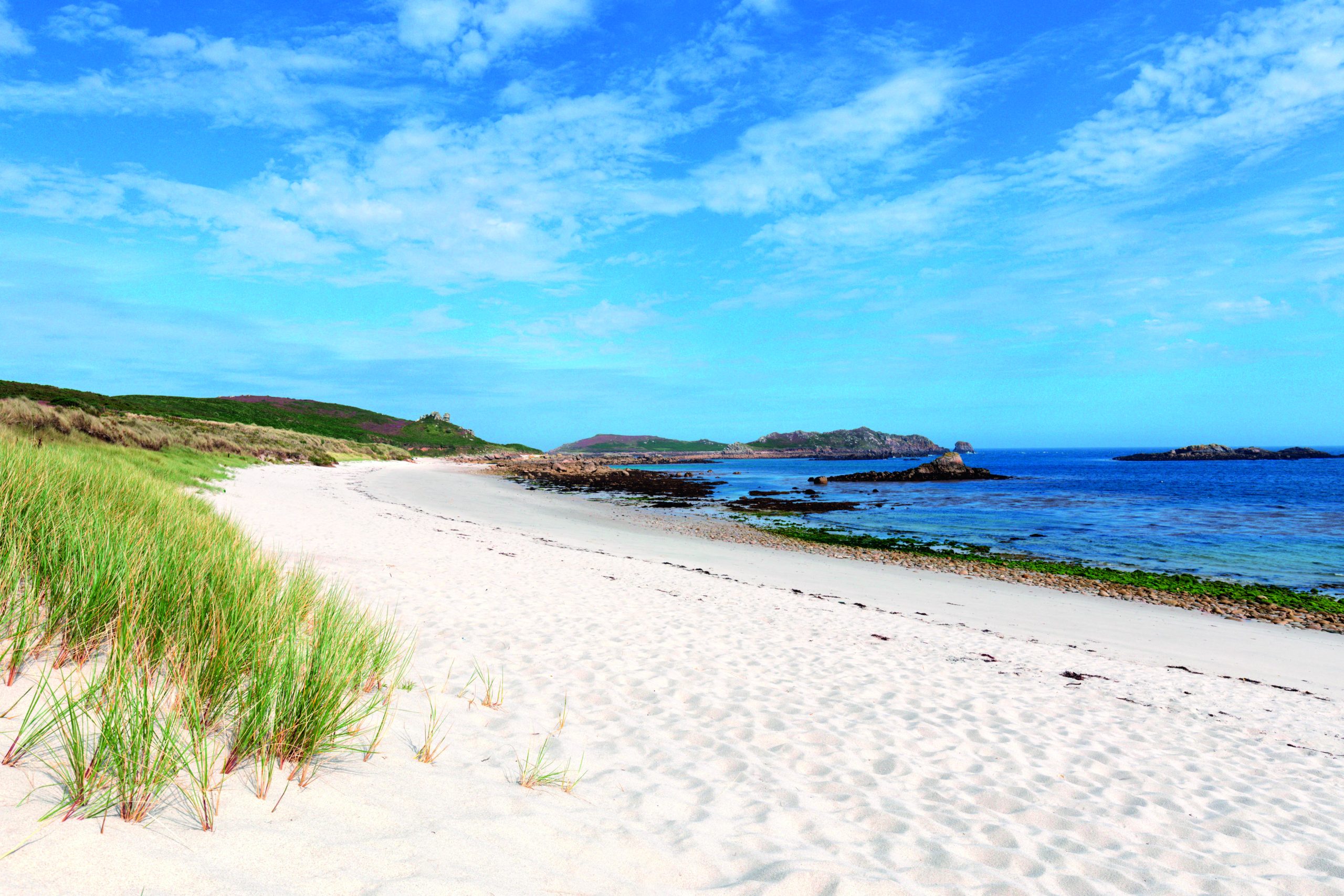
Mention St Martin’s to any Scilly regular and they’ll likely become a touch misty-eyed about this captivating isle. It was the place we returned to most often during our stay– and in our post-visit memories – thanks to its pristine sands, Robinson Crusoe vibe and the pub garden to end all pub gardens.
Once the boat from St Mary’s completes the 20-minute hop to St Martin’s Lower Town Quay, passengers head off in every direction. My family ambles north along a chalky track, and soon we’re almost alone among the gorse and heather – our only human encounter being with TV adventurer and naturalist Steve Backshall and his family.
He is here for the annual Ocean Scilly Festival (we hear him call the islands his “happy place and the one constant in our changing lives” at a Q&A later that night). Backshall returns again and again to the Isles of Scilly, especially St Martin's, calling snorkelling with seals off this island "probably my best wildlife encounter in the British Isles."
The blackberry-lined path turns south, and before us spreads Great Bay, one of Scilly’s most beloved beaches. The local population of oystercatchers aside, again we have it entirely to ourselves for an hour – and on a Saturday afternoon in August, too. “Even in the summer, you can arrive at the beach and there’s not a footprint on it or another soul around,” says Scilly resident Wez Swain. “You don’t have to go far to see something truly special.”
My boys run free and feral on the crystalline sands before we all submerge ourselves in the (admittedly chilly) sea, where the water’s clarity makes snorkelling a joy. Even rain can’t dampen our spirits in one of the most serene moments we’ve ever enjoyed on a beach. We retire, revitalised, to the garden of the Seven Stones Inn, drinking in views of jagged isles, exotic shrubs and a sapphire sea: not the Azores or Greece but England’s own island paradise. We’re smitten.
How to get there
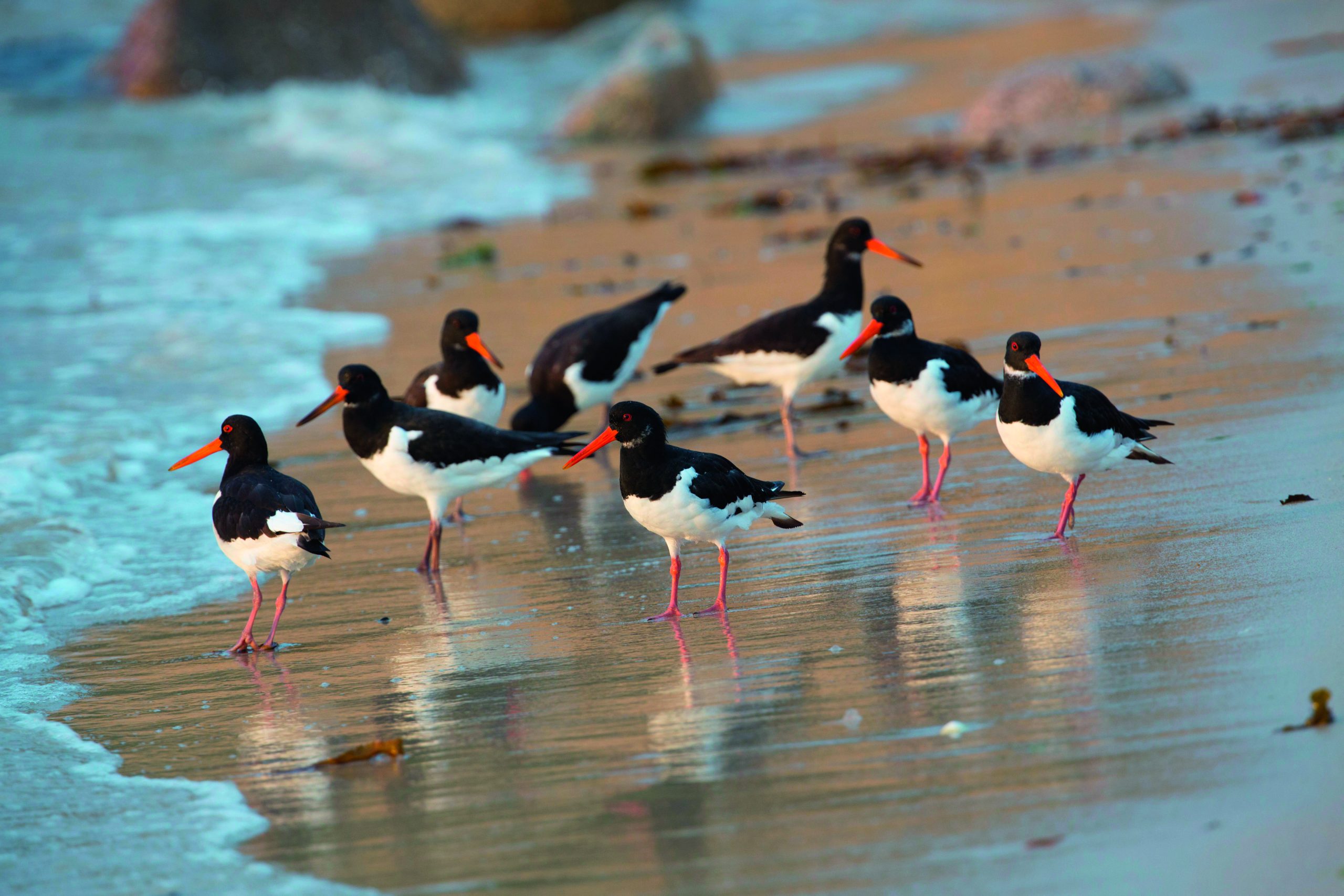
year-round sight in Scilly
Even getting to Scilly feels like an adventure. Most visitors sail to Hugh Town from Penzance aboard the historic Scillonian III ferry, spotting birdlife, dolphins, tuna and even whales from the deck. To combat seasickness, we took tablets (Kwells worked for us) before sailing and ventured to the Lower Saloon.
The larger Scillonian IV is due to enter service in 2027. You can fly to St Mary’s from Land’s End, Penzance or Exeter.
Getting around
The boats run by St Mary’s Boatmen’s Association (scillyboating.co.uk) depart from St Mary’s quay for the islands of St Martin’s, Tresco, St Agnes and Bryher daily. Ensure you arrive at the correct island quay in time for the boat back to St Mary’s as these can vary with changing tidal conditions. St Agnes Boating, Tresco Boat Services, Endeavour Rib Services and Sea Quest Glass Bottom Boat also operate services.
Accommodation
STAR CASTLE HOTEL, ST MARY’S
This striking star-shaped fortress was built on Garrison Hill in 1593. It’s now a four-star hotel with rooms in the castle, garden suites, a heated indoor swimming pool, a tennis court, two restaurants and a bar. It also serves as a wedding venue. star-castle.co.uk
BRYHER CAMPSITE, BRYHER
One of the most remote campsites in the UK, this simple and well-run place boasts a spectacular position overlooking the sea. Bring your tent or hire a fully kitted-out bell tent. bryhercampsite.co.uk
TROYTOWN FARM, ST AGNES
Not only Britain’s south-westernmost campsite but also one of its most picturesque. Three self-catering cottages are also available here, and the farm produces its own ice cream and yoghurt. troytown.co.uk
Where to eat & drink
OLD TOWN INN, ST MARY’S
Open every day, this friendly and atmospheric inn serves hearty pub grub and hosts music, live theatre events, darts tournaments and talks. oldtowninn-scilly.co.uk
THE CRAB SHACK, BRYHER
This simple, unpretentious place serves delicious local seafood. Whole crabs are served at communal tables in a rustic shed. hellbay.co.uk
JULIET’S GARDEN, ST MARY’S
Serving diners for over 40 years in its perch above Porthloo Beach just a little north-east of Hugh Town, this award-winning eatery has an outdoor terrace and a converted barn. julietsgardenrestaurant.co.uk
Activities
ST MARTIN’S WATERSPORTS
Snorkels, masks, kayak and paddleboards are available to hire at this shop on Par Beach near Higher Town Quay on St Martin’s. stmartinswatersports.co.uk
PEDALBOARDING, HUT 62
Pedal boating meets stand-up paddleboarding for an accessibleadventure, enabling you to explore the calm bays of Bryher’s east coast. You can also rent kayaks and SUPs here. hut62.co.uk
WILDLIFE SAFARIS
Regular tours take place around the islands with an Isles of Scilly Wildlife Trust guide. Species to spot include seabirds – such as puffins, shearwaters, razorbills – plus seals, dolphins, porpoises and even fin, humpback and minke whales. ios-wildlifetrust.org.uk