
You don’t need a plane ticket to a remote island to strike gold. There’s adventure to be had and treasure to be discovered right on your doorstep – and often, you don’t even need extra equipment. Find out how to find treasure in unexpected places with these unusual hobbies.
How to hunt for treasure in nature
Metal detecting
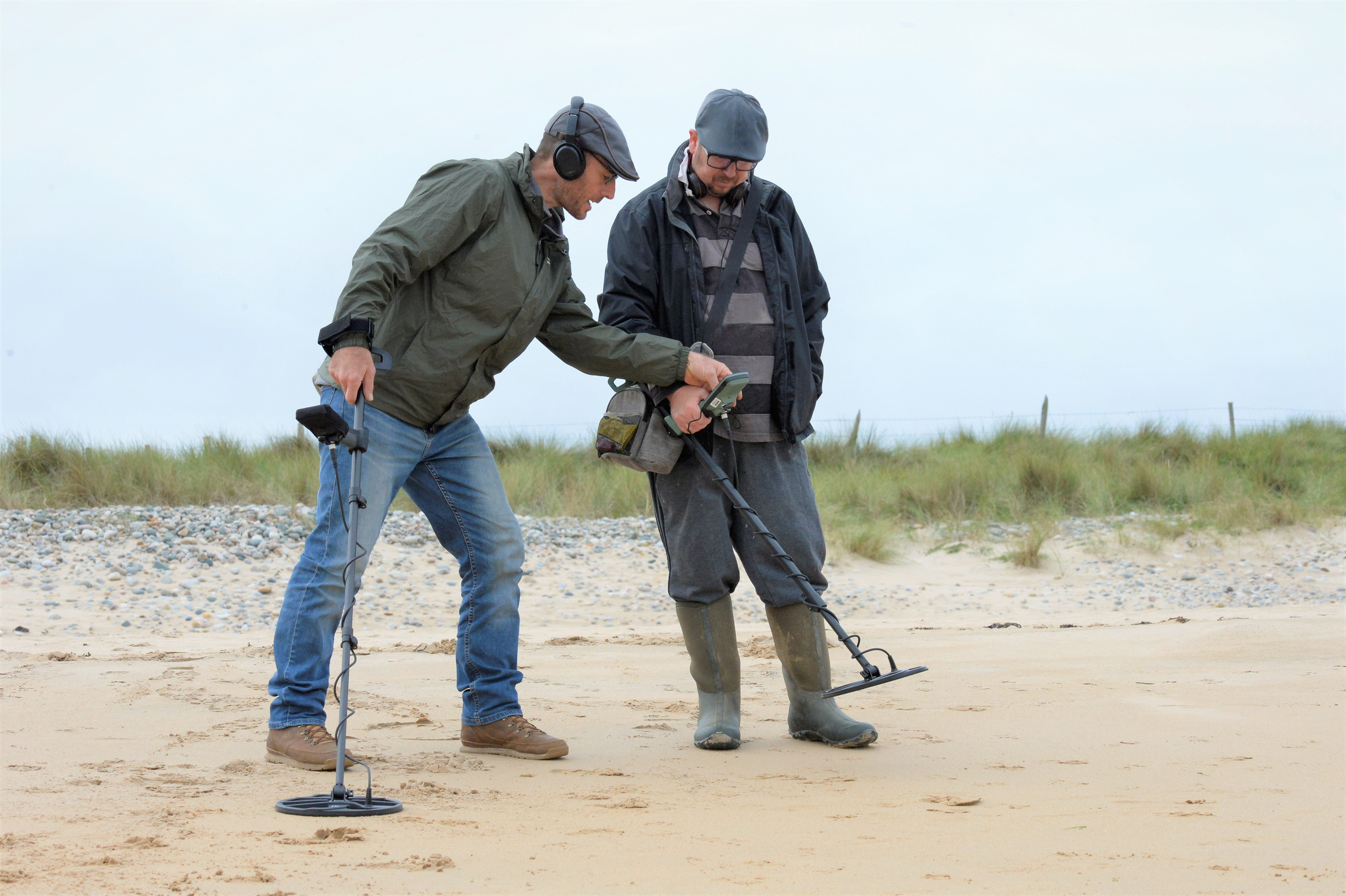
Made famous again in recent years thanks to the hit BBC comedy series, The Detectorists, metal detecting was first invented by Alexander Graham Bell – the inventor of the telephone – but was later used in a more widespread manner during World Wars I and II for demining battlefields. In the latter half of the 20th century, manufacturing companies began developing commercial metal detectors, and the practice quickly became a popular outdoor pastime.
Metal detecting has played a key role in archaeologists’ searches, but it’s also helped reunite people with wedding rings and beloved jewellery. Who knows what you’ll discover in a Sussex field
Magnet fishing

Head out to a nearby waterway (remembering to seek permission first!), and try a different kind of fishing. Magnet fishing involves tossing a high-powered magnet to a heavy-duty rope to retrieve sunken objects.
While magnet fishing can be used to haul up significant items like bicycles or shopping carts, it can also be used to hunt for small-scale ‘treasure’.
Geocaching
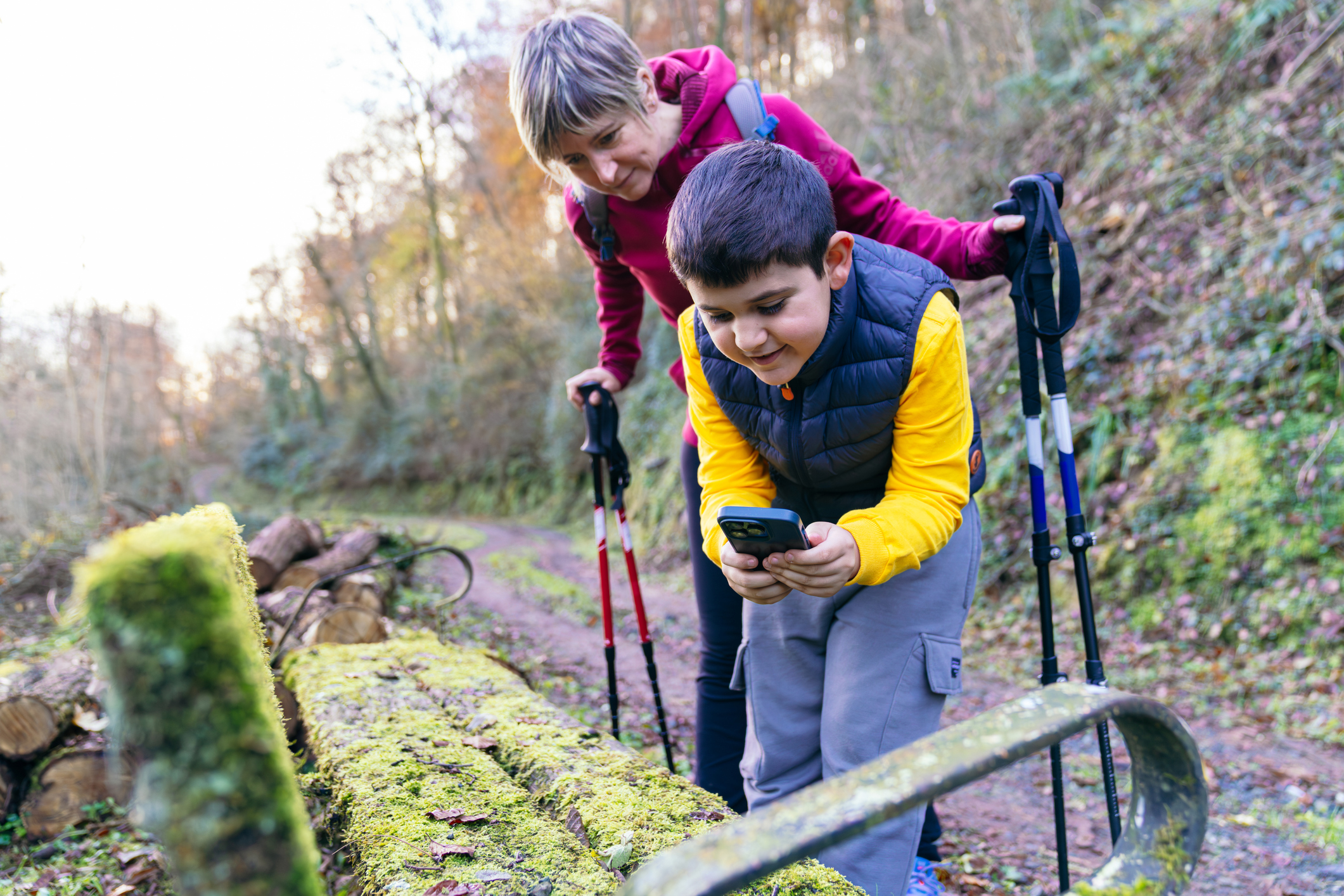
Geocaching is undoubtedly one of the best walking activities and challenges to do in the UK countryside, engaging all the family in the world’s biggest treasure hunt. The word comes from ‘geo’, meaning ‘earth’, and ‘cache’, meaning a hidden store of things. Geocaches are hidden by people known as geocachers, who will hide caches in the landscape.
The practice was started by Dave Ulmer, a computer consultant from Oregon, who hid a black bucket filled with a logbook and equipment in the woods near Beavercreek, Oregon, and posted its coordinates online to test the accuracy of public GPS technology. Before 2000, Global Positioning System (GPS) signals were only accurate for military and government groups, but the US government relaxed these restrictions, improving civilian GPS accuracy from about 100 metres down to closer to 10.
All you’ll need to take part in geocaching is a mobile phone with GPS. Download the free Geocaching app or visit the website. When you find a geocache, write your name in the log or record your find on the app or website. If you want to leave a geocache, you must get permission from the landowners before placing your box in the landscape.
Mudlarking

Mudlarking doesn’t sound particularly glamorous – and it’s not. But the treasure found along the way can be much more exciting than the process of rooting around in the muddy shores of rivers.
This practice, dating back to the 18th century, originally referred to people who scavenged in the River Thames in London for anything they could sell. Today, it has become a hobby for history enthusiasts in search of historical artefacts. As the water recedes, the river shores will reveal hidden treasures from the watery depths.
Like all treasure hunts, mudlarking rewards the patient: take your time, leave no stone unturned, and relax. Always be aware of the tides, so you don’t get cut off when you’re mudlarking.
Beachcombing
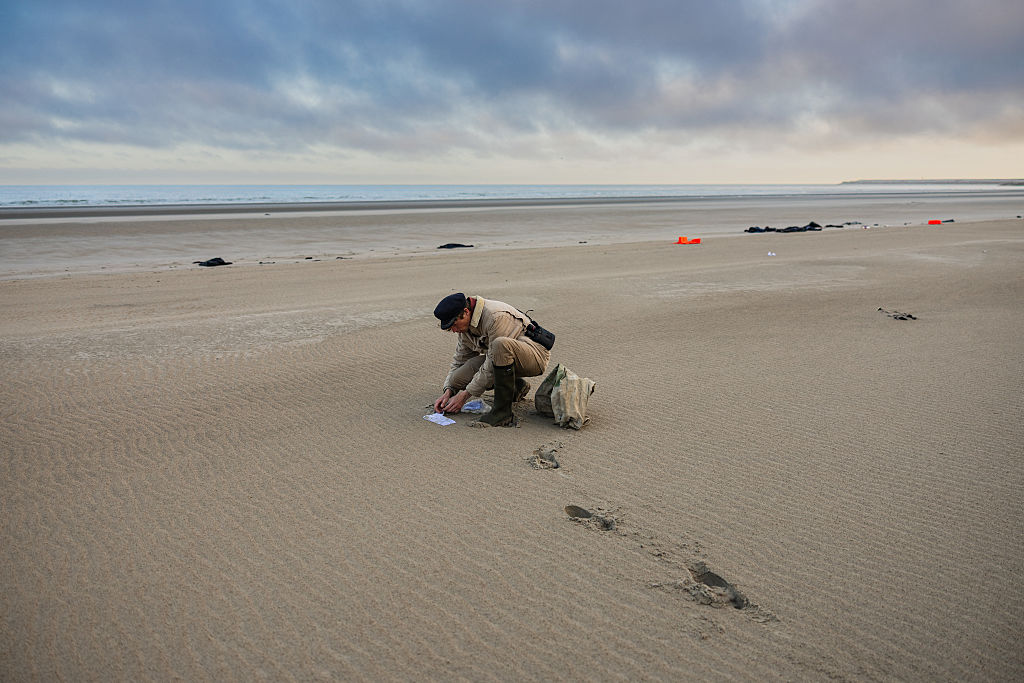
Beachcombers can find all kinds of treasure when they’re scouring the shores: driftwood, fossils, sea creatures, mermaid’s purses (the casing that protects the embryos of sea creatures), pebbles, seashells, seaweed and even old bottles – sometimes with messages hidden inside them.
Look for sea glass – smooth, frosted pieces of weathered glass which have been washed ashore by tides. These can be turned into beautiful decorative pieces around the house, having travelled many hundreds of miles to get there.
Visiting a beach after a storm is one of the best times for beachcombing as it can often result in an array of interesting finds being washed ashore, as the swell will have moved the water around a lot more than usual.
Rockhounding and fossil hunting
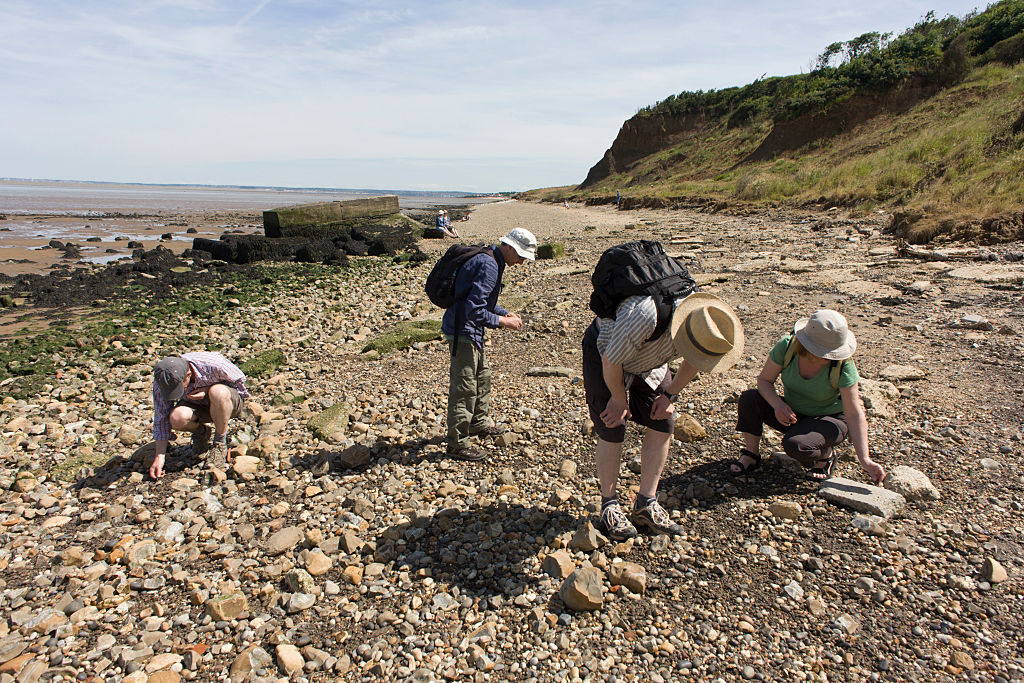
Have a look in riverbeds and quarries for unique rocks, crystals, fossils and semi-precious gemstones. You never know what you’ll find. Moving water in riverbeds naturally uncovers and deposits interesting stones, while landslides on trails and eroded slopes expose previously unseen geological layers.
But you don’t have to venture to these such challenging landscapes to find fossils. There are hundreds of great places in the UK to go fossil hunting, particularly coastal areas with soft cliffs and rapid erosion. Lyme Regis in Dorset is a fond favourite for many amateur geologists, as you can follow in the footsteps of Mary Anning, the pioneering fossil hunter.
For a few suggestions of where to start, consult our round-up of the best places to go fossil hunting in the UK.
What laws do you need to follow when you're hunting for treasure?
You need permission from the landowner to metal detect on private land in the England, Wales and Scotland. It is illegal to metal detect on protected heritage sites.
You may need to report potential historic or precious metal discoveries to local authorities, so keep that in mind and find out the regional antiquity laws when you’re out on a treasure hunting adventure.
You can find out more about metal detecting codes of practice for archaeological artefacts and what to do if you discover ‘treasure’ via the Portable Antiquities Scheme (England and Wales). The PAS database holds information on over 1,514,000 objects, all freely accessible to the public. The Scheme exists to record archaeological finds discovered by the public to advance knowledge and understanding of British history through research and furthering public interest in the past.
In Scotland, consult the National Museum of Scotland Treasure Trove team, while in Northern Ireland you will need to apply for a license, and it is a criminal offence to search for archaeological artefacts without one. You can find a guide to the law: communities-ni.gov.uk.
Changes to the Treasure Act 1996: what this means for treasure hunters
Following huge growth in treasure hunting, the government announced plans at the end of 2020 to make changes to the 1996 Treasure Act to protect any finds by law. Under the new rules any artefacts can be defined as treasure if they are of historical or cultural significance.
Under the current law, finds are classified as treasure need to be found to be more than 300 years old or made using precious metals, such as gold or silver.
The aim of this change is to ensure that important artefacts are protected and can go on display in museums so they can be viewed by the public and not sold to private collectors. See the Treasure Act 1996 for more information.
Can you hunt for treasure on private land?
The short answer is yes. If you’re on private property, you’ll need to prove you’ve sought explicit permission before beginning your search. The same goes for non-public waterways and owned landscapes like local parks.
Visit the National Council for Metal Detecting (NCMD) for metal detecting code of conduct. You need permission to pan for gold on private or environmentally protected land; for more details consult the British Panning Authorities.
Other restricted areas for treasure hunting
Although it’s tempting to head for a uniquely ancient location like Stonehenge or Avebury, searching on scheduled monuments, archaeological reserves or SSSIs (Sites of Specific Scientific Interest) is a criminal offence.
Remember to take care of tides and rock hazards when searching for fossils and agates, and research restrictions for each area.

