
Allotments are having a real moment right now, and if you’ve been lucky enough to make your way to the top of the queue (or live somewhere that hasn’t yet been met with the problems of oversubscribed fields), you’ll now be questioning where to start.
Whether you’re a complete novice when it comes to gardening, or someone with years of experience under their belt, there are some key things you need to know when getting started.
With that in mind, we spoke to Helen Hutchings-Cox to learn how to get started in an allotment. She is an RHS-qualified gardener, writer and educator specialising in wildlife-friendly gardening.
“I love allotments. I think they’re a special type of magical place and a force for good in the world - both for connecting people to nature through growing their own food and to their community too. But whilst getting my first allotment turned out to be the best thing that ever happened to me, it definitely wasn’t the easiest,” Hutchings-Cox told BBC Countryfile Magazine.
Where to start in an allotment
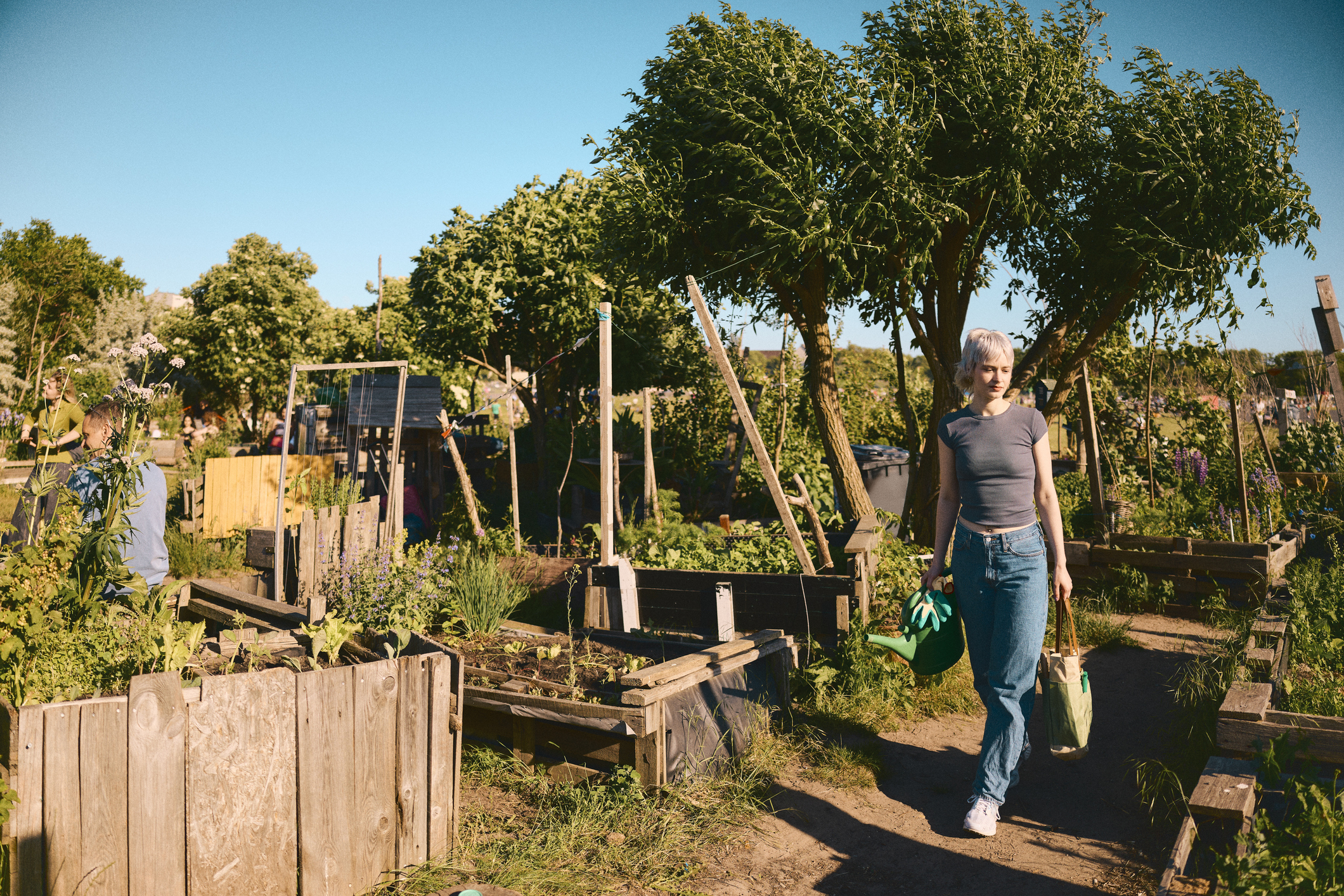
“The very first thing I’d say to do when you first get the keys to your plot is…nothing. It can be really tempting to get stuck in clearing and digging as soon as you can, but it’s a quick way to overwhelm,” said Hutchings-Cox.
“Allotments can be hard work, especially if you’re taking on a derelict plot, which is more common than you might expect. You might be lucky and get a brand new, completely clear plot, or one that has been well maintained, but the chances are you’ll actually get one with a bit of rubbish on it, or a lot of ‘weeds’.
So what should you do? Helen suggests taking a step back and getting stuck into planning. Map out the space that you have and work out what is already there that you might want to keep.
Are there fruit trees that you’ll want to hold onto? Or maybe some bushes, or if you’re really lucky, some safe structures like sheds.
“Have a look at what your allotment neighbours are growing and get to know them and the space - your plot neighbours will be able to give you a very quick heads up about anything to look out for. That includes whether animals like deer are an issue, where the plots dry out or waterlog and also where to get local supplies from cheaply.”
Once you’ve taken the time to get to know your plot and plan out the space, you can decide exactly what it is that you want yourself.
“It needs to be a space that works for you, or you won’t love the journey, and that’s really what it is about. Think about what you actually want to grow and how (not what you think you should),” says Hutchings-Cox.
“Do you want to grow some flowers? Lots of standard staple veg or something a bit more exotic? Do you want a wildlife pond? It’s your space to do with what you want, so think about what that actually is.”
Desperate to get started straight away? You could begin with clearing the rubbish and setting up a compost bin. Then, focus on building soil health by mulching and adding organic matter to build up the structure.
Following the rules
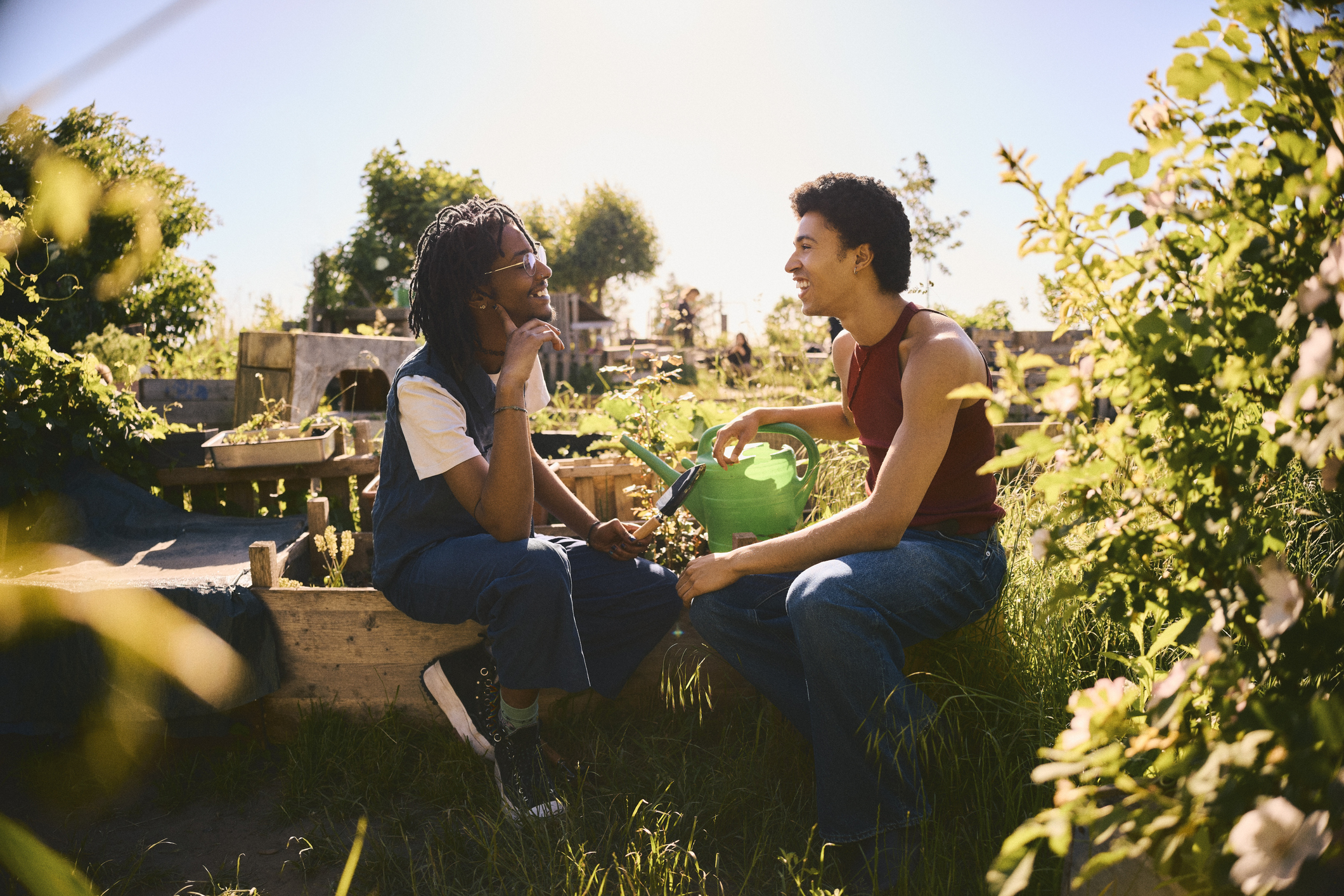
Unlike having your own private garden, an allotment means having to garden shoulder to shoulder with some friendly new neigbours. With this in mind, there is a few unwritten rules you’ll need to follow.
“To start, I would actually check what the written rules of your allotment are - these do vary by site, but there are usually requirements on minimum levels of cultivation of plots, upkeep of shared areas and restrictions on what can and can’t be done,” says Hutchings-Cox.
“For example, some sites allow chickens, others don’t; some sites require plot holders to maintain paths in between plots, others don’t, so make sure you know what the rules actually are before you commit an allotment faux pas.”
Depending on your allotment, this list could be longer or shorter, and some can have some quite specific rules that you’ll need to follow. If you’re in the process of choosing an allotment, checking these rules in advance could be well worth your time.
“In terms of general allotment etiquette, I would say that allotments are lovely community spaces, but equally they are also some people’s refuge from the world - so whilst you will find lots of people that always want to chat, some may just want to potter away in silence,” says Hutchings-Cox.
“Immerse yourself in the allotment community by saying hello to your plot neighbours and swapping seedlings over a cup of tea, and you’ll soon start to work out who you can always wander over to for advice vs those who might hide in their shed when approached by another human.”
You are likely to get lots of advice and guidance from your allotment neighbours. Not all of this you’ll need to follow; some of it you won’t even agree with! The main thing is to keep up good relations and remain polite.
Of course, there will be some obvious rules to follow that aren’t written down anywhere. Don’t steal from others, don’t trespass and of course, don’t insult the size of someone else’s veg growth.
Knowing what to grow
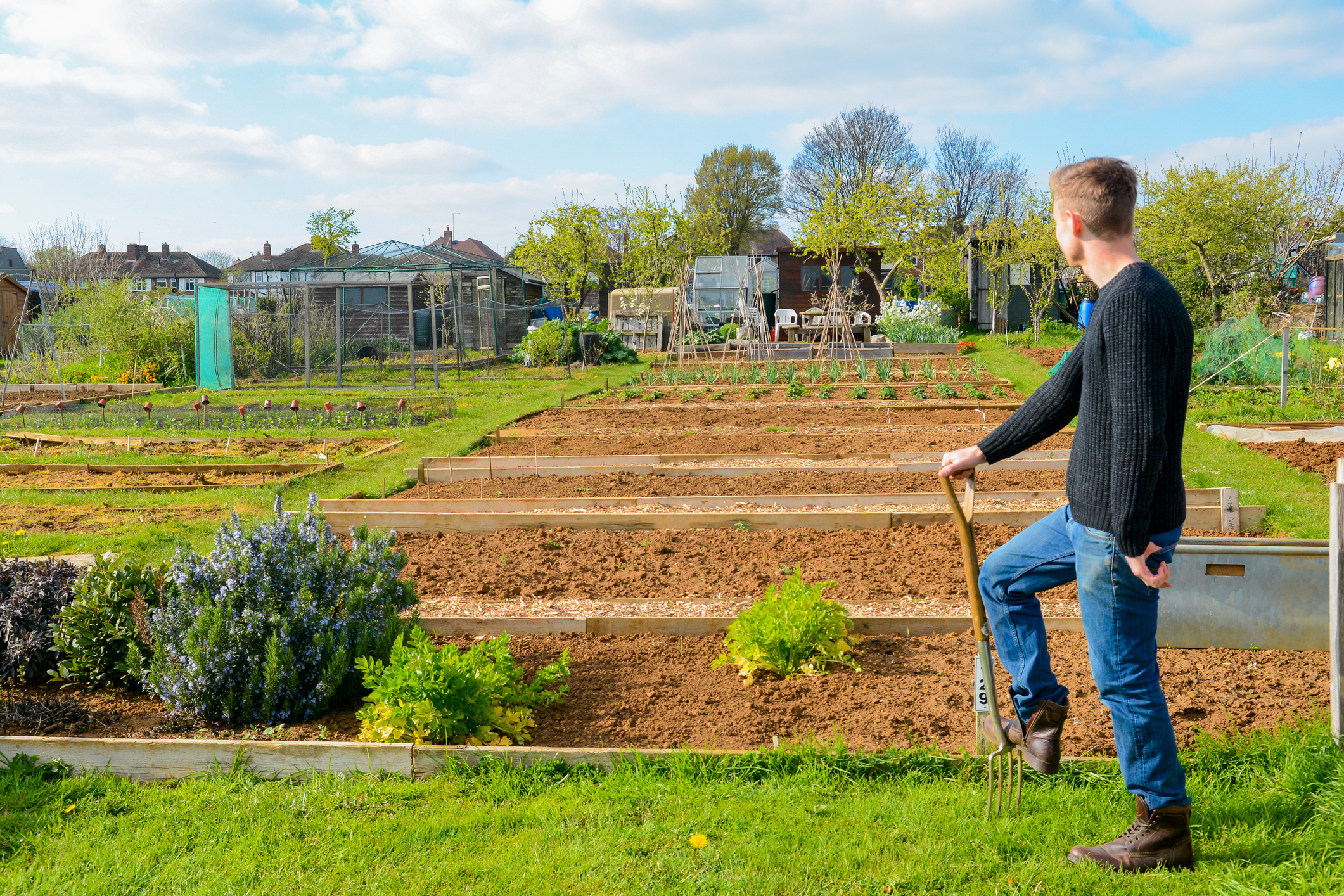
So you’ve read the rules, and you’ve plotted out your space… what’s next? Now, you’re finally ready to get growing! But what should you be planting and growing there.
“This varies person to person, but the best thing to grow is something you’ll actually eat - there is no point growing all the things you think you should grow because they’re good growers if you know deep down you’ll never be able to face eating courgette texture - you’ll just be creating more waste and losing valuable growing space,” says Hutchings-Cox.
“For beginner growers, I would recommend starting with peas, carrots, garlic, onions and potatoes because they’ll teach you different things about growing. Peas will teach you pigeon protection and how to support climbing veg. Garlic and onions will teach you about growing earlier in the season and potatoes will teach you about judging when something is ready to harvest, even when you can’t see it. Carrots will teach you about spacing out seeds.”
Once you’ve got used to the basics, you can go off on your own growing journey, trying different things that work for you. Sweetcorn, sweet potatoes, butternut squashes, or whatever the heart desires.
