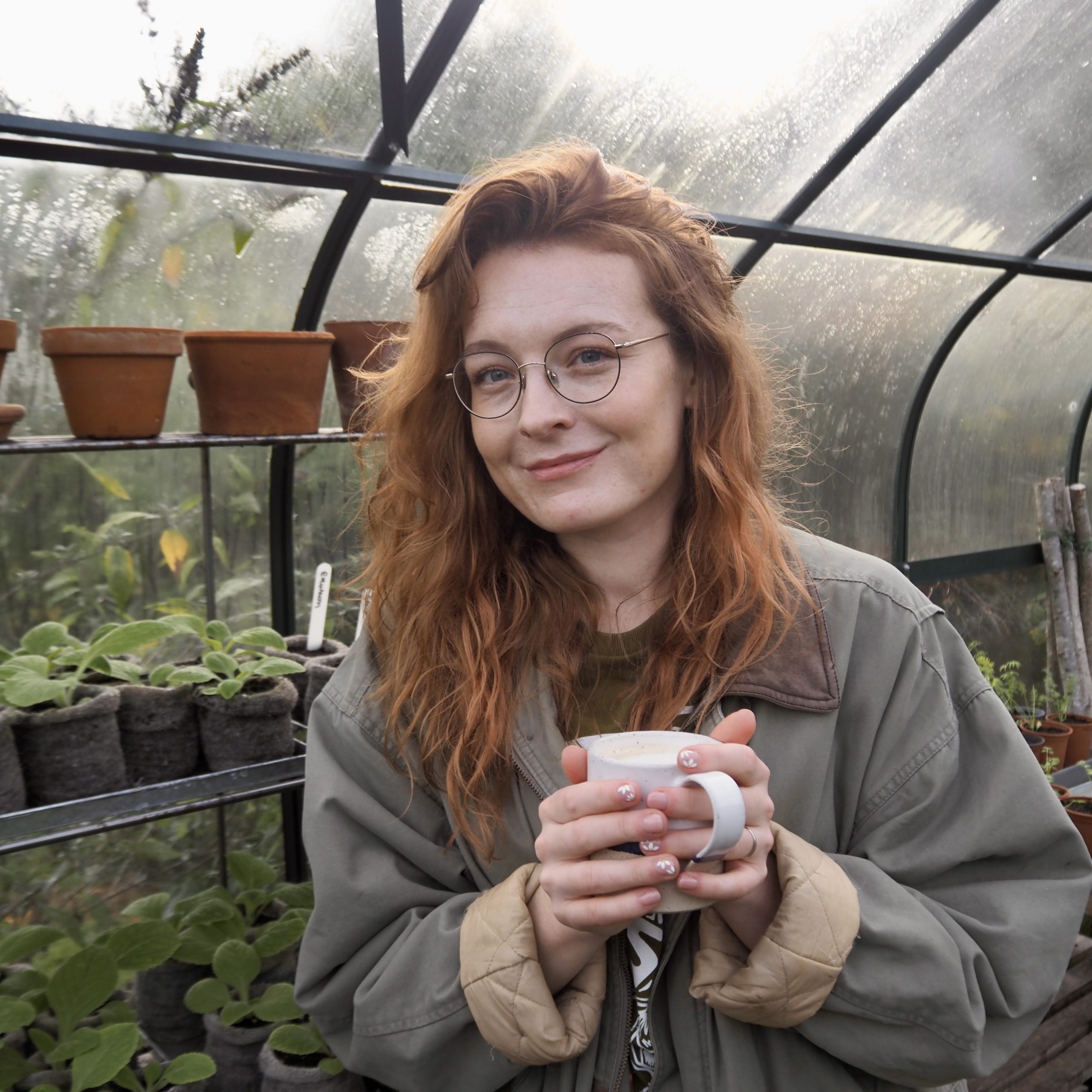
As a professionally trained gardener, gardening presenter and writer, and advisor to some gardening and nature charities, I spend almost all of my time in the garden or talking about gardening. With that experience, I have made my fair share of gardening mistakes in my time.
Gardening is about learning as you go, adapting to each growing year, and knowing that there is always another season, so nothing really goes wrong forever. But that being said, I’m here to give you a heads up on some common gardening mistakes.
That way, you can skip learning these the hard way and get further into your gardening journey, and the good news is that, if you are making these mistakes, they are incredibly easy to change.
1. Being too tidy, or falling for the ‘autumn tidy up’ myth
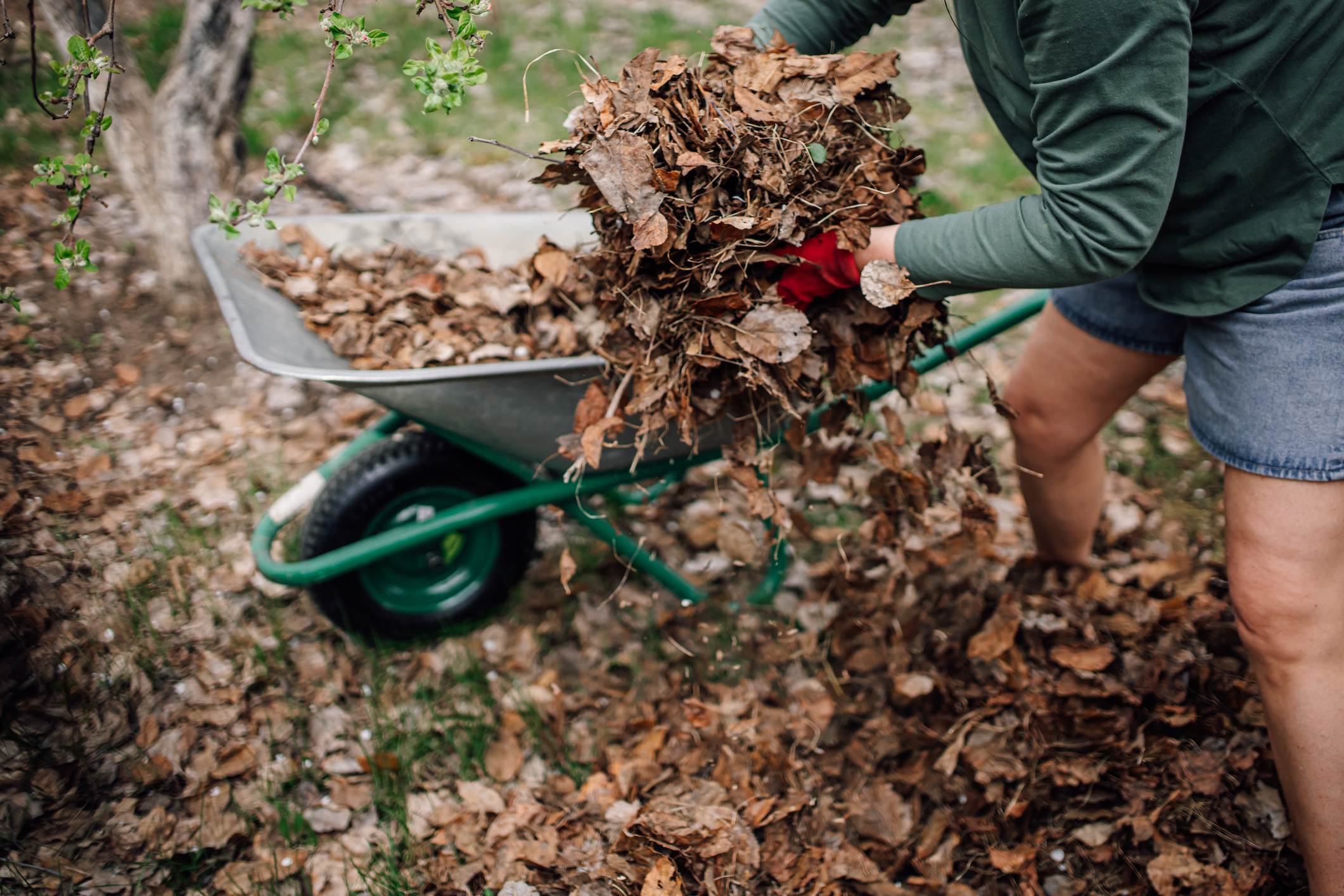
The mistake: Doing the autumn tidy up or ‘putting your garden to bed’ for winter (that is, clearing every fallen leaf, cutting back all your perennials, removing dead stems and generally trying to make the garden look neat and tidy whilst the frosts set in).
This has historically been the done thing, so a lot of gardeners still get outside in the cold and rain and do it, but it’s actually one of the worst things you can do for your garden.
Why it matters: A healthy garden is one that is full of life - plants, insects and wildlife, and they need mess over autumn and winter to survive.
Hollow stems, seedheads, leaf litter and slightly messy corners provide food and shelter for insects, birds and other wildlife.
Out in the wild, decaying plant matter falls onto the soil and regenerates it over the winter, so by tidying up your garden and sending things off to the green waste, you’re actually stopping this cycle of renewal from happening.
Constant tidying also creates more work for you whilst the weather is a bit rubbish, and no-one wants soggy gardening gloves…
What to do instead: Actually, very little! Leave perennial stems and seedheads standing over winter as homes for insects and food for wildlife.
If you really want to get outside, rake leaves off lawns and paths but use them as mulch on beds or make leaf mould instead of removing them from the garden entirely.
You can tidy up in spring once temperatures warm up and nature will have done its job over winter, taking what it needs, ready for you to start the growing season afresh.
2. Reaching for synthetic chemicals to control your garden
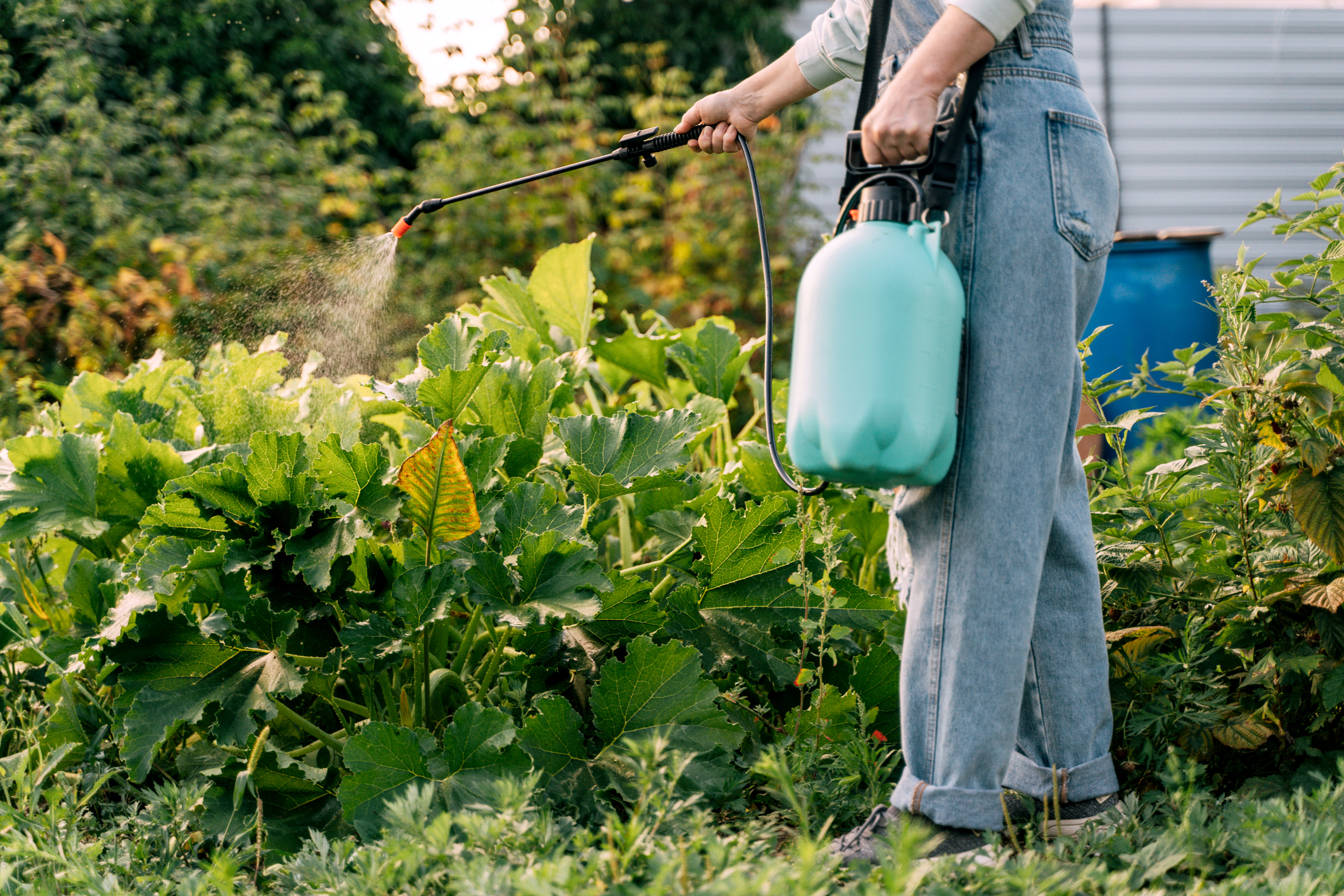
The mistake: Using pesticides, slug pellets, weedkillers or other chemical controls whenever a pest or weed appears to try and deal with the ‘problem’ quickly.
Why it matters: Gardens are ecosystems and act as mini nature reserves in their own right. Insects that are traditionally viewed as ‘pests’, such as aphids and caterpillars, as well as slugs, are vital parts of the food chain.
Some chemical controls that aim to kill things off can impact not only the target themselves, but the rest of the ecosystem too, potentially having a disproportionate impact on wildlife. Intervening with chemical controls can weaken the health of your garden, causing an imbalance in other areas.
What to do instead: Change your perspective and see your garden as part of a network of nature reserves - gardens are vital ecological corridors and gardening can be a hugely positive force for nature recovery if done in the right way.
This means accepting a little damage whilst also encouraging natural predators such as birds, frogs, hoverflies and ladybirds into your garden to feed on ‘pest’ populations and reach a natural balance over time.
Whilst you’re waiting for that to happen, you can also manually remove pests and pop them in the compost heap. Remember that a slightly nibbled leaf isn't a gardening failure, but evidence that your garden is feeding something - and that’s rather magical.
3. Tending to the individual plant but forgetting about the soil
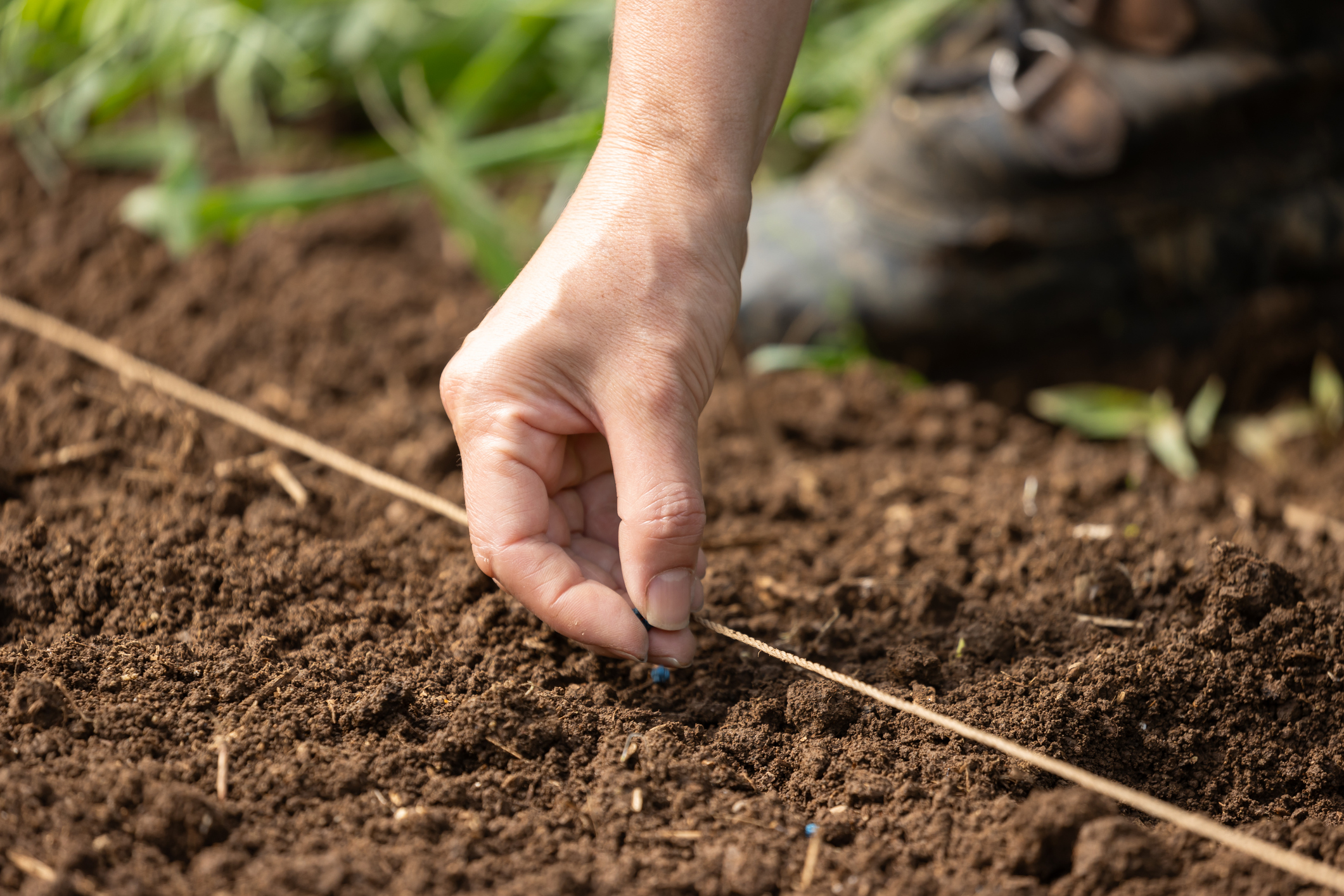
The mistake: It’s very easy to focus on the individual plant and what it might need, and even easier to forget about soil health or take it for granted.
Why it matters: Healthy soil is the basis of plant and garden health - soil is what feeds the plants and it is home to a whole ecosystem that keeps your garden thriving.
Healthy soil contains nutrients and moisture, but if the soil is intensively worked without nourishment, it can become depleted, and as soon as this is out of balance, it takes time to course correct.
What to do instead: Stay on top of soil health by adding homemade compost or well-rotted organic matter, mulch beds to retain moisture and add structure, minimise unnecessary digging and keep soil covered with plants wherever possible.
Compost garden and kitchen waste to return those nutrients to the garden. Essentially, feed the soil and then the soil will feed your plants.
4. Watering little and often
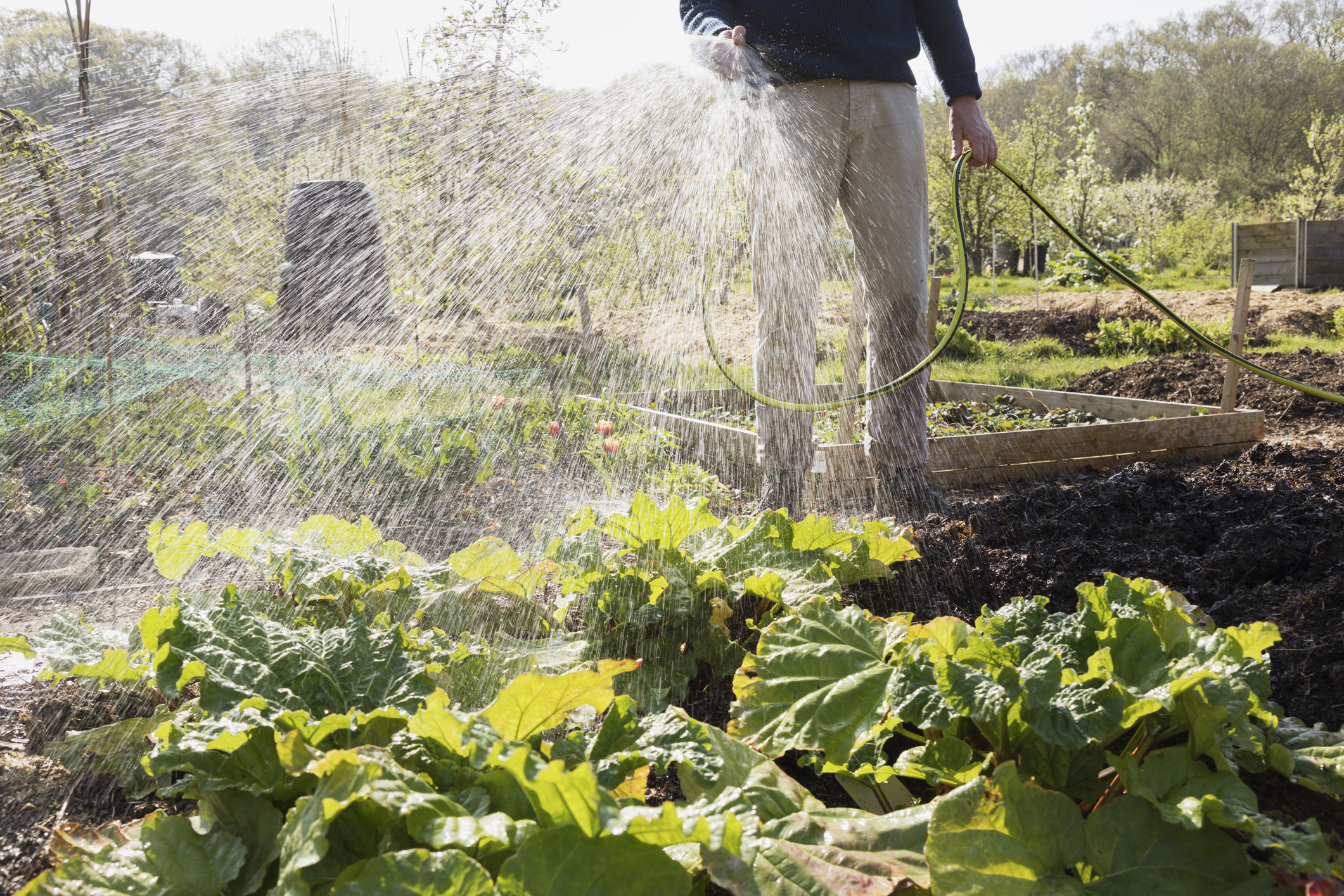
The mistake: Giving the whole garden a light water every evening - whilst this is the done thing for houseplants and feels like you are tending to your garden, it can actually do more harm than good outside.
Why it matters: A light watering only really wets the surface, encouraging shallow roots as plants find water in the top level of the soil, which then also evaporates off quite quickly.
This makes plants more dependent on you and could lead to bigger issues as the weather continues to get hotter over time and we experience more hosepipe bans in the future.
What to do instead: Water plants less frequently but more thoroughly, concentrating on the base of plants. Water in the morning or evening so the water has a chance to penetrate deeper layers of the soil before it evaporates off, mulch to retain moisture and collect rainwater wherever you can and use that.
This will encourage your plants to develop stronger, deeper roots, looking for moisture in lower levels of the soil, and will (hopefully) save water in the long run.
5. Planting your new favourite plant straight out into the garden
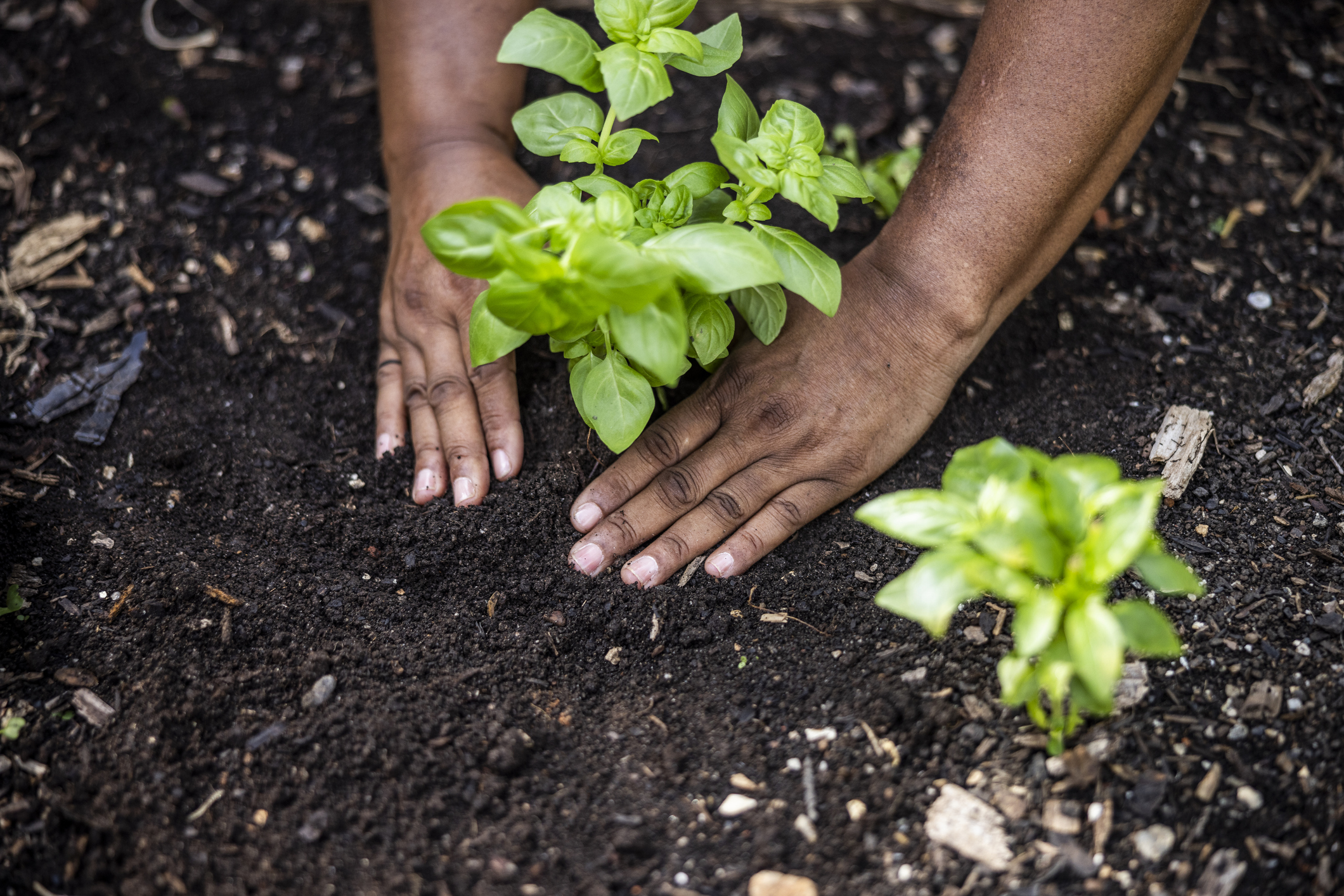
The mistake: Buying something that catches your eye at the garden centre and squeezing it into whatever gap you've got. (We all do it - why would garden centres sell the plants if they couldn’t just be popped straight out into the ground?!)
Why it matters: A sun-loving plant in deep shade or a thirsty plant in dry soil is always going to need more support. That can mean more watering, feeding and replacing plants, making you feel like a gardening failure - when it’s not actually you, it’s probably just where the plant is!
What to do instead: Spend even more time in the garden, and learn what you can about plants you like! Get to know your space - things like sunlight, soil, moisture and what space you actually have. Choose plants suited to those conditions and they'll generally need less input and be more resilient - making you feel like a better gardener! Better still, learn about as many different plants as possible and create homes for them in your garden - a diverse garden is a healthier and more interesting one.
In short, the trick to avoiding mistakes in gardening isn’t doing more… Working with your plants, looking after your soil and allowing a little mess can create a garden that's healthier, more resilient and better for wildlife – and actually requires less work from you, giving you more time to enjoy the garden!