‘Nature’, as Alfred Lord Tennyson wrote, ‘red in tooth and claw’. There’s little room for niceties in the animal world, and some British species indulge in behaviour that might be considered downright gruesome. Here are nine examples.
1. Great Grey Shrikes
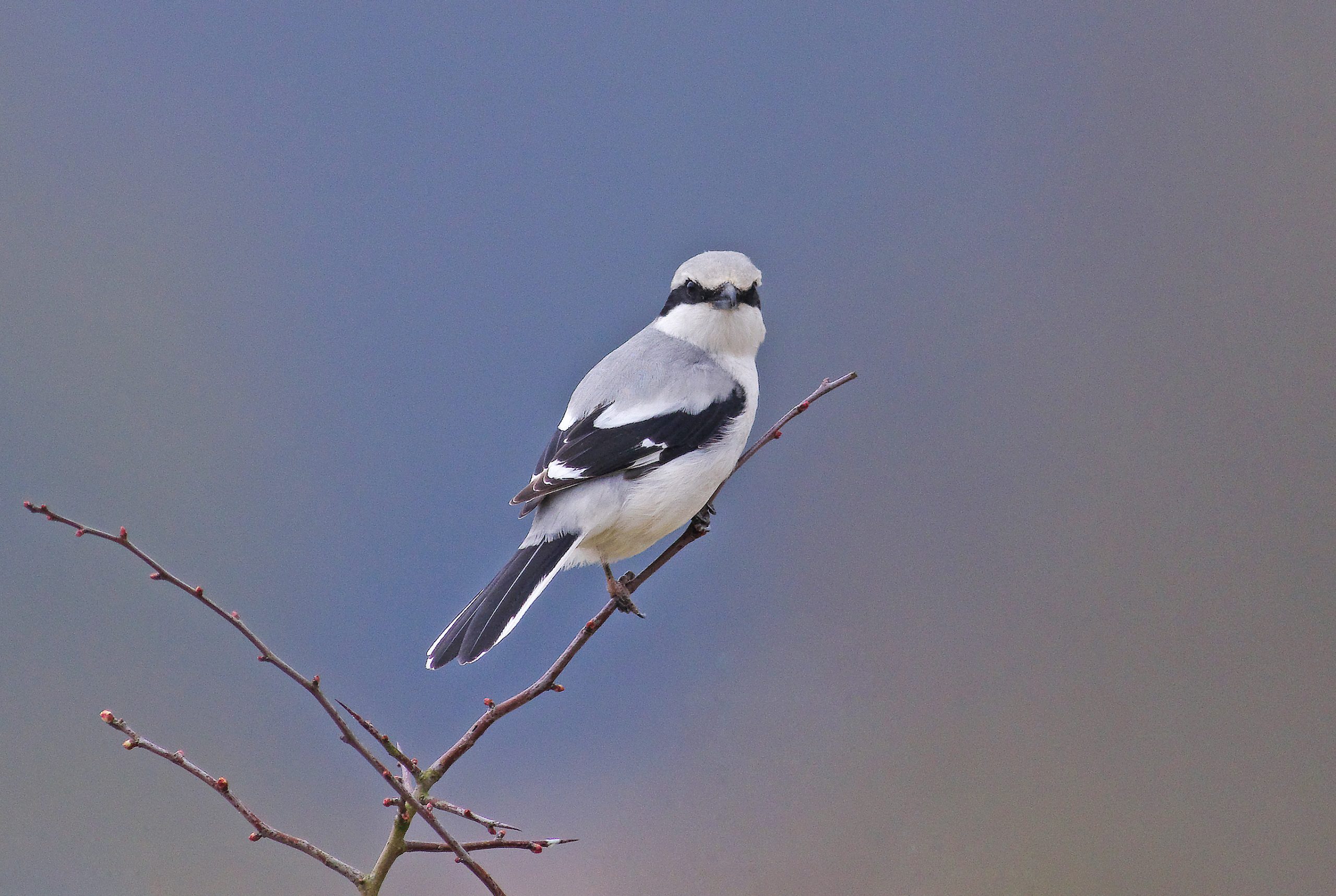
Only small numbers of these strikingly hued songbirds migrate to the UK for winter, which is some consolation for the mice, voles and insects they predate.
Also known as ‘butcher birds’, they often impale the bodies of their victims on thorny branches (and sometimes even barbed wire), making them easier to eat or store.
2. Stoats
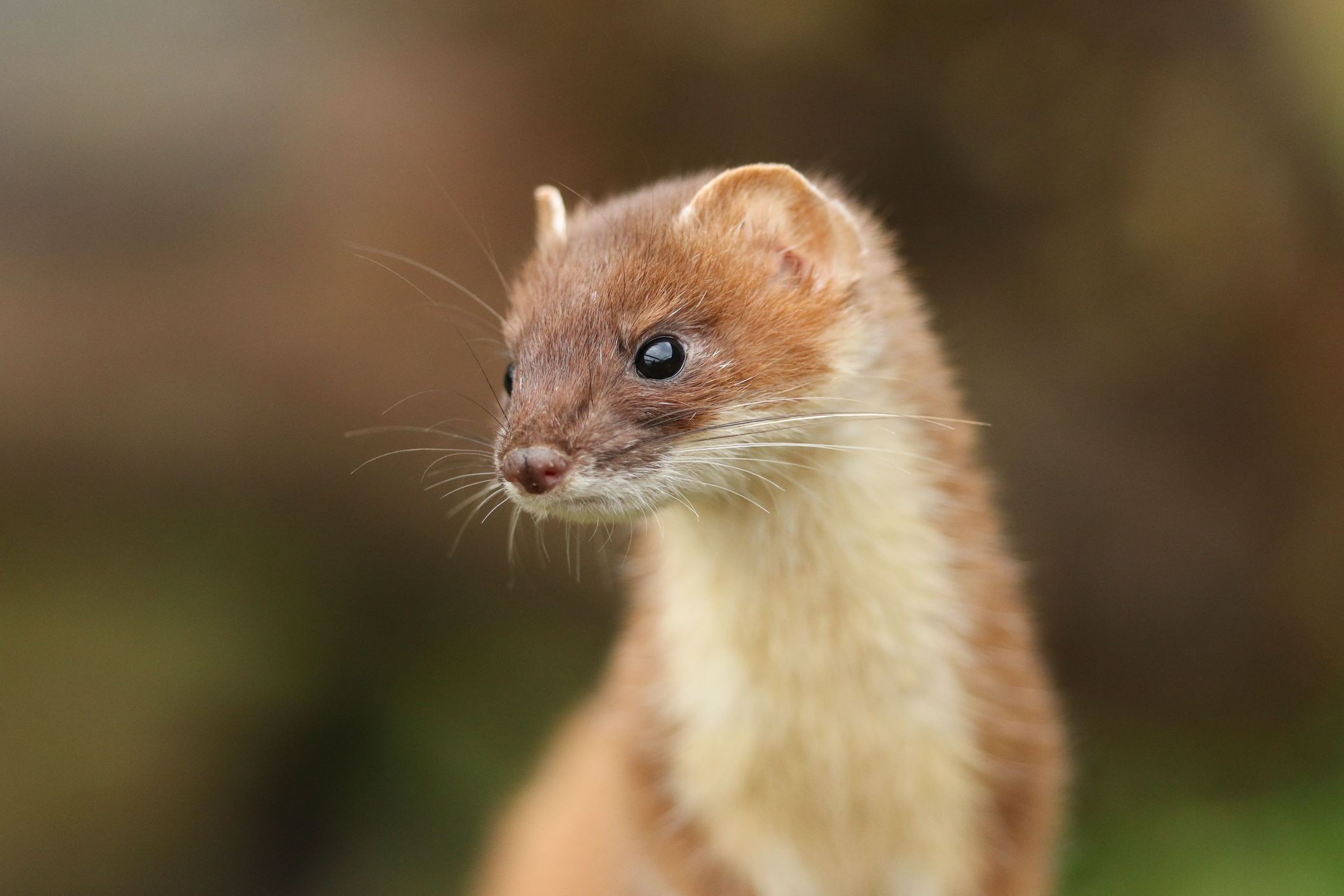
If you’ve ever watched a stoat dashing around like a crazed puppy, there’s a reason. The speedy mustelids are known to mesmerise rabbits by jumping, twisting and running in erratic zigzags, getting closer and closer as the bunnies watch on transfixed.
It’s a war dance of sorts: when within striking range, the stoat leaps forward and delivers a fatal bite to the back of the rabbit’s neck.
- "Life will test all of us at some point." Bear Grylls on overcoming fear and finding peace in nature
3. Perch
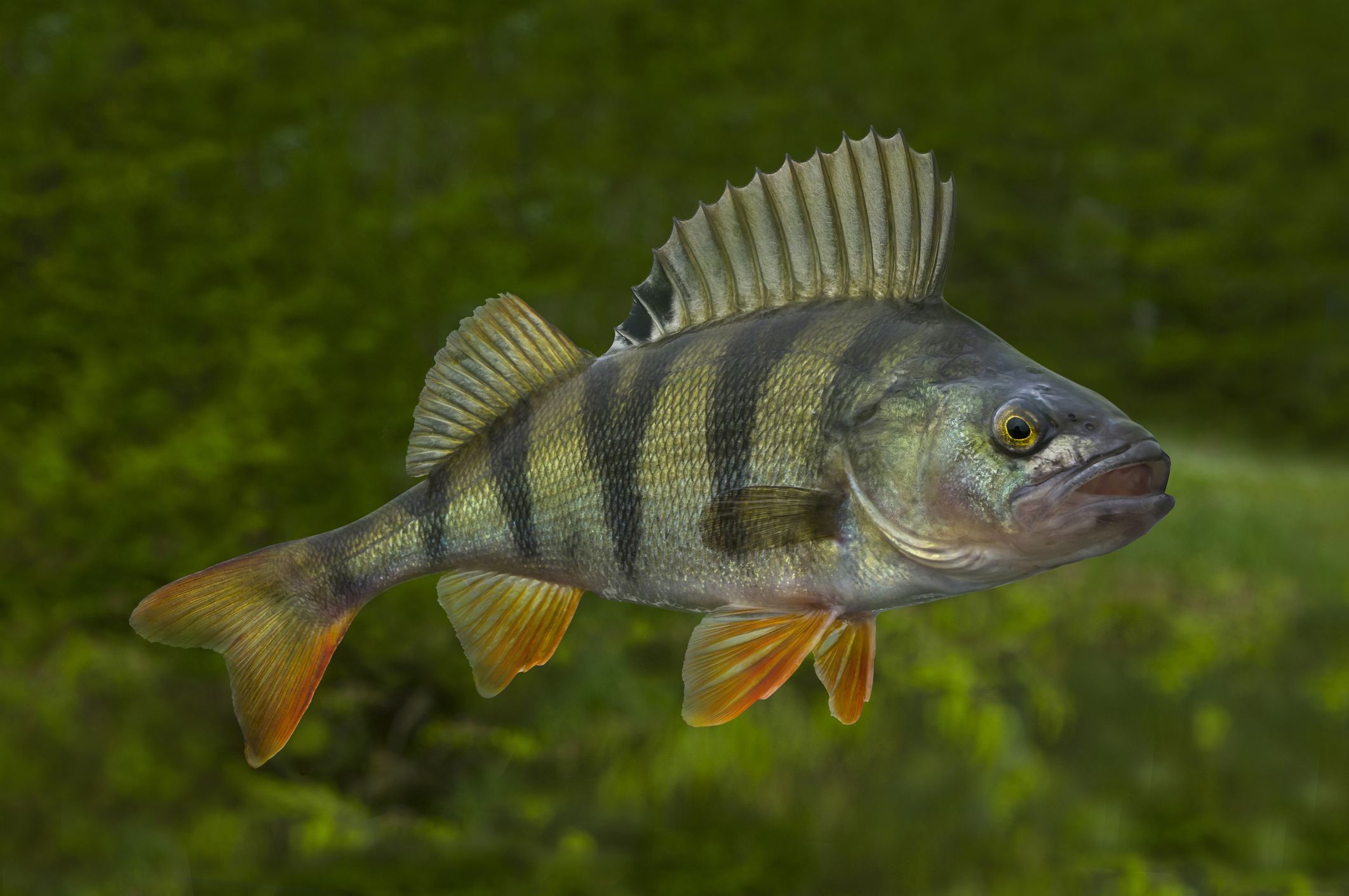
There’s a cannibal in the water. This striped freshwater fish is one of the most widespread in the UK, found in canals, rivers, lakes and reservoirs.
It feeds on crayfish, invertebrates and other fish – including, yes, perch. Showing scant respect for intraspecies solidarity, larger perch often gobble up their smaller relations.
4. Great tits
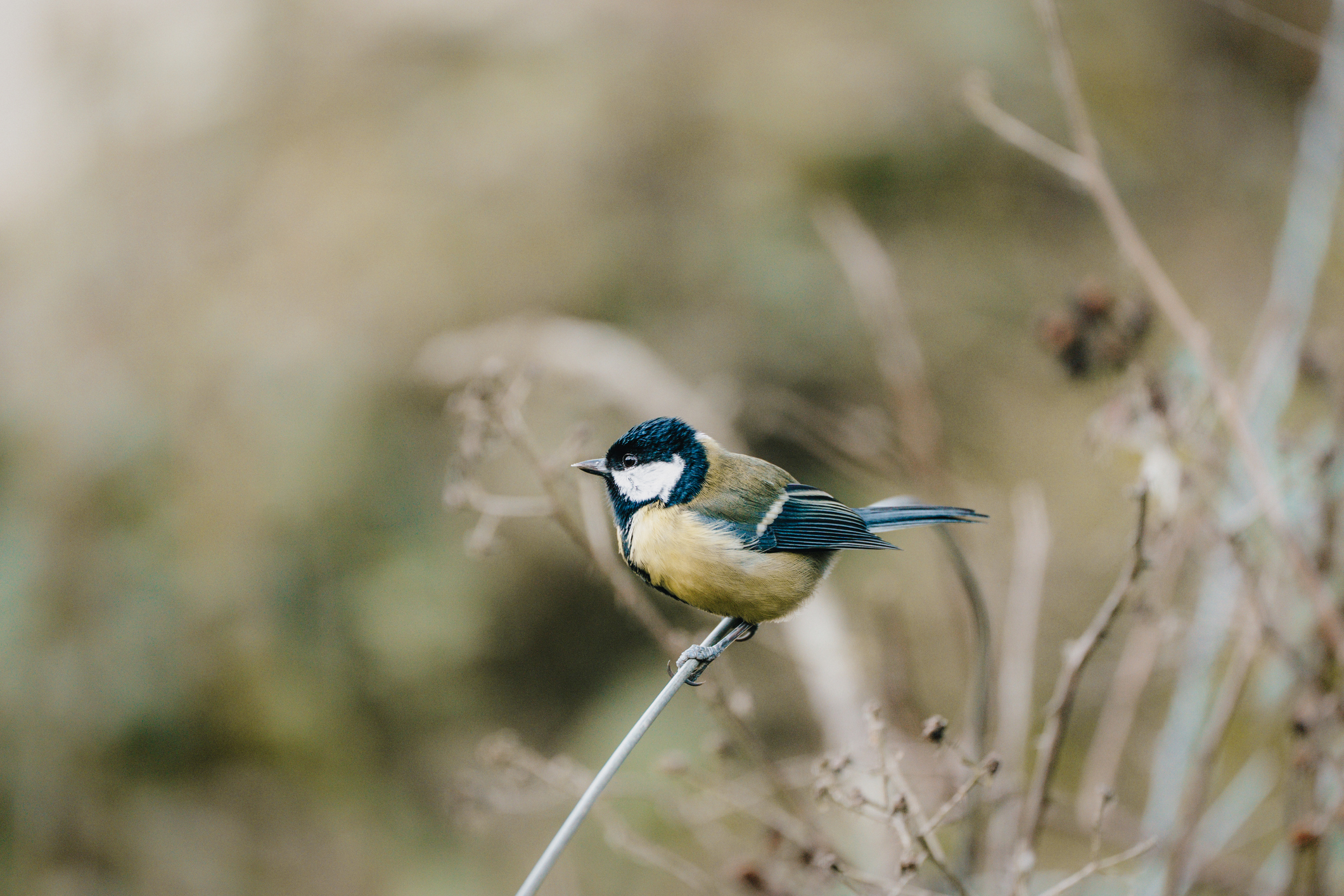
The great tit isn’t an obvious contender as a brutal species, but when hunger strikes it can resort to unusual measures. The bird’s diet usually comprises of seeds, nuts and insects, but in winter conditions it’s been recorded snatching bats from their hibernation roosts and consuming them, brains and all.
5. Robber flies
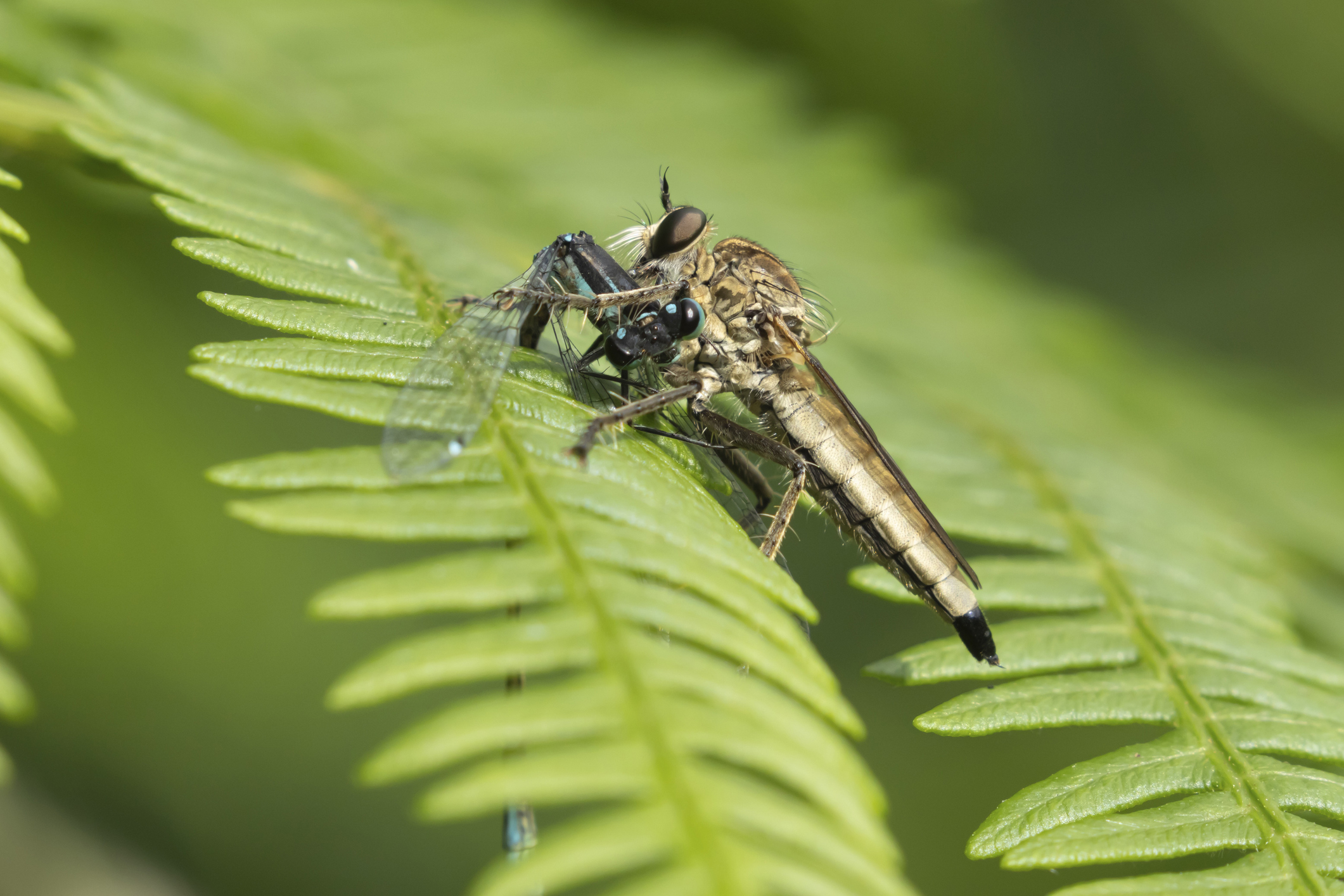
Minibeasts, beware: the UK has at least 28 species of robber fly. Going by the alternative name ‘assassin flies’, these bristly insects have a macabre approach to feeding.
Attacking other insects in mid-air, they inject their prey with a toxic fluid then proceed to suck out their insides, with their stiff probosces acting as effective, if unpleasant, straws.
6. Barn owls
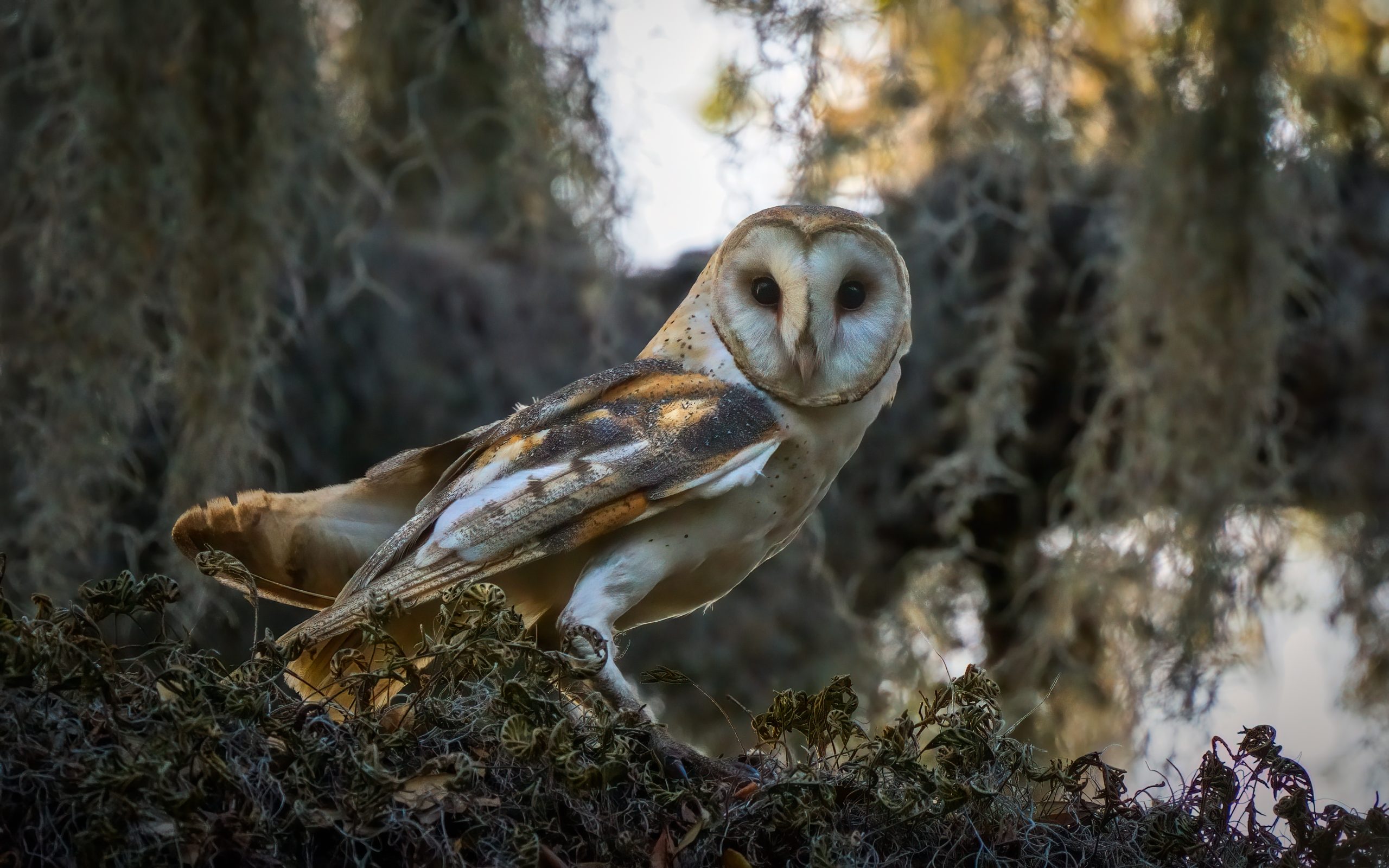
To Springwatch’s credit, the programme rarely shies away from the realities of animal survival. One gory on-screen revelation has been the sight of barn owl chicks eating their weaker siblings in the nest, seemingly with parental approval.
Why? When the priority is ensuring that at least some offspring fledge, there’s a logic in ‘investing’ in the stronger chicks.
7. Water shrews
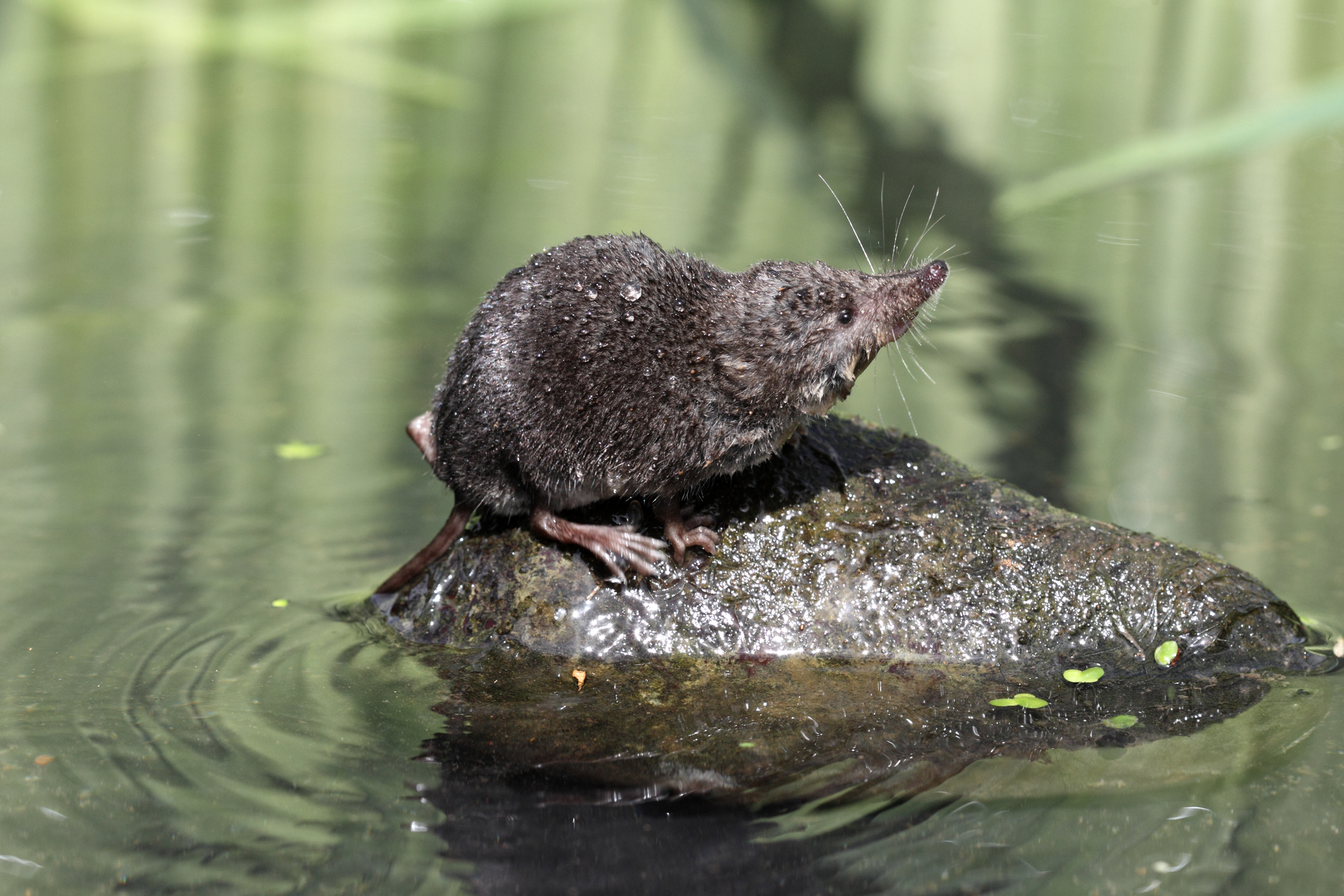
Not many mammals are venomous, but the wetland-inhabiting water shrew packs a poisonous bite. Despite being less than ten centimetres long it’s the UK’s largest shrew, with saliva that’s toxic enough to immobilise newts, snails, small fish and frogs.
The sharp-toothed hunter is even said to be capable of bringing down prey up to 60 times its weight.
8. Cuckoos
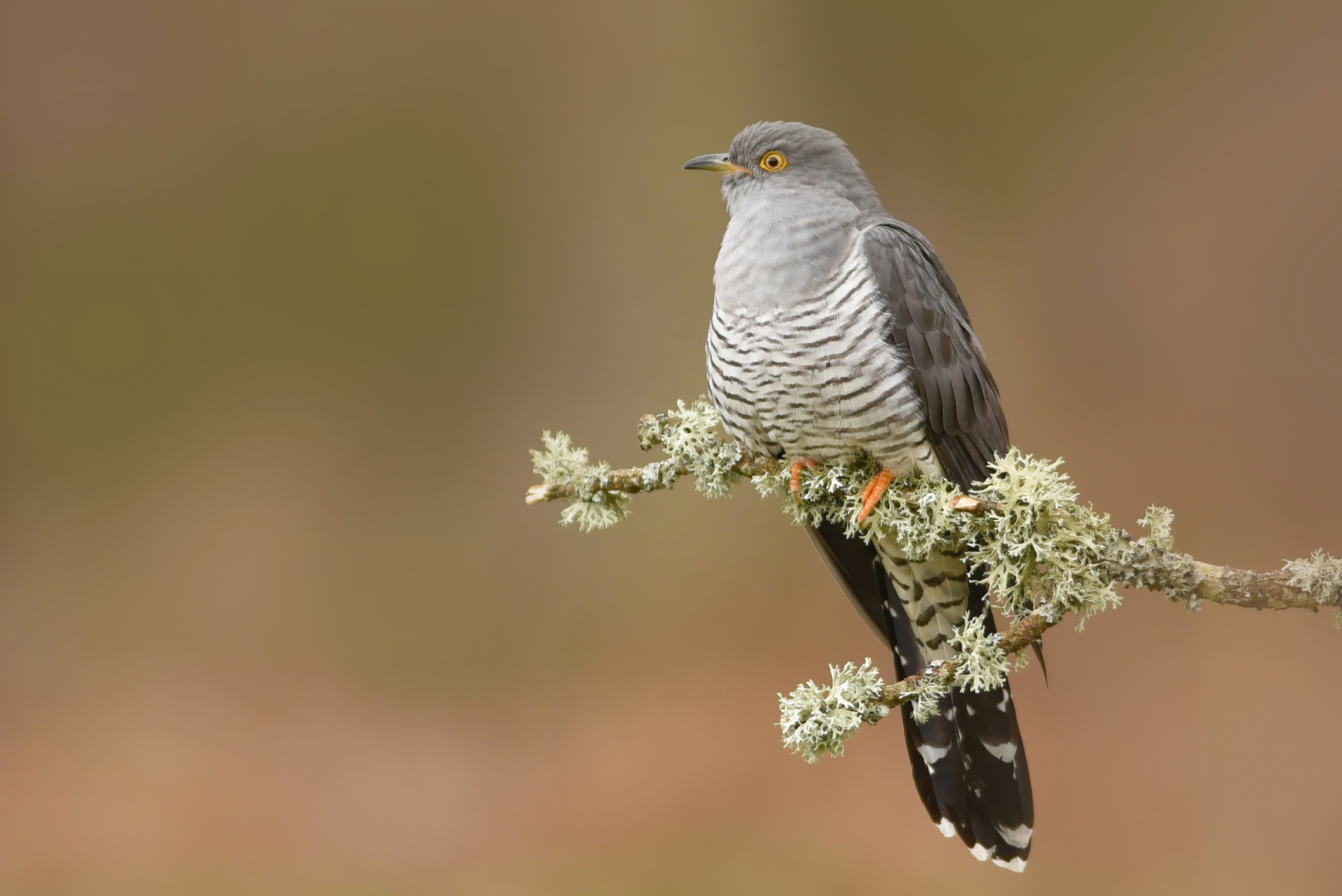
Not so much bloodthirsty as devious, cuckoos are famed for disrupting the breeding habits of other birds. Female cuckoos lay their eggs – one at a time but sometimes upwards of 20 in a single season – in the breeding nests of other species, who then unwittingly raise the chicks as their own.
To add to the injustice, these young cuckoo imposters frequently boot out the unfledged chicks of the host species.
9. Ichneumon wasps
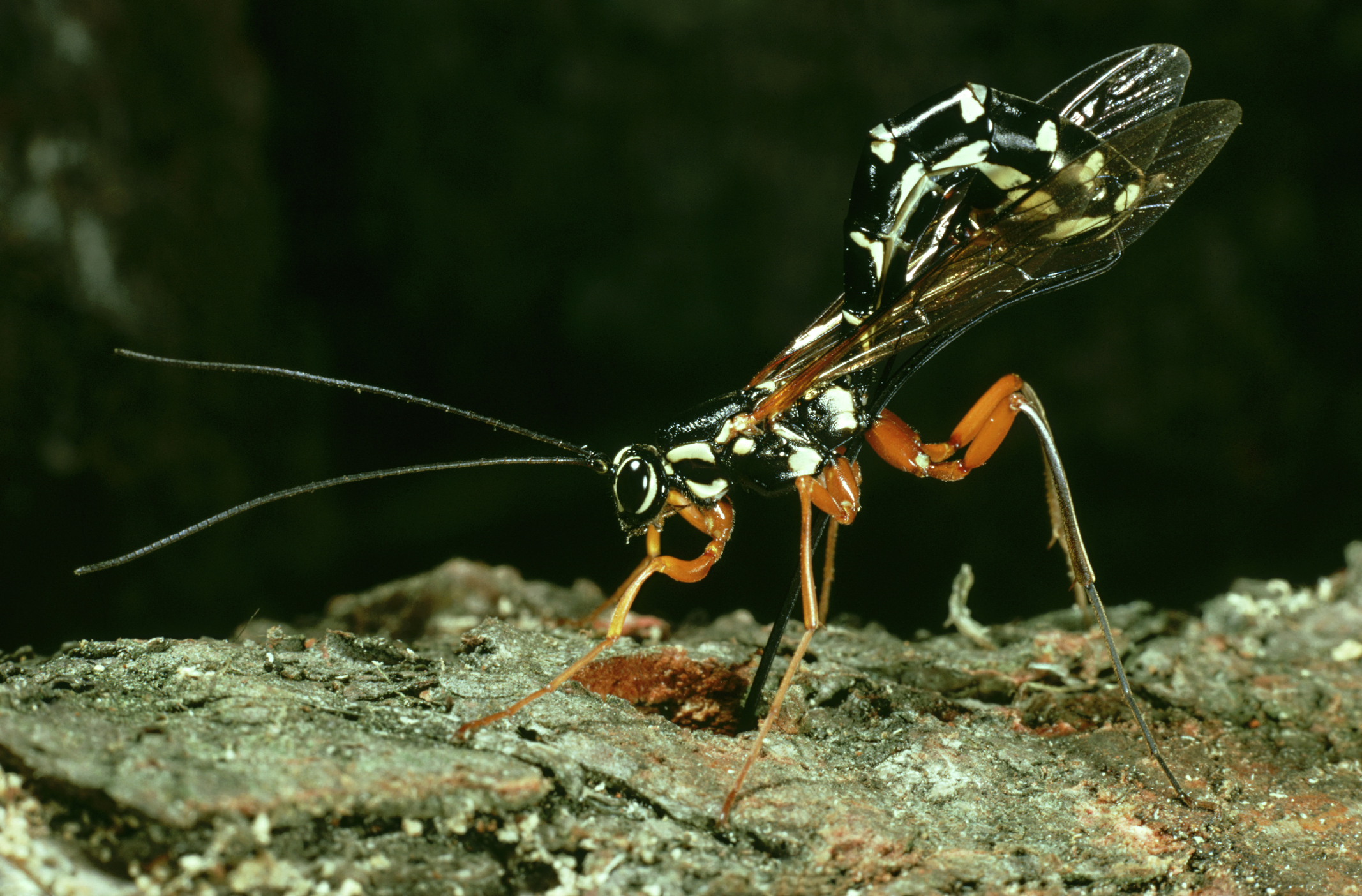
If British nature were a horror film, these insects would be prime contenders to take top billing.
The females use needle-like ovipositors to lay their eggs directly inside creatures such as caterpillars and grubs, the grisly coup de grâce being that when these eggs hatch, the wasp larvae eat their hosts from the inside out.
This is no rare occurrence: ichneumon wasps are Britain’s largest family of insects, numbering more than 2,000 species.