With its lush fields, meandering rivers and wild forests, it's hard to imagine that the UK's geological past was at times long and violent. But the country we see today is the result of millions of years of geological activity.
Plates have collided forming new landmasses, volcanic vents have spewed out tonnes of magma and super volcanoes have exploded causing cataclysmic changes to the environment.
Right across the country from Devon to the Highlands, there are clues of this violent past in the shape of extinct volcanos and signs of volcanic activity such as lava deposits collapsed craters and volcanic vents.
1. Exeter
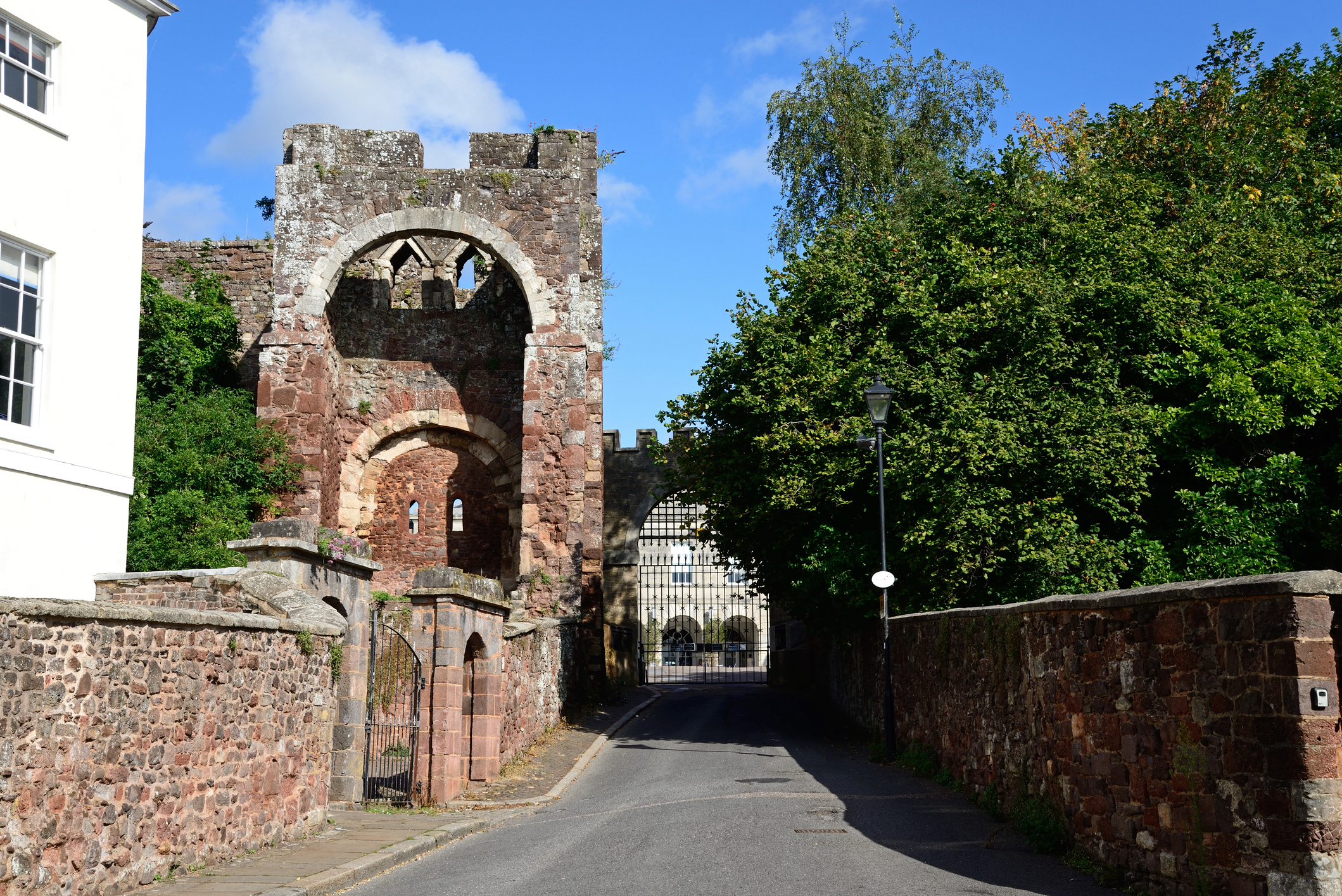
Between 280 and 290 million years ago when the continents had fused together to form the supercontinent of Pangea, Devon was a very active volcanic region.
It's hard to believe but the now peaceful Rougemont Castle in the centre of Exeter would have been at the heart of this activity. But a keen eye can spot the crop of igneous rock the castle is built upon.
In fact, builders actually utilised the rock that came from this volcanic event, with many buildings throughout Exeter being built using volcanic stone.
- The rising threat of wildfires in the UK: Why Britain is completely unprepared for a warming climate
2. Arthur's Seat
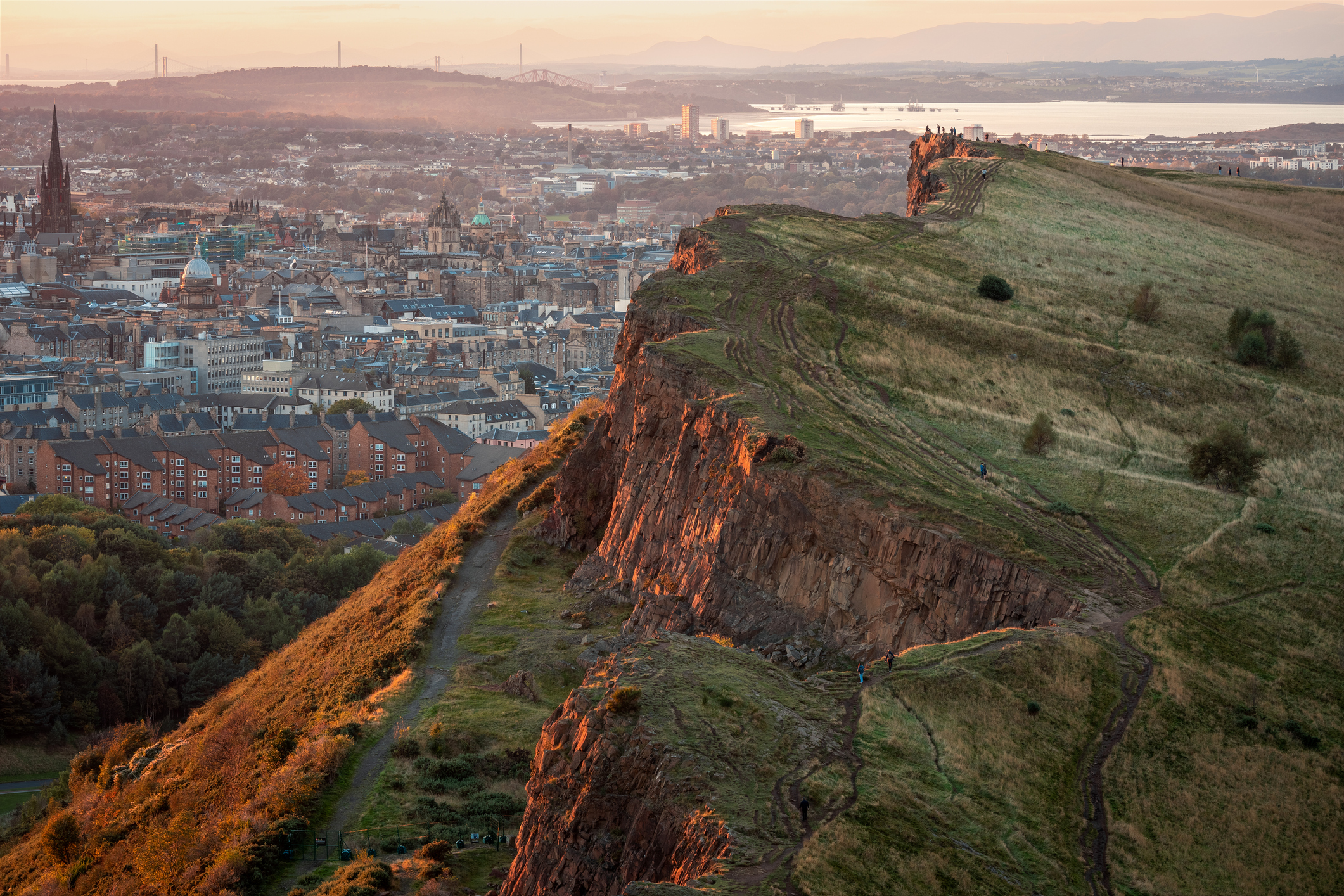
Perhaps the most famous extinct volcano in Britain, Arthur's Seat towers 250.5m above the town of Edinburgh making it the perfect challenge for visitors.
You can still see signs of its violent past as rounded basalt rocks or volcano bombs can be found within the rock at the base of the hill.
While its history was violent, in its modern day use Arthur's Seat is one of Edinburgh's biggest tourist attractions.
3. Conwy Mountain
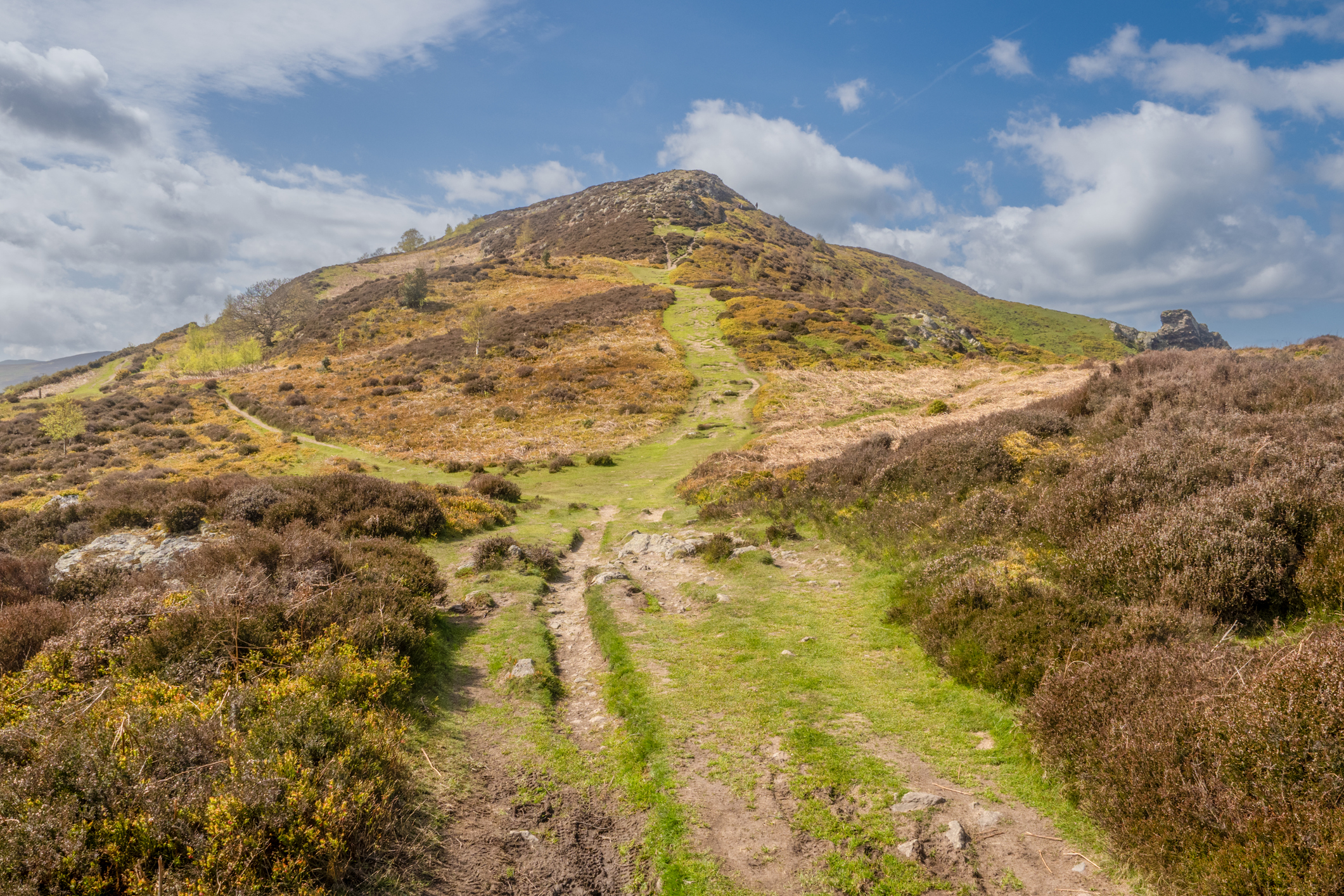
Overlooking the town of Conwy and Conwy Bay Mynydd y Dref (or Conwy Mountain) is the remains of a 450-million-year-old volcano.
Shaped by erosion and shifting continents, the hill is home to wild Carneddau ponies which may have lived on the mountainside for a thousand years.
4. Glen Coe
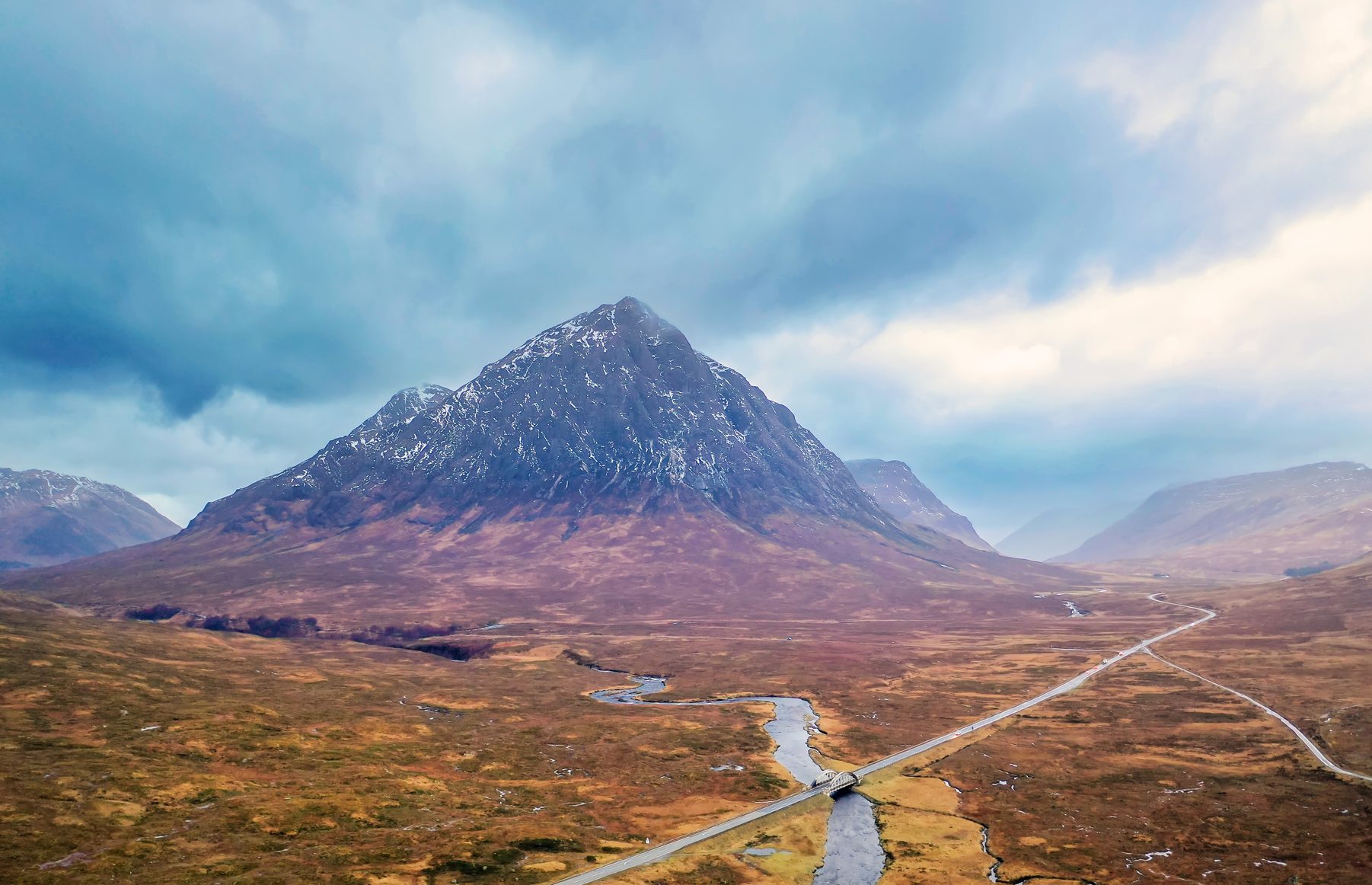
The region of Glen Coe, one of the most stunning in the UK, was once the site of an enormous super volcano.
During its active life, powerful blasts would have sent giant ash clouds and lava flows for miles around, devastating everything its came in contact with. The eruptions were so intense that the ground sunk by up to a kilometre as the magma was expelled.
5. Slemish Mountain
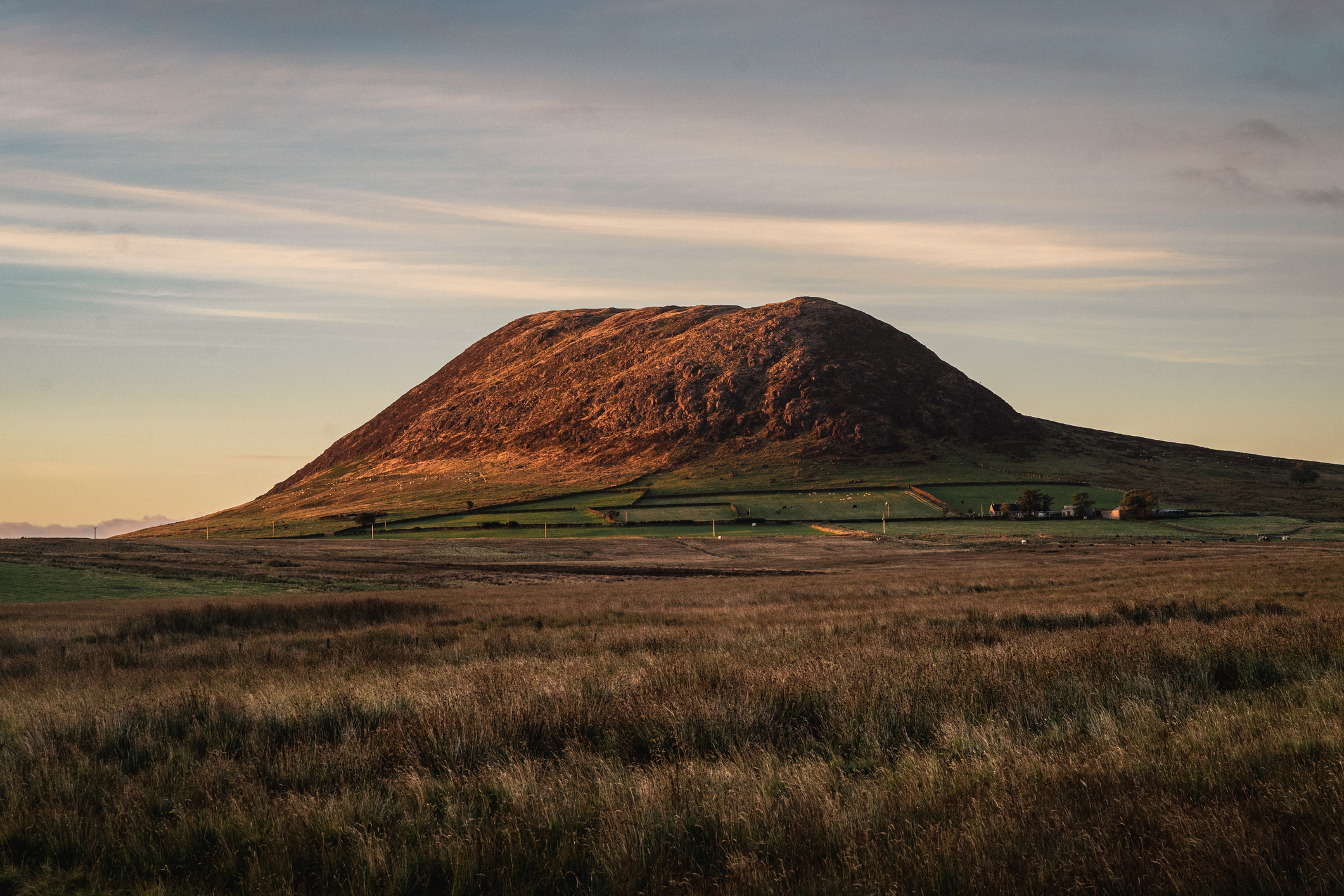
In legend, Slemish or St Patrick's Mountain was where a young St Patrick was taken as a teenager and forced to tend to animals. It's said it was the solitude on the mountain that brought him closer to God. The mountain is a volcanic plug formed 60 million years ago.
Now, the mountain remains a popular route for hikers. Each St Patricks Day, people descend on the mountain to celebrate the saint where he supposedly became closer to God.
6. Snowdon
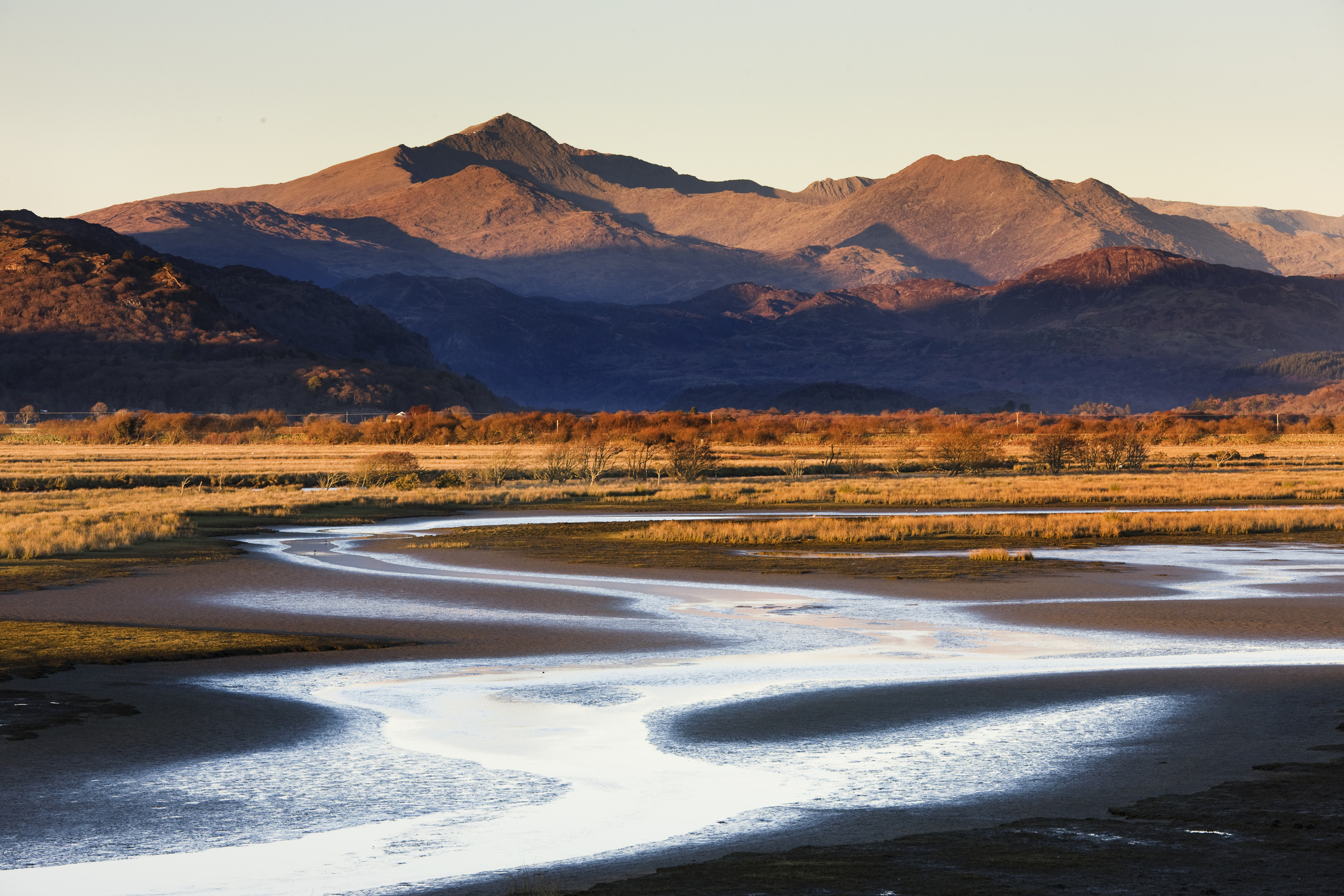
450 million years ago, Mount Snowdon was part of a 10-kilometre volcanic caldera. Volcanic activity in a shallow sea caused the huge crater to form and resulted in a layer of ash measuring up to 500 metres deep.
Colliding continents caused this landmass to surge upwards forming the mountain which was later shaped by glaciers.
7. Scafell Pike
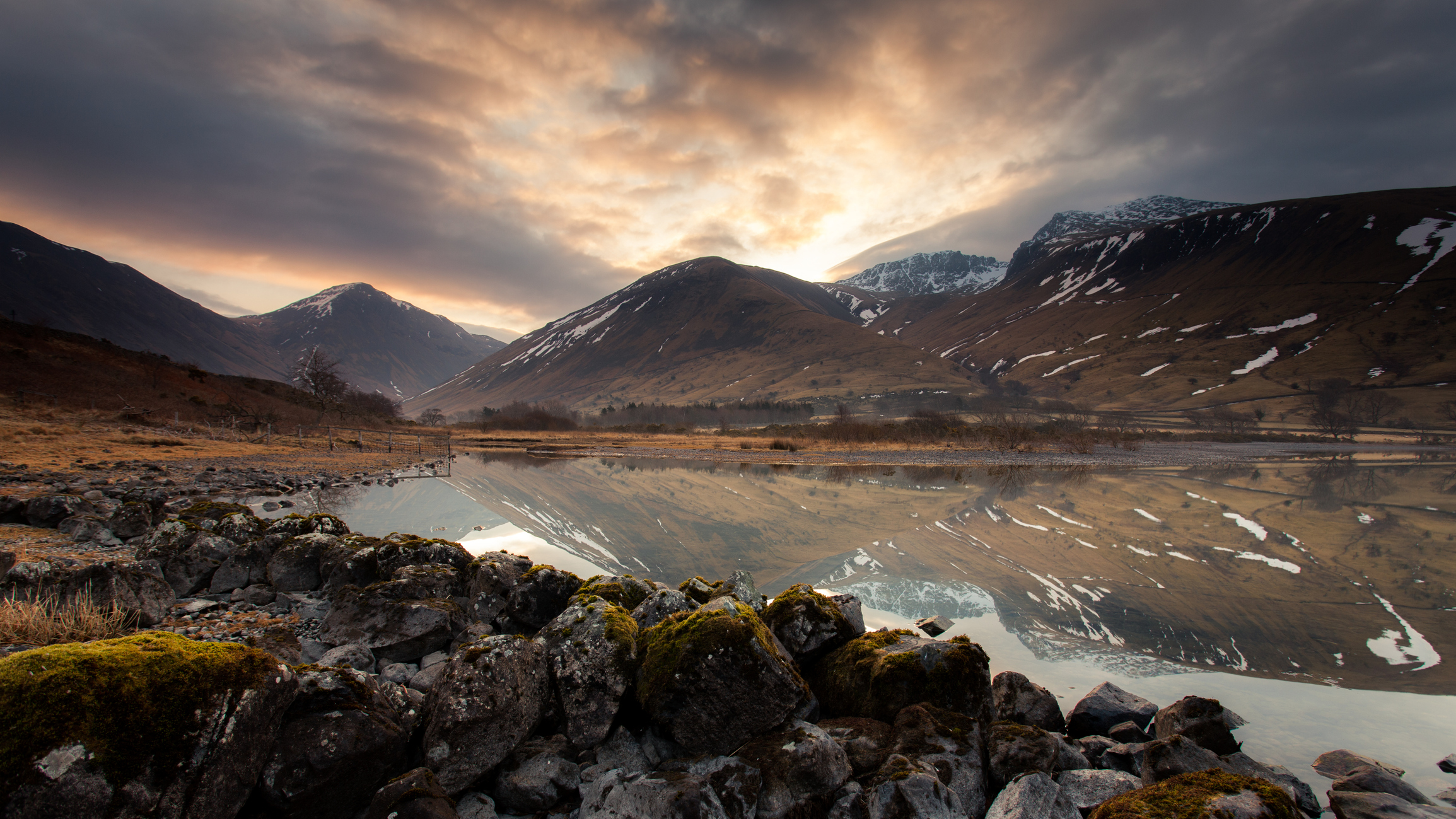
Back in a time before the dinosaurs, Scafell Pike was part of a volcanic island chain which would have looked more like the western Pacific region than Cumbria.
Like Snowdon the mountain's present shape is mostly thanks to glacial erosion when the region lay under a thick layer of ice.