On 15 July in the Cairngorms, an “apocalyptic” wildfire broke out, burning thousands of hectares of moorland and woodland. Almost three weeks later, firefighters were still tackling the blaze.
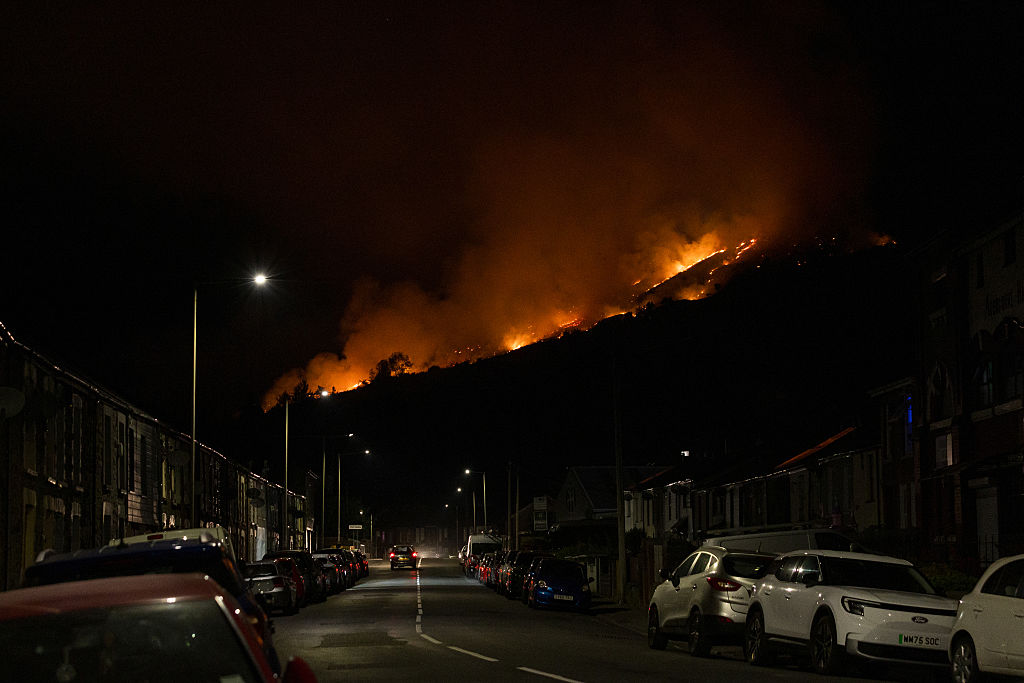
In England, the fire at Tintwistle Moor in Derbyshire became one of the country’s largest, burning 600 hectares. In August, a wildfire in Stourbridge, West Midlands destroyed 19 homes, while in the New Forest, Hampshire, families fled their cars when a blaze burst out by the A31.
Wales similarly saw multiple significant wildfires erupt. For the first time, the fire service requested military support to help tackle a huge peat fire that spread over 4,000 hectares in South Wales.
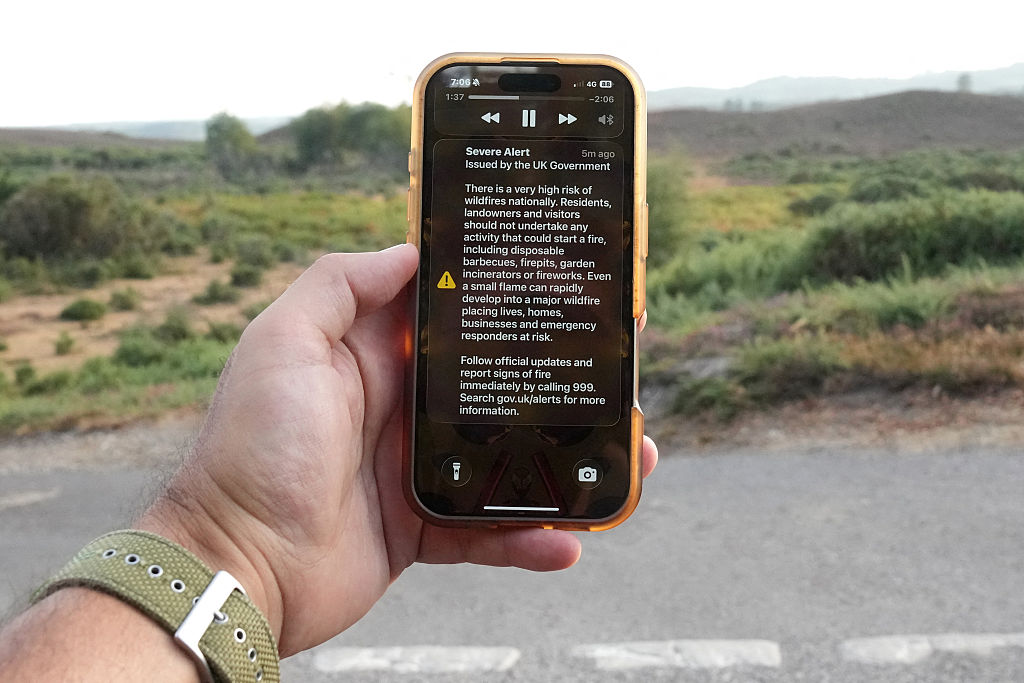
So far this year, fire and rescue services in England and Wales have responded to more than 1,132 wildfires, already surpassing last year’s record of 1,017 incidents. The Prime Minister Andy Burnham described Britain as a “tinderbox” and chaired an emergency Cobra meeting on 12 August due to the extreme heat; on 14 August, the Government sent a “severe alert” emergency message to millions of phones across the UK, warning “there is a very high risk of wildfires” and people should not use firepits, disposable barbecues, garden incinerators or fireworks.
So what's going on with wildfires in the UK right now, and what does it mean for the future?
Wildfires in the UK
For generations, wildfire has seemed like a problem belonging to hotter countries. Britain’s damp reputation offered a degree of reassurance: fires might flare on a heath or moor, but they were usually small, brief and local.
The summer of 2026 has challenged that assumption. After months of heatwaves, drought and exceptionally dry vegetation, fire crews have been dealing with prolonged, fast-moving incidents across Scotland, England and Wales.
Wildfires in Europe have wreaked carnage, with 330,000 people evacuated from stricken areas in France, Spain and Italy. Although the UK is usually spared such damage, changes to the country's climate suggests that it will no longer be so fortunate.
Why are fires increasing?
Weather is central. A mild, wet winter helps plants grow. A lengthy hot spell then dries out grass, heather, bracken and crops, transforming ordinary vegetation into fuel. Drought reduces the moisture that might otherwise slow a fire’s progress. With a wet winter and a summer that is on track to be the UK’s hottest, this year offered prime conditions for fire. The UK Health Security Agency says more severe wildfires are likely in future, as hotter, drier summers become more common.
Human behaviour remains a major factor. Campfires, barbecues, cigarettes, fireworks, glass and litter can all ignite parched vegetation. Some fires are deliberate; others accidental. In dry conditions, a small ignition can become a major incident within minutes.
The 100-hectare blaze in the New Forest, Hampshire erupted after a vehicle caught fire on the A31 near Ringwood and flames spread to the heathland, home to rare smooth snakes, sand lizards and nightjars. More than 120 firefighters battled the blaze, with several families having to abandon their cars.
What are the dangers?
Wildfires can be deadly. Multiple firefighters across the country have been hospitalised due to smoke inhalation and heat exhaustion. Residents near wildfire smoke – which contains fine particles and gases that can worsen respiratory conditions and heart disease – should remain indoors, close windows and follow emergency guidance.
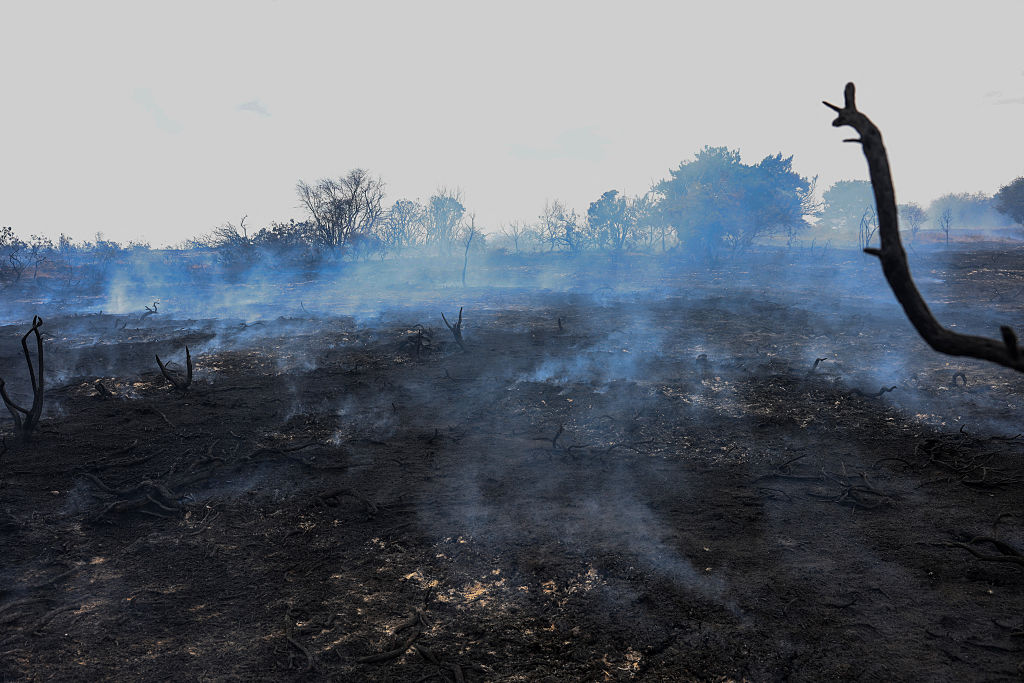
Wildfires destroy landscapes and kill flora and fauna, with damage persisting long after the smoke has cleared. Recovery can take decades. The wildfire at Dunwich Heath in Suffolk engulfed 150 hectares of heath and woodland, including parts of RSPB Minsmere. ‘It’s heartbreaking,” said the National Trust’s director-general Hilary McGrady. “We’re looking at total devastation of a landscape.”
- "Life will test all of us at some point." Bear Grylls on overcoming fear and finding peace in nature
Can emergency services cope?
Severe wildfires require extensive resources, including manpower, helicopters and heavy machinery. At the height of the response in the Cairngorms, more than 500 firefighters were involved, with residents evacuated. Helicopters were used to water-bomb smouldering areas, while ground crews worked to cut firebreaks and damp down hotspots. In South Wales, around 200 military personnel have been deployed to help battle wildfires.
The type, terrain and the severity of a fire affect how long it takes to extinguish. Peat can burn deep underground, causing new outbreaks in different spots, while wind changes affect the flames’ direction, making wildfires unpredictable and requiring quick and coordinated responses on a large scale.
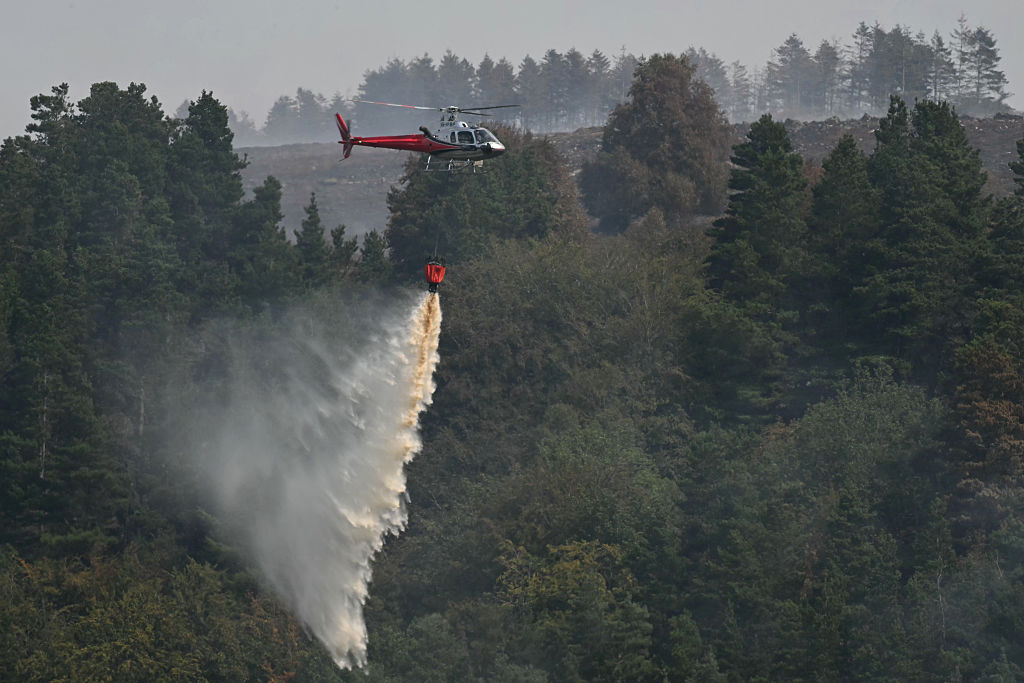
Emergency responses can also be hampered by the challenges of fighting fire in mountainous terrain. Crews must move equipment over rough ground, while steep slopes, strong winds and limited access routes can allow flames to spread faster than vehicles can reach them.
Many fear that Britain is not adequately equipped for this new fiery landscape. Resident Richard Vinten, who lost his house to fire in Stourbridge, told ITV News: “This is genuinely scary… We’re not prepared for this as a country.”
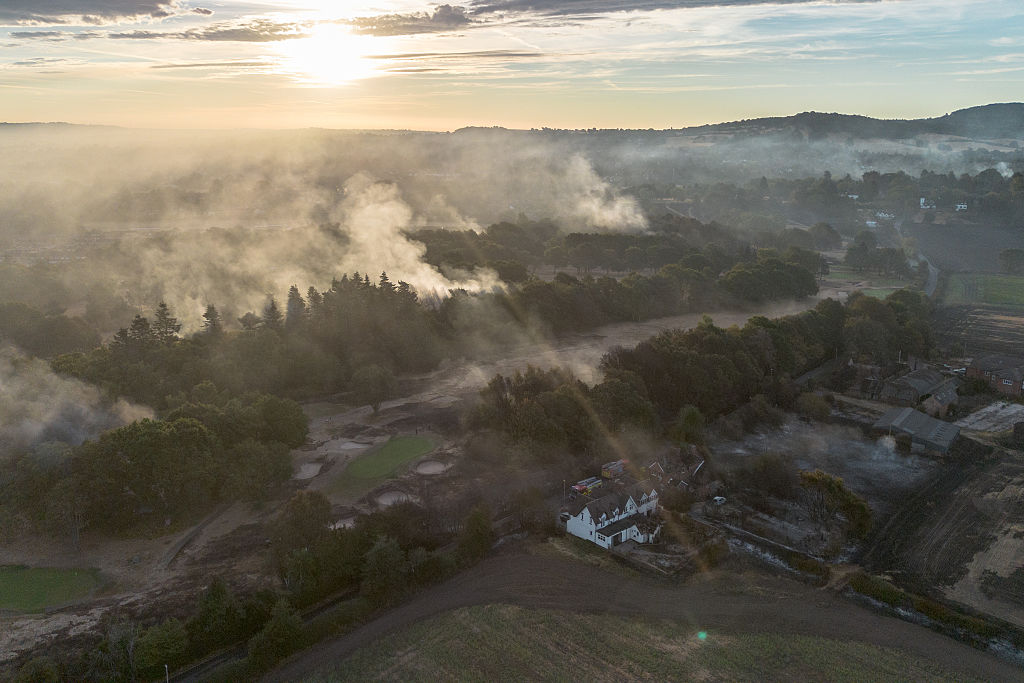
Britain’s future fire landscape
Most UK wildfires remain less intense than the vast fires seen in southern Europe. But the direction of travel is unsettling: longer hot and dry spells are creating fires that last for days and weeks, not hours.
The question isn’t whether the UK will face more fires, but whether it can prepare before the next spark finds an even drier landscape.