
Mountain summits across Europe are going through a transition. As the climate begins to warm, some summits are seeing a complete change in their biodiversity, with new plants growing at surprising altitudes.
That’s according to a two-decade long survey of European mountain summit plant communities. However, this apparent increase in rich new species is hiding a problem.
With new growth comes loss, as mass extinctions of plants are occurring at the same time in these regions. These extinctions seem to be greatest among species exposed to stronger warming.
“Mountains are becoming greener. But what no one looked at until now is the losses that are occurring in these spaces. What we are seeing are localised extinctions of specific plants,” Johannes Wessely, lead author of the study, told BBC Countryfile Magazine.
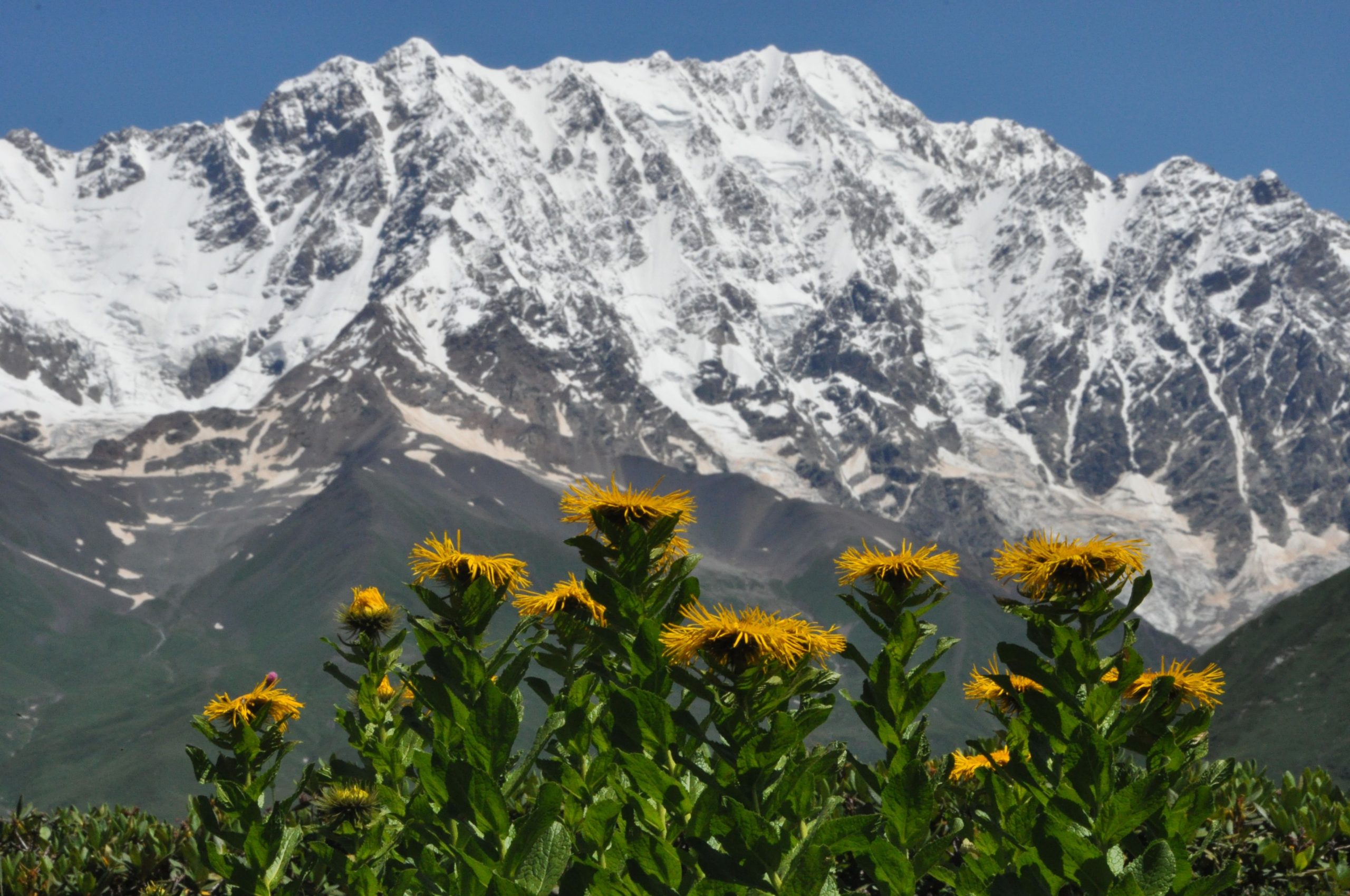
This doesn’t mean that these plants are completely gone across the world, but where they previously thrived in these mountainous spaces, they have now completely disappeared.
“There are loads of these localised extinctions happening on these mountains. They happen all over the place, they increase with time and they increase with climate warming,” Wessely added.
“Interestingly, it’s not necessarily temperature that is pushing them away, it’s a competition effect. The increased temperatures are leading to an increase in species and vegetation, and these newcomers are just better equipped to grow, pushing the old species out.”
To discover this effect, the team made use of the largest systematic monitoring program of climate effects on mountain summit floras. Wessely and his team studied plant communities on 62 different European mountain summits across 16 regions.
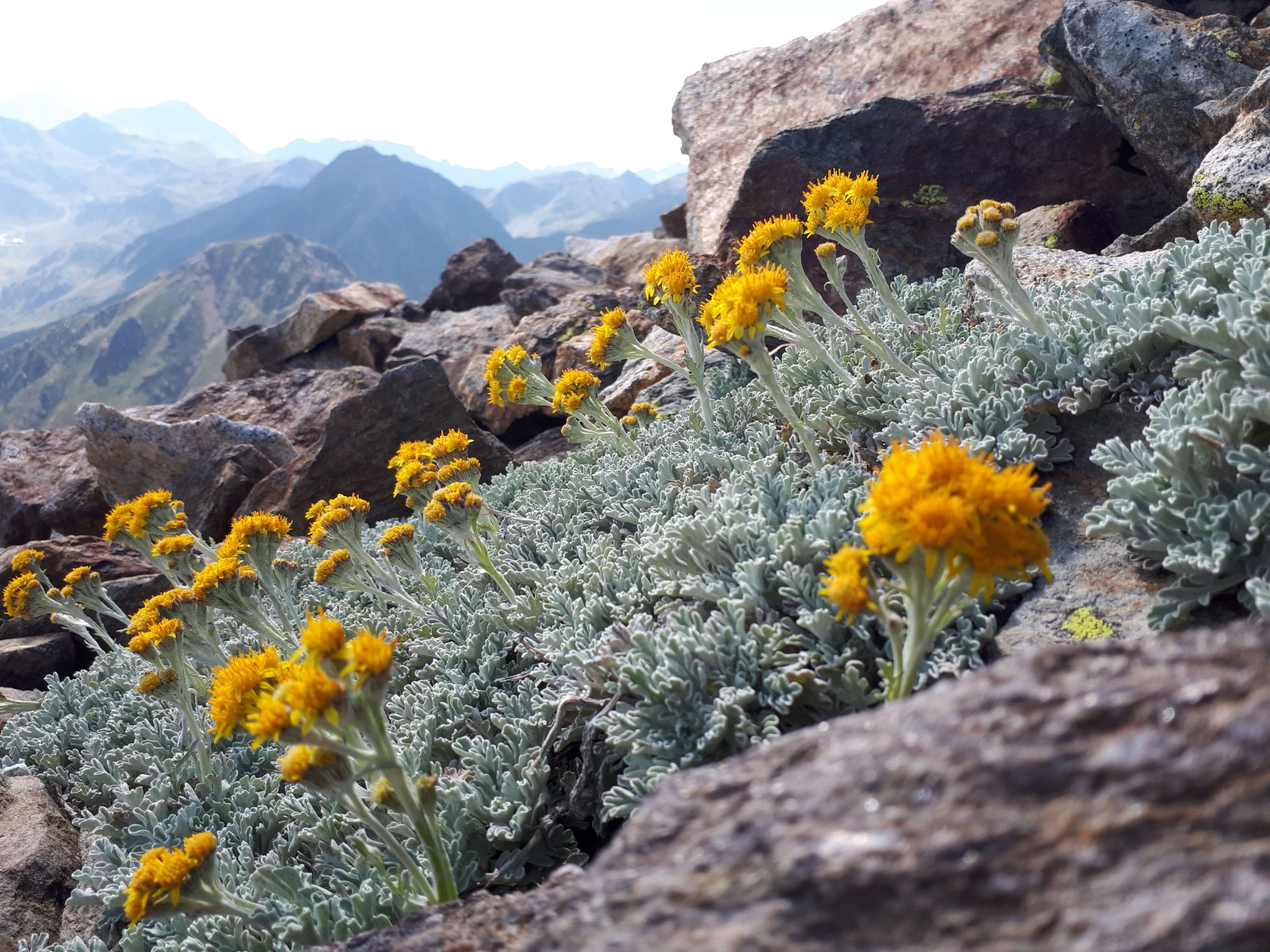
This included 4 different surveys, spanning 21 years between 2001 and 2022. They looked for species that had disappeared between surveys and examined whether these losses were associated with warming, earlier declines in abundance or a species occurring near the upper edge of its normal elevation.
Localised extinctions were found to be most common in areas where the climate was increasing. In their findings, the study authors argue that, although upward shifts increased local species richness on mountain summits, they came at the expense of loosing higher-elevation species. This could create debts into the future.
Importantly, these findings show that it could be possibly to predict these extinctions into the future before they happen.
