
The UK, along with half of Europe, is experiencing one of the worst droughts in history. This has led to wildfires, dying fields and a sea of yellow grass as far as the eye can see. And yet, one National Trust site in Somerset has seemingly been left untouched.
New aerial imagery of Holnicote Estate shows a stark image. A green oasis surrounded by dried-out fields and brown grass. Despite this impressive difference, this is completely natural with no technological influence whatsoever.
"For generations as a nation we've drained wetlands, straightened rivers and moved water off the land as quickly as possible. Here we've reversed that approach and the results are remarkable,” said Ben Eardley, project manager at the Holnicote Estate.
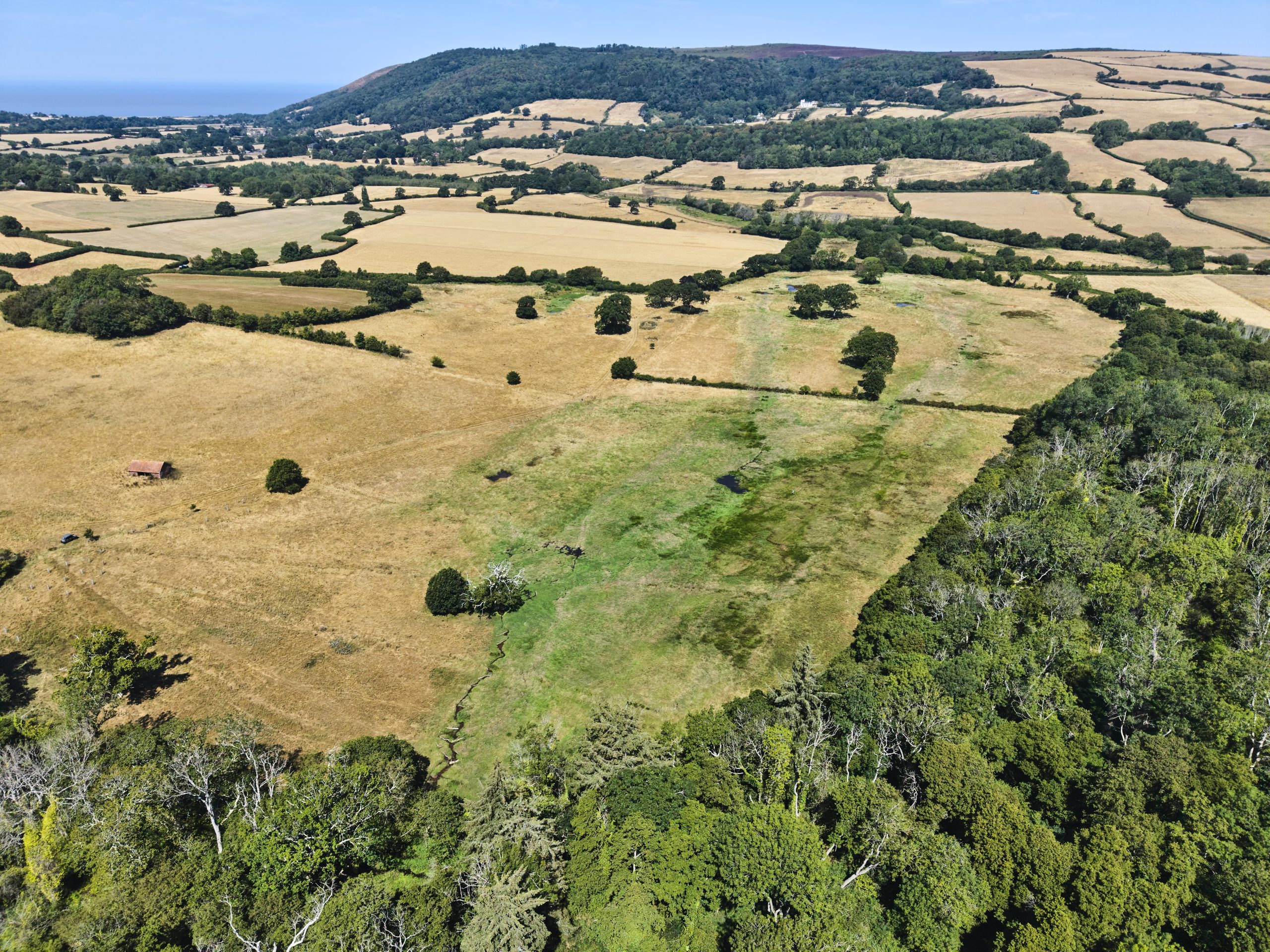
"By reconnecting river systems with the surrounding area and creating natural sponges in the landscape, we've created a system that stores water during drought. This keeps wetlands and the surrounding habitats healthy and slows water during storms and periods of extreme rainfall helping to protect villages from the risk of flooding downstream.”
Put simply, where large portions of the UK has been adjusted, with rivers redirected, stopped or limited, the team at this site has returned nature to its original setup. This has created a system that retains water, eliminating the concerns that we have seen in this exceptionally dry summer.
"Evidence shows that nature-based solutions can reduce flood risk, improve water quality, increase biodiversity and build resilience to drought at the same time. Nature shouldn't be viewed as a cost of climate adaptation. It should be seen as one of our greatest allies," Eardley added.
Why does the UK need rewilding?
In the last century, the UK has lost over 90 per cent of its wetlands. This has already been a concern for years due to the effects that it is having on local wildlife but now as fears of droughts and fires are likely to return each year, the problem is even more pressing.
With the success that Holnnicote has seen at the site, the team is now actively trying to encourage rewilding. They have released beavers into the wild across the estate which are now helping to create and maintain wetlands, ponds and complex freshwater habitats.
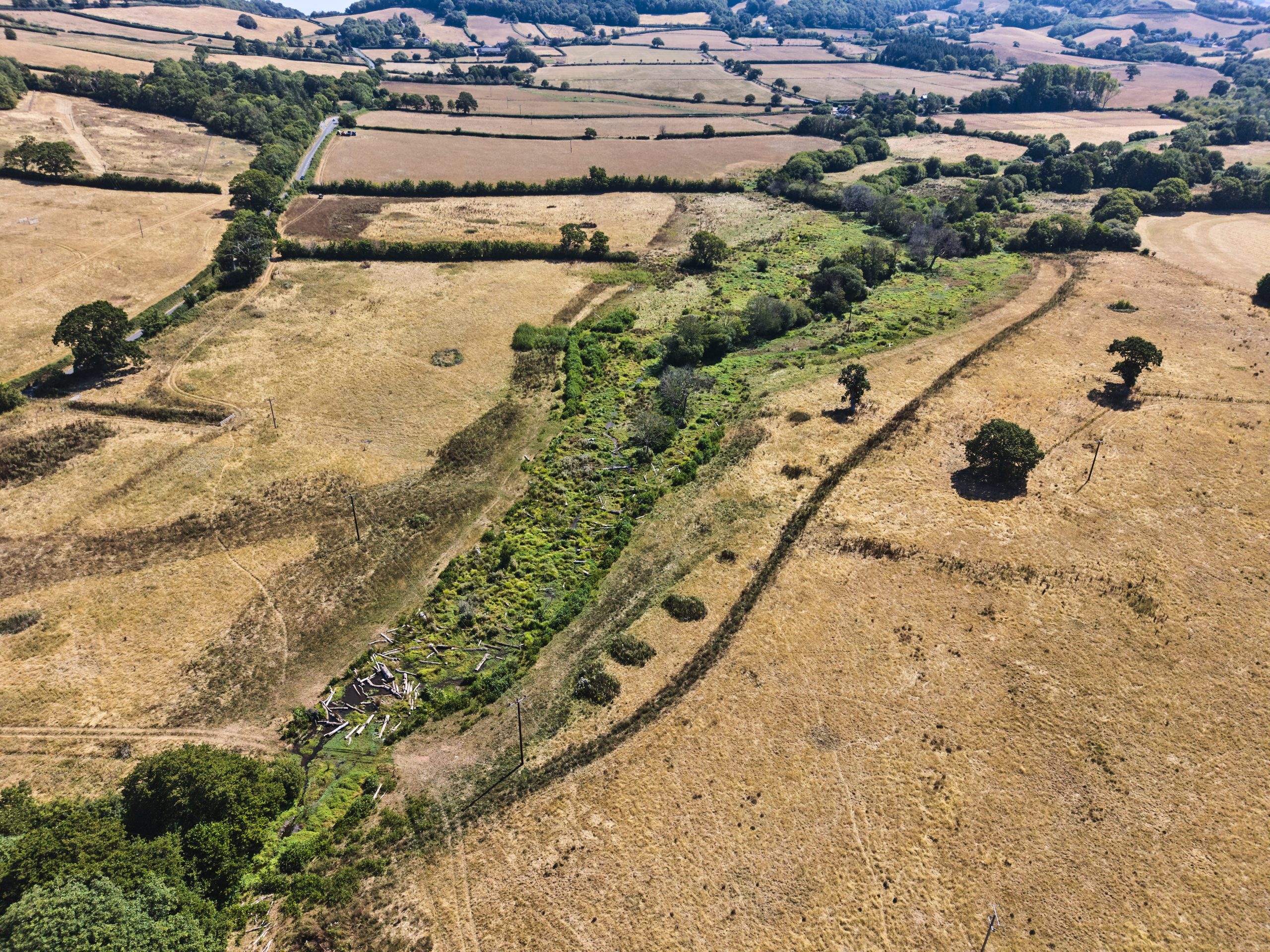
The National Trust, not just at this site but across many of its sites, is now pushing for investments in nature to combat the future of wildfires. This comes at a time where the government is actively trying to support farmers through the drought, an issue that the National Trust is now supporting.
"This year, we entered a grazing agreement to bring cattle onto the wetland restoration site at Holnicote, helping to build a more diverse grazing platform and increase resilience within our farm," said Holly Purdy, a National Trust tenant farmer.
“Diversity of habitats within a farm ensures animals benefit from varied grazing throughout the season; we can be more dynamic in our farms approach and reduce grazing at our main farm in summer to build deferred forage for the winter which in turn reduces our hay use during winter.”
As the UK returns to normalcy after this period, the National Trust is actively looking at how wetlands can be supported to allow nature to become an effective resistance to the future risks of drought.
