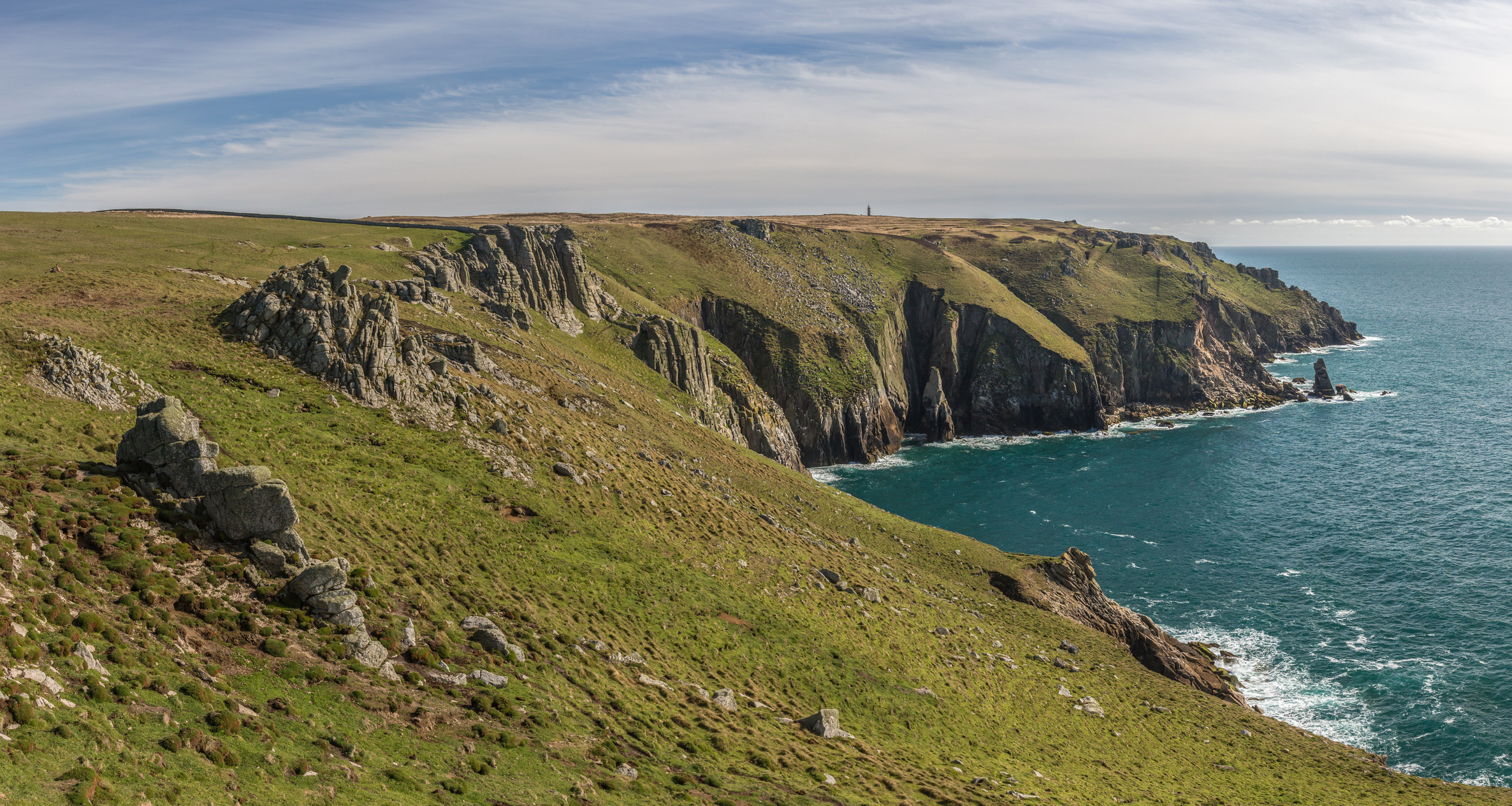
Seabird populations on Lundy Island in the Bristol Channel have surged to their highest levels in nearly a century, marking 20 years since the island was declared rat-free.
Conservationists say the dramatic recovery highlights one of the UK’s most successful wildlife restoration projects.
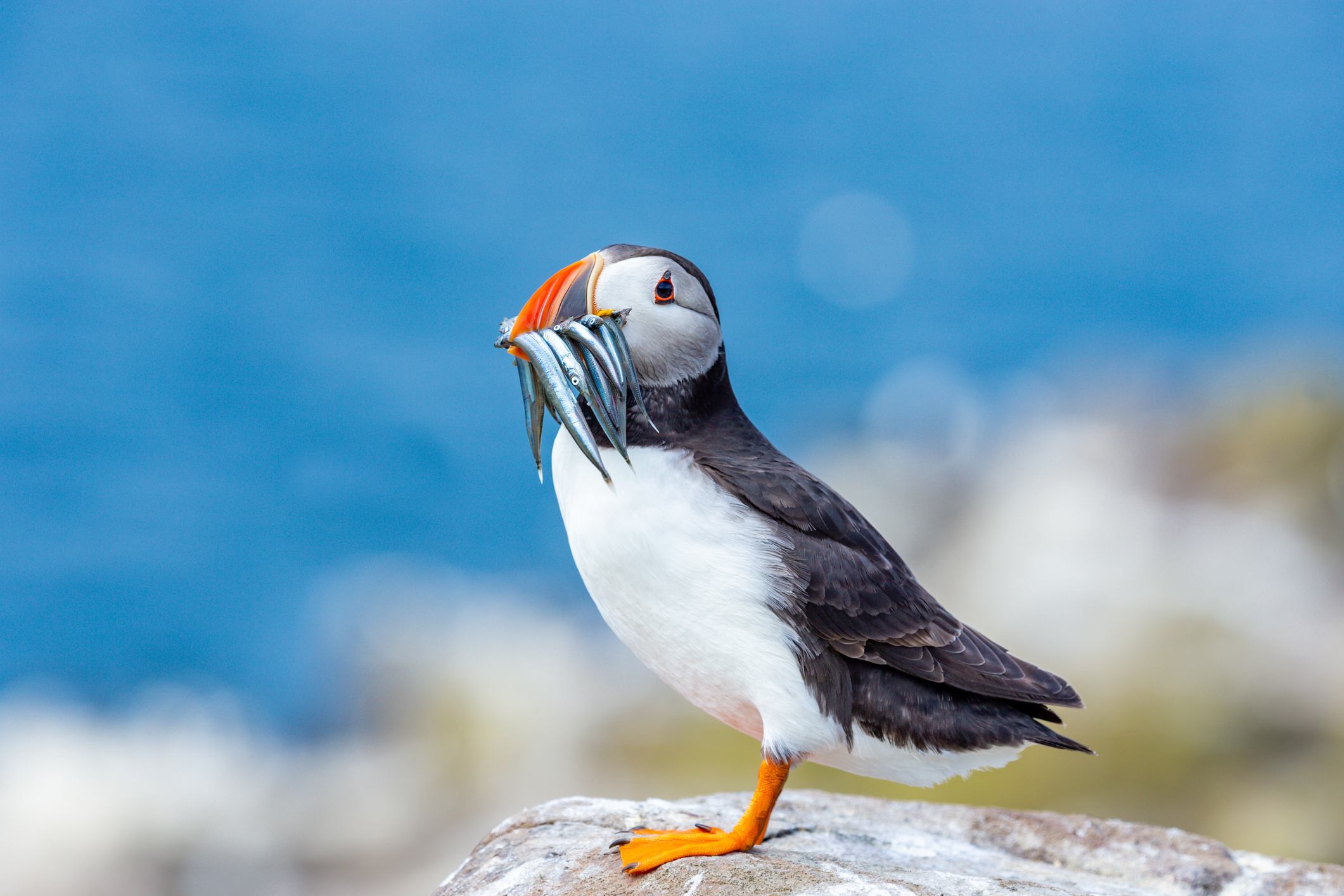
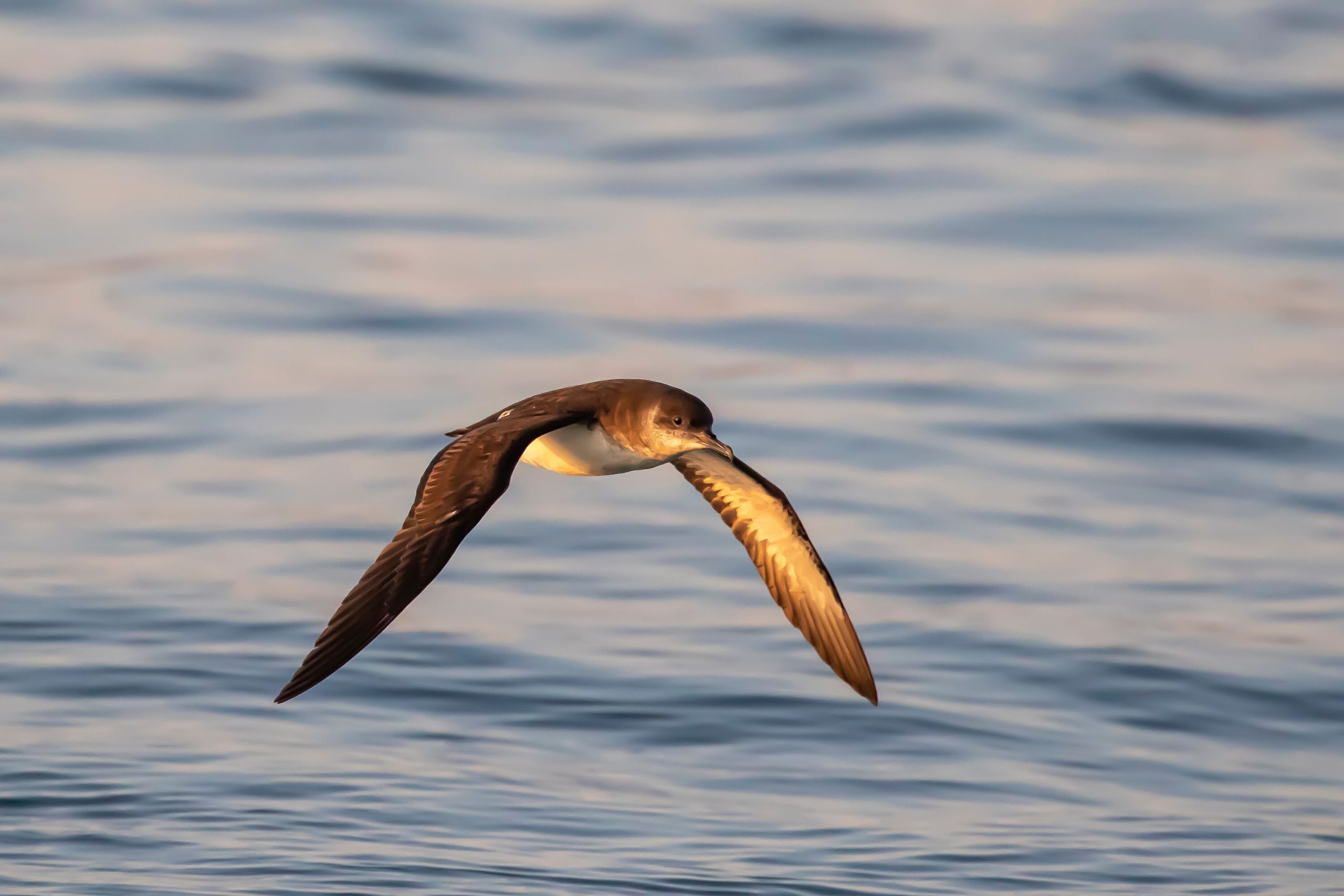
Puffin numbers have risen from just 13 birds in 2000 to 1,335 in 2026, restoring the bird from the brink of extinction on the island. Manx shearwaters have increased from fewer than 600 to more than 25,000 individuals, with the island now supporting about 95% of England’s breeding population of the species.
More than 40,000 seabirds are now recorded on Lundy – the highest total since the 1930s.
The island, located off the coast of Devon in the Bristol Channel, had seen its seabird population collapse over the 20th century. A national census survey in 2000 recorded just 7,351 seabirds, down from around 80,000 in the 1930s.
The dramatic decline had been caused by black and brown rats, which had arrived as stowaways on ships. These invasive predators decimated ground-nesting seabirds by feeding on eggs and chicks. Between 2002 and 2004, a major conservation initiative led by Natural England, the RSPB, the National Trust and the Landmark Trust removed the non-native rats from the island. The island was declared rat-free in 2006.
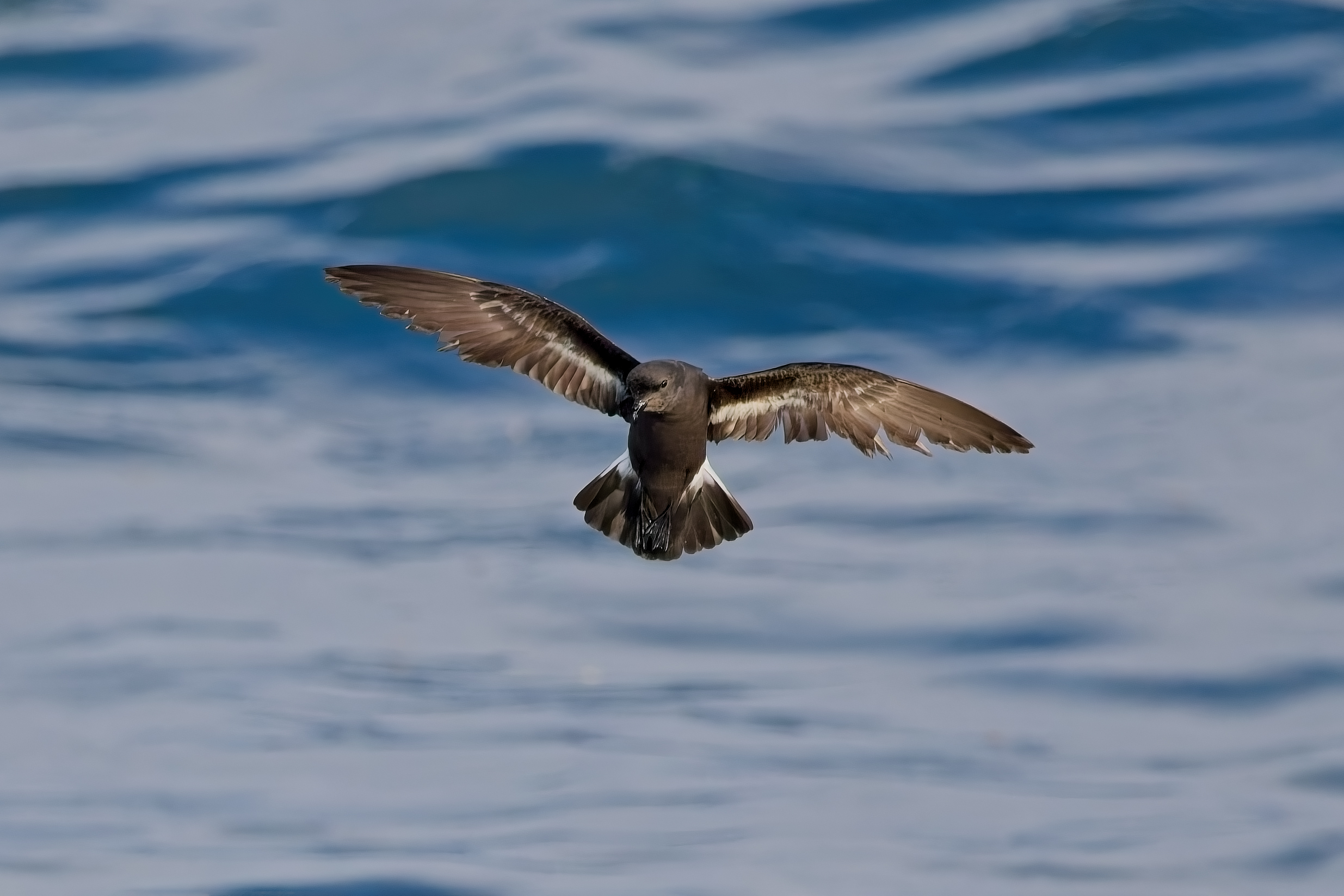
Since the eradication, puffins, Manx shearwaters, razorbills and guillemots have revived, and species feared lost to rat predation have also become established. Storm petrels, absent from the island since records began in 1930s, were confirmed nesting in 2014. Their numbers have now grown to more than 150 pairs.
- Where to encounter wildlife this summer: Our favourite 10 must-see nature hotspots
- From breathtaking beaches to spotting dolphins, these are Britain’s best boat trips
Helen Booker, a senior conservation officer with the RSPB, said the results showed what could be achieved through long-term collaboration.
“This project shows what’s possible when organisations come together with a shared vision, sound science and long-term commitment,” she said.
Conservationists say the success of Lundy demonstrates how quickly nature can recover when key threats are removed, but warn that seabirds remain under pressure at sea.
There are now calls for the waters around Lundy to receive greater protection, with proposals to designate the area as a Special Protection Area.
Ben McCarthy of the National Trust said the project had also boosted tourism and helped reconnect people with nature.
“It’s a powerful reminder of how quickly nature can recover given the right conditions and the space to thrive,” he said.
Lundy is now considered one of England’s most important seabird colonies and a model for conservation efforts elsewhere in the UK.
Main photo: A Manx shearwater flies low over the water (Photo: RSPB/Greg Morgan)