At least 10,000 seabirds, 1,000 cetaceans, 500 seals and over 120 tonnes of protected sharks and skates died last year due to fishing, the first-ever study of bycatch data reveals.
The report, Hidden in the Haul, by Wildlife and Countryside Link (WCL), suggests these figures are likely to underestimate the true scale of mortality in UK waters due to limited monitoring and reporting.
The study describes the number of deaths of protected species as “staggering and shocking”, warning that bycatch may be contributing to population declines in some species.
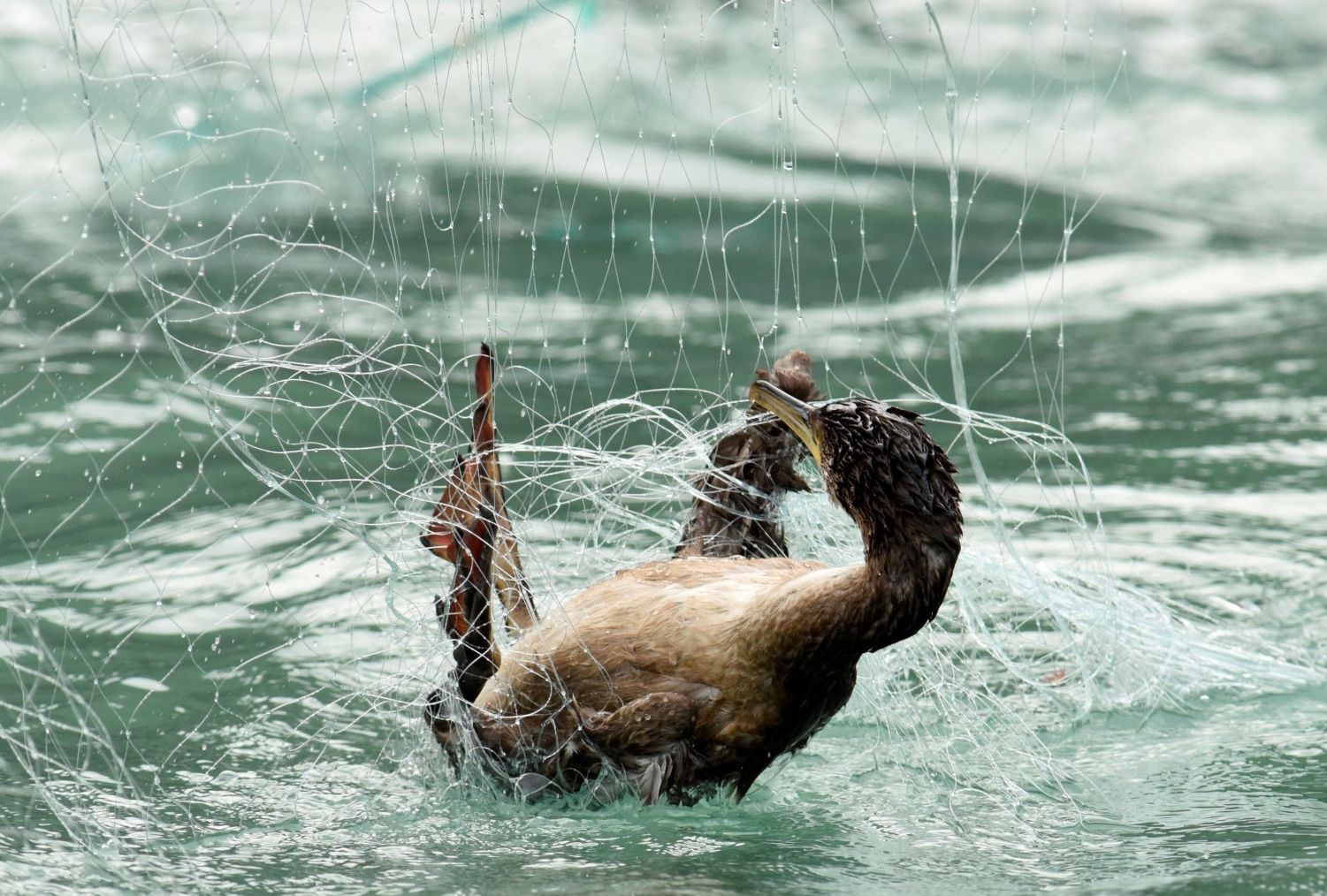
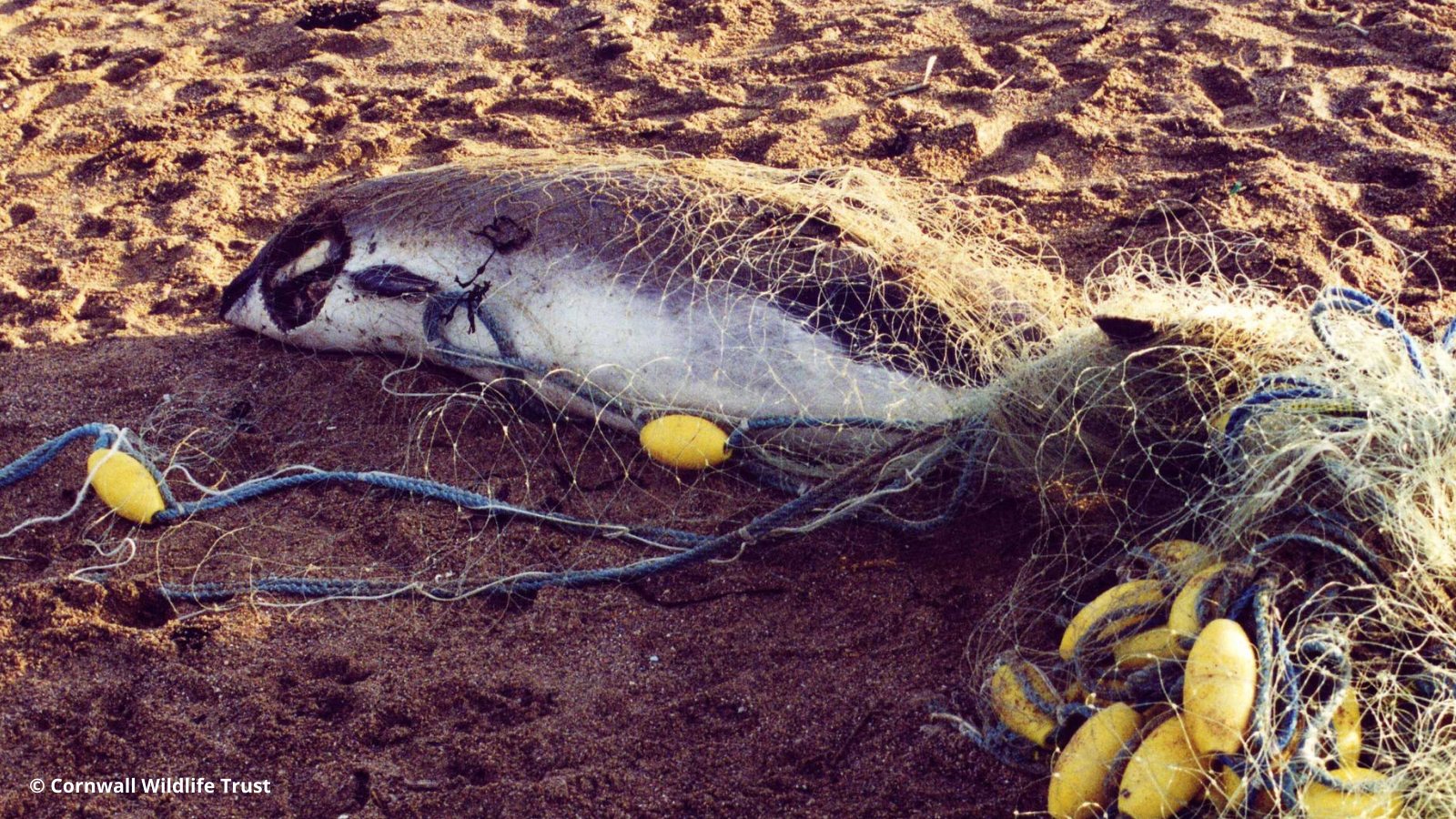
Bycatch refers to the unintentional capture of non-target species during fishing. It occurs across a range of gear types, including trawl nets dragged through the water column or along the seabed, as well as static nets such as gillnets and entangling nets. Animals caught in this gear often drown, suffocate, or suffer severe injuries.
Which marine animals are caught in UK bycatch?
The report indicates that seabirds, harbour porpoises, common dolphins, humpback whales, minke whales, seals, sharks, skates, rays and Atlantic salmon are dying on a vast scale in UK waters. All these species are protected by law – it is illegal to target them in commercial fishing – but are caught and killed incidentally.
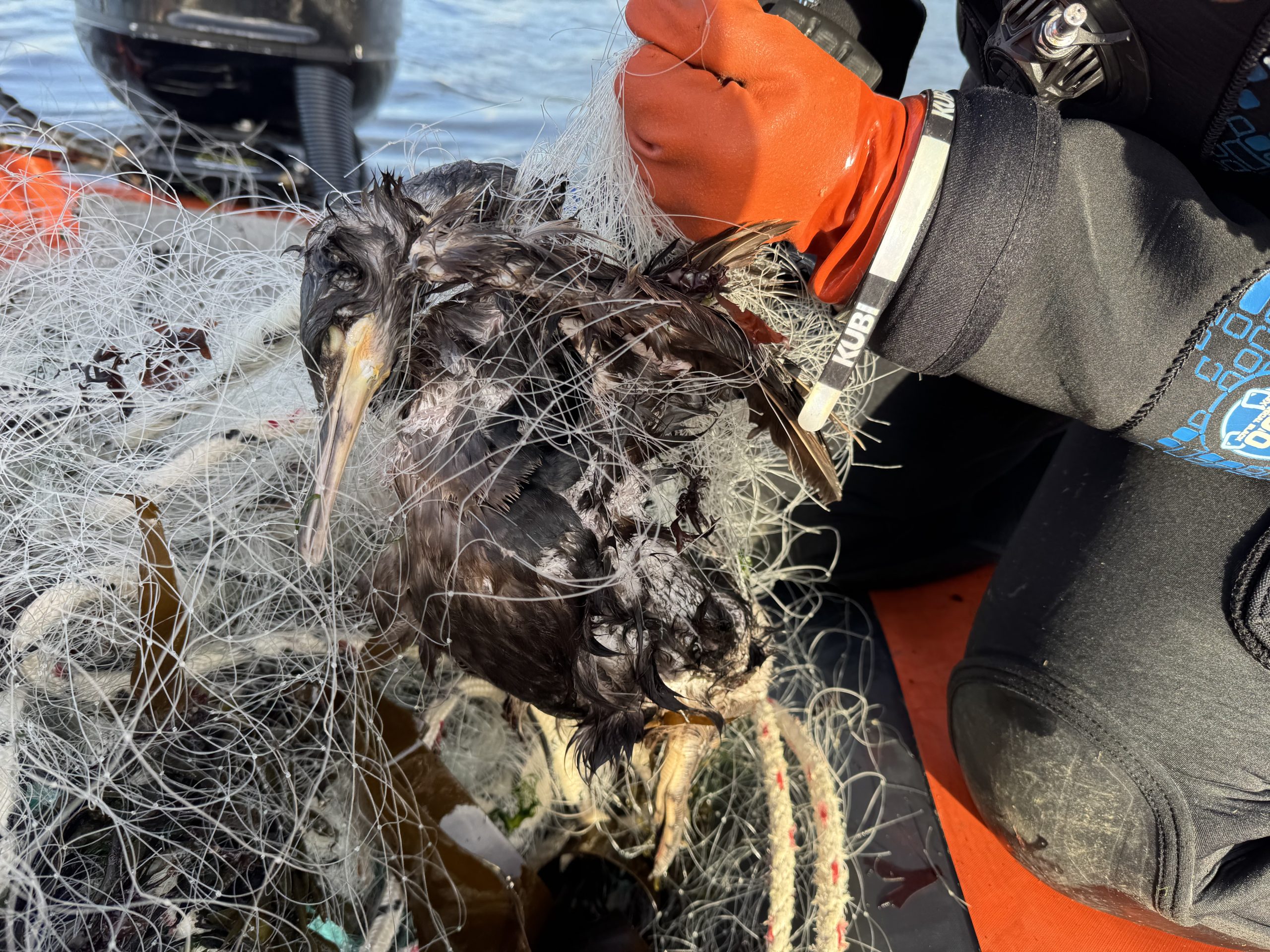
Gillnets, a type of static net, are a major risk to seabirds and other marine wildlife. Global estimates suggest they kill about 400,000 seabirds each year, while UK seabird bycatch is around 10,000.
How many dolphins and seals are killed as bycatch?
Cetaceans (dolphins and porpoises) are also extremely vulnerable to static nets, with 1,000 deaths estimated. Similarly, over 90% of seal bycatch occurs in static nets. In the UK, around 500 seals die each year as bycatch. In Scottish waters, creel nets are linked to the deaths of six humpback whales and 30 minke whales each year.
- What's the most common whale in UK waters?
- Shocking surge in cetacean deaths: New report reveals marine crisis unfolding on Scotland’s shores
- The hidden world of grey seals
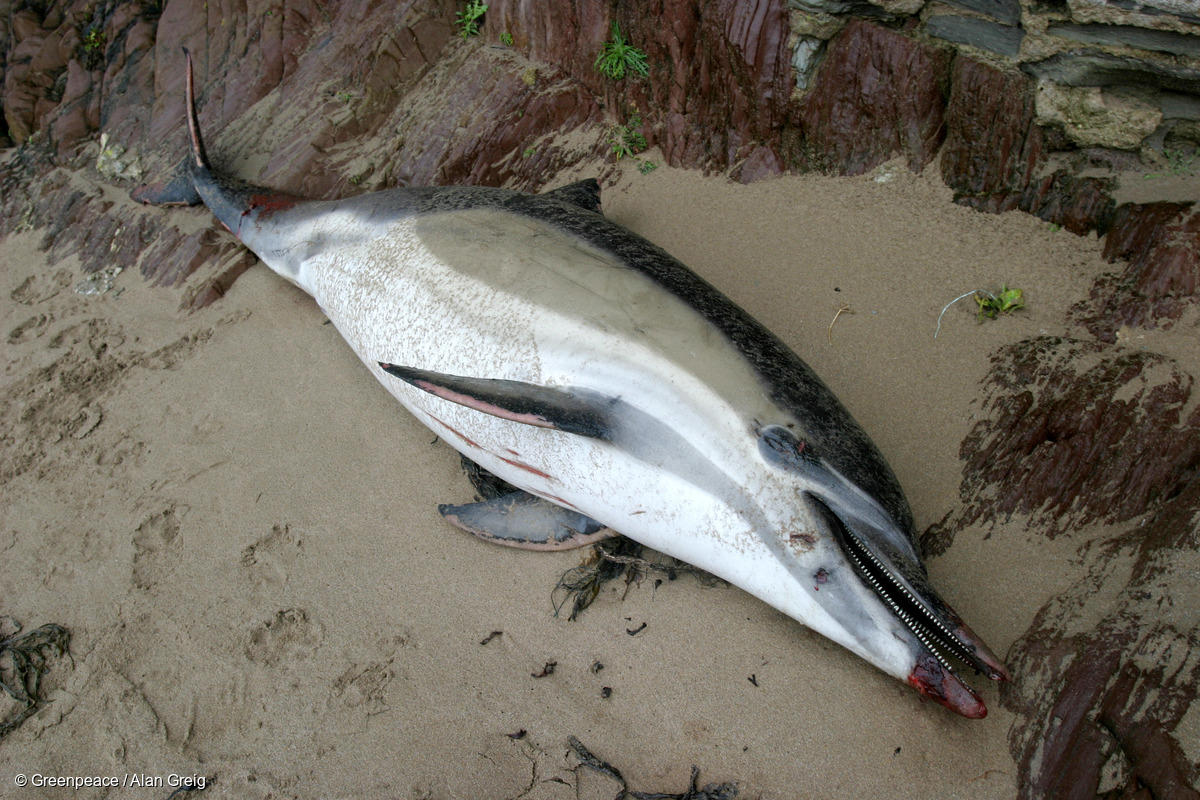
Wildlife and Countryside Link argues that bycatch is significantly under-recorded. Government monitoring programmes cover only a small proportion of fishing activity, with coverage estimated at just 2.4% days at sea for midwater trawler fishing and 1.2% for static net fishing, dwindling to 0.05% monitoring for dredging and less than 0.01% for trap fishing.
Furthermore, monitoring focuses primarily on UK-registered vessels and does not capture bycatch from foreign vessels operating in UK waters.
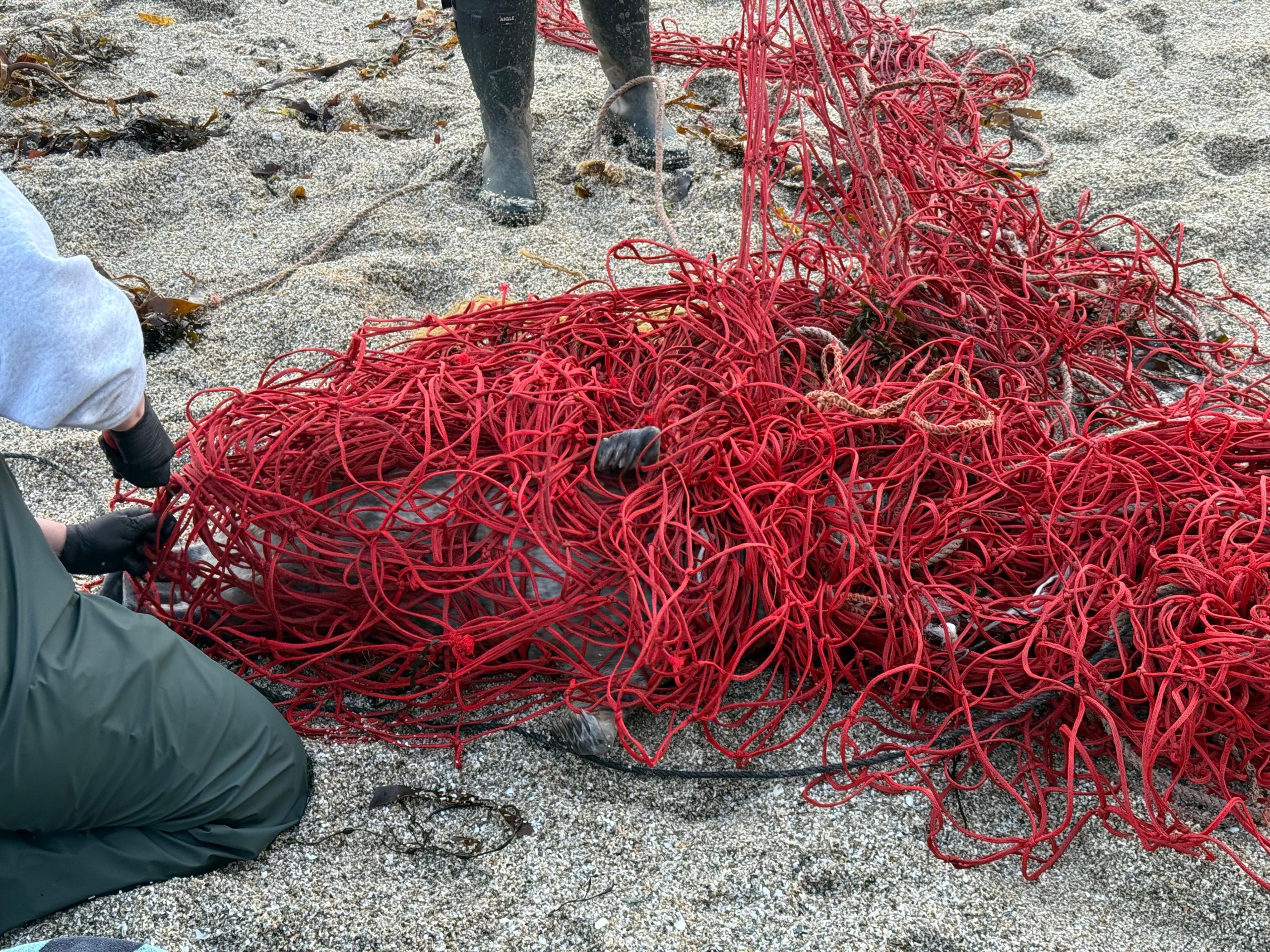
Since 2021, fishers have been legally required to report marine mammal bycatch. However, only nine marine mammal deaths have been officially recorded over this period. This contrasts with stranding data, which suggests substantially higher levels of bycatch mortality.
Regional monitoring has identified hundreds of cetacean strandings annually that are consistent with bycatch. “It is clear that reports by fishers do not begin to accurately reflect actual levels of bycatch,” says Wildlife and Countryside Link.
Mike Cohen, chairman of the National Federation of Fishermen's Organisations, highlights the scarcity of the data and questions the conclusions reached. “The WCL report identifies a real issue, but paints an unrealistically bleak picture of it. By extrapolating generously from available data - or in the absence of data - they have reached figures for fisheries bycatch that look excessive," he says.
He argues that fishermen are not complacent about bycatch, and work hard to prevent accidental deaths of protected species. "Fishermen absolutely do not want to inadvertently catch birds or mammals and the industry is involved in many different projects to try to reduce it."
WCL says that while legal frameworks to reduce bycatch exist, implementation has been inconsistent. The organisation is calling for stronger Bycatch Action Plans with clear, time-bound reduction targets. It further recommends that remote electronic monitoring (REM) become mandatory on all boats in English waters, including smaller under-10m boats that are responsible for a large proportion of bycatch, in order to finally reveal the true scale of bycatch. It also argues for the phasing out of static nets in favour of lower impact fishing gear.
“Bycatch is a silent crisis happening beneath the waves, resulting in the accidental deaths of thousands of marine animals every year," says Tom Ash, senior policy officer at Wildlife and Countryside Link.
"People deserve to know the true scale of what is being lost, and they deserve to know why progress has been so slow. The solutions are available: strong bycatch action plans, effective changes to fishing methods and remote electronic monitoring on every vessel. Bycaught animals should not be hidden in the haul; they should be swimming free.”
The NFFO's Cohen, however, points out that cars kill 30 million birds and 500,000 mammals per year; cats kill 30-70m birds and 200m mammals annually; and agriculture is estimated to kill millions of birds and mammals when crops are harvested. "No one is suggesting cameras on cars, cats and combine harvesters, but their impact is orders of magnitude greater than fishing," he says. "What fishermen do is important: they produce healthy, affordable food, with a notably low carbon footprint; they support coastal communities that successive governments have ignored or written off. If we lose fishing then I struggle to believe that those functions will be replaced by something with less environmental impact."