Glowing seas, electric night skies, invasive parrots, magical pavements – welcome to bizarre Britain. These are the weirdest natural phenomena in the UK
1. Limestone pavements
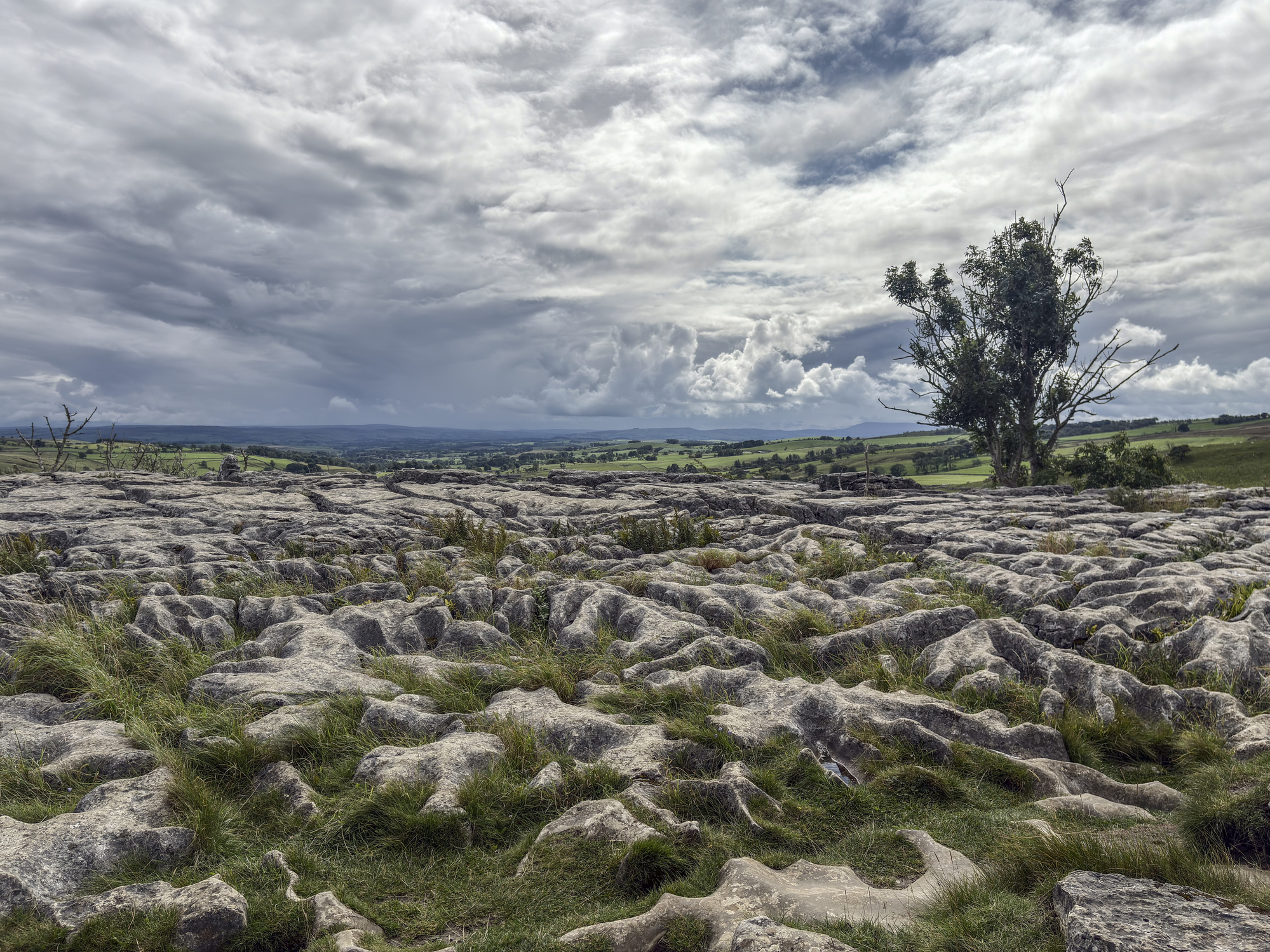
During the last Ice Age as glaciers advanced across the Yorkshire Dales, Cumbria, County Fermanagh and North Wales they scraped away much of the surface layer exposing the underlaying soft limestone. Soils regeneration is a painstakingly slow process, especially in higher altitudes, so the limestone stayed bare. Over time it became subject to weathering and smaller cracks began to grow larger, producing the strange limestone pavement landscape. It's weird and striking enough to capture the attention of the Harry Potter filmmakers, who featured the pockmarked terrain of Malham Cove in Harry Potter and the Deathly Hallows - Part 1.
2. The Strid
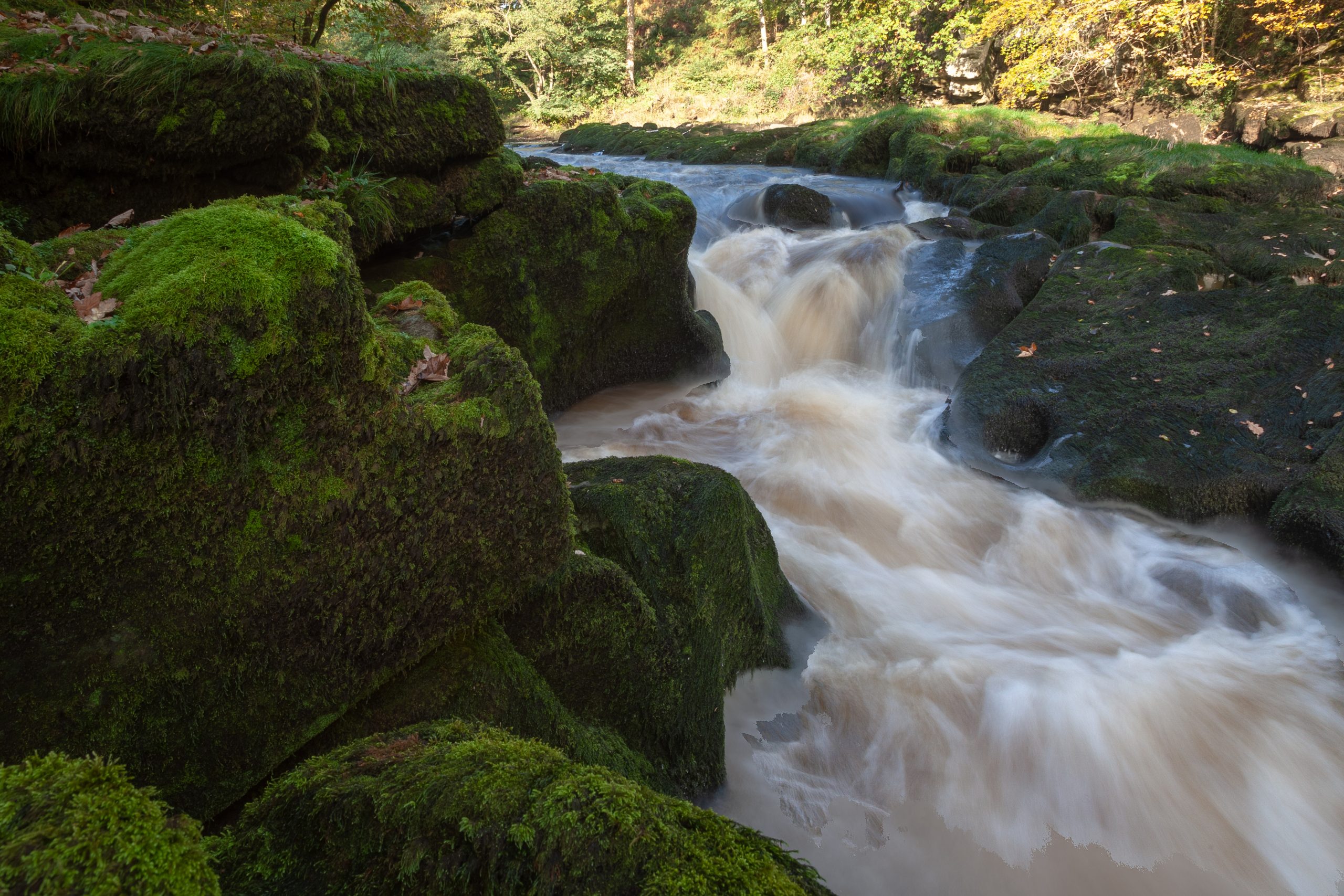
The Strid is a notorious stretch of the River Wharfe, where the water is forced into a narrow limestone chasm near Bolton Abbey, giving the illusion of something small and harmless while hiding a violent, deadly force beneath. Upstream, the river is broad and ordinary; here, it is squeezed into a tight, churning torrent that has carved out hidden caverns and undercuts, making the water treacherous and escape incredibly difficult. It has long been wrapped in tragedy and legend, most famously the story of the Boy of Egremont, who tried to leap the gap and was dragged under by the current. The Strid has claimed multiple lives - allegedly, no one who has fallen into chasm has ever survived – and is thus deemed one of the most dangerous river stretches in the world.
3. Bioluminescence
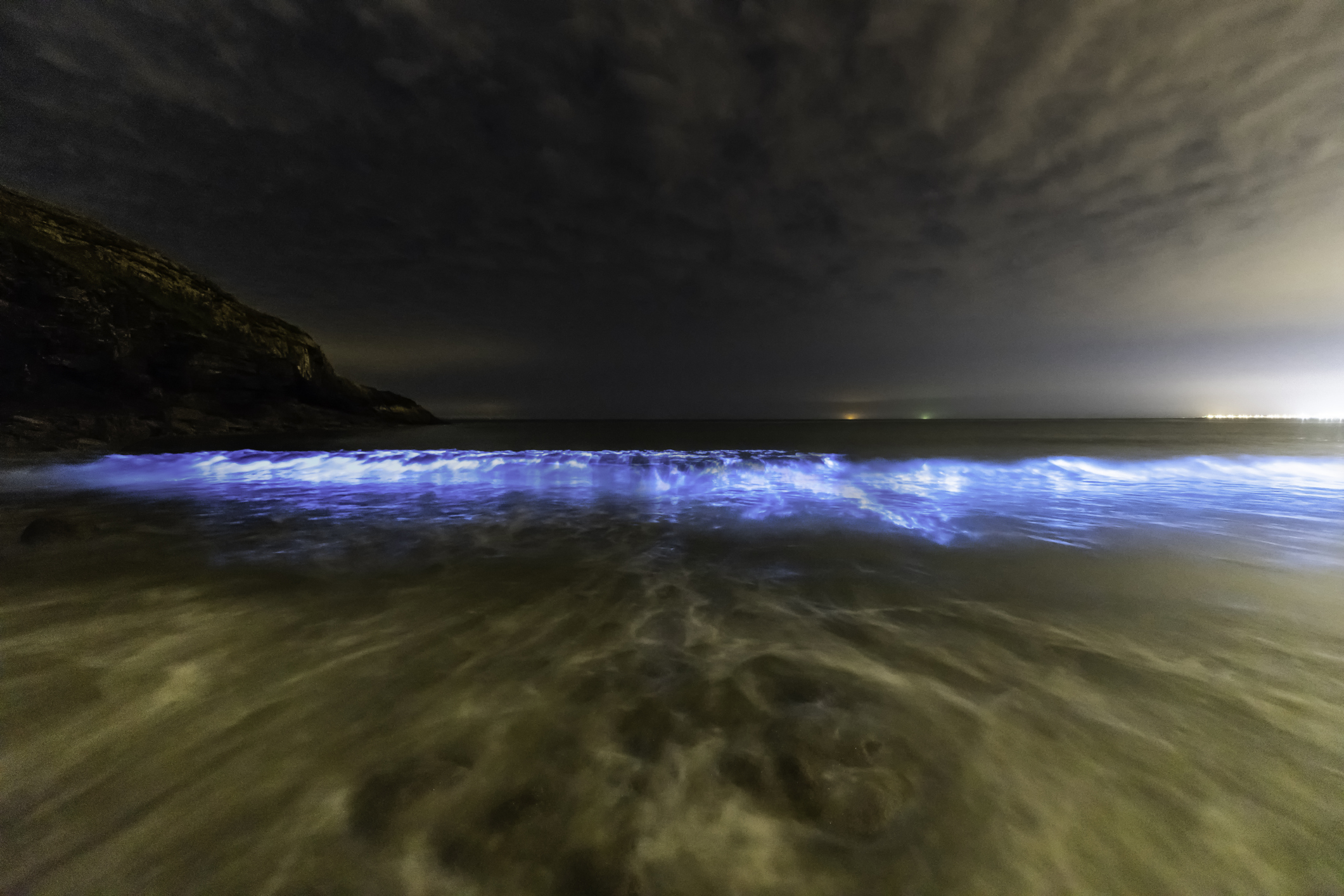
You may be led to believe that bioluminescent seas are exclusive to exotic islands like the Maldives. But these tiny organisms are present in waters across the UK from Port Talbot and Swansea to Jersey and the Norfolk Coast. On rare nights, UK beaches glow blue due to bioluminescent plankton. Present in high numbers during heat waves, and best seen at night, the sea-dwelling plankton known as cyprinid ostracods emit light when disturbed. Disturbing the water makes it sparkle – beautiful, but slightly eerie, especially in total darkness.
- "Surreal" bioluminescent plankton turn the Wales coast blue
- Heatwave sparks millions of bioluminescent plankton off Welsh coast
4. Wild parakeets
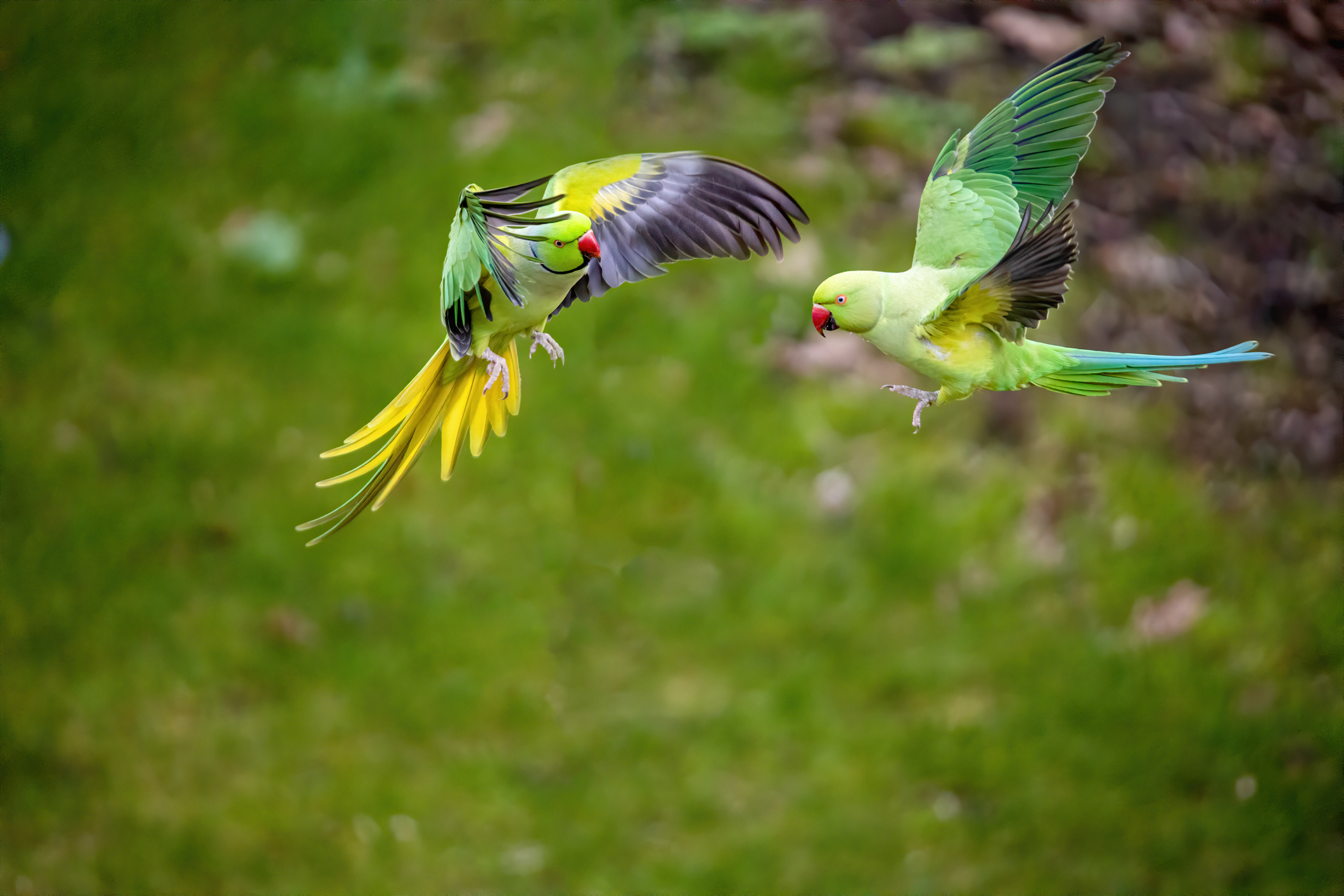
It’s not unusual to hear birdsong in the parks of Britain’s larger cities. It is unusual when that birdsong comes from a squawking ring-necked parakeet rather than a chirping blackbird or a tweeting robin. There's nothing strange about parakeets per se - but seeing these exotic, colourful, non-native birds living their best lives in grey old Britain is an unexpected sight. It’s uncertain how these birds established feral populations in London, Manchester and Liverpool, among others, but they have prospered during milder winters and warmer summers and there may be as many as 8,600 breeding pairs across the nation.
- Bright beak, emerald feathers, piercing call – can you spot this tropical intruder in your local UK park?
- Exotic parrots are spreading across Britain: are ring-necked parakeets welcome visitors or a potential problem?
5. The Northern Lights
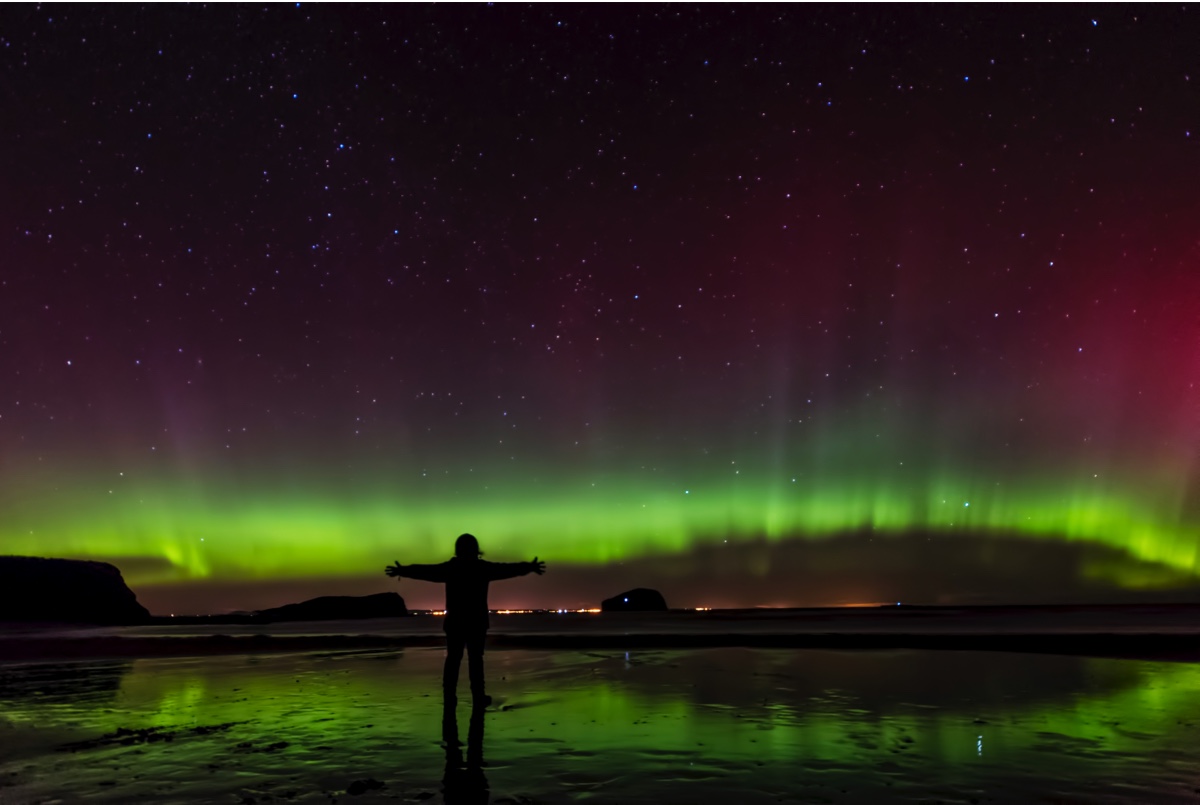
On rare, clear nights, parts of the UK – especially Scotland – are treated to the extraordinary aurora borealis. Shimmering greens, purples and reds ripple across the sky, caused by charged solar particles colliding with Earth’s atmosphere. It’s surreal to witness something so otherworldly from British soil. Spotting the Northern Lights in the UK requires clear, dark skies and minimal light pollution. While most common in northern Scotland, intense solar storms mean vibrant displays can occasionally be seen as far south as Eryri/Snowdonia in Wales and Dartmoor National Park in Devon.
- 25 astounding images from the Northern Lights Photographer of the Year 2025
- Northern Lights visible in the UK – with more sightings tonight. Here's how to see the aurora borealis fill the night sky
6. The Singing Sands of Eigg
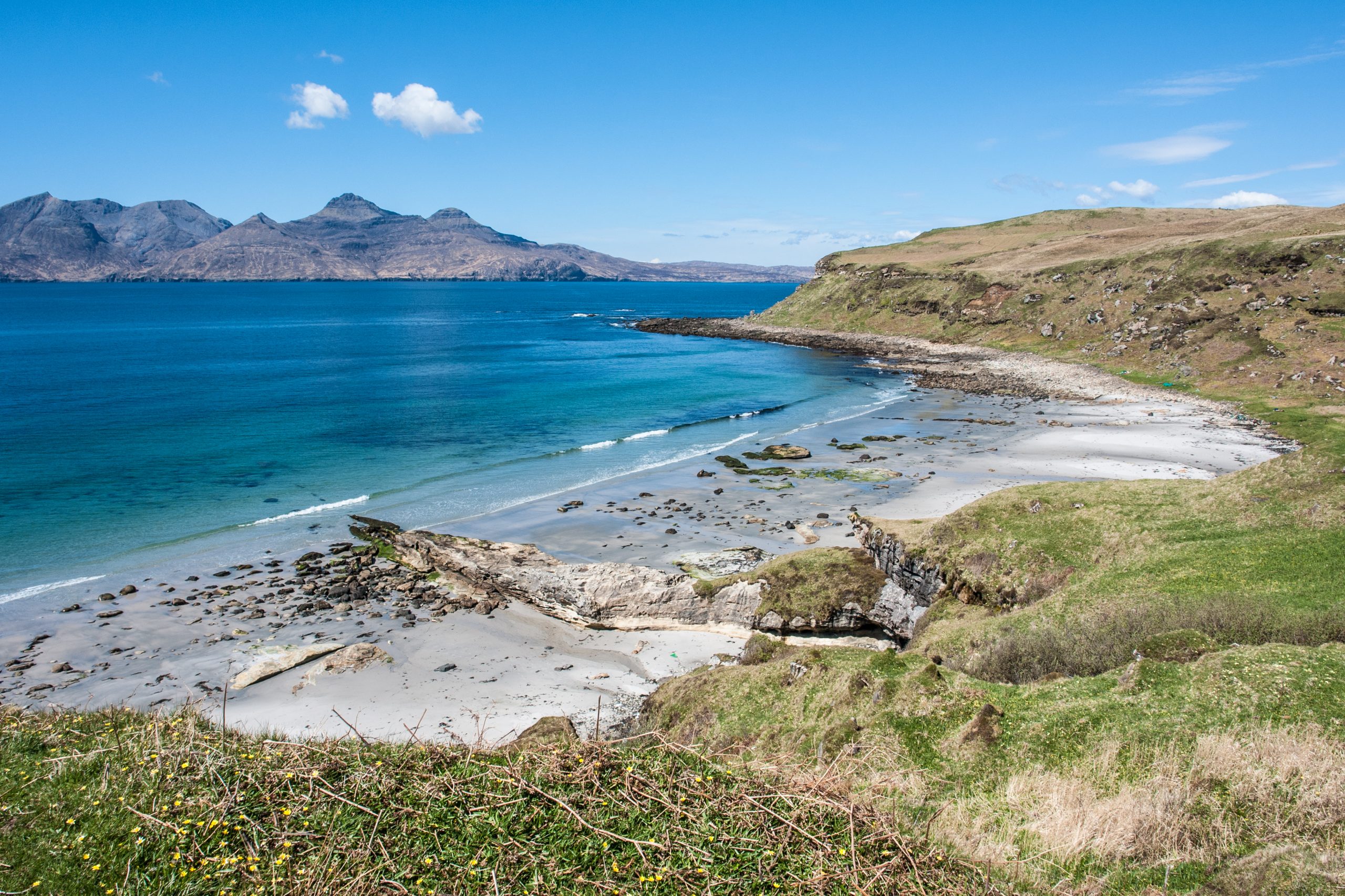
On the Isle of Eigg, the quartz-rich sands near Cleadale can produce a squeaking or “singing” sound when walked on. The noise comes from friction between perfectly shaped grains – rare and oddly musical. Well, to some ears. Others say it sounds more like a hum or an uncanny whine. You'll have to be the judge. To hear it, visit at low tide on a dry day and scuff your feet across the loose, dry sand.
7. The Rollright Stones
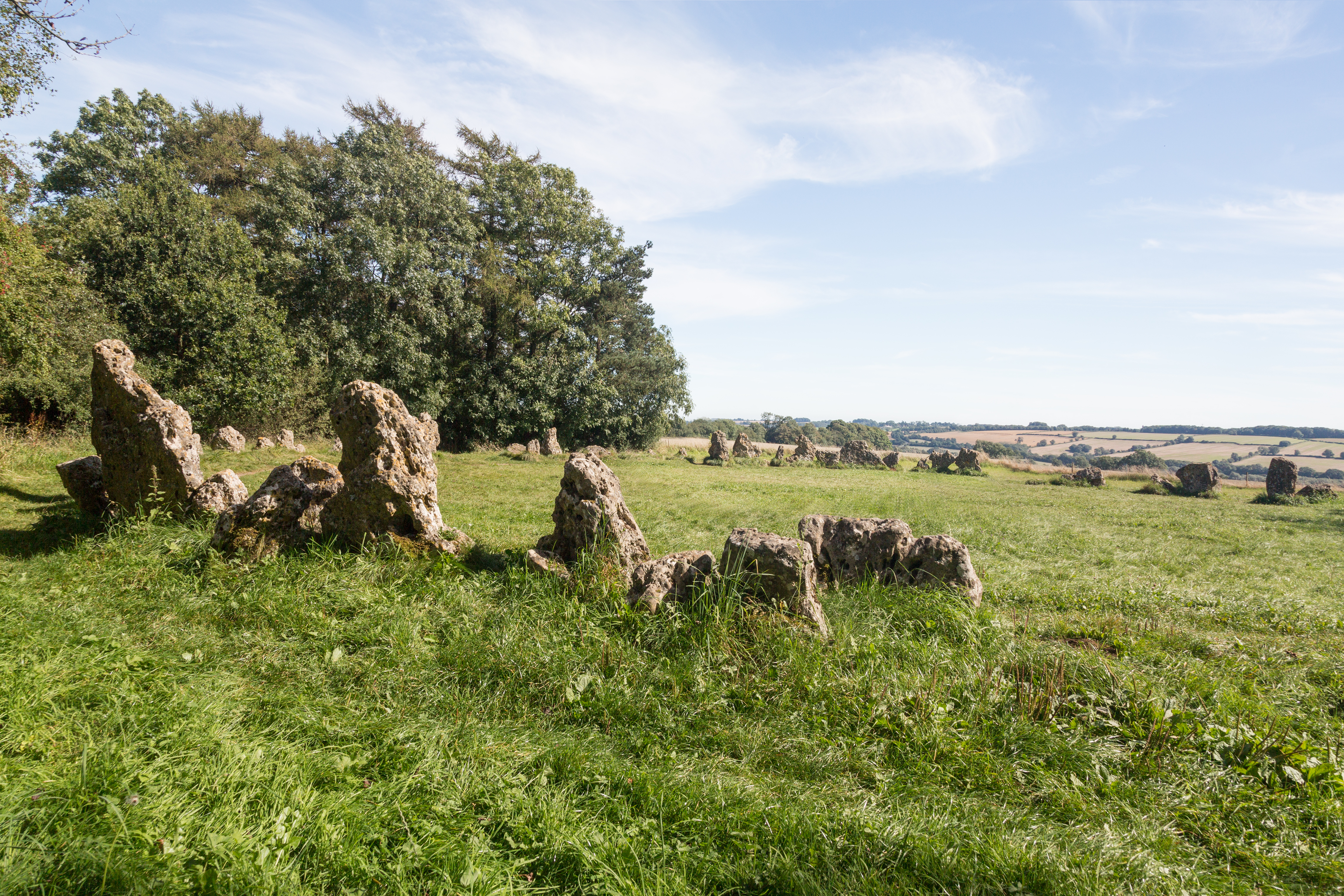
The Rollright Stones – an ancient megalithic complex in Oxfordshire – are rich in eerie folklore. Locals claim these ancient stones subtly shift positions or cannot be counted the same way twice. According to local folklore, a marching king was turned into a single monolith, known as the King Stone; his army was turned into a nearby stone circle, called the King's Men; and his plotting knights became the portal dolmen, the Whispering Knights. The witch who cast the spell allegedly turned into an elder tree nearby. Another longstanding myth surrounding the King's Men stone circle is that they are impossible to count. Apparently, if you count the exact same number of stones three times in a row, you will be granted a wish. Worth a shot.
- Rollright Stones: meet the Oxfordshire warlord who was turned to stone
- Rollright Stones walk, Oxfordshire
- 11 best stone circle sites to visit in the UK
8. Dark Hedges
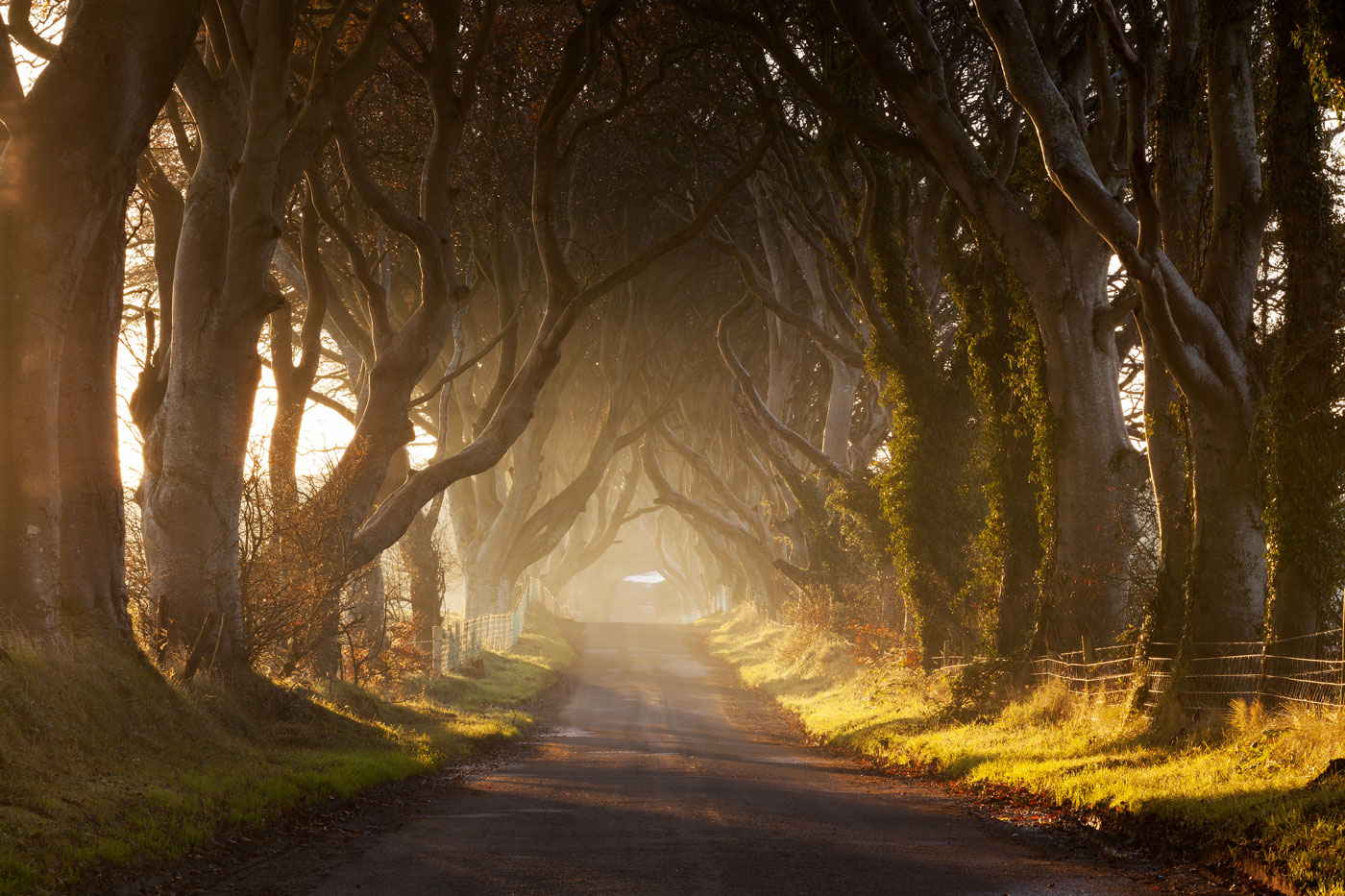
OK, so it's not exactly 'natural', in that it was planted by hand, but still. When James Stuart built Gracehill House in 1775, he wanted to make a statement to impress his guests. He set about planting two rows of beech trees on either side the approach road to Gracehill. Now, 250 years later, this has grown into a mysterious and slightly sinister twisted tunnel of beeches. Strikingly beautiful, the Dark Hedges have appeared in Game of Thrones and become one of the most photographed locations in Northern Ireland.
Looking for more oddities and unusual sightings in Britain? Check out Dave Hamilton's book Weird Guide Britain, published by Wild Things, £18.99.