The UK is full of weird and wonderful wildlife to look out for. But you might not expect a herd of fanged deer, tropical parakeets or an Australian icon roaming its green spaces. So how did they get there? Whether intentional or accidental, these animals have gone on the run.
- Raccoons, pink salmon and purple clams: these are the latest invasive threats to British wildlife, say experts
- From an animal the length of a double-decker bus to a bird that has a spoon for a beak, here are the 10 weirdest animals in Britain
- World's 11 most invasive species that are causing chaos and devastation across the globe
- Invasive species causing problems in the UK
Animals on the run in the UK
Grizzly bear

In 1980, a grizzly bear went on the run on the remote Scottish island of Benbecula for 24 days. But rather than attack the sheep, cattle and small humans on the island, it was believed that he found another, more surprising, way of survival.
Aesculapian snakes

Native to central and southern Europe, the UK’s Aesculapian snake population is thought to have descended from escapees – some of which from Colwyn Bay’s Welsh Mountain Zoo, in north Wales. If you’re heading along Regent’s Canal, you may see one hiding in the trees, as seen in David Attenborough’s Wild London.
- Researchers implanted trackers into the UK's 'new' snake species and followed it through the countryside – here's what they found
- What's the most common snake in Britain?
Parakeets

If you’re in London, you’ll likely see ring-necked parakeets in the trees. There are many urban myths about how they arrived in the capital, such as escaping from the set of the 1951 film The African Queen, or Jimi Hendrix releasing a pair in London’s Carnaby Street in 1968. However, their population in the city is likely due to repeated releases and escapes from captivity.
- Exotic parrots are spreading across Britain: are ring-necked parakeets welcome visitors or a potential problem?
- Were these colourful parrots released into London by rockstar Jimi Hendrix, or on the set of a famous adventure movie?
Meanwhile in Madrid, you’ll find the biggest population of monk parakeets in Europe. Originally introduced in the 1980s, pet ownership of this species was later banned in 2011. Now, they can be found building nests the size of a small car.
Muntjac deer

Reeves’s muntjac deer are native to south-eastern China and Taiwan. So why can they be seen across many English counties and Wales? It’s thought that they descended from escapees of Woburn Abbey’s deer park, in Bedfordshire, around 1925. Some also likely escaped from nearby Whipsnade Zoo.
- It's the size of a Labrador and barks like a dog, yet has fangs like a snake. Meet one of the weirdest wild animals in the UK – and the world
- What’s the most common deer in the UK?
Wallabies

Wallabies have been causing havoc on the Isle of Man after escaping from the government-owned zoo in the 1960s. They’ve been living as a feral population ever since. Initial estimates put the population at a few dozen but drone surveys in 2023 and 2024 put their numbers between 950 and 1,150 animals.
Inchconnachan Island, in the centre of Loch Lomond in southern Scotland, is also known as Wallaby Island. The wallabies were originally brought over in the 1940s by Fiona Colquhoun (a Highland Scottish clan who own much of Luss) for a private collection. They have since established a self-sustaining population on the island.
Eastern grey squirrel

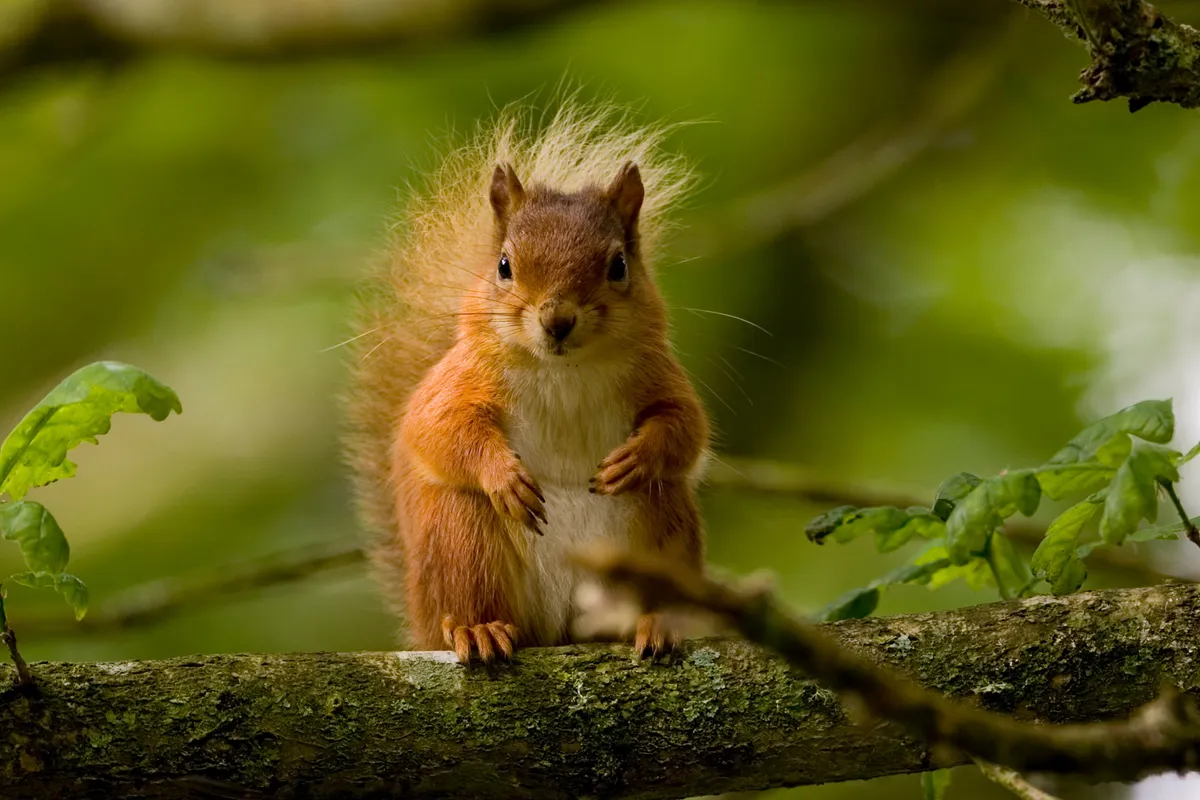
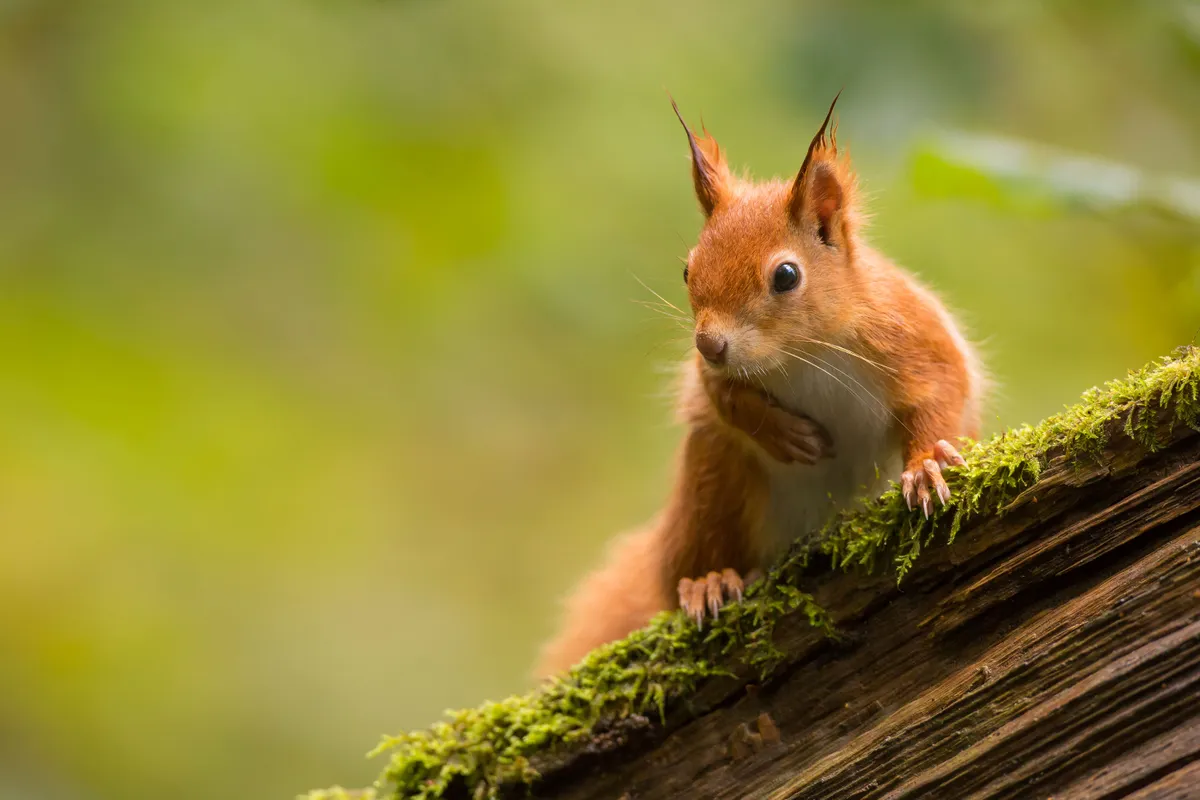
A common sight in parks woodlands across the UK, the eastern grey squirrel is often overlooked in favour of native red squirrels. However, it’s worth remembering that grey squirrels were introduced as fashionable additions to private collections in estates in the 1870s. They likely escaped from these collections and now outnumber red squirrels.
In the early twentieth century, one of the “worst offenders” for squirrel releases was the 11th Duke of Bedford, Herbrand Russell – who not only gifted squirrels to friends but also gifted a population from his private collection to the Zoological Society of London in Regent’s Park. (It’s also debated whether he released populations in Regent’s Park.) From there, they spread around England, Wales and parts of southern Scotland.
American mink

American mink were introduced to the UK from North America for fur farming in the late 1920s. However, by the 50s and 60s, some had escaped from the farms and started breeding. As active predators, they increased rapidly around the country.
Some were thought to have been released in the 1990s by animal rights activists, although these didn’t majorly affect the already-wild populations.
Terrapins

The Teenage Mutant Ninja Turtle craze of the 1980s is thought to have caused a boom in the UK’s red-eared terrapin population after they became an in-demand pet. However, they can grow to the size of dinner plates and develop substantial strength.
Whether they were irresponsibly released or went on the run, terrapins found in waterways today (particularly in the Midlands and southern England) are thought to have descended from this pet population.