
We all think we know what happens when an “ugly” caterpillar transforms into a “beautiful” butterfly. It’s a tale as old as time. But what actually happens across the butterfly’s life cycle remains a mystery to so many of us.
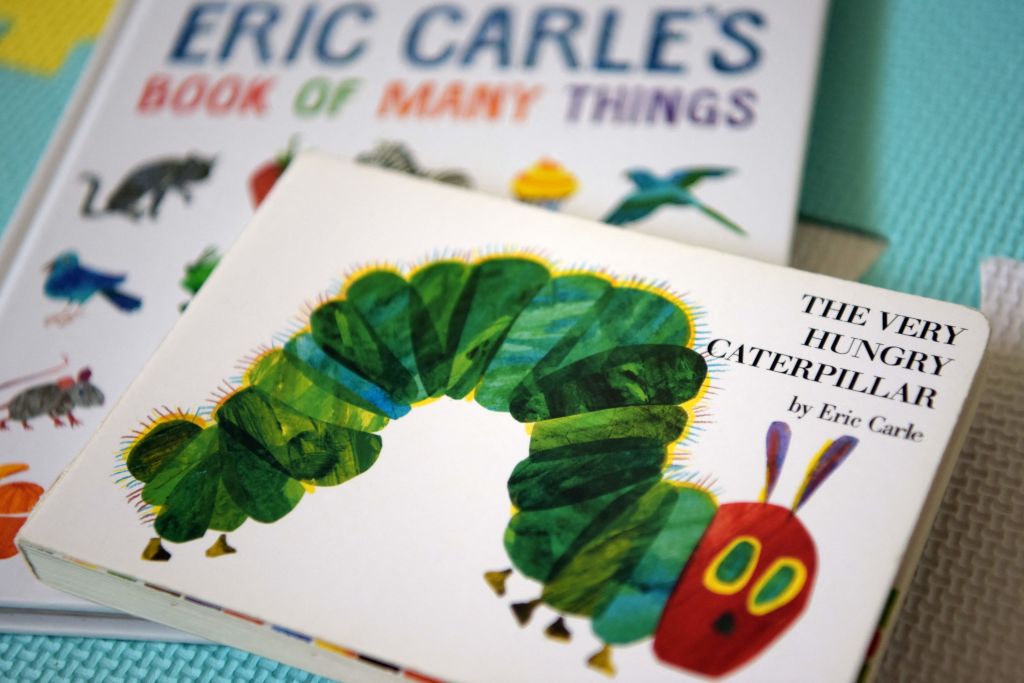
When you dig a little deeper, you realise that The Very Hungry Caterpillar is actually much more accurate than we gave it credit for as children. Here, we explain what goes on within the chrysalis – and throughout the life of a metamorphosing creature.
What’s it called when a caterpillar turns into a butterfly?
The process within the butterfly life cycle in which the caterpillar transforms into a butterfly is known as metamorphosis. This term is shared by many other species that also undergo a conspicuous and rapid change in body structure as part of their development.
Grasshoppers, crickets, dragonflies and cockroaches all undergo a process of incomplete metamorphosis, when they grow wings and become adults.
Butterflies, moths, beetles, flies and bees, meanwhile, experience complete metamorphosis. The young (larvae) are entirely different from their adult counterparts, even down to their diets, which vary enormously.
The word “metamorphosis” is derived from the Ancient Greek words for “transformation”, “after” and “form”.
What is the butterfly life cycle?
There are four stages in the metamorphosis of butterflies and moths: egg, larva, pupa and adult.
- Eggs: Eggs are laid on plants by an adult female butterfly. Females will lay many eggs at once to increase the chances that some will survive.
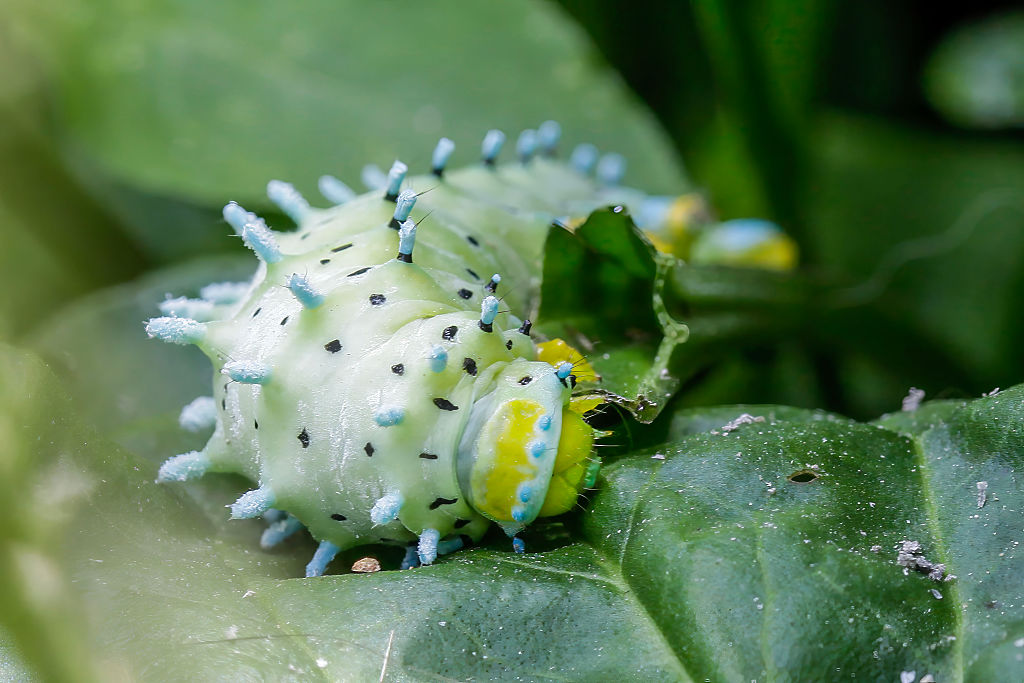
- Larvae: When the caterpillars hatch from the eggs, they will eat the plants around them. Their job is to eat. As they grow, they will shed their skin four or five times. Caterpillars can grow up to 100 times their size during this stage of development.
- Pupae: When the caterpillar is fully grown, it will stop eating and become a pupa (or chrysalis, if it’s a butterfly). For butterflies, this protective casing is called a chrysalis, while moths often spin a protective silk cocoon around themelves. The pupa hangs from a branch by a silk thread, though different species adopt various techniques. This stage can last from a few weeks to a month – or sometimes even longer, depending on the species. All the development occurs on the inside, with cells growing rapidly to become legs, wings and other body parts of the adult butterfly.
- Adult: When the butterfly is an adult, its job is to mate and lay eggs on a plant, which the future caterpillar will feed from. Most adult butterflies only live one or two weeks.
Top image: A monarch butterfly (Danaus plexippus) prepares to hatch from its chrysalis (Photo by Sanka Vidanagama/NurPhoto via Getty Images)

