
After a summer of aggressive drought, the UK is now looking to the future. How do we deal with ever-heating summers and months of dry habitats? The answer could well be wetlands, but unfortunately they come at a cost.
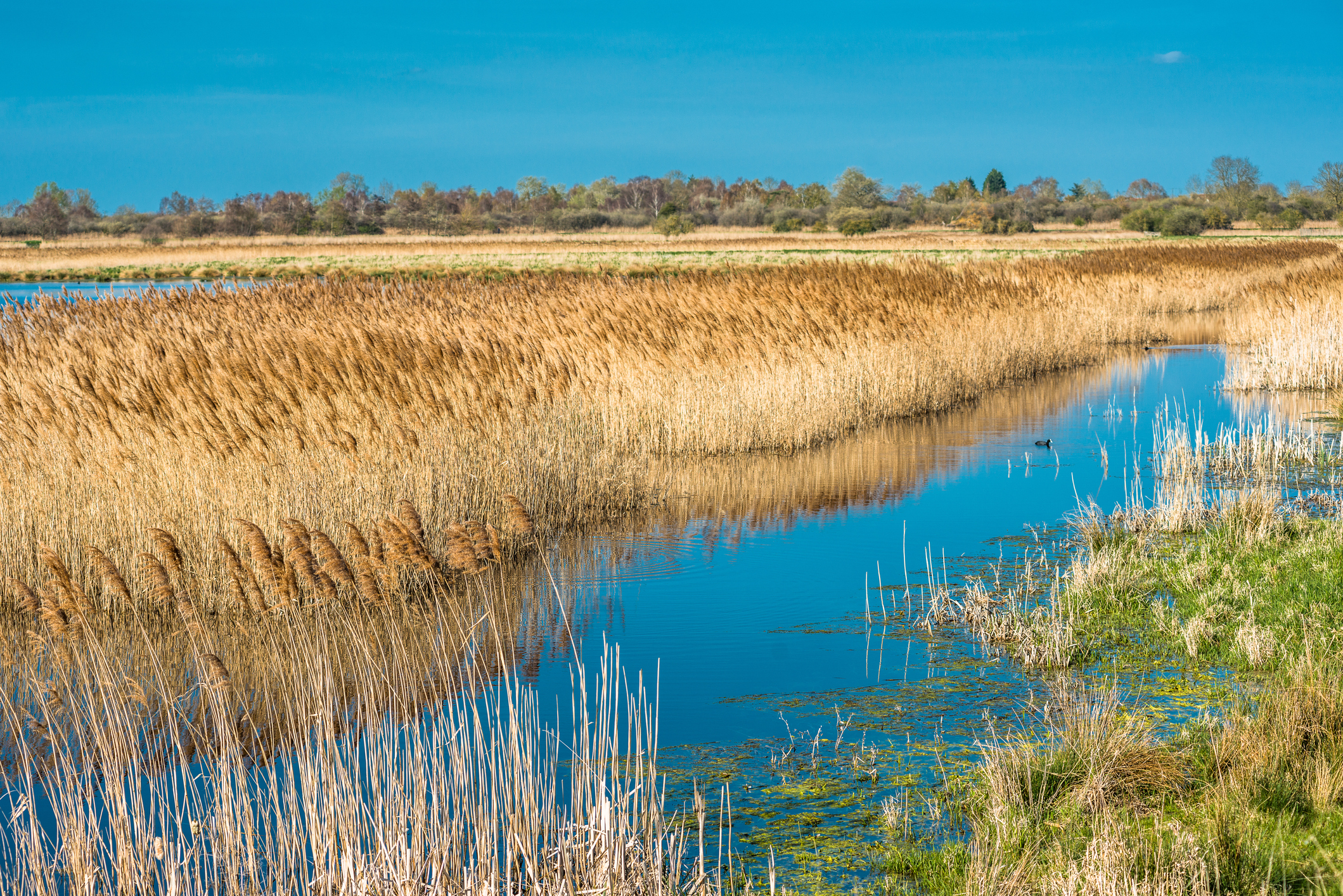
Wetlands are areas of land where water covers the surface. While they can often look unhealthy, like bogs or water-drenched fields, they are one of the few areas that successfully survived the droughts, keeping plants alive and animals functioning normally.
While these regions can often exist on their own, it is becoming harder for wetlands to thrive in a changing climate. This can mean they need a bit of a helping hand. For one area in the Wicken Fen nature reserve in Cambridgeshire, this means bringing more water in.
The National Trust has entered an application to the Environment Agency to abstract water form the nearby Reach Lode. This is a 3-mile artificial watercourse that once operated as a port.
Now, the National Trust is looking to take 234,000 cubic metres of water (roughly 640,000 litres) a year from this waterway. This water would be used to restore wetlands in Wicken Fen, hopefully building a more effective wildlife.
"This application is an important step in the next phase of peatland restoration at Wicken Fen. It will enable us to restore around 30 hectares of degraded peatland by raising water levels and recreating the conditions needed for healthy peat, thriving wildlife and resilient wetland habitats,” Alan Kell, Restore Nature Delivery manager at National Trust told BBC Countryfile Magazine.
“The proposed abstraction would allow water to be transferred from Reach Lode into a historic channel on our land, helping to keep the peat wet and functioning as a healthy wetland ecosystem. Restoring natural water levels is essential for protecting peat, which stores significant amounts of carbon, while also creating better conditions for wetland species.”
Abstracting water from sources in the UK is common practice. In fact, the amount the National Trust is looking to take here is relatively small. A project in London is proposing the use of 75 million litres of water a day from the river thames to help fight drought.
Other projects around the UK have abstracted millions of litres of water a day for years now, successfully using it for everything from drought prevention to keeping golf courses looking green.
As drought becomes an increased risk, over-abstraction is becoming a larger problem. In the Kennet catchment (a region in South England), the river has been left without enough water to support a healthy ecosystem.
Water sources that were once healthy enough to support abstraction could become more at risk with time and changing seasonal cycles.
For the National Trust, this new wetland project is making an important trade-off, aiming to use the water to support land that can be drought-proof for years to come, as well as supporting important biodiversities.
“The project will help restore a richer and more connected wetland landscape for wildlife, while also protecting an important peat resource and the carbon it stores, building on decades of restoration work at Wicken Fen,” said Kell.
The use of abstraction techniques will likely be under fire over the next few years. It was reported that one in 12 golf clubs in England broke water extraction rules in the past five years, taking too much or taking it out of abstraction periods.
This, along with over-abstraction across the UK, could see a re-work of who can abstract, where they can do it, and what they can do it for.
