
When you hear the term wetlands, what picture does it conjure up? Bogs and marshes or a cityscape, blending urbanisation and wildlife into one happy unison? If you’re in the former camp, maybe the UK’s first wetland city will change your mind.
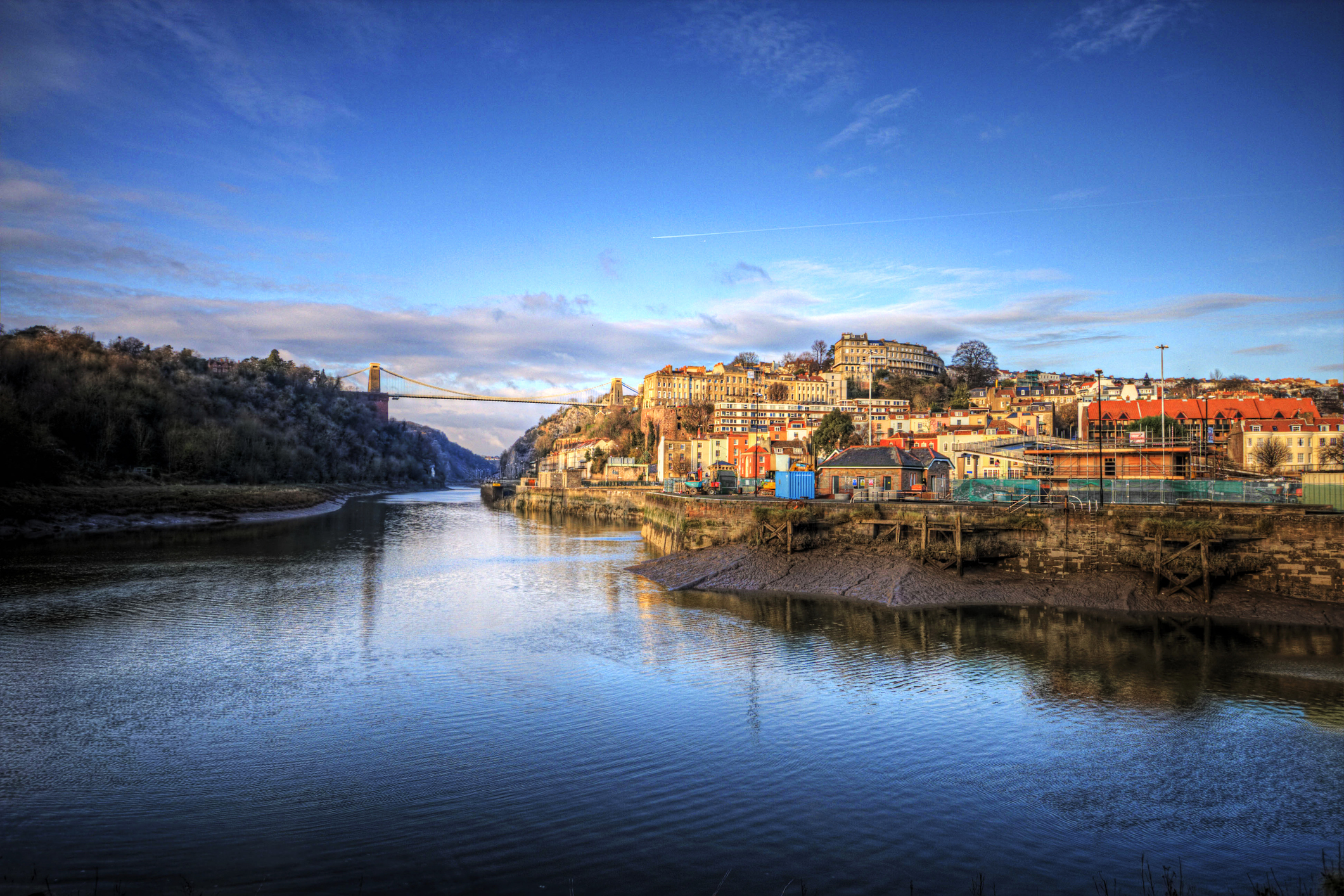
As part of a combined project between Aviva, the Wildfowl and Wetlands Trust, and a host of local groups, Bristol is set to become the UK’s first wetland city. This will involve over 200 new projects to bring water into the city.
For such a rainy country, it might sound counterintuitive to seek more water, and yet, like most of the world, the UK just experienced one of the worst droughts in history. The WWT hopes that not only will this project help future-proof Bristol from droughts but will also bring wildlife and the local community together.
Bristol: The UK’s first wetland city
So, what on Earth is a wetland? Unsurprisingly, the answer here is in the name. Wetlands are areas of land that are either permanently or seasonally inundated with water. That can mean ponds, lakes, canals, bogs and more.
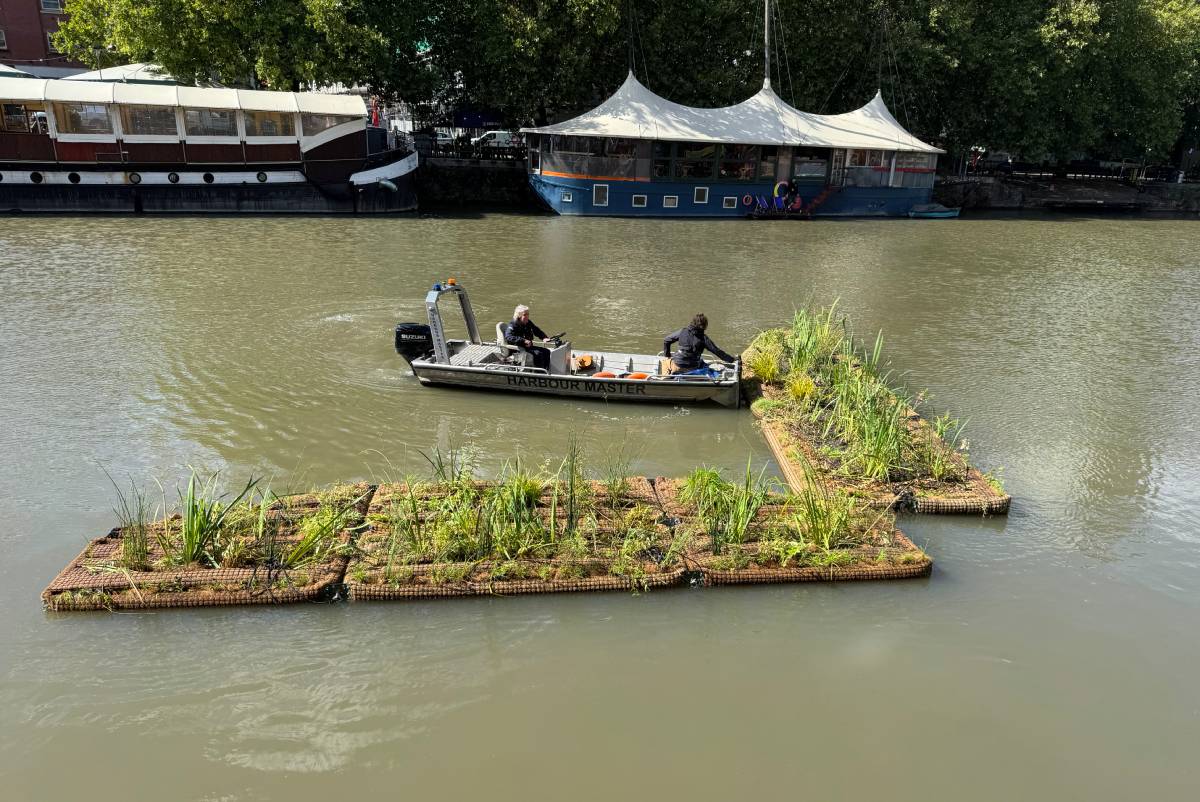
In cities, this can look a bit different. Think everything from drainpipes watering your garden to deep ponds in parks, or in the case of Bristol’s new project, floating gardens on the city’s harbour.
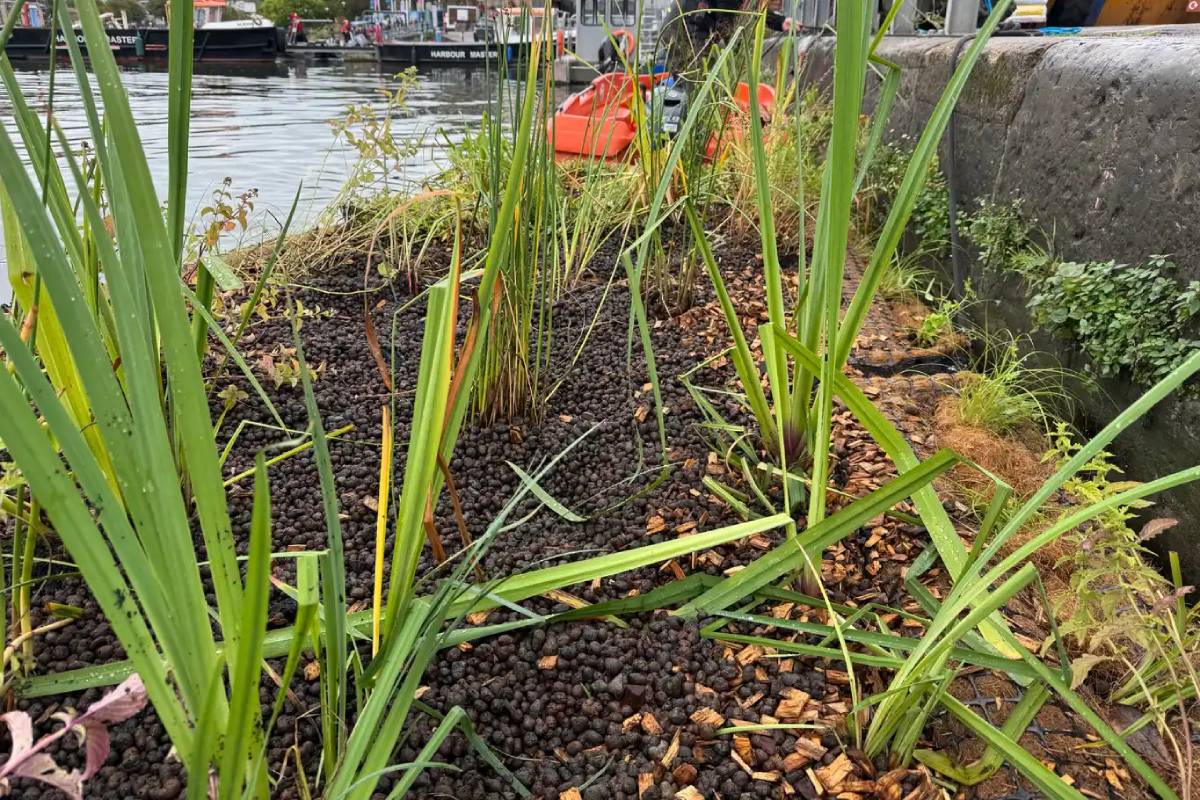
With funding from Aviva and assistance from the local council, WWT moved two floating docks into the harbour. Each is covered in plants and life, using the abundance of water below to create a wetland that can keep plants alive even through the longest of droughts.
This alone isn’t enough to move the needle, but for the WWT this is a symbolic start of a long mission in Bristol. These 200 planned projects span local gardens, parks, canals and the city's large dock.
In theory, the idea is to make Bristol a wetter place. By absorbing and retaining rain and water from existing waterways, Bristol can better deal with future droughts and have a more consistent biodiversity across the city.
“At the moment, our cities are designed to get rid of water. This project is turning that on its head, trying to create space for that water. When you get extremes like the long dry summer we just had, the water is being taken out of the city and we see overheating rapidly,” Peter Lee, the program lead for the wetland project told BBC Countryfile Magazine.
“When the rain does eventually come, our systems are not equipped and we see flooding instead, and pollutions into our rivers and waterways. This project is keeping more water where it lands, managing where it ends up in our cities and utilising it for biodiversity and the local people. “
What makes a city wet?
Wetland cities are, realistically, a hard sell. It takes time, funding and, well… a lot of wetness. None of which are particularly appealing on paper. And yet, Aviva is handing over millions in investment across 5 years. So why do it?
Well, wetlands are a surprisingly effective tool against climate change. Studies link urban wetlands to cooling temperatures, as well as showing that they can improve the quality of water for wildlife and can even benefit the public’s mental health.
Effectively, wetlands have few downsides on paper (other than the wetness, of course). They are affordable projects, bring local communities together, and have benefits for climate adaption, health and biodiversity.
For the WWT, the eventual goal is to turn Bristol into a recognised Wetland City. Currently, there are 74 officially accredited Wetland cities across 27 countries. The UK currently has none.
The accreditation isn’t the important part here, it is merely recognition of a city's commitment to wetlands. However, if you look at other accredited cities, the evidence for success is all there.
China, the country with the largest number of wetland cities has shown meaningful improvements in cities like Changde, where huge portions of wetlands have returned. Flooding appears to have been reduced there, water quality has improved and there has been noticeable improvements to biodiversity.
- The rising threat of wildfires in the UK: Why Britain is completely unprepared for a warming climate
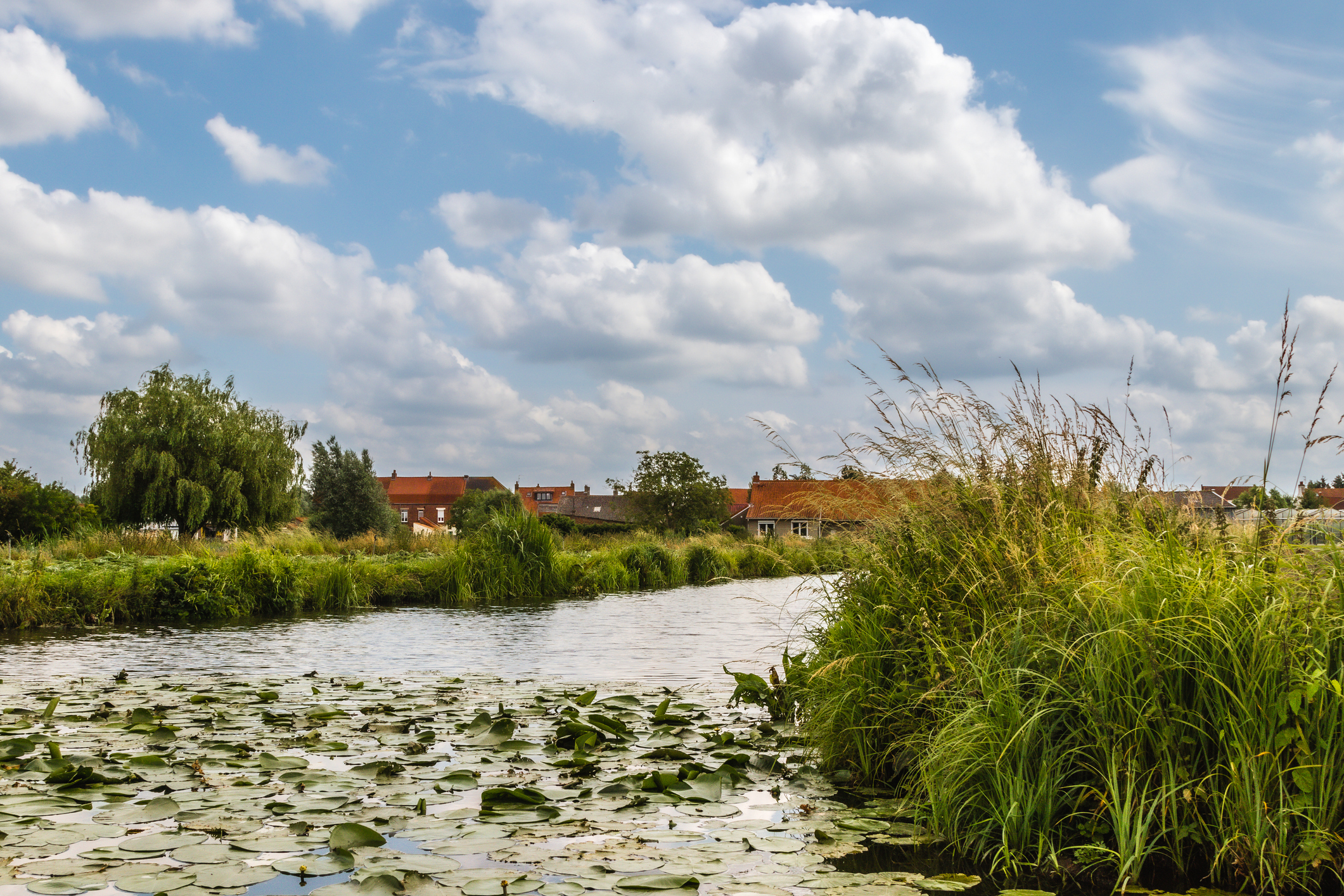
The same can be seen in Wuhan, where studies have noted reduced temperatures in urban parks, or in France’s Saint-Omer, a Wetland city since 2018. Saint-Omer has developed wetlands throughout the city that aid flood prevention, has seen huge biodiversity gains and has even boosted food production.
Arguably, Bristol is a logical testbed for the UK. It is a city with a strong attachment to biodiversity, local community, and, well, a lot of water. Speaking to Peter Lee, the program lead for this project, he emphasised that so much of the initial structures, regulations and beliefs were in place, now it is just building or restoring the wetlands themselves.
Will other UK cities become wet too?
For now, the WWT has its sights fully set on Bristol. This kind of project can take a few years to complete, but the Aviva funding goes on for five years and there is a clear interest to continue forward.
“Bristol is a test case. We learn from this and figure out what the perfect approach to wetland cities looks like so we can implement it in other places,” Claudine Blamey, Aviva’s Chief Sustainability Officer told BBC Countryfile Magazine.
“You do need to adapt to different cities. They might suffer from different heat elements, or floods or other impacts of climate. Wetlands do deal with all of the impacts but you need to understand the local ecological system and then work within that to help other kinds of cities.”
Turning cities into wetlands won’t automatically stop drought, flooding or any of the many modern concerns cities are facing, but it can be a key part of how a city fights back.
Climate adaption, for many cities is becoming a bigger concern each year. Wetlands are just one of the latest ways of approaching this problem. But for Bristol, it is a gamble that they are hopeful for.
“It is part of what we need to do as a council to protect our local people and the city’s infrastructure from flooding. We have a lot of development going on in the city, we have 3000 homes that are at risk if we don’t do our flood defences now,” Tony Dyer, leader of the Bristol City Council told BBC Countryfile Magazine.
“We don’t want flood defences to just be huge banks of concrete, we want them to fit into the local ecology as well.”
It will be years until Bristol feels the effects of becoming a wetlands city, but as we gear up for another year of unpredictable weather, it might be time to make our cities wet again.
