
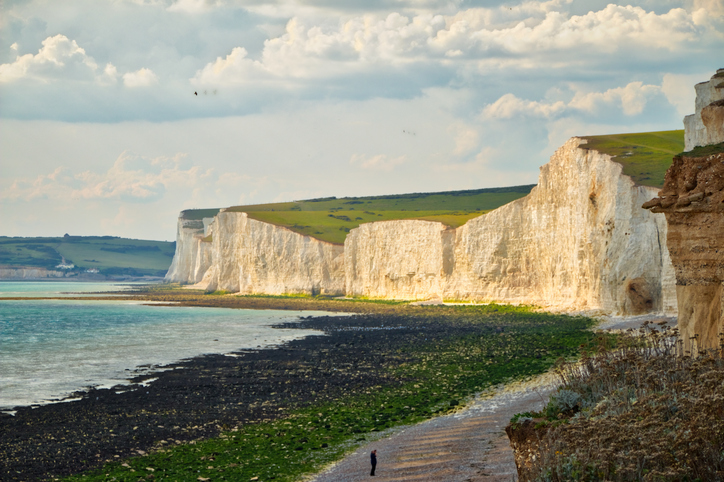
At the National Trust hamlet of Birling Gap, the sea’s aroma sits strong in the air. From the top of the steps above the beach and its numerous rockpools, the views of the Seven Sisters and Seaford Head are excellent.
For many, these huge chalk cliffs are even more picturesque than the famous White Cliffs of Dover up the coast.
Walk the length of the cliffs with our 3.7-mile walk.
Looking for more walks nearby? Check out our trail guides to Devil's Dyke, Stanmer Park and Ditchling Beacon.
How to get to the Seven Sisters walk?
Seven Sisters is an easily accesible route, depending on how you're looking to get there. If you plan to drive, there is a specific Seven Sisters car park that you can use.
For public transport, the best option is to get the train to Seaford. There is a route that goes directly from London Victoria, or you can catch a local bus to the Seven Sisters Country Park Visitor Centre.
Seven Sisters walk
3.7 miles | 2.5 hours | moderate
1. Birling Gap
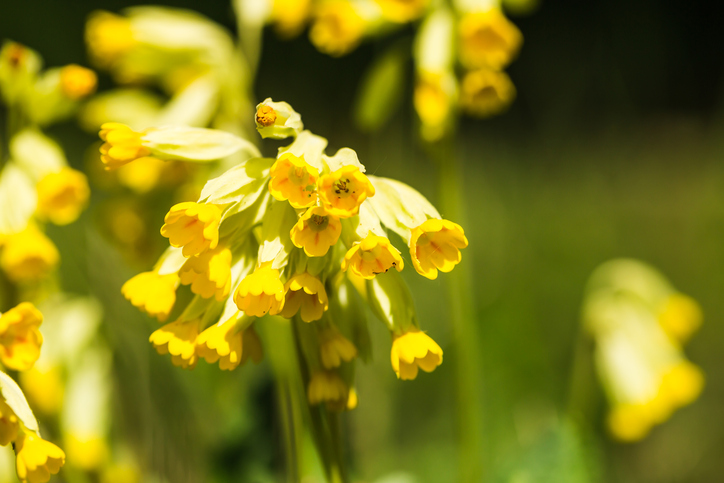
Leaving Birling Gap behind, a walking route follows the South Downs Way along the cliff tops. The chalk grasslands here are rich with spring flowers such as milkwort and round-headed campion. Look out for early Brimstone butterflies investigating the cowslips.
2. Belle Toute view
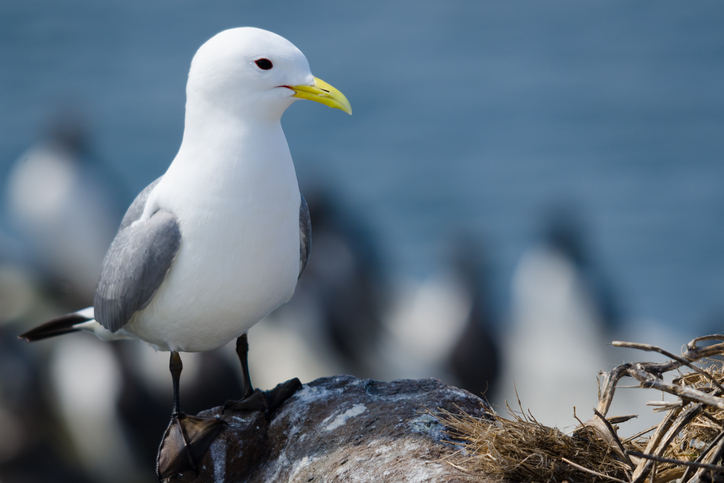
From the top of the first sister, look behind you for a view of Birling Gap and Belle Toute Lighthouse beyond, then continue along the South Downs chalk grasslands, cropped by grazing sheep. Keep an eye out for kittiwakes and fulmars, nesting on the cliffs, while at low tide you may be able to see the wreck of Coonatto, a Barquentine clipper.
Related articles

3. Haven Brow
At Haven Brow, the seventh sister, head inland from Cuckmere Haven, rumoured to be a former smugglers’ landing site. The area is strewed with wildlife-rich watering holes, from oxbow lakes and water meadows to the River Cuckmere, snaking through the wide flood plain to the English Channel. There is also a network of saline lagoons that attract oystercatchers and little egrets. The valley is of historical significance, too, with a number of World War II pillboxes and anti tank defences, known as dragon's teeth, scattered across the coastline.
Travellers can catch a bus back to Birling Gap from the A259. Before you leave, take advantage of the tearooms at the Exceat Countryside Centre or the nearby Cuckmere Inn just over the river – the perfect ending to a summer's day walk.
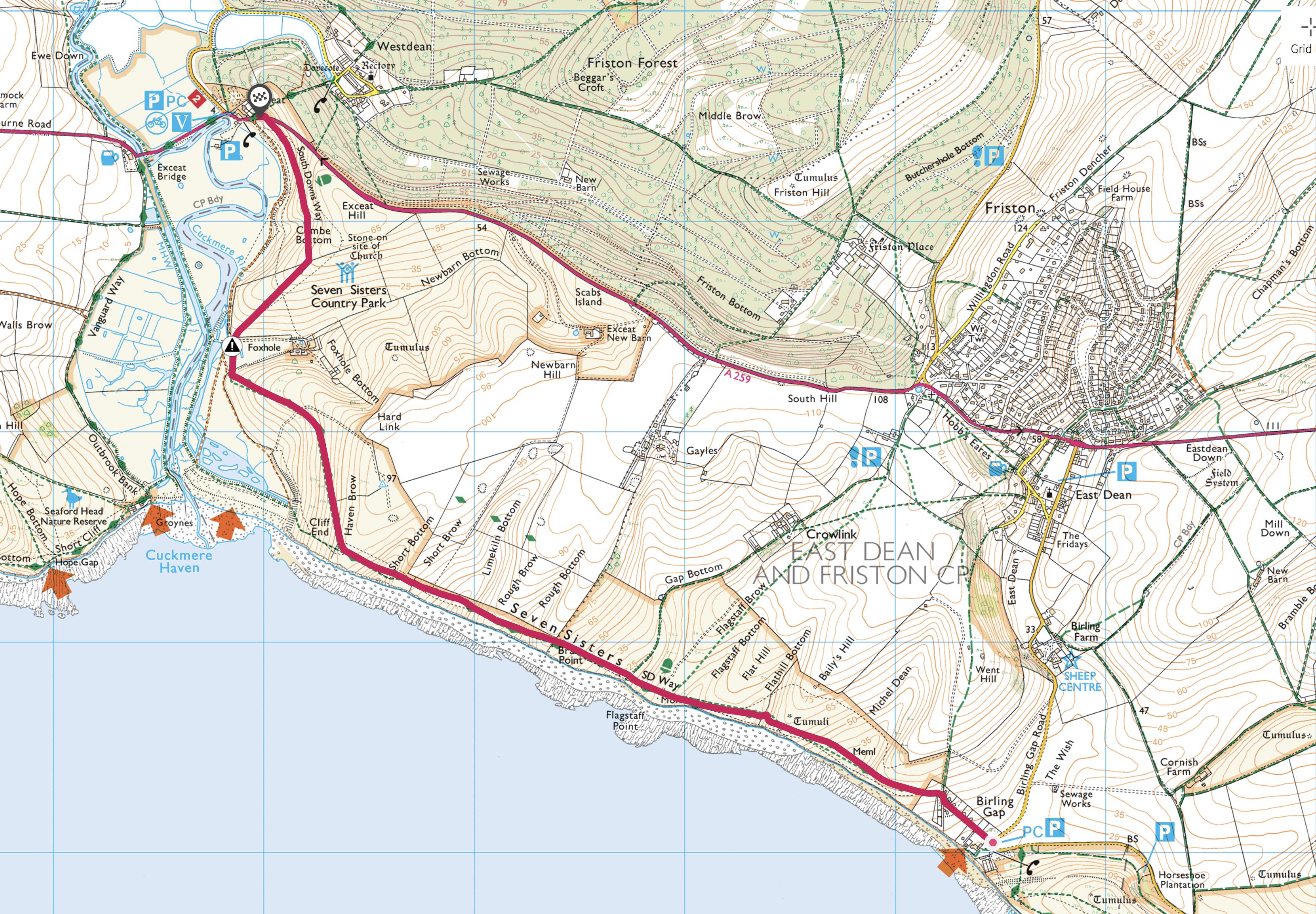
Seven Sisters map
Birling Gap and Seven Sisters walking route and map
How long does the walk take?
This will obviously depend on your own speed, hiking skill level and how many stops you have planned. However, on average, expect this to take you roughly 2.5 hours to complete.
It is a moderate route so while you won't be pushed too hard, it will test the average hiker well enough.
If you're looking for some big challenges, our list of the toughest long-distance walks might be more your speed.
Why is it called Seven Sisters?
This hike gets its name from the seven very distinct chalk hilltops and peaks that you need to climb and descend as part of the route.
Each high point of the route is acting as a sister, helping push you along the route. However, technically due to coastal erosion, there are actually now eight visible hills. The name has stuck, probably because we can't keep adding hills to the name each time coastal erosion rears its ugly head!
