
Dogs are deeply expressive creatures, but cats… they keep things close to their chest. Despite their hidden nature, cats can give subtle signs to their feelings in their body language, but you need to watch closely.
“Cats are largely solitary hunters, so their facial expressions can be subtle. Looking at their wider body language can help you understand how they may be feeling,” said Dr Brian Faulkner, a veterinary expert at Petplan.
“A cat communicates through its whole body, including its tail, ears, eyes, posture and whiskers. A tail held high, ears facing forwards and slow blinking can indicate that a cat feels relaxed and comfortable, but these signals should always be considered together and in the context of the individual cat.”
So what exactly should you look for in each part of their body? Firstly, the tail. A low, tucked or puffed-up tail can be a sign of stress. On the other hand, rapid, aggressive or thumping may indicate frustration or agitation.
With their ears, llook out for a flattened or sideways-facing move. This can also be a sign of stress, along with swivelling ears. Equally, ears pinned tightly back against the skull can indicate a cat’s fear.
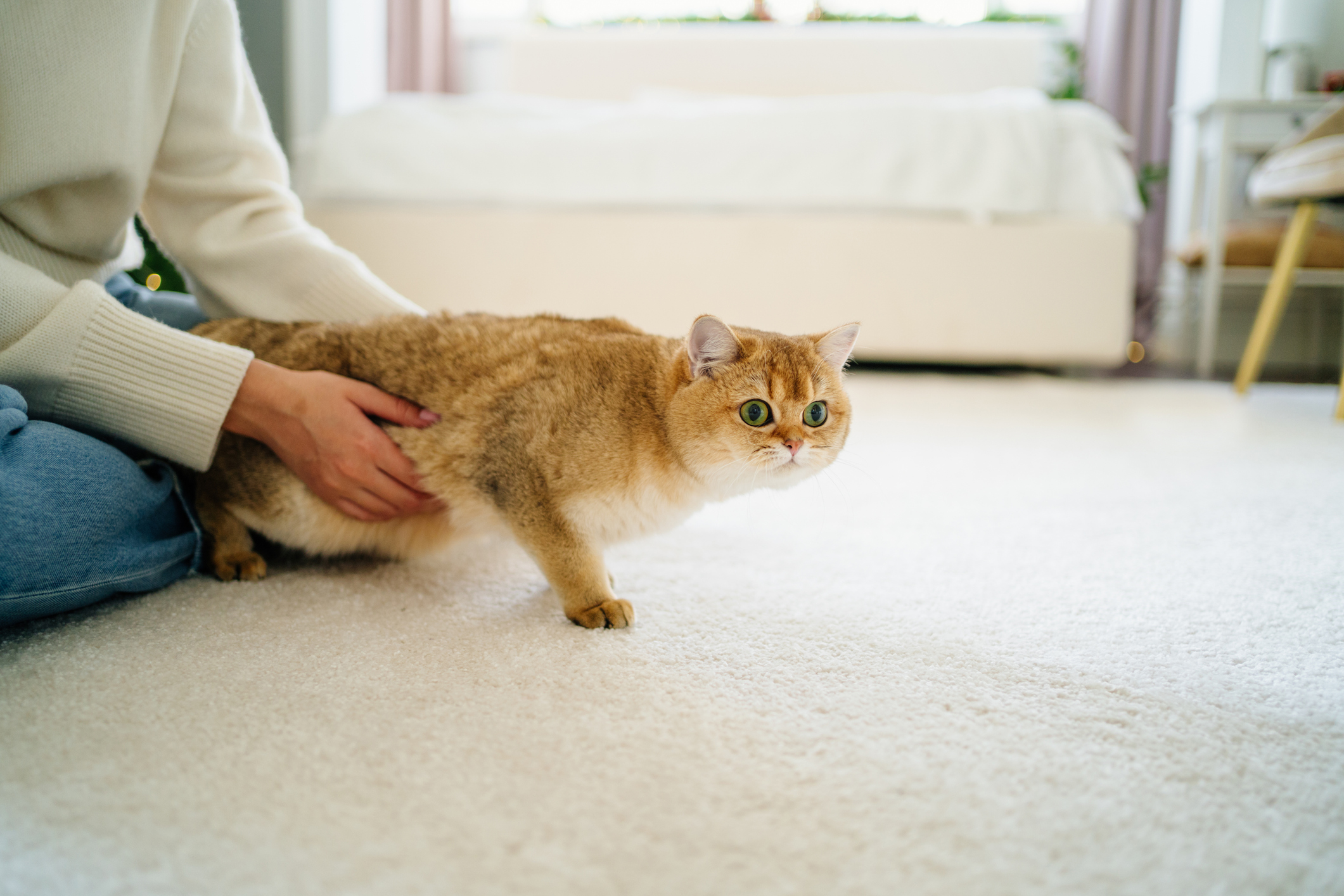
Wide, staring eyes that have diluted pupils can be either a sign of stress or overstimulation, and half-closed eyes with a hard stare might signal aggression or territorial behaviour. Equally, a low head held close to the ground can be a sign of vulnerability.
Finally, look at the paws. Excessive scratching beyond normal territory marking, or relentless pacing can be a sign of stress, environmental changes, pain, or simply boredom.
“The most useful approach is to become familiar with what is normal for your own cat and to look for any persistent or unexplained change in their behaviour, appetite, movement or usual routine,” Faulkner added.
“If you are concerned about your cat, always contact your vet for advice and having cat insurance can provide you with peace of mind.”
If you are finding your cat is presenting these kind of behaviours, there are several ways to keep them happy. Providing vertical climbing opportunities, maintaining consistent feeding routines and offering quiet places to retreat, as well as stimulating play can keep stress and boredom at bay.
