
When Faye Hancock reflects on the rescue operation that transformed the lives of 19 feral cats, she says the hardest part wasn't trapping them. "It was educating people," she says.
The 50-year-old volunteer with Cats Protection Coventry Branch spent months helping to organise a major rescue after concerns were raised about a growing colony of unneutered cats living on an industrial estate near Coventry.
They were breeding rapidly, fighting over territory and struggling to survive. Businesses on the estate had become increasingly concerned as numbers continued to rise, prompting Cats Protection to step in.
For Faye, who works full-time as a carer and has volunteered with the charity for more than a decade, it quickly became clear this would be a complex operation.
Before any trapping could begin, the team needed to find out whether any of the cats belonged to residents, secure veterinary appointments, arrange transport and identify suitable places for the animals to go afterwards.
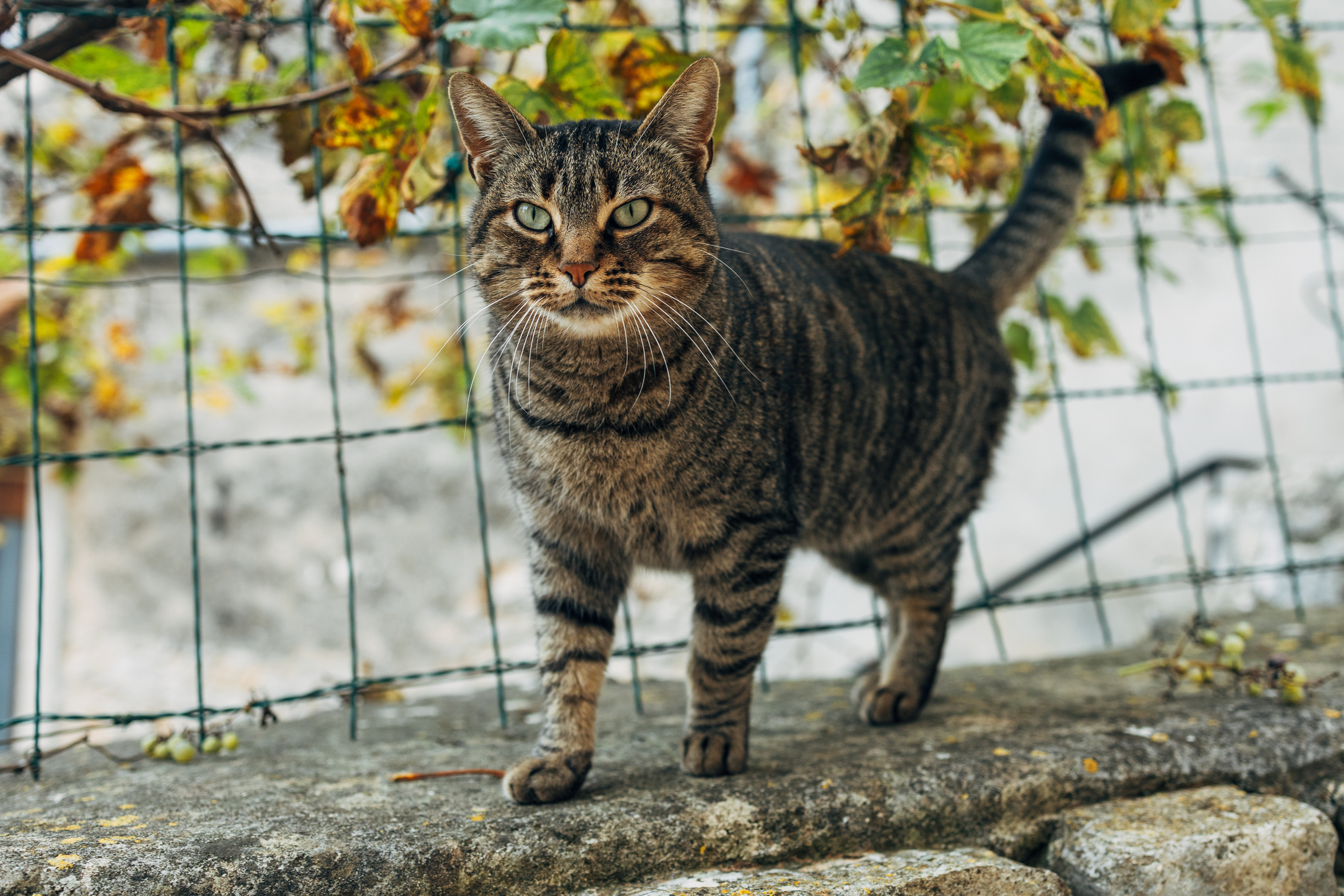
"Many local residents didn't understand the benefits of neutering," says Faye. "A lot of my time was spent answering questions and explaining why stopping the breeding cycle is so important for feline welfare."
Behind the scenes, Cats Protection Coventry Branch secured 20 neutering appointments, recruited volunteers and sourced equipment, with support from Cats Protection's Stourbridge Branch, which lent them 10 traps.
The week before the operation, volunteers worked closely with local feeders and prepared accommodation at farms, stables and smallholdings where the cats could eventually be relocated.
On trapping day, four volunteers and a local feeder spent nine hours searching bushes, trees and hiding places across the industrial estate. By 8pm, they had successfully trapped 21 cats.
The animals were transported for veterinary treatment and were neutered, vaccinated and treated for fleas and worms. Two cats were identified as owned pets and returned home, while one elderly cat sadly had to be put to sleep because of poor health.
Where are the cats now?
However, the remaining cats were given a fresh start as homes had already been secured for many of them before trapping began, and volunteers quickly found placements for the rest. Instead of returning to the industrial estate, the cats were relocated to farms and rural settings where they could live safely and continue their natural role as working cats.
"The transformation has been incredible," says Faye. "Instead of constantly competing for food, fighting over territory and producing litter after litter, they're now living safer, healthier lives."
Coventry Branch Coordinator Wendy Harris praised the dedication of everyone involved in the operation.
"Faye's commitment behind the scenes was simply outstanding, we’re so grateful to all our dedicated volunteers who give up their time - this couldn’t be done without them."
The rescue highlights the importance of neutering programmes in managing feral cat populations humanely but the hard work doesn’t end there. The charity continues to monitor the site, with remaining cats to be trapped, neutered and returned as part of a managed population.
For Faye, however, the biggest reward is seeing the difference the rescue has made.
"There were moments when I wondered how we'd pull it all together," she says. "But seeing those cats settle into their new homes makes every late night, every phone call and every hour of planning worthwhile. Every animal deserves a chance of a better life."
