
Few things are more frustrating for gardeners than finding freshly dug flower beds, disturbed seedlings or cat mess among treasured plants. While cats are welcome visitors for some, others would rather keep neighbourhood moggies out of their garden.
The good news is that there are plenty of effective, humane ways to discourage cats without causing them harm.
Before using any deterrent, it's worth knowing that cats have a legal right to roam in the UK and are protected under the Animal Welfare Act 2006. Any method that causes injury or suffering could lead to prosecution, making humane deterrents the only responsible choice.
"Cats are naturally curious and like to explore large areas, but there are many gentle ways to make your garden less appealing without putting their welfare at risk," said Helen Crofts from Cats Protection. “Cats are likely to revisit gardens that offer shelter, easy access and attractive digging spots. Making a few simple changes can help.”
- 7 unhealthiest cat breeds – according to a veterinary surgeon
- Is my cat lonely – and should I get another one?
- Best cat quotes: our favourite sayings about our feline friends
It's also important not to encourage visits inadvertently, Helen says. Avoid feeding unfamiliar cats, keep bins securely closed and place bird food where cats can't easily reach it.
"A garden that offers fewer food sources and hiding places is often far less attractive to a wandering cat," she says.
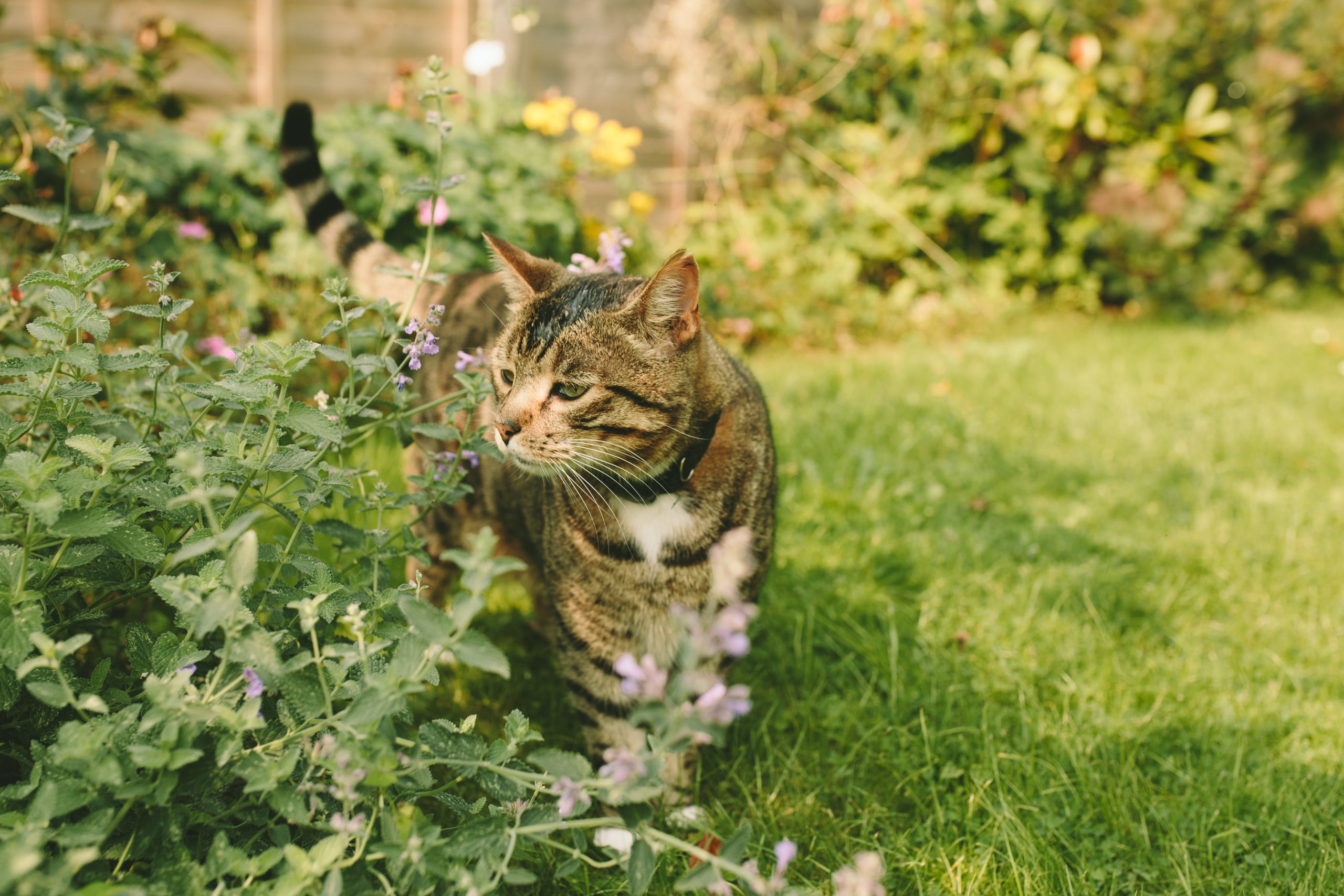
For more persistent visitors, practical deterrents such as high fencing, dense hedges or motion-activated water sprays can be effective. These sprays release a brief burst of water when movement is detected, encouraging cats to move on without causing harm. Simply clapping your hands or firmly saying ‘shoo’ when you spot a cat can also help discourage repeat visits.
“Cats generally prefer private, undisturbed places to toilet. Making favourite spots less secluded and more difficult to access may help discourage them from using your garden as a toilet,” said Helen.
Freshly turned soil is particularly appealing to cats looking for a place to toilet. Fortunately, a few simple measures can help. Covering exposed soil with pebbles, bark, twigs or crushed eggshells makes digging uncomfortable, while planting more densely reduces the amount of bare ground available. Keeping soil damp can also help, as cats generally prefer dry areas. Sandpits should always be covered when not in use, as loose sand is especially attractive to cats.
"Cats naturally seek quiet areas with loose, dry soil, so changing the texture of flower beds can significantly reduce unwanted visits," said Helen.
What plants do cats not like?
Certain plants can help make problem areas less inviting so try adding these plants to areas that regularly attract feline visitors:
- Scaredy Cat Plant (Coleus canina)
- Lavender
- Rosemary
- Lemon balm
- Curry plant
- Pyracantha
- Quince
- Shrub roses
- Safe scents for deterring cats
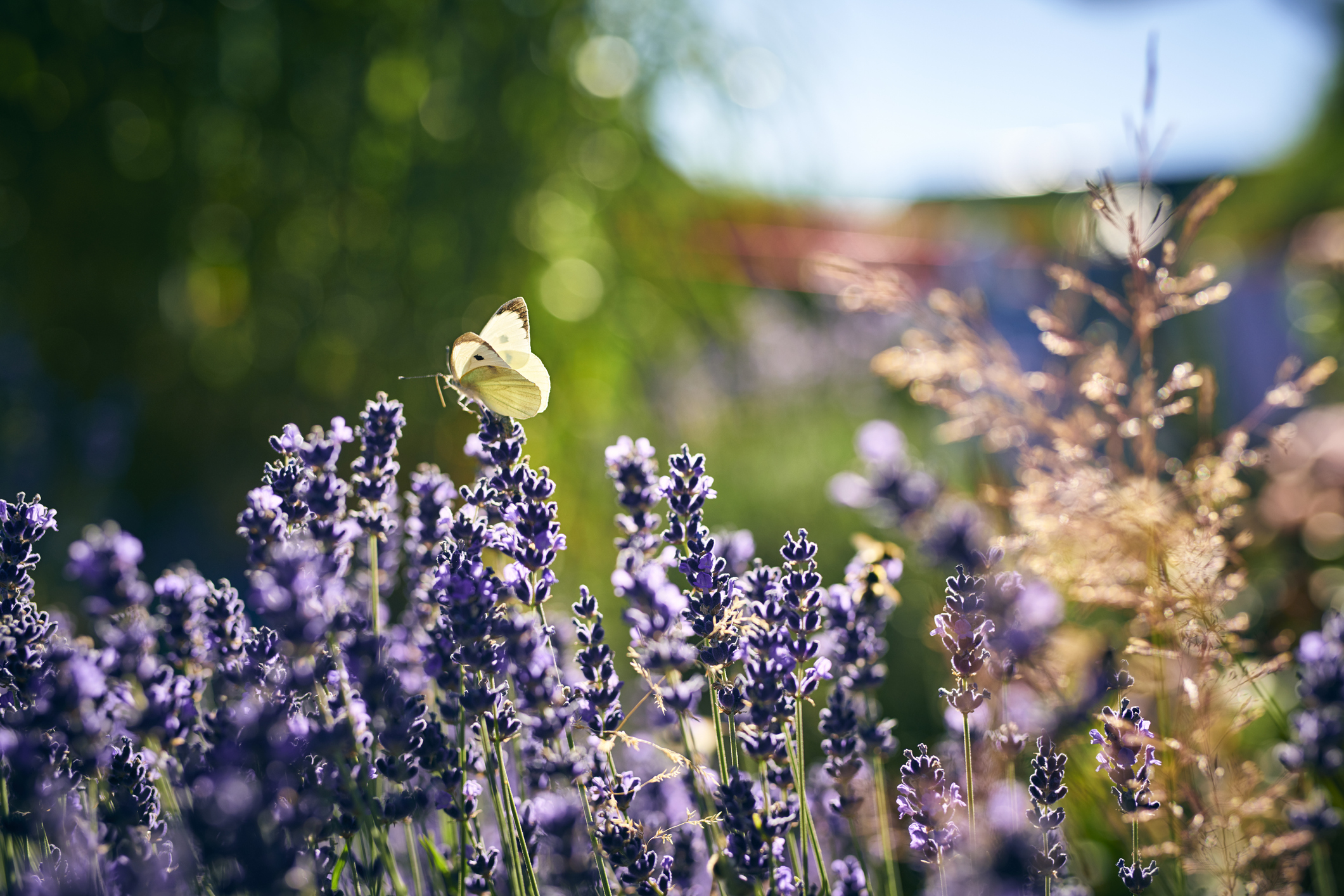
Because cats have an extremely sensitive sense of smell, certain scents can encourage them to keep their distance. Safe options include:
- Citrus peel or juice
- Cinnamon
- Banana peel
- Chicken manure pellets
- Fertilisers containing lion scent
"You could also try putting the citrus peel in the soil as it will compost and give your plants added nutrients, or you could even soak some cotton wool in it and place this around your plants,” said Helen.
"And if you own a cat, placing some of its waste in areas frequented by visiting cats may also deter them, as cats are territorial animals. Always use a scoop and avoid direct contact with cat waste.”
What NOT to use to deter cats
Some substances often recommended online can actually be harmful to cats and should be avoided altogether. These items may irritate cats or pose health risks, making them unsuitable as deterrents:
- Garlic
- Onion
- Coffee grounds
- Cayenne pepper
- Vinegar
- Bleach
- Essential oils
Neighbourhood cats and garden owners don't always make easy companions, but conflict doesn't need to be part of the equation. By understanding feline behaviour and using humane deterrents, gardeners can protect their plants while ensuring cats remain safe and unharmed. After all, a successful garden should be a place where wildlife, pets and people can coexist peacefully – even if they occasionally need a few boundaries.
Quick wins for keeping cats away
- Plant shrubs and flowers close together
- Use citrus peel around flower beds
- Grow lavender, rosemary or lemon balm
- Keep bins securely closed
- Place bird food off the ground
- Use approved chicken manure pellets
- Gently shoo cats away if you see them
- Consider a motion-activated water spray
- Plants cats tend to avoid.
