

Your dog's poo can reveal a surprising amount about their overall health. Changes in colour, consistency and frequency can offer early clues that something isn't quite right, while healthy stools can be a sign your dog's digestive system is in top shape.
From concerning signs to one-off colour changes, not every strange poo is worth panicking over. Here's everything you need to look out for, so you can make the right call.
What does healthy dog poo look like?
When assessing your dog's poo, remember the four Cs:
Colour: Should be a consistent brown colour, although shade depends on what's normal for your dog.
Consistency: Should be firm and log-shaped, as well as easy to pick up.
Content: Should be free of foreign objects, worms or undigested food.
Coating: There should be no mucus or greasy coating.
- See how your dog's poo compares with the ultimate dog poo chart.
What does unhealthy dog poo look like?
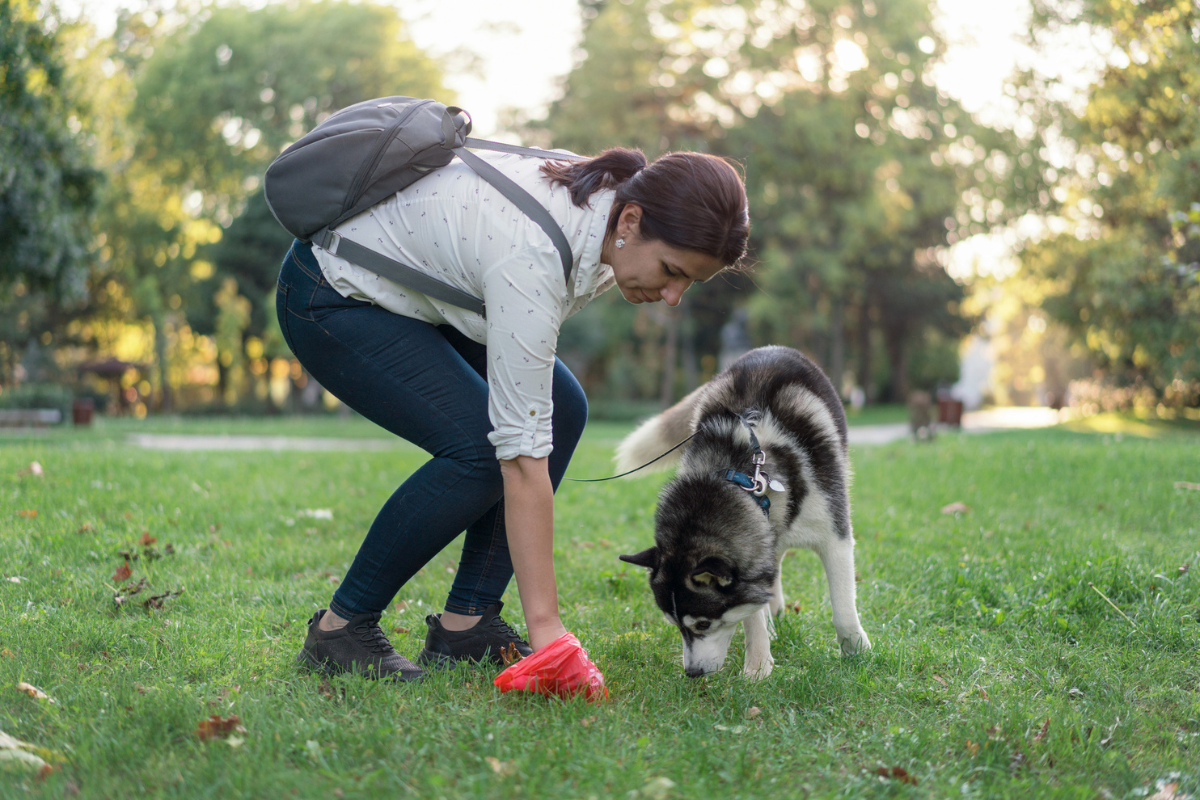
Green: Often due to eating too much grass or green leafy vegetables. In some cases, it can indicate a gallbladder issue.
Orange: One-off orange and yellow poos are fine, but if it's a regular occurrence it could be a sign of liver problems or a food intolerance.
Red: Indicates fresh blood that could be from a cut, anal gland issue or lower intestine inflammation.
Black and tarry: A serious sign that indicates digested blood from the upper GI tract. Seek an immediate vet visit.
Grey and greasy: Greasy and/or light-coloured poos could indicate problems with the pancreas. Learn more about pancreatitis.
White specks or white poo: Common in dogs fed a lot of bones, as the white colour is due to calcium. Double check those white specks, as they could be tapeworms or roundworms.
When should I worry?
Contact your vet if blood appears repeatedly, black/tarry poo occurs, diarrhoea lasts more than 24 to 48 hours or they seem unwell.
Can your dog's diet affect their poo?
Diet can influence everything from stool consistency to frequency and size. Sudden changes in food, treats and scraps that don't agree with your dog can all affect their stools.
If you've already ruled out illness, some owners review their dog's diet as a means to improve their digestive health.
Could a change of diet help?
If you've tried different dietary approaches and it hasn't helped your dog's poop as much as you'd like, it may be worth considering whether a different type of diet could help.
Some owners choose raw dog food as its natural aromas can make mealtimes more appetising, but research has shown it can improve digestion. As raw food contains no grains or fillers, there's less waste to process, which also benefits dogs' anal glands, reducing blockages.
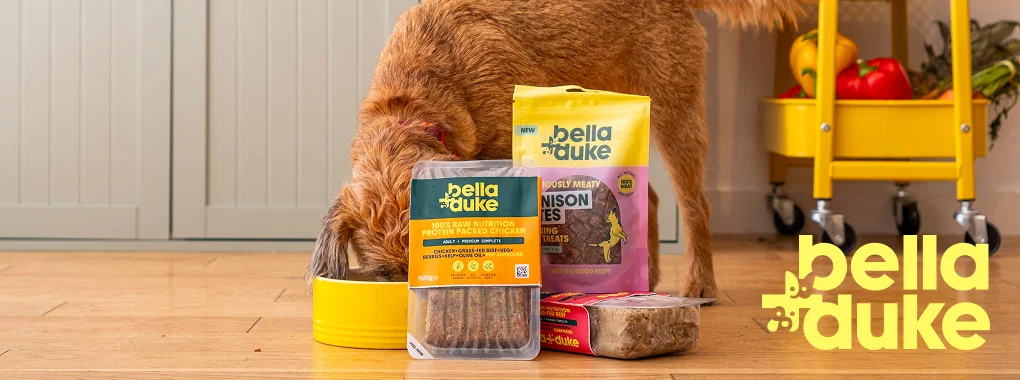
Bella and Duke’s raw dog food is rated the best in the UK and tailored for your dog. You tell it things like their breed, age and weight, it recommends the best food for them and recipes will be delivered straight to your door at a frequency that suits. All recipes are certified by Rawsafe and UK Pet Food, and there is a range of protein options to satisfy even the pickiest tastes.
Get 50% off box one, 50% off box 2 and 20% off box 3*
*Offer may be subject to change, please see full terms and conditions.

