
One minute your dog is happily trotting beside you, the next they’re disappearing into the undergrowth, apparently oblivious to your calls. Sound familiar? While it can be frustrating, dogs rarely wander off simply because they’re being disobedient. In fact, there are several natural behaviours that can make exploring more appealing than staying close.
Why do dogs wander?
“Dogs experience the world through smell, and following a scent can be incredibly rewarding in itself,” explains Dogs Trust behaviourist Lissy Chughtai. “When they’re engaged in tracking a smell, they’re not deliberately ignoring you. They’re completely focused on that scent.”
Some dogs may follow an interesting scent for miles, while others are motivated by movement.
“Predatory behaviour can also play a part. For some dogs, the sight of a fast-moving animal triggers an instinct to chase,” says Lissy.
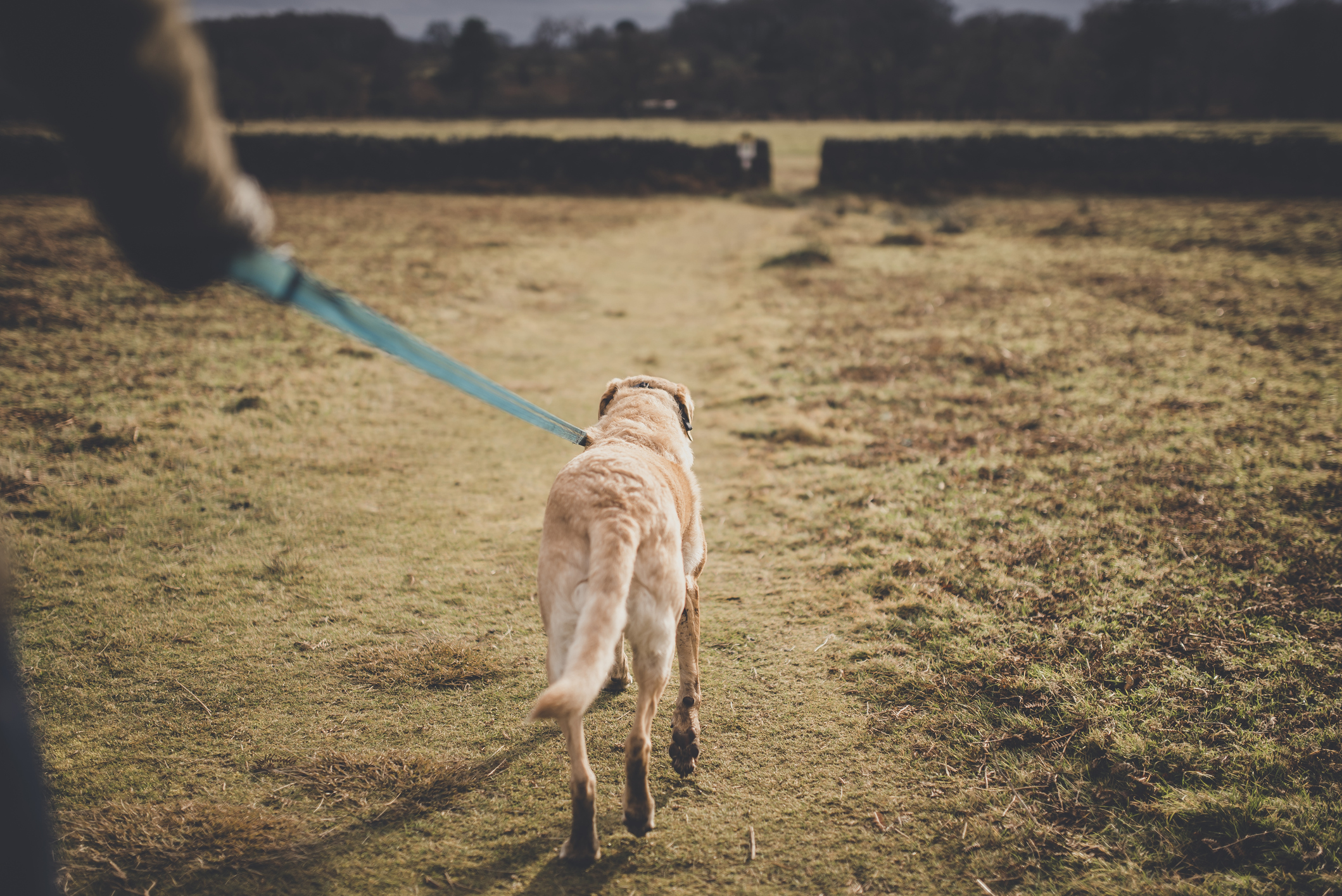
Others are more socially motivated, running towards people or dogs in anticipation of play, attention or treats. Boredom and frustration can also contribute, particularly if a dog’s behavioural needs aren’t being met.
Although certain breeds have historically been selected for particular characteristics, such as following scents, chasing small animals or herding livestock, Lissy stresses that breed alone cannot predict whether an individual dog will wander.
When wandering is driven by fear
Not all dogs run off in search of something exciting. Some flee because they’re frightened.
“Loud noises, such as fireworks, or unfamiliar situations can cause dogs to run away in fear,” explains Lissy. “Fear-related escapes can be particularly unpredictable and dangerous.”
If your dog regularly bolts when frightened, seek advice from a qualified behaviourist. Dogs Trust’s free Behaviour Support Line can offer initial guidance.
Making recall rewarding
A reliable recall is one of the most important skills you can teach your dog, but even well-trained dogs can struggle when distractions become overwhelming.
“Sometimes recall fails because the dog hasn’t learnt to respond to the cue in different environments,” says Lissy. “Or they may associate coming back with the end of something enjoyable.”
The solution is to make returning to you a positive experience. Use reward-based training, plenty of praise and opportunities to return to exploring afterwards.
“You want your dog to see you as their safe place, and coming back to you as something really rewarding,” explains Lissy.
What if your dog runs off?
If your dog ignores your recall cue, resist the temptation to repeatedly shout or chase after them.
“Stay calm, crouch down and use an enthusiastic voice to encourage them back,” advises Lissy. “And when they return, even if it’s much later than you’d hoped, always reward them. Never tell them off.”
If your dog is heading towards traffic or another danger, prioritise safety over training and ask others for help if needed.
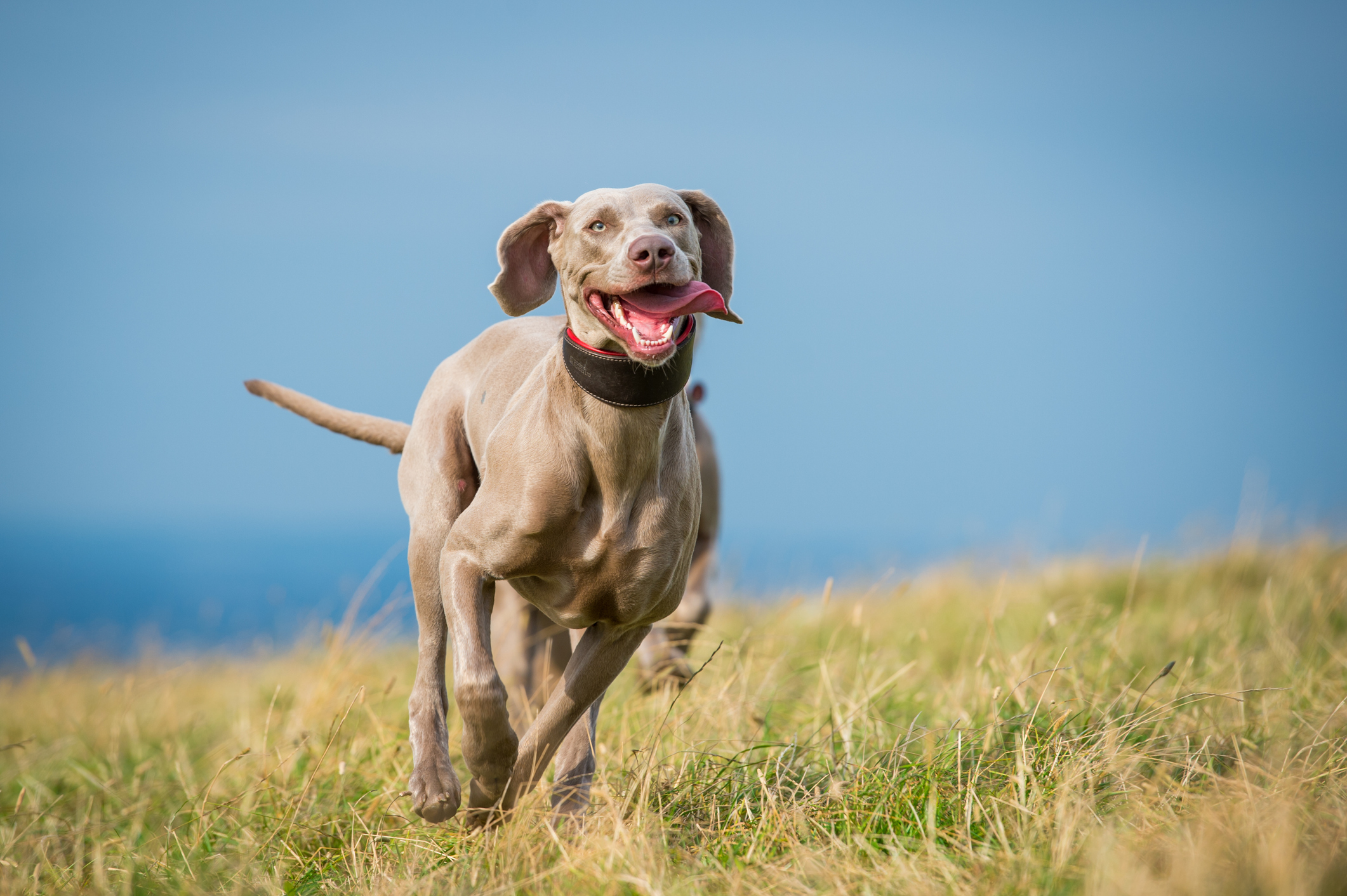
For dogs whose recall remains unreliable, a long line attached to a suitable harness can provide freedom to explore safely. Secure private fields also offer opportunities to run and chase without the risks of an open environment.
“Some dogs may never be reliably safe off lead, and that’s not a failure,” says Lissy. “They can still have wonderfully fulfilling lives.”
Ultimately, understanding what motivates your dog to wander is the first step towards keeping them safe while allowing them to enjoy the world around them.
