
British hedgehogs have seen a sharp decline in recent years. Since 1981, the number of hedgehogs found in rural Britain has fallen by 71% and that figure is only increasing with time.
Now, hedgehogs are considered vulnerable with fewer than one million hedgehogs left in the UK. While there isn’t a singular reason this is happening, the decrease has been consistently occurring for years.
And yet, surprisingly, hedgehogs in urban areas are bucking this trend. In the state of Britiain’s hedgehog report from 2022, the picture in urban areas showed a stable population with the possibility of recovery.
“Things are noticeably worse in rural areas. It’s not what you’d necessarily expect, you’d think they’d do better in the countryside. There have been declines of over 70% in some areas since 2000,” Grace Johnson, Hedgehog Officer for Hedgehog Street told BBC Countryfile Magazine.
“In urban areas, there have been those same historical declines in the past, but things are levelling off now. Those numbers are still nowhere near where they should be, but it is some good news.”
It might seem like a strange contrast. For most animals, urban life has increased their risks. Robins are having to change their songs to compete with noise pollution. Swifts, bats, foxes and badgers are all other animals often found in cities which have struggled to survive. So why are hedgehogs different?

In cities, there are far more gardens and a lot of people are making efforts to provide more wildlife friendly habitats. Gardens also offer access to easy food and shelter, and there are less predators around in cities.
However, this isn’t to say cities are all good for hedgehogs. By building up urban areas, human-centric areas provide separate problems for them.
“We’re building more infrastructure and the areas of wild pockets that they need are becoming fewer and fewer. The wild areas that do exist are often separated by buildings, walls or some kind of fragmentation” said Johnson.
“Largely it is human-based threats they are facing. They could be ingesting things that are poisonous, and one of the bigger threats to hedgehogs is roadkill.”
A study in July 2026 found that road traffic accounted for around 38-41% of recorded hedgehog deaths.
What can you do to help hedgehogs?
Part of improving the chances for hedgehogs simply comes down to considering them more in daily decisions. The biggest impact won’t come from individuals, but larger infrastructure decisions which could affect them.
“We’d like to see them more considered and factored into developments. A lot of developers are putting in hedgehog highways (gaps in fences). But at the moment, it’s kind of their choice whether they would do anything,” said Johnson.
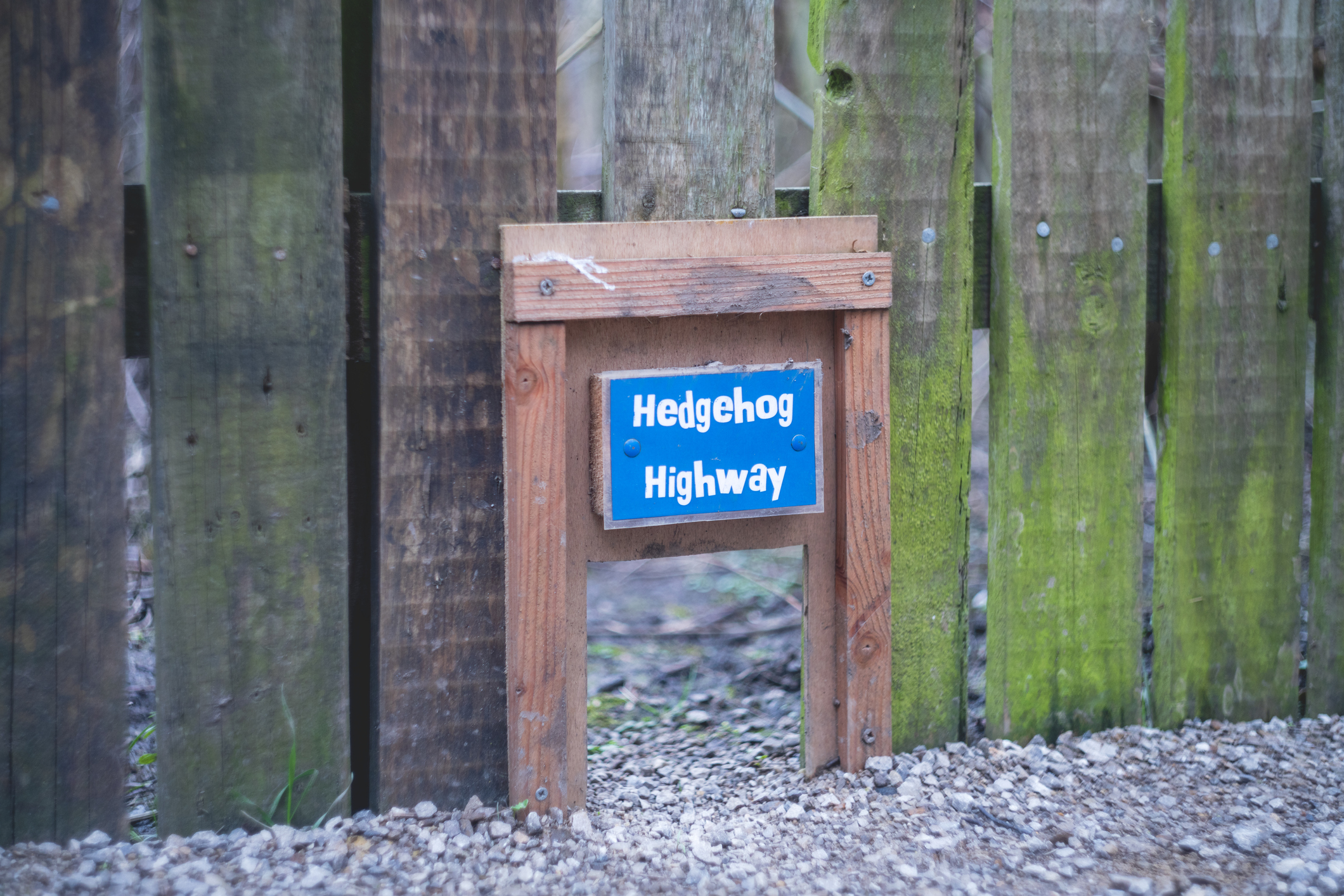
“If that could become enforced by law, it would be a small thing that would make a big difference. It would open up a lot of more wild spaces for them and would allow them to move between spaces.”
Equally, there is a lot individuals can do in their own garden, Johnson explained. Making very small gaps in your fences allows them to come and go. Equally, creating log or leaf piles for them, or creating patches of wildflowers.
By leaving a patch of your garden wild, it will give hedgehogs and other animals more access to food.
