

Food waste is one of the UK’s biggest hidden sustainability challenges. Across households, shops, restaurants and the wider supply chain, millions of tonnes of food end up in the bin every year. According to figures from WRAP, the UK generates around 9.5 million tonnes of food waste annually, with households responsible for around 70% of that total.
Beyond the financial cost, food waste has a significant environmental impact. Growing, transporting and packaging food all require energy, water and resources. When food is thrown away, those resources are wasted too.
That’s why brands such as Black+Blum are supporting efforts to tackle food waste through both product design and charitable partnerships. Through its ongoing partnership with City Harvest, Black+Blum also helps rescue surplus food that would otherwise go to waste.
Food waste: the numbers
Research suggests that UK households throw away around 6.6 million tonnes of food each year, much of which could have been eaten. The most commonly wasted foods include bread, milk, potatoes, fruit and vegetables.
To put that into perspective, that’s roughly 95kg of food waste per person every year. Across the country, that amounts to billions of pounds’ worth of food being thrown away annually.
The environmental impact is equally significant. Food waste sent to landfill produces greenhouse gas emissions, including methane, a gas far more potent than carbon dioxide in the short term.
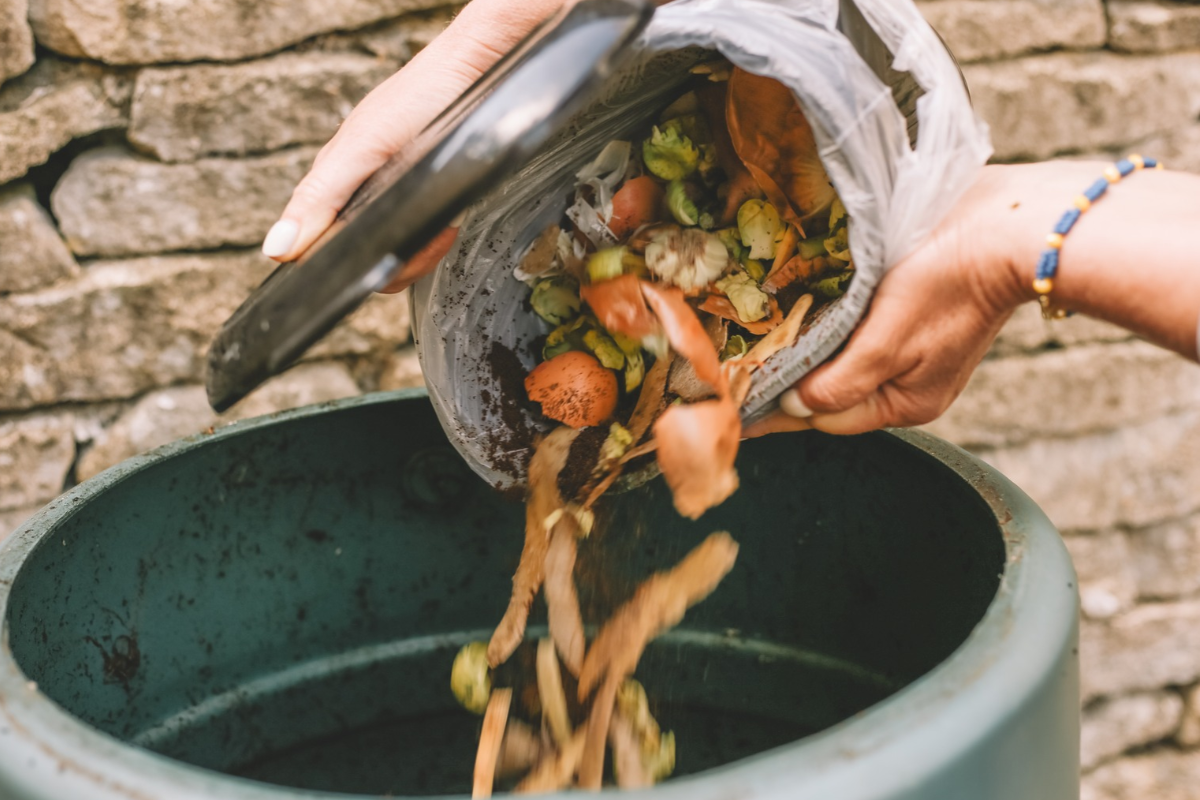
The question is: why do we waste so much? Partly, it's down to overbuying. Special offers, bulk purchases and ambitious meal plans can leave us with more food than we realistically use. Confusion around date labels also plays a role, with many perfectly edible foods being discarded because shoppers mistake “best before” dates for “use by” dates.
Busy lifestyles can be another factor, with leftovers often getting forgotten at the back of the fridge, while fresh produce can spoil before we've even got round to using it.
How can we actually help combat food waste?
One of the simplest ways to reduce food waste is to plan meals before shopping. Creating a weekly menu and checking cupboards before heading to the supermarket can help avoid buying items you already have.
- Proper storage is key – many fruits, vegetables and leftovers last significantly longer when stored correctly, helping to reduce spoilage and save money over time.
- Keep track of what’s already in your fridge – try placing food that needs using up at the front, where it's less likely to be forgotten.
- Learn to love your leftovers – extra vegetables can be turned into soups, stale bread can become croutons and leftover cooked meals often freeze well for future lunches or dinners.
Reusable food storage can play an important role in all of this. Well-designed containers make it easier to store leftovers, transport homemade lunches and keep ingredients fresh for longer, helping to ensure more food is eaten rather than discarded.
This is one of the reasons Black+Blum has focused its product range around sustainable food and drinkware. The London-based sustainable food and drinkware company creates reusable lunch boxes, food storage solutions and water bottles designed to help people store food more effectively and reduce reliance on single-use products.
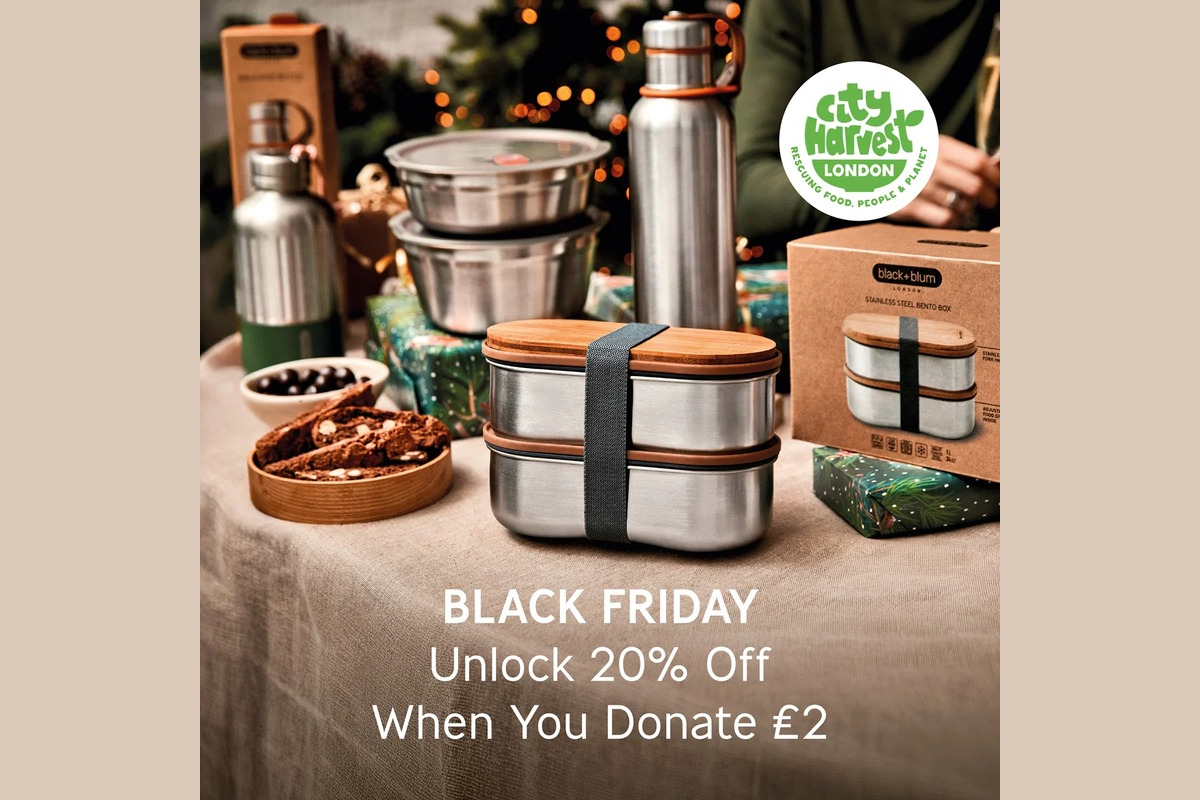
Alongside products designed to encourage food reuse and meal preparation, Black+Blum has partnered with City Harvest since 2022 to help redistribute surplus food to people who need it most. Together, the partnership has helped deliver nearly half a million meals while preventing perfectly good food from going to waste.
The collaboration continues through initiatives that encourage customers to support City Harvest's work directly. From 16 – 30 November, shoppers who donate £2 to the charity via the Black+Blum website can receive 20% off site-wide, while Black+Blum donates 1% of every order to help fund food redistribution efforts.
