Nine miles south of Jersey lies an uninhabited archipelago that holds the distinction of being the southernmost in the British Isles. At low tide, its exposed sandbanks, reefs, boulder fields, shingle banks and lagoons span an area larger than Jersey itself – and together the area supports such a variety of wildlife that it’s been declared a wetland of international importance.
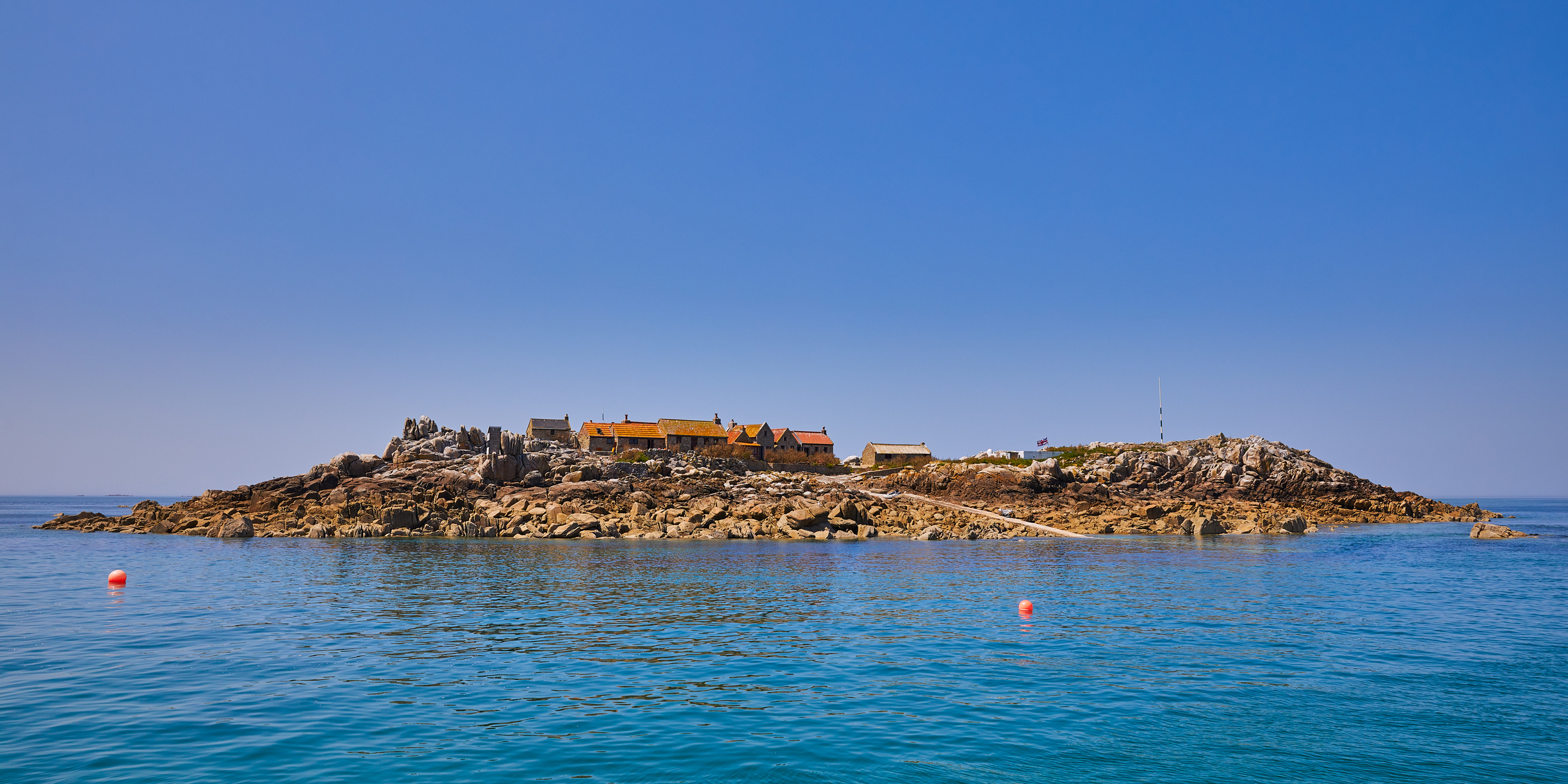
When the tide rises, only a scattering of rocky islets remain above water. So Les Minquiers – known to English-speaking locals as ‘The Minkies’ – seems an unlikely setting for two of the more farcical stories of the Second World War. After German troops invaded the Channel Islands on 30 June 1940, a small garrison was placed on Maîtresse – which, though measuring barely 50m by 20m, is the largest of Les Minquiers’ islands.
The soldiers lodged in the handful of stone huts built to provide shelter for fishermen. The garrison’s main job was to act as an observation post, reporting on Allied shipping movements.
However, the men did have some excitement in March 1945 when they opened fire on an American landing craft – only to discover that it was crewed by a group of German prisoners of war who’d been freed during a daring raid by the German navy on the port of Granville, and had stolen the vessel.
Despite the friendly fire, the escapers made it safely to German-occupied Jersey. On 9 May 1945, the German garrisons on Guernsey and Jersey surrendered, with Sark following suit the next day.
But everyone had forgotten about Les Minquiers. Radio contact with Jersey ceased on the day of the surrender, and the garrison on Maîtresse had no boat, so had no choice but to sit tight and ready for an attack.
It wasn’t until 23 May that some French fishermen told the twitchy soldiers that the war had ended. The Germans hitched a ride to Jersey and surrendered. The British hurriedly sent over a party to raise the Union Flag and deny France the chance to claim the archipelago, ownership of which had been disputed since the Norman era.
With sea levels continuing to rise, Les Minquiers may soon belong to the waves. In the meantime, you can visit the sandbanks on a boat trip from Jersey. Intertidal channels and pools teem with fish and sponges; shellfish flourish on the mud and sand flats; and wading birds and wildfowl feed and roost on the isles.
You may also see the resident grey seals or bottlenose dolphins. Just don’t expect luxury. The Code of Conduct for the Channel Islands Ramsar sites notes that the one toilet “should preferably not be used during periods of neap tides because the odour is not carried away. If it is used,” the notice continues, “please refill the bucket.”