On the evening of 10 April 1912, as dusk settled over Cherbourg Harbour, a small but elegant ship slipped out into the water carrying 274 passengers toward a doomed legend.
The vessel was the SS Nomadic. The star-crossed ship waiting offshore was RMS Titanic. History would remember the Titanic. The Nomadic, the quiet prelude to that story, is far less known.
Why was the SS Nomadic built?
Built to serve giants, SS Nomadic was a tender – designed to ferry passengers, baggage and mail to ocean liners too vast to dock in shallow ports. Commissioned by the White Star Line in 1910, she worked alongside RMS Titanic and her sister ship RMS Olympic. Though smaller, she was crafted in their image, earning the nickname “the mini Titanic”.
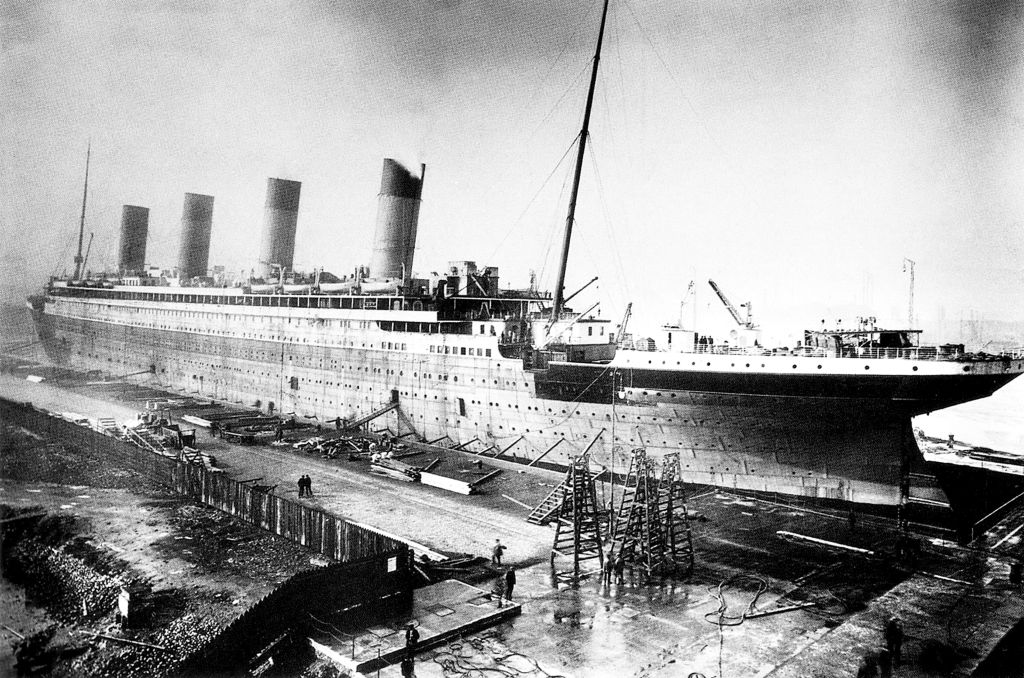
She was built in Belfast by Harland and Wolff in just 159 days and launched on 25 April 1911. Among her designers was Thomas Andrews, the shipyard’s general manager and a gifted naval architect who helped shape the Titanic herself. Today, the Nomadic is the only surviving vessel connected to his work. Andrews would not live to see its legacy – he died aboard the Titanic when she sank just five days after the Nomadic’s fateful crossing.
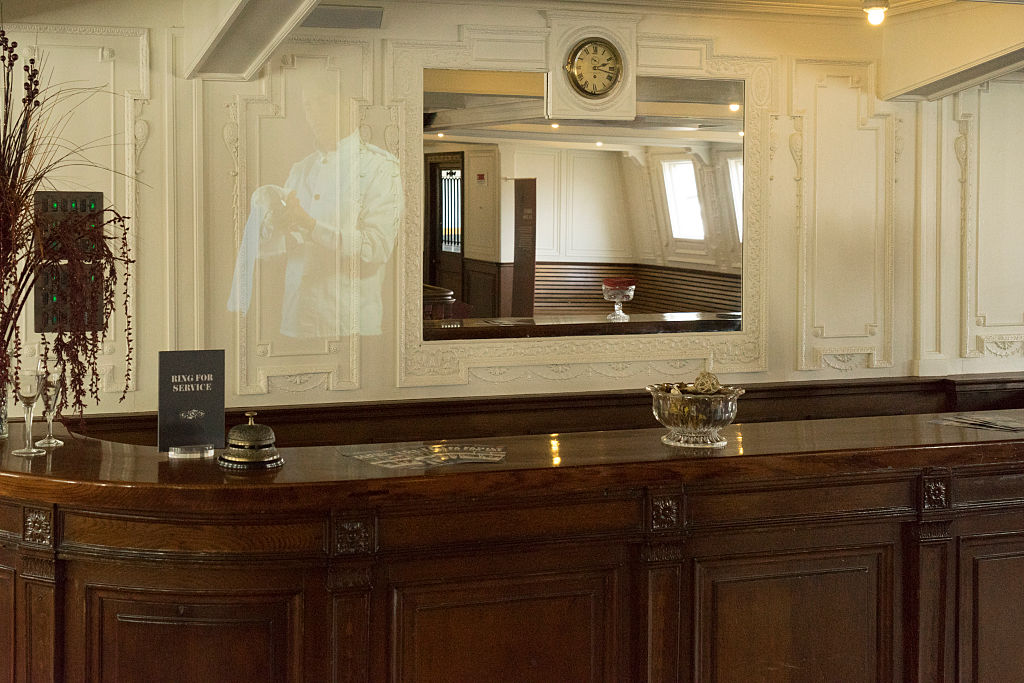
Despite her size, the Nomadic was no ordinary ferry. Constructed of steel and powered by coal-fired steam engines, she could carry up to 1,000 people. Inside, passengers found polished woodwork, comfortable lounges and refined details that echoed the splendour of the great liners waiting beyond the harbour.
What is the Titanic connection?
That April evening, some of the most famous names of the age stepped aboard the SS Nomadic: John Jacob Astor IV, one of the richest men in the world; Benjamin Guggenheim, heir to a mining fortune; spirited socialite and philanthropist Margaret “Molly” Brown; and J Bruce Ismay, chairman of the White Star Line. For them, this short crossing was merely the beginning of a momentous journey.
The transfer took just 40 minutes. First- and second-class passengers travelled aboard the Nomadic; third-class passengers followed on the smaller tender Traffic. Soon after, the Nomadic turned back toward Cherbourg, her role complete. The Titanic steamed west into the Atlantic.
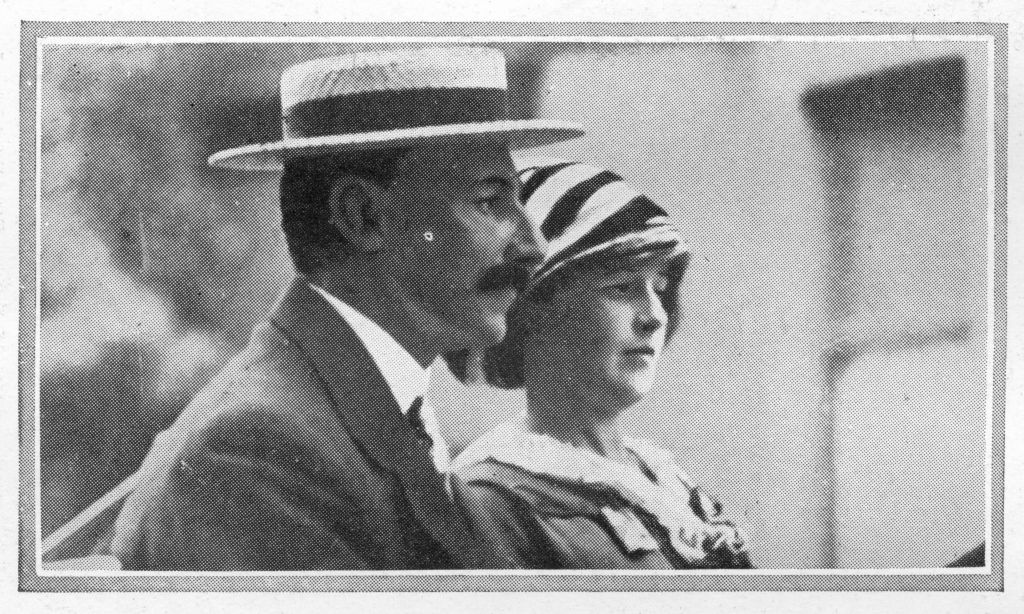
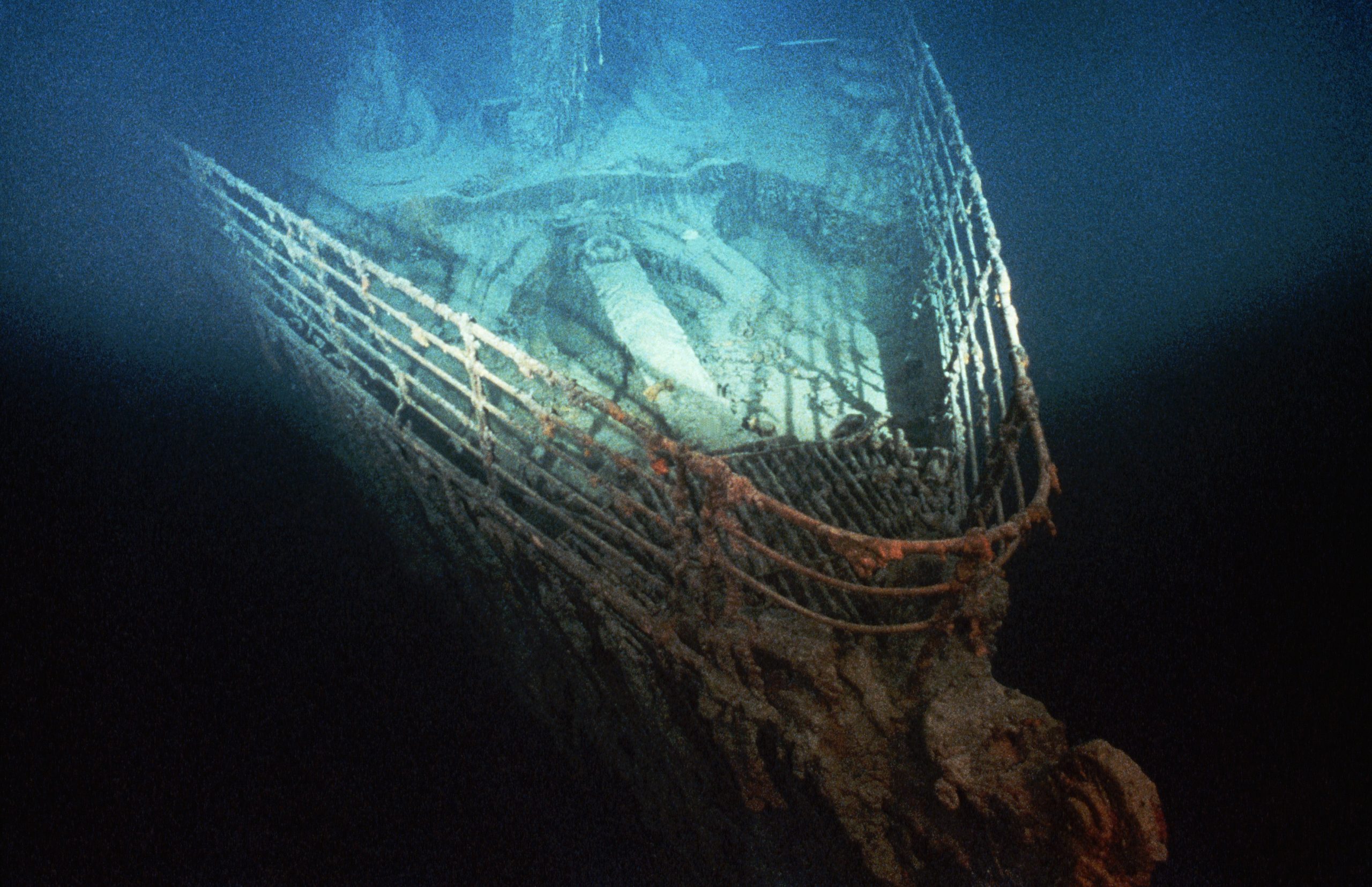
Five days later, the world changed. When the Titanic struck an iceberg at 11.40pm on 14 April, many who had stepped aboard via the Nomadic faced unimaginable choices. Astor helped his pregnant wife into a lifeboat and remained behind, last seen smoking a cigarette on deck. Guggenheim, after ensuring the safety of those in his care, famously chose to face death in evening dress, reportedly saying: “We've dressed up in our best and are prepared to go down like gentlemen." More than 1,500 others died with them.
Margaret Brown survived, later earning the name 'The Unsinkable Molly Brown' for urging her lifeboat to return in search of survivors. Ismay also survived, but faced lasting criticism for leaving the ship, becoming known as 'The Coward of the Titanic'.
- The death-defying rescues and courageous crews that have saved 144,000 souls at sea
- Unsolved mysteries, German battleships and Henry VIII’s favourite war vessel: Discover 10 shipwreck sites in the UK
- Shipwrecked for decades off the Kent coast, this war vessel still contains 1,400 tonnes of explosive
What happened to the Nomadic after the Titanic disaster?
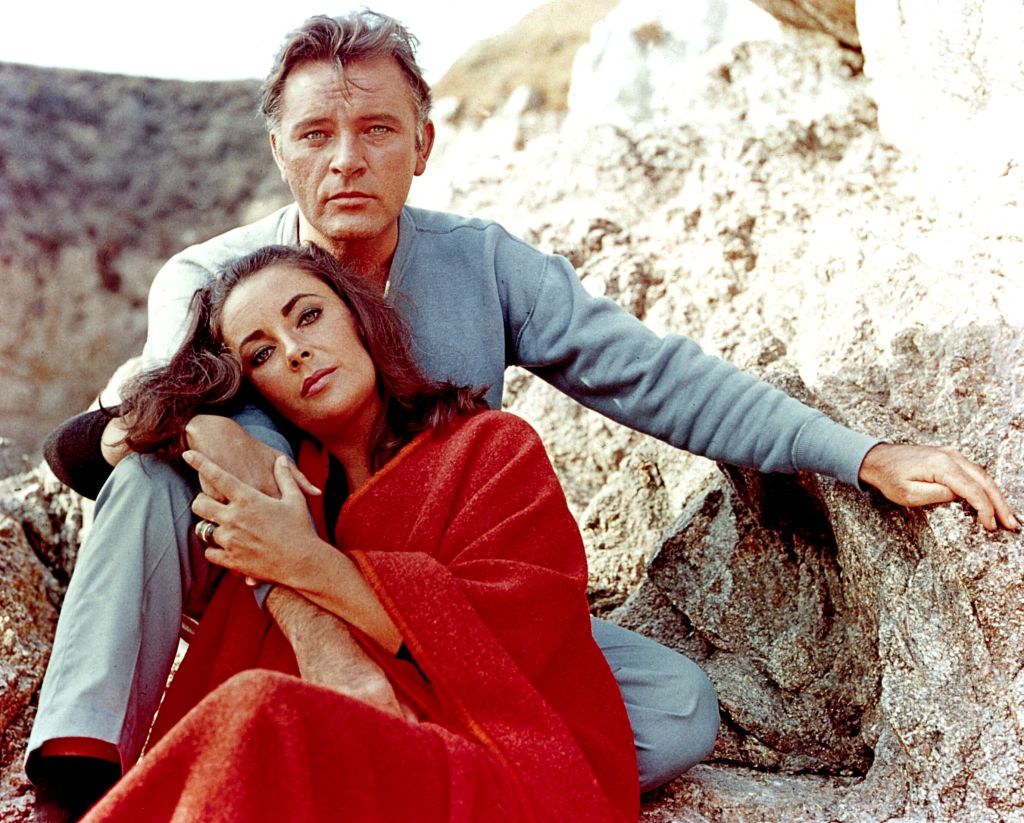
The Nomadic, meanwhile, carried on. Through decades of service, she continued to ferry passengers to some of the greatest liners ever built, including Queen Mary and Queen Elizabeth. Over the years, an extraordinary cast of figures passed across her decks: Nobel Prize-winning physicist Marie Curie in 1921; Olympic swimmer and Tarzan star Johnny Weissmuller during the 1924 Paris Olympics; and legendary slapstick comedian Charlie Chaplin in 1952, while travelling to London shortly before his exile from the United States. In 1964, married film icons Elizabeth Taylor and Richard Burton arrived via the Nomadic to a frenzy of press cameras.
The Nomadic also saw service in both the First World War and Second World War. In the former, she was deployed an auxiliary minesweeper and troopship for the French Navy; in the latter, she patrolled, laid mines, and helped evacuate Allied troops from Le Havre and Cherbourg, before returning to ferry duties post-War.
But time, more than war, nearly claimed her. With the decline of the great ocean liners, the Nomadic was moored in Paris and transformed into a floating restaurant and party venue. For a while, she thrived, as her elegant interior and sturdy hull gave her a second life. Then neglect set in. Paint peeled, fittings decayed and the last White Star Line vessel in existence came dangerously close to being scrapped.
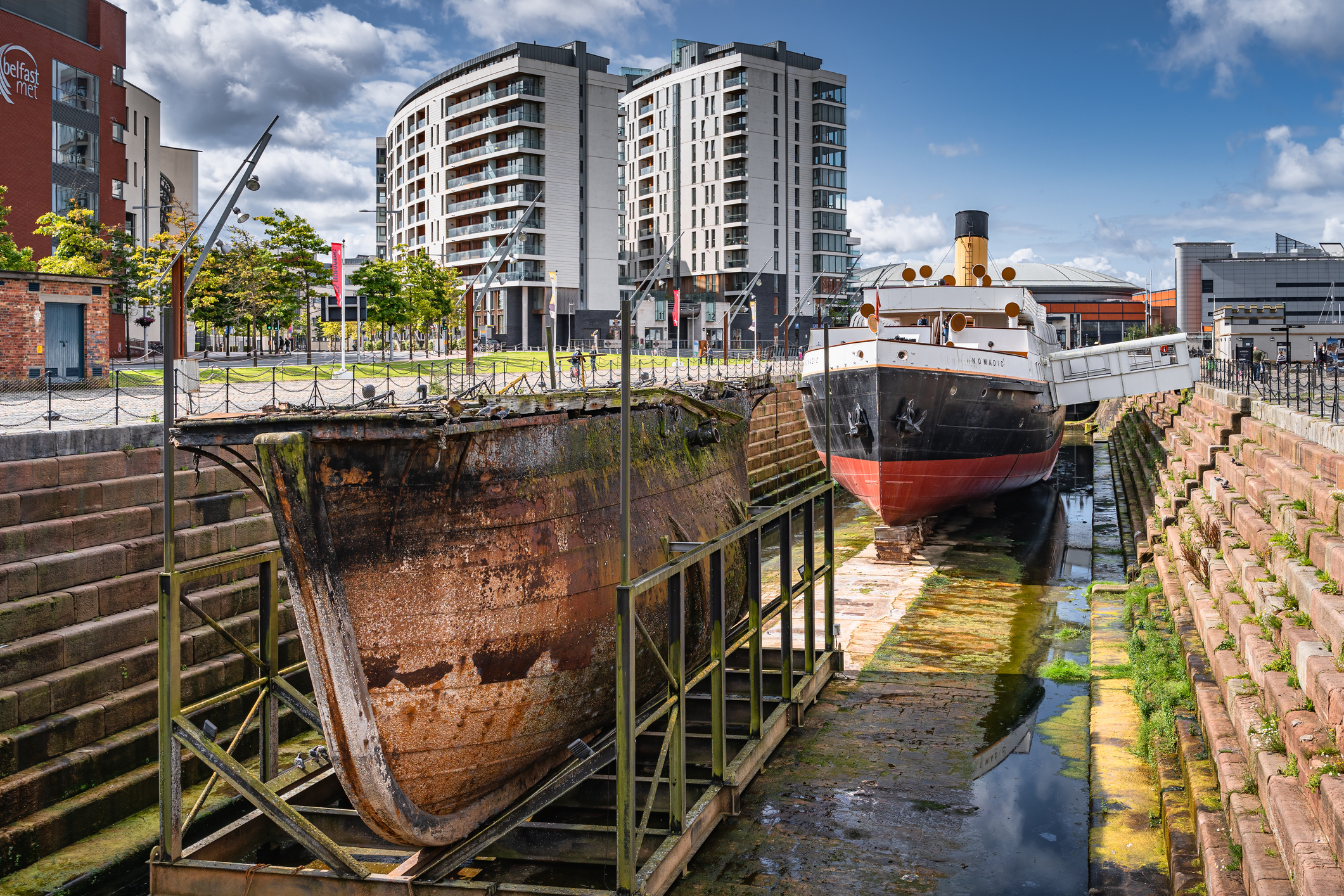
Her survival was far from certain, until a determined preservation campaign – driven in large part by supporters in Northern Ireland – eventually changed her fate. In 2006, she was purchased at auction for €250,001 and brought home to Belfast.
How to visit the SS Nomadic
Today, restored in Belfast’s Titanic Quarter, the SS Nomadic endures. She is the last living link to the Titanic, a ship that once carried the hopeful toward history – and, unknowingly, toward tragic legend. Visitors can explore her luxurious decks and walk in the footsteps of the extraordinary people she has carried.
Opening times:
July - August 2026
Monday - Sunday: 10am - 7pm
2nd - 9th August: 9:30am - 8pm
September - October 2026
Monday - Sunday: 10am - 5.30pm
November 2026
Monday - Sunday: 10am - 5.30pm
1st November: 11am - 4:30pm
December 2026
Monday - Sunday: 11am - 4.30pm
27th - 31st December: 11am - 5pm